
Radio Receiver, Used by Amateur Radio Station W6DQZ, circa 1930
THF95341 / Radio Receiver, Used by Amateur Radio Station W6DQZ, circa 1930
01
Artifact Overview
Hamid (Charlie) Durmisevich, call sign W6DQZ, connected to the world from his ham radio station in Los Angeles. Amateur radio operators use two-way radios to talk to global networks of other "hams" about technology, weather, emergency preparedness and daily life. This ham, who emigrated from Eastern Europe in 1920, was active in amateur radio communities from the 1930s to 1990s.
Artifact Details
Artifact
Radio receiver
Date Made
circa 1930
Collection Title
Location
Not on exhibit to the public.
Object ID
2010.20.6
Credit
From the Collections of The Henry Ford. Gift of the Durmisevich Family.
Material
Metal
Glass (Material)
Plastic
Color
Black (Color)
Brown
Red
White (Color)
Yellow (Color)
Dimensions
Height: 23 in
Width: 19.75 in
Depth: 11 in
Inscriptions
On front: W6DQZ
On label of toggle switch: KEY POSN/ BIG RIG/ ELMAC
On dials: THE HRO/ SELCTIVITY/ LIMITER/ AUDIO GAIN
Keywords |
|---|
02
Related Content
 Set
SetCurators' Choice: Info Technology & Communications
- 25 Artifacts
Thomas Edison's electric pen, an ancestor of both the mimeograph and the tattoo needle, was a successful product in the mid-1870s. Users would write normally with the pen, which, instead of a nib, had a needle powered by an electric motor. The needle poked holes into a stencil, which was then used to copy the document. Many businesses found document duplication an attractive possibility. Set
SetCommunications and Information Technology
- 50 Artifacts
This is one of the first 50 Apple 1 computers. Apple 1s were the first pre-assembled personal computers; Steve Wozniak assembled this one in Steve Jobs's family home. Before the release of the Apple 1, owning a personal computer meant building it yourself. Wozniak's refined engineering skills, coupled with Jobs's bold marketing abilities, led to a revolutionary and affordable product--as well as a successful company.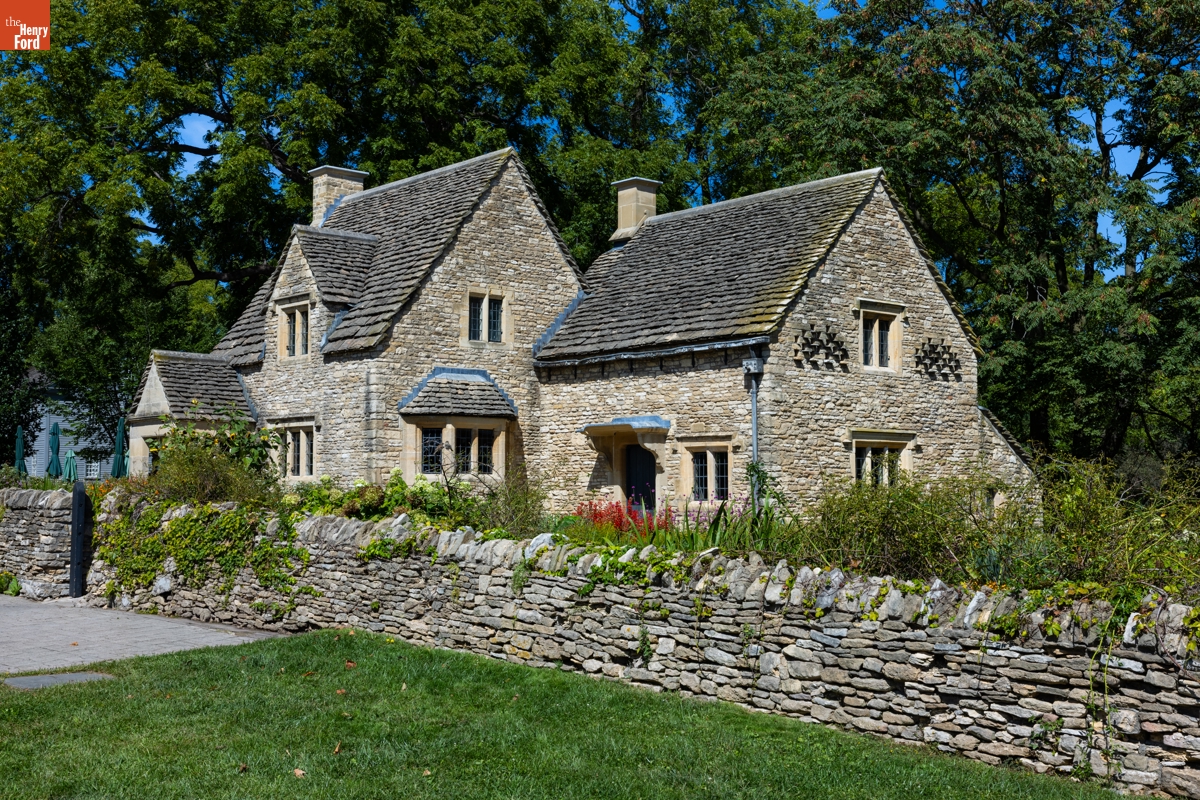 Set
SetFeatured on The Henry Ford's Innovation Nation: Season 5
- 26 Artifacts
Cotswold Cottage is from the Cotswold Hills in southwest England. The Fords were attracted to the distinctive character of Cotswold buildings, which are characterized by the yellow-brown stone, tall gables, steeply pitched roofs, and stone ornamentation around windows and doors. Several decorative additions were made to the house in England, before dismantling and re-erecting it in Greenfield Village.