
Wright Brothers Home and Cycle Shop, Greenfield Village, 1971
THF97802 / Wright Brothers Home and Cycle Shop, Greenfield Village, 1971
01
Artifact Overview
Henry Ford acquired the Wright brothers' home and cycle shop in 1936. He then relocated the buildings from Dayton, Ohio, to his Dearborn, Michigan, museum complex. Ford placed the structures right next to each other in Greenfield Village. In Dayton, the buildings had been located a few blocks apart.
Artifact Details
Artifact
Photographic print
Subject Date
August 1971
Place of Creation
Collection Title
Location
Not on exhibit to the public.
Object ID
P.B.59842
Credit
From the Collections of The Henry Ford.
Material
Paper (Fiber product)
Technique
Gelatin silver process
Color
Black-and-white (Colors)
Dimensions
Height: 8.125 in
Width: 10 in
Inscriptions
Typed sheet adhered to back of image reads in part:
B59842 / 051774 / THE WRIGHT BROTHERS HOME AND CYCLE SHOP / ... transplanted to / Greenfield Village from their original locations in Dayton, Ohio, / are among the many buildings associated with famous Americans now / located in this historic village. The home where Orville and Wilbur / grew up and the shop where the two brothers built the component / parts for the first airplane were reconstructed in Greenfield / Village under the supervision of Orville Wright himself. / PHOTO RELEASE ...
Keywords |
|---|
02
Related Artifacts
 Artifact
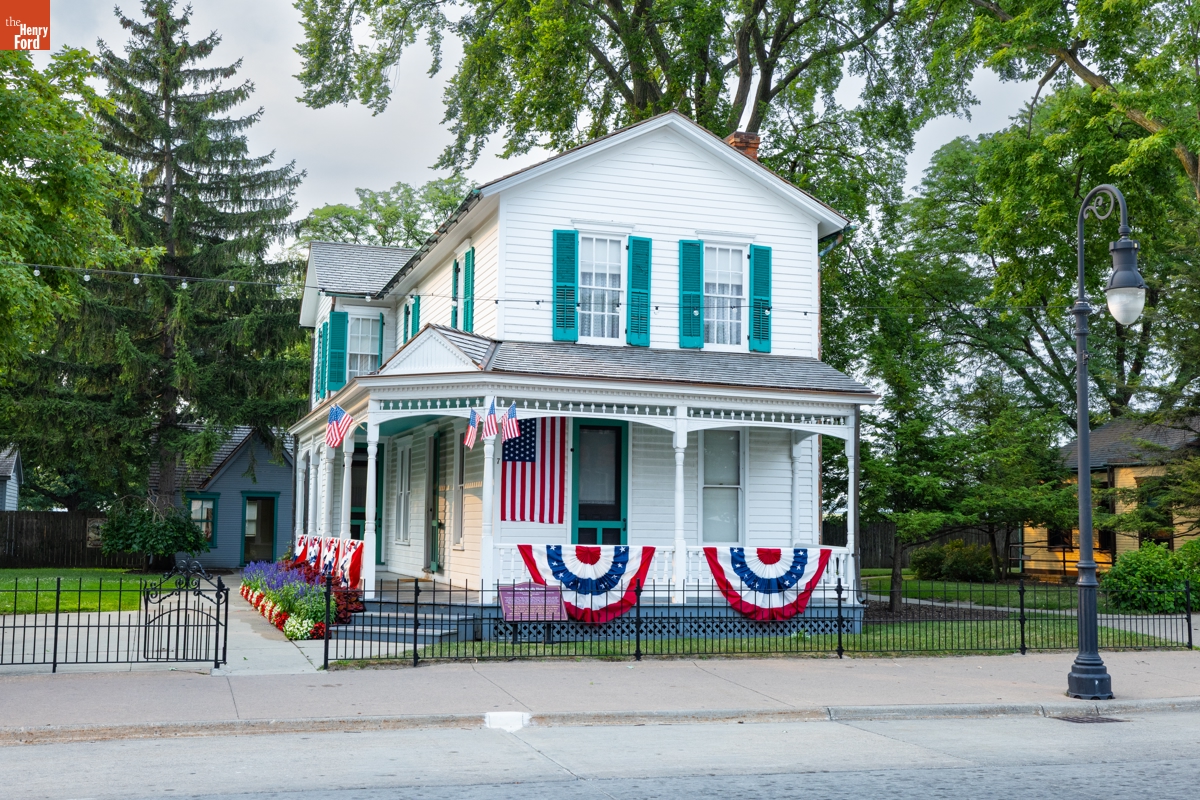
Wright Home
Though the Wright family moved around, brothers Wilbur and Orville always thought of this house, originally located at 7 Hawthorn Street in Dayton, Ohio, as home. Orville was born here in 1871, and Wilbur died here in 1912. It was also here that the brothers began their serious studies in aviation -- work that led to their successful 1903 Wright Flyer.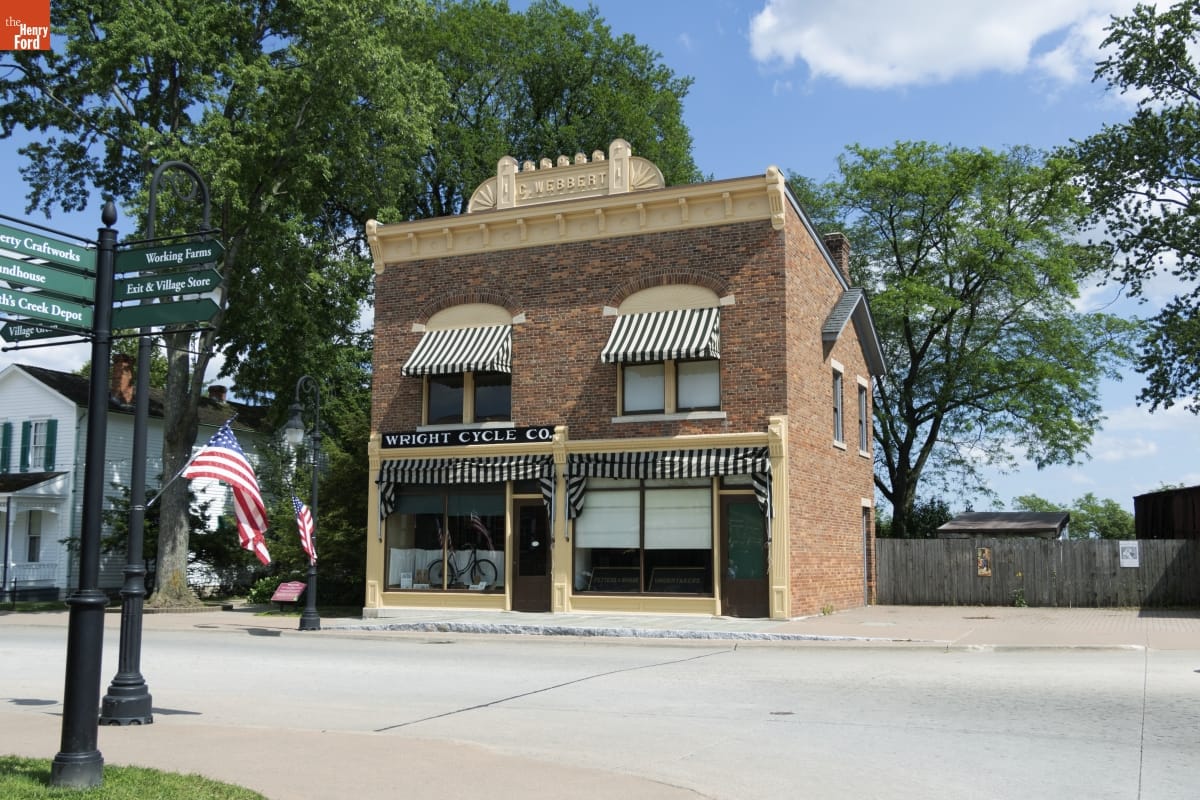 Artifact
Wright Cycle Shop
Wilbur and Orville Wright operated their bicycle business in this building from 1897 to 1908 in Dayton, Ohio. The brothers sold and repaired bikes, and they even produced models under their own brands. It was also in this shop that the Wright brothers built their earliest flying machines, including the 1903 Flyer that became the first successful heavier-than-air, powered, controlled aircraft.
03
Related Content
Set
The Most Popular Digital Collections Artifacts of 2018
- 50 Artifacts
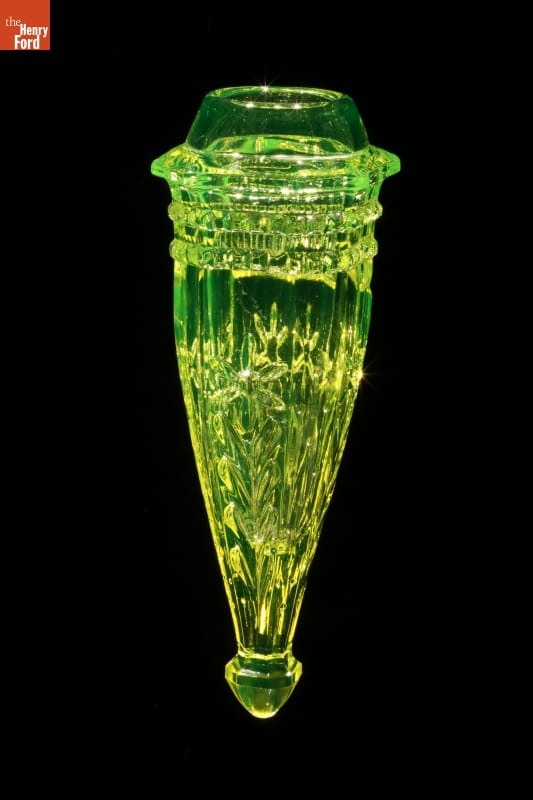
Early luxury vehicles sometimes contained bud vases for flowers. The flowers, whether real or silk, freshened up the interior. This pressed glass bud vase from The Henry Ford's 1922 Detroit Electric car has molded flowers on its sides.
Set
The Most Popular Digital Collection Artifacts of 2017
- 50 Artifacts
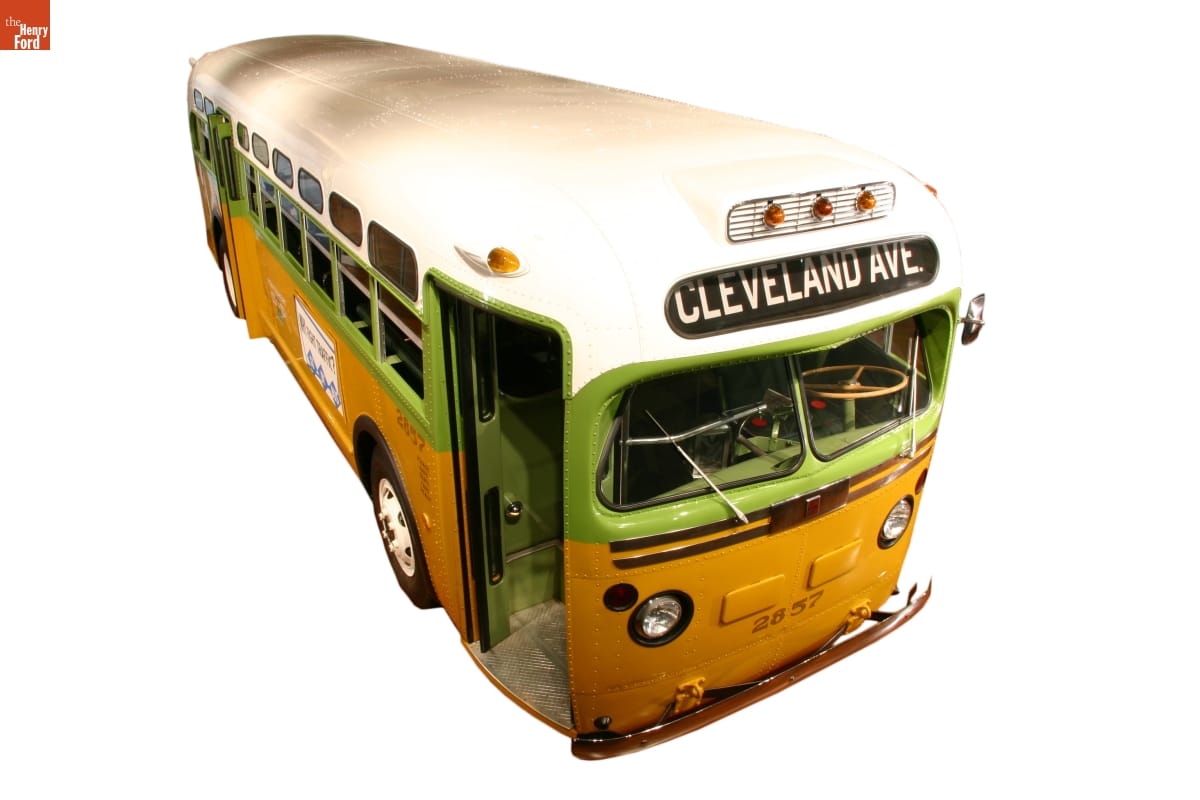
Inside this bus on December 1, 1955, Rosa Parks, a soft-spoken African-American seamstress, refused to give up her seat to a white man, breaking existing segregation laws. The flawless character and quiet strength she exhibited successfully ignited action in others. For this, many believe Rosa Parks's act was the event that sparked the Civil Rights movement.
Set
Henry Ford: Heroes
- 22 Artifacts
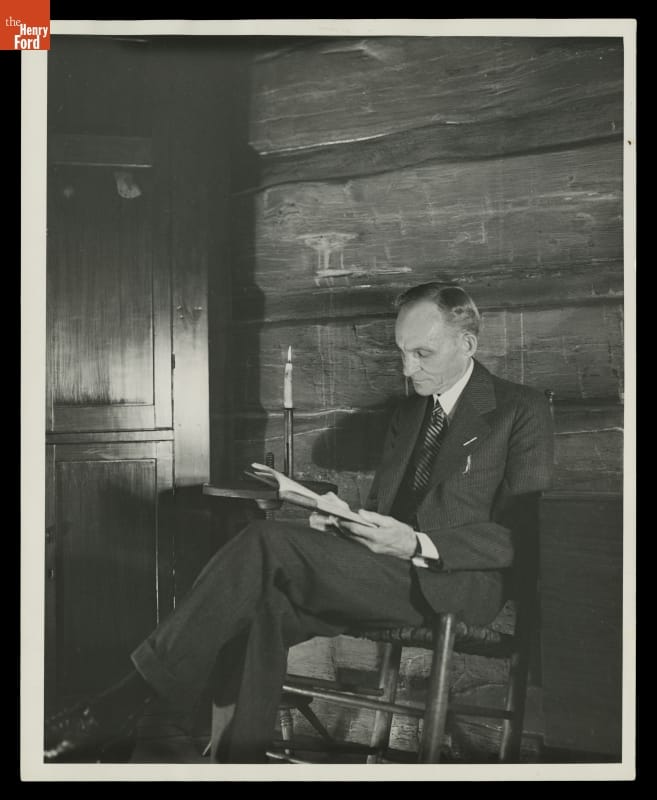
Part of Henry Ford's love of the past stemmed from his fondness for the McGuffey Readers he had read as a boy. But collecting hundreds of readers was not enough to satisfy his yearning to re-claim this part of his past. In 1932, he purchased the log birthplace of William Holmes McGuffey and moved it to Greenfield Village.
Set
The Most Popular Digital Collections Artifacts of 2019
- 50 Artifacts
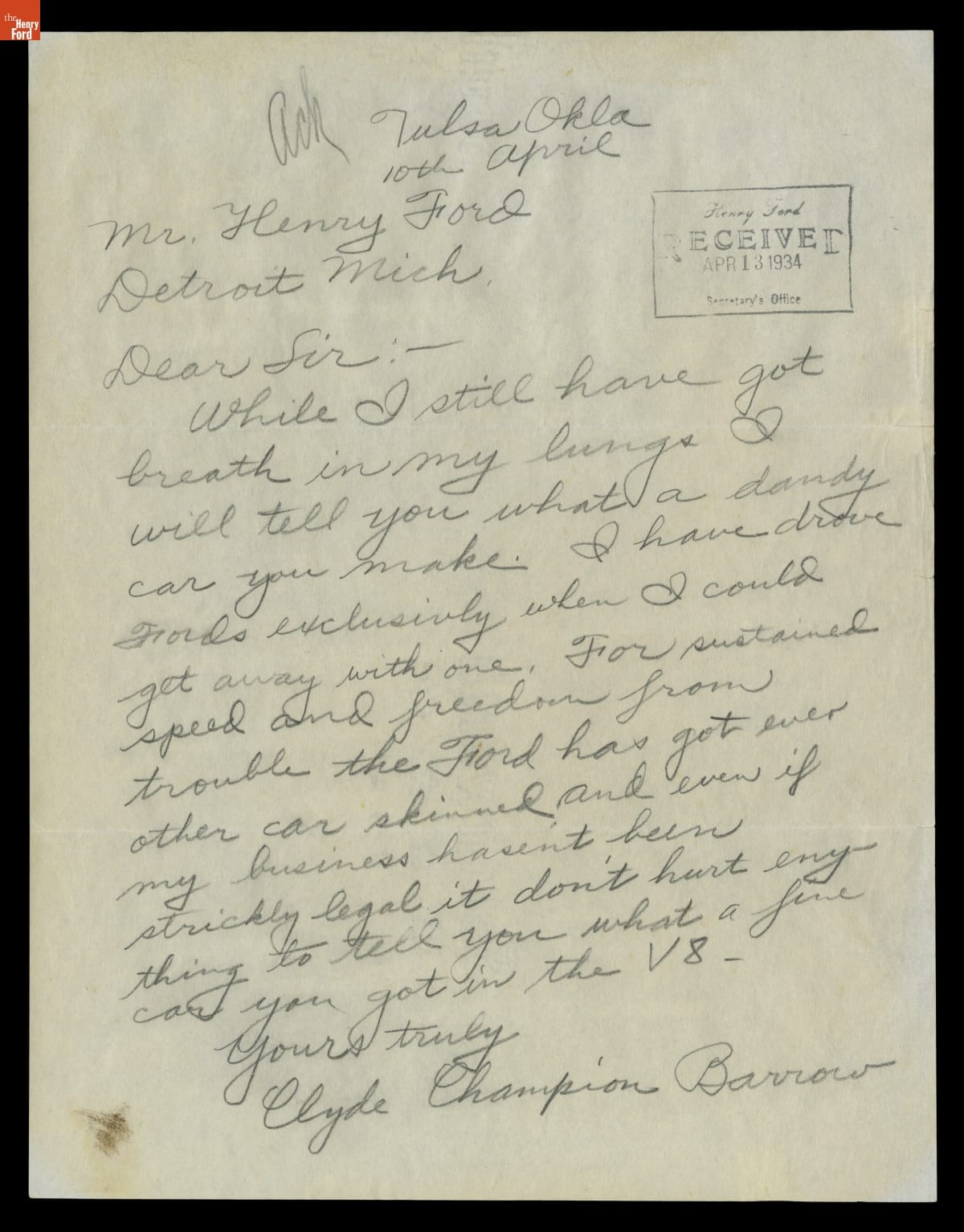
On April 13, 1934, Ford Motor Company received this unusual product testimonial. In it notorious bank robber Clyde Barrow extolled the virtues of Ford V-8s as getaway cars. Handwriting analysts have questioned the letter's authenticity, but it is the sort of thing the publicity-seeking Barrow might have written.
Set
Our Most-Viewed Digitized Artifacts of All Time
- 100 Artifacts
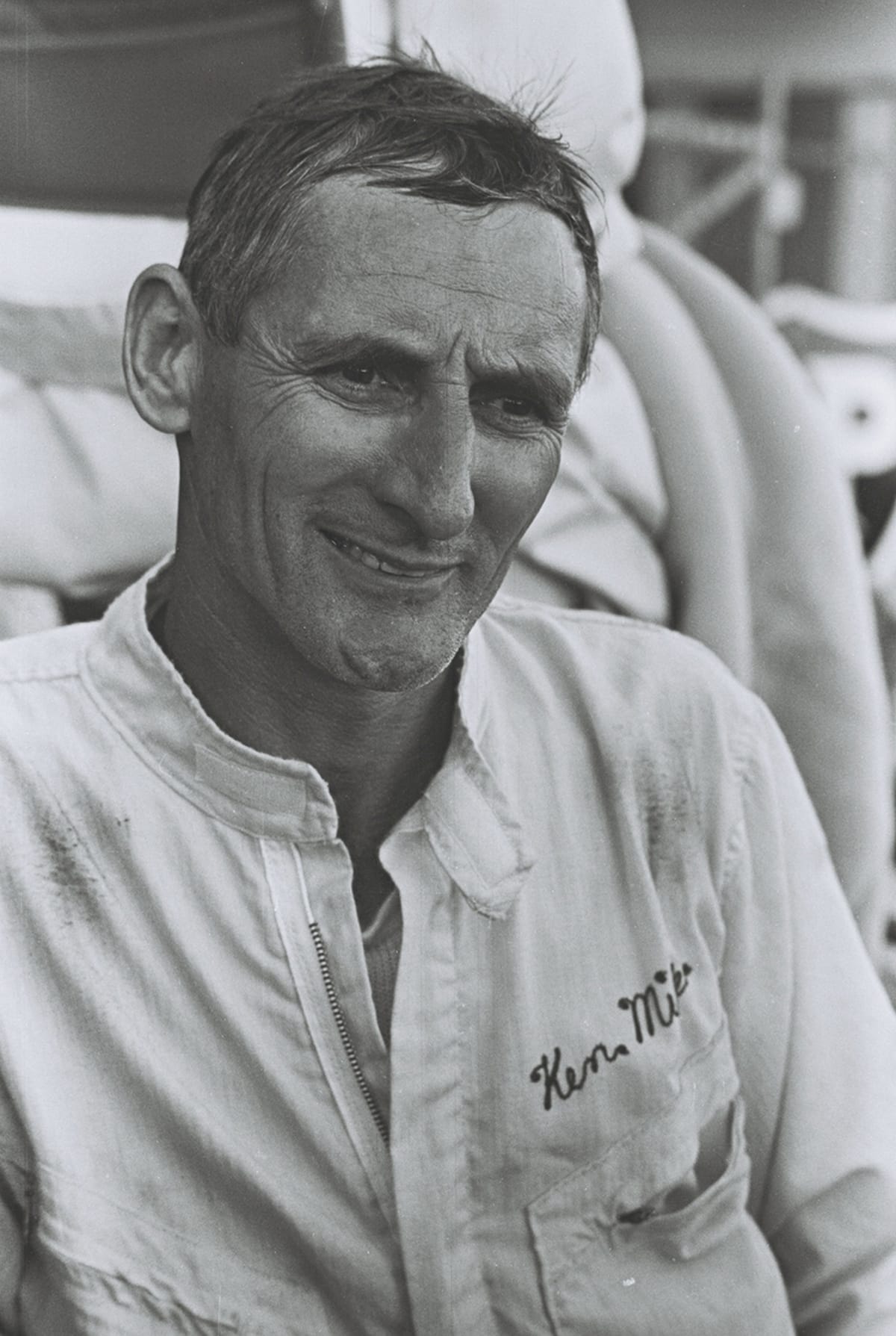
British-born Ken Miles was a gifted race car engineer and driver. Through his work for Carroll Shelby, Miles got involved in Ford's GT racing program. Miles won the 24 Hours of Daytona and the 12 Hours of Sebring in 1966, and he placed second at Le Mans. Miles died in a crash while testing Ford's J-Car later that year.
Set
The Most Popular Digital Collections Artifacts of 2021
- 49 Artifacts
British-born Ken Miles was a gifted race car engineer and driver. Through his work for Carroll Shelby, Miles got involved in Ford's GT racing program. Miles won the 24 Hours of Daytona and the 12 Hours of Sebring in 1966, and he placed second at Le Mans. Miles died in a crash while testing Ford's J-Car later that year.