
Topps Astronaut Trading Card, "1st Man in Orbit," 1963
THF230115 / Topps Astronaut Trading Card, "1st Man in Orbit," 1963
01
Artifact Overview
President John F. Kennedy's vision to explore the "new frontier" of space ignited the public's imagination. Pictorial souvenir cards like this helped generate excitement about the latest achievements in the space program. The U.S. astronauts and their accomplishments dominate the card fronts, while the backs show drawings that blend elements of science fiction and fantasy-requiring 3-D glasses to view.
Artifact Details
Artifact
Collecting card
Date Made
1963
Subject Date
1962
Creator Notes
Trading card for Topps Chewing Gum, Incorporated. Image used credited to NASA, National Aeronautics and Space Administration.
Collection Title
Location
Not on exhibit to the public.
Object ID
2013.55.12
Credit
From the Collections of The Henry Ford.
Material
Paper (Fiber product)
Cardboard
Technique
Photomechanical processes
Color
Multicolored
Dimensions
Height: 3.5 in
Width: 2.5 in
Inscriptions
Text on front:
NASA / (part of N missing on print) 46/ 1st MAN IN ORBIT / Astronaut John Glenn, / the first American to / orbit the Earth, poses / in his space suit in / front of the NASA / emblem.
Partial text on back: WINGED BEAST
Text on back of card: Front Photo Courtesy NASA
Keywords |
|---|
02
Related Content
 Set
Set"One Giant Leap for Mankind": Remembering the First Manned Moon Landing
- 18 Artifacts
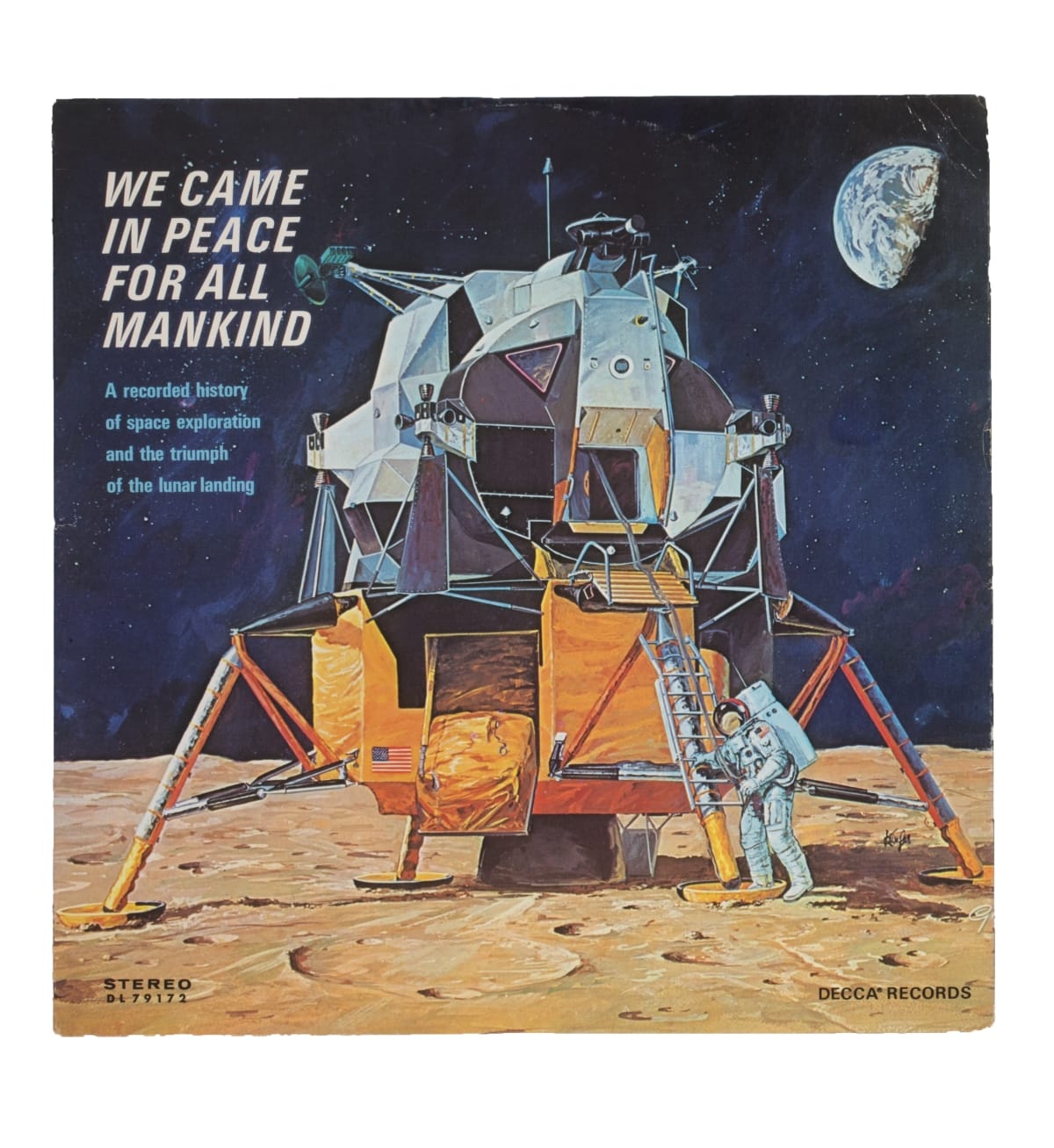
Three weeks after astronaut Alan Shepard became the first American in space on May 5, 1961, President Kennedy laid out a bold vision that America should commit itself to landing a man on the moon "before the decade is out." Many missions followed until, on July 20, 1969--just six months before the end of the decade--American astronauts Neil Armstrong and Edwin A. "Buzz" Aldrin Jr. became the first humans to set foot on the moon.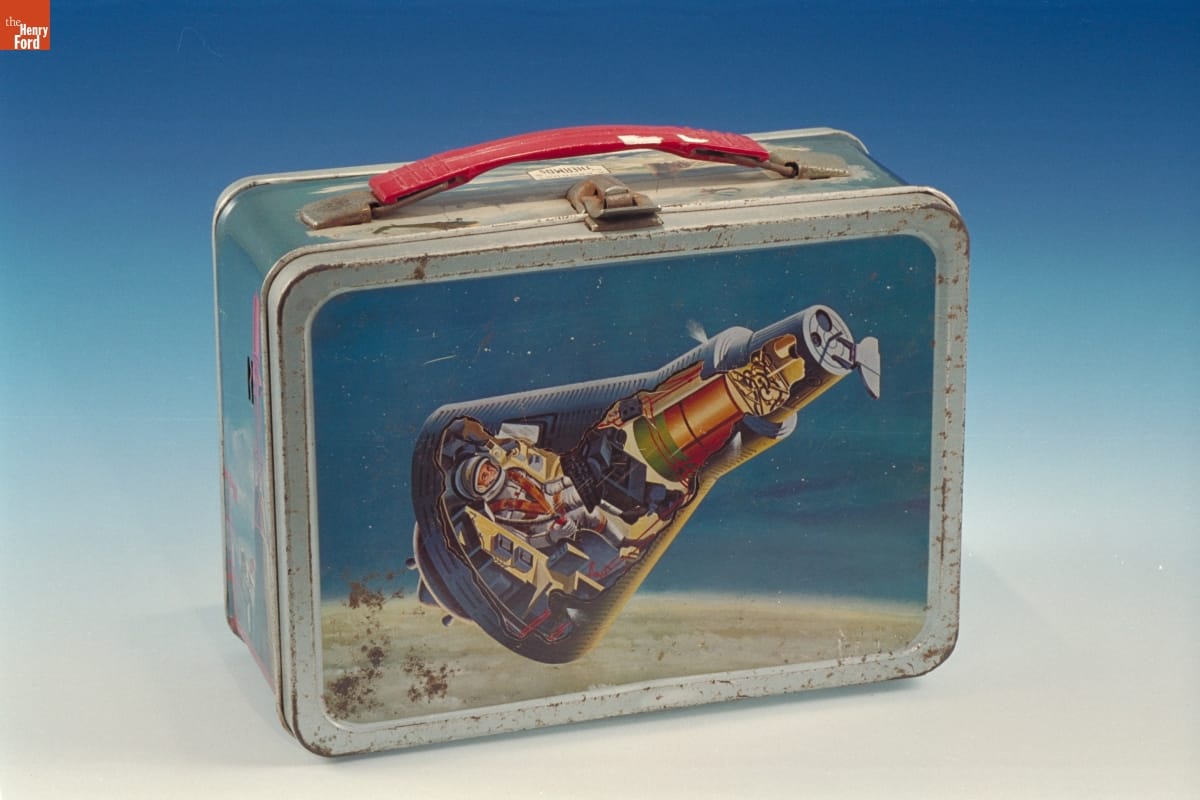 Set
SetJFK Remembered: Space Program
- 28 Artifacts
The first pictorial lunchboxes, introduced in 1950, featured Hopalong Cassidy. Since then, generations of children have proudly sported pictorial images of their favorite interests on the sides of their school lunchboxes. The 1960s were an age of space exploration, beginning with the Soviet Union's launch of Sputnik in 1957 through the landing of Apollo 11 on the moon in 1969.