
Reprint from QST Magazine of December 1916, "Westfield, N. J., Radio Station"
THF115906 / Reprint from QST Magazine of December 1916, "Westfield, N. J., Radio Station"
01
Artifact Overview
Artifact Details
Artifact
Photomechanical print
Subject Date
December 1916
Creators
Location
Not on exhibit to the public.
Object ID
42.378.1
Credit
From the Collections of The Henry Ford. Gift of Charles E. Apgar.
Material
Paper (Fiber product)
Technique
Printing (Process)
Color
Black-and-white (Colors)
Dimensions
Height: 9.5 in
Width: 6 in
Inscriptions
Handwritten in ink on front:
Chas. E. Apgar / Aug. 1942
Ink stamp on back:
THE EDISON INSTITUTE / LIBRARY
Keywords |
|---|
02
Related Artifacts
 Artifact
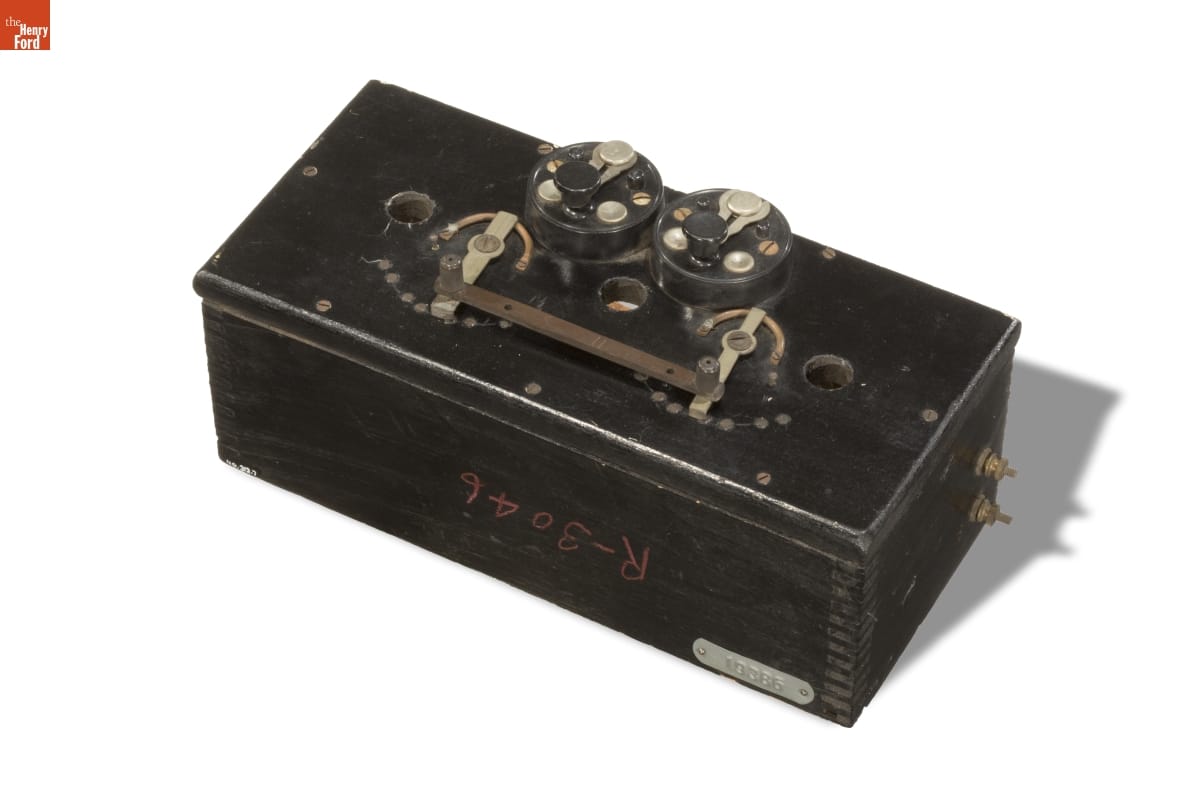
Homemade Audion Control Box, Used by Charles Apgar, 1915
In 1915, amateur radio operator Charles Apgar detected coded messages being transmitted by German employees at Sayville Wireless Station, New Jersey. Apgar invented a device to capture these messages onto Edison wax cylinders--the earliest recordings of radio signals. National security was a major concern due to WWI, and Apgar's efforts convinced the U.S. government to seize the Sayville station.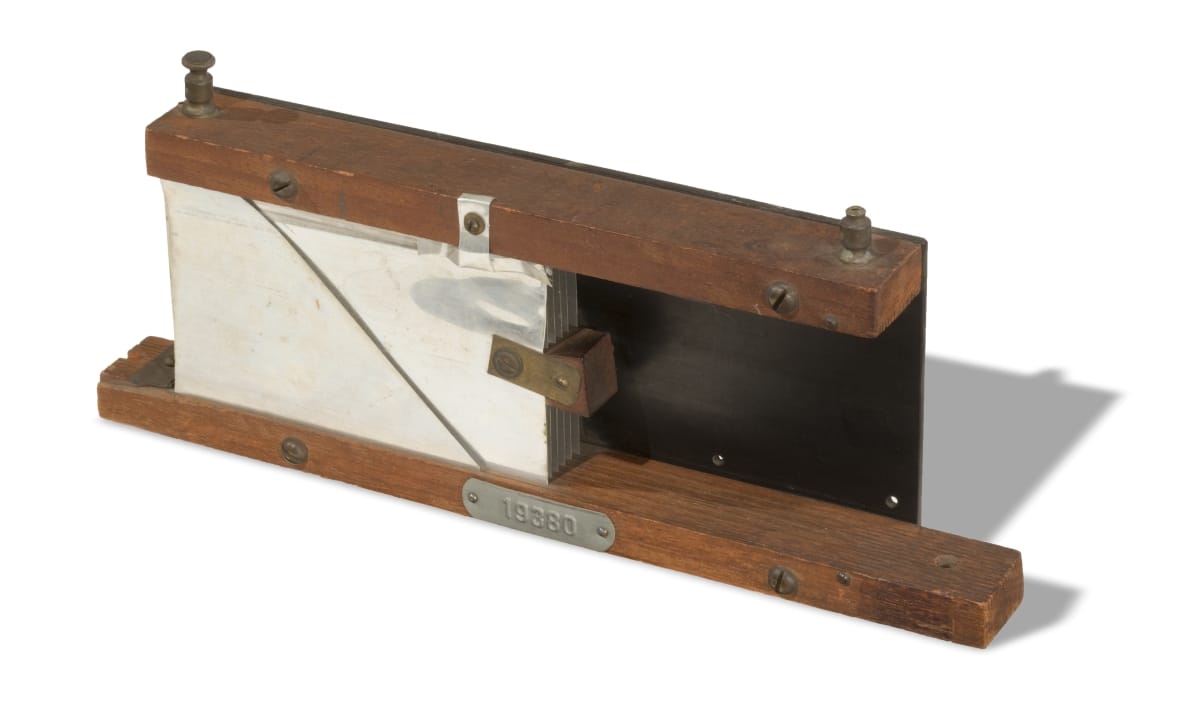 Artifact
Homemade Variable Condenser, Used by Charles Apgar, 1915
In 1915, amateur radio operator Charles Apgar detected coded messages being transmitted by German employees at Sayville Wireless Station, New Jersey. Apgar invented a device to capture these messages onto Edison wax cylinders--the earliest recordings of radio signals. National security was a major concern due to WWI, and Apgar's efforts convinced the U.S. government to seize the Sayville station.
03
Related Content
 Set
SetBreak. Repair. Repeat.
- 21 Artifacts
The Henry Ford's collections contain objects that have been broken, repaired, or created through improvisation. Some objects have been altered many times, while others have led multiple lives, or served multiple purposes. These objects solve very specific practical needs or share an artistic vision. Ultimately, the objects in this group are evidence of unscripted innovation and the messiness of creative problem-solving.