
"Fitzmaurice, von Huenefeld and Koehl," Dedicated to the Crew of the Bremen, 1928
THF298827 / "Fitzmaurice, von Huenefeld and Koehl," Dedicated to the Crew of the Bremen, 1928 / front cover
01
Artifact Overview
Irishman James Fitzmaurice and Germans Ehrenfried Gunther von Huenefeld and Hermann Kohl made the first successful nonstop east-to-west flight across the Atlantic Ocean. Their crossing, completed on April 12-13, 1928, against difficult prevailing winds, was made in the Junkers W33 airplane Bremen. The three men were celebrated in this song written by Jean Herbert and Al Koppell.
Artifact Details
Artifact
Sheet music
Date Made
1928
Subject Date
April 1928
Creators
Place of Creation
Creator Notes
Lyrics by Jean Herbert and music by Al Koppell. Copyright by Jack Mills, Inc., New York, and international copyright by Lawrence Wright Music Co. in London.
Collection Title
Location
Not on exhibit to the public.
Object ID
2018.134.11
Credit
From the Collections of The Henry Ford. Gift of Thomas Huenefeld.
Material
Paper (Fiber product)
Technique
Printing (Process)
Color
Green
Black-and-white (Colors)
Dimensions
Height: 12.125 in
Width: 9.188 in
Keywords |
|---|
02
Related Artifacts
 Artifact
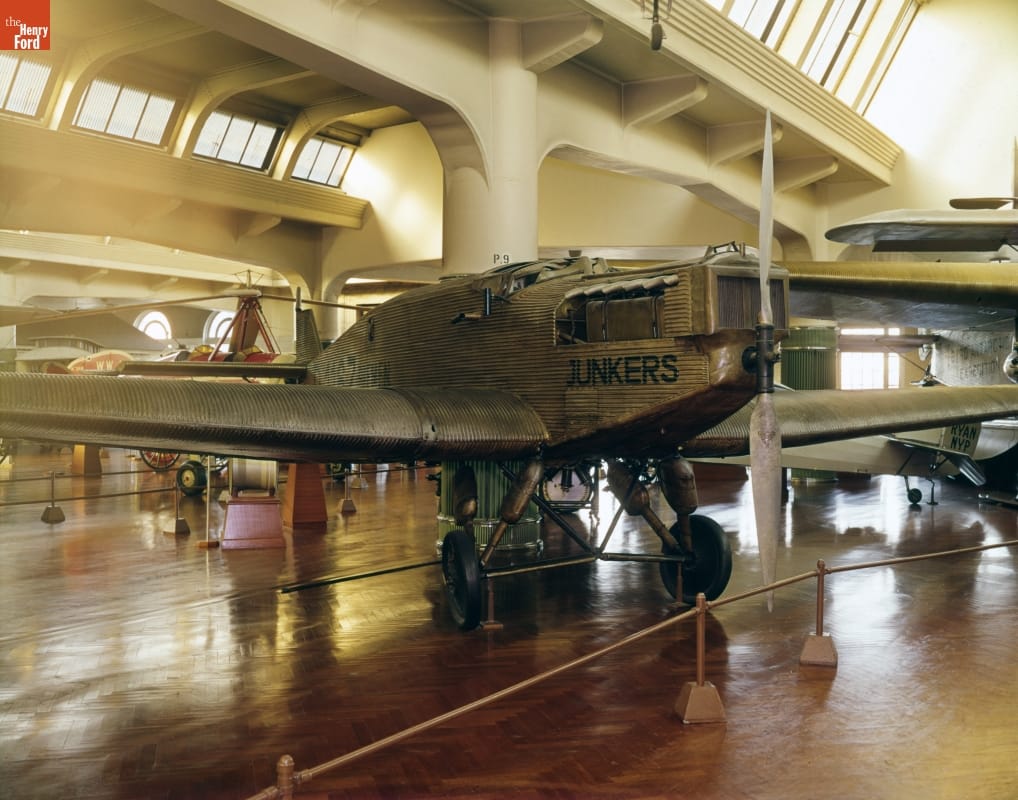
1928 Junkers W33 "Bremen" Airplane
The Bremen was the first aircraft to fly nonstop from Europe to North America. Hermann Kohl, Ehrenfried Guenther von Huenefeld, and James Fitzmaurice took off from Baldonnel, Ireland, on April 12, 1928, and touched down on Greenly Island, Canada, the next day. The east-to-west crossing, made against prevailing winds, was more difficult than a flight from North America to Europe.
03
Related Content
 Set
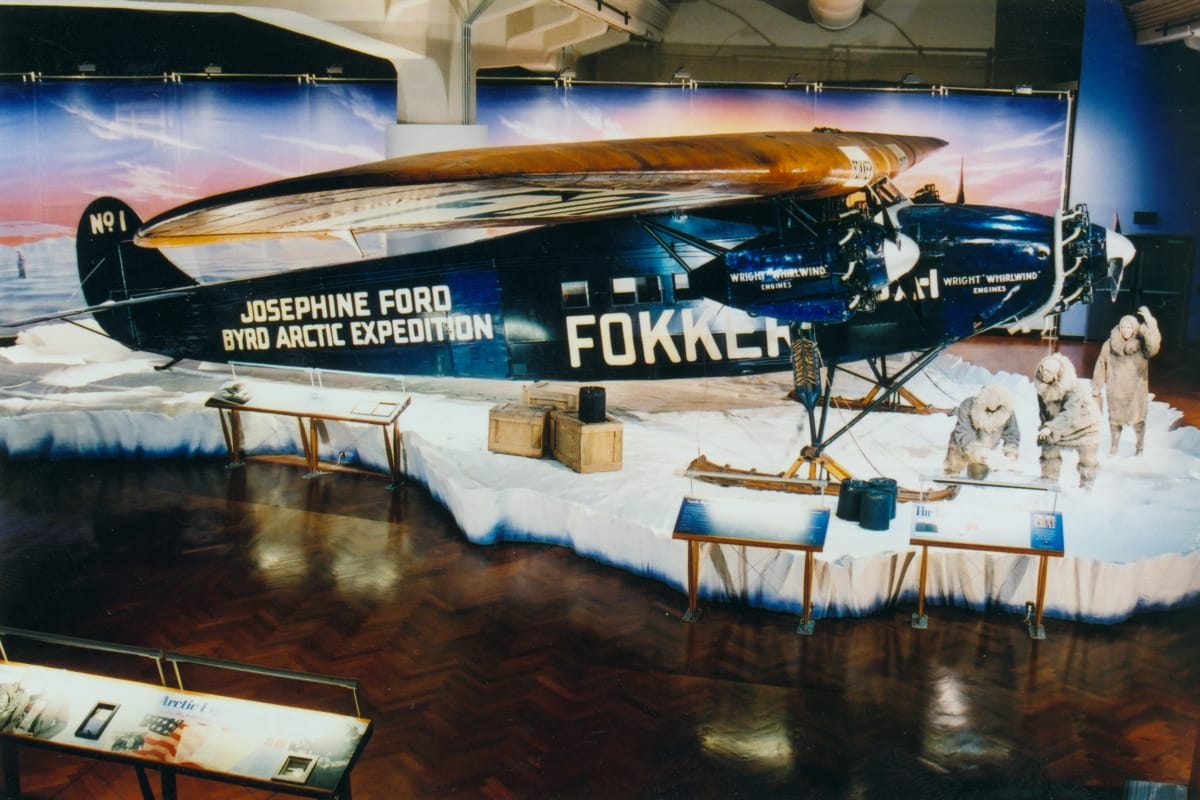
SetRichard Byrd’s North Pole Flight
- 25 Artifacts
On May 9, 1926, explorer Richard Byrd and pilot Floyd Bennett took off from Norway on a round-trip flight to the North Pole in their Fokker Tri-Motor airplane Josephine Ford. Though Byrd is generally credited with reaching the pole, controversy remains over whether he could have made the 1,350-mile journey in the 16 hours he and Bennett spent aloft. Whatever doubts remain today, Byrd was celebrated as a leading polar explorer of his time.