
Tintype Studio, Phoenixville Post Office and the Hearse Shed before Relocation during the Greenfield Village Restoration Project, September 2002
THF859 / Tintype Studio, Phoenixville Post Office and the Hearse Shed before Relocation during the Greenfield Village Restoration Project, September 2002
01
Artifact Overview
Artifact Details
Artifact
Digital photograph
Date Made
09 September 2002 - 11 September 2002
Subject Date
09 September 2002 - 11 September 2002
Collection Title
Location
By Request in the Benson Ford Research Center
Object ID
EI.1929.4278
Credit
From the Collections of The Henry Ford.
Color
Multicolored
Dimensions
Height: undefined in
Width: undefined in
Keywords |
|---|
02
Related Artifacts
 Artifact
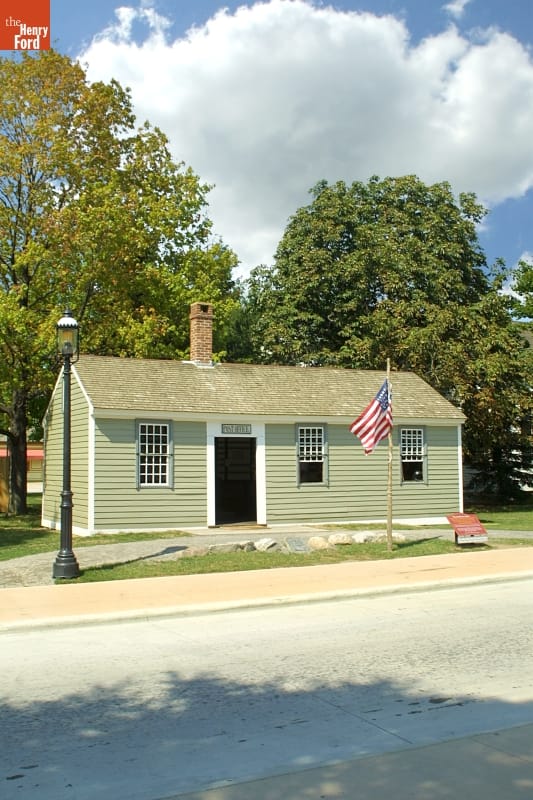
Phoenixville Post Office
The Phoenixville Post Office, built around 1825 in northeastern Connecticut, was always more than a post office. Under Lorenzo Bullard, who probably built the structure, it was a grocer's and apothecary shop. By 1850 it was the post office and community gathering place for this rural town. It sold stamps and stationery--and was the place to go to talk about local happenings.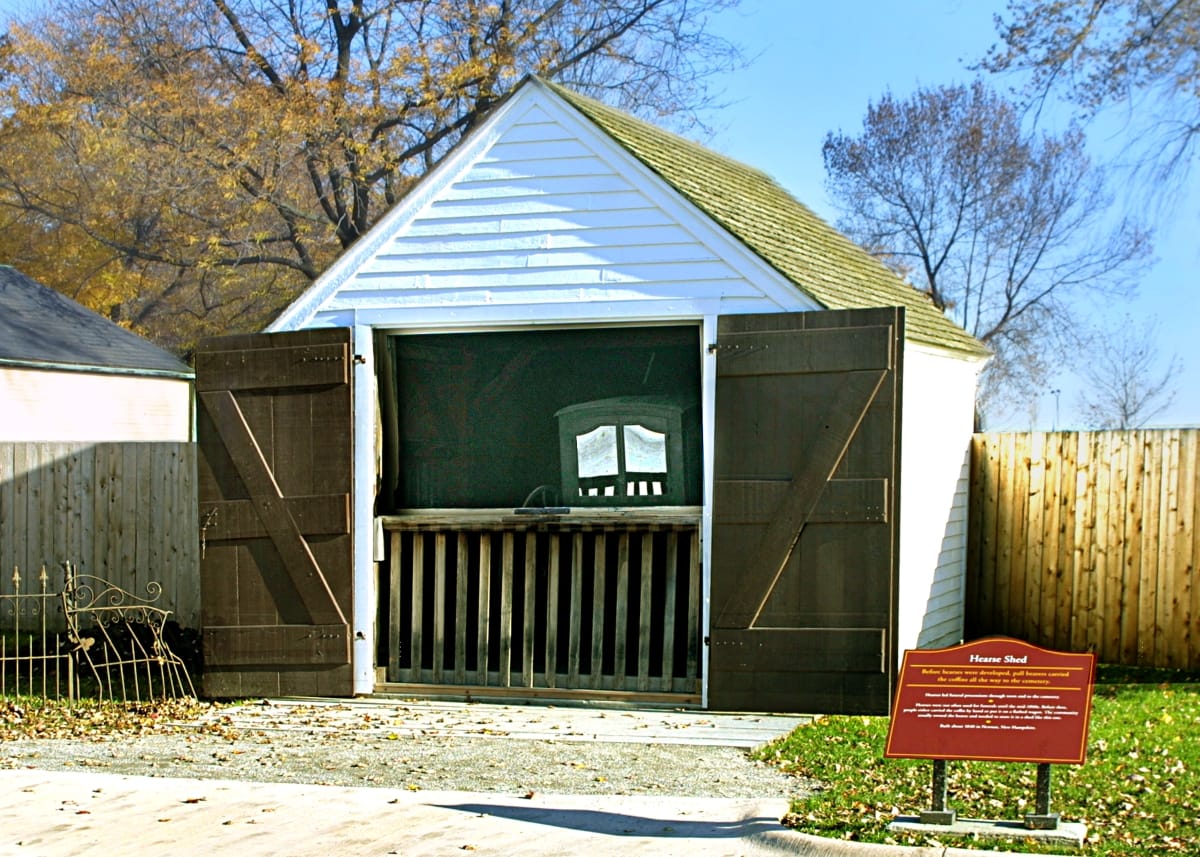 Artifact
Hearse Shed
This shed, originally built in Newton, New Hampshire, around 1850, was located near the local cemetery. Horse-drawn hearses, usually owned by the local community, were used to carry the coffin during funeral processions through town to the cemetery.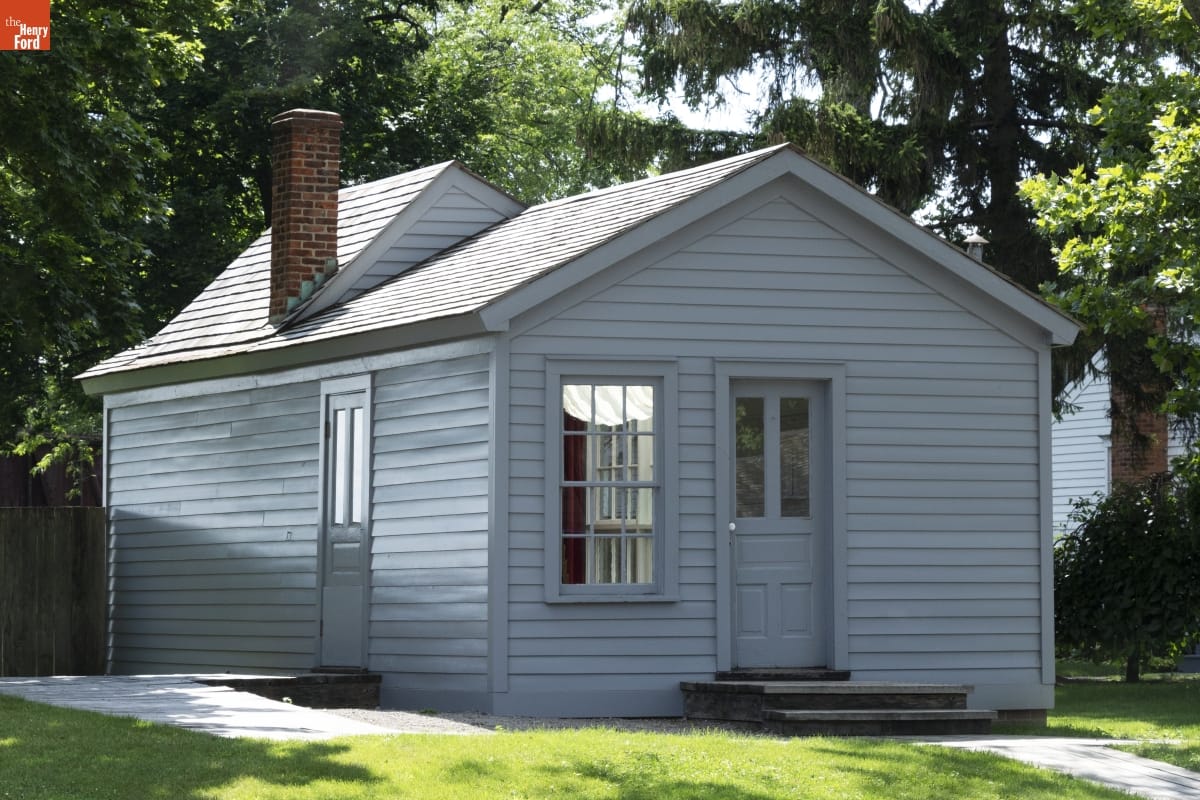 Artifact
Greenfield Village Tintype Studio
Tintypes were a popular type of mid-1800s "wet-plate" photography. This studio was built in 1929 in Greenfield Village and a tintypist and Ford Motor Company employee, Charles Tremear, was hired to create tintypes for Greenfield Village visitors. In this studio, in addition to Village visitors, Tremear made portraits of many celebrities, including Thomas Edison, Joe Louis and Walt Disney.
03
Related Content
 Set
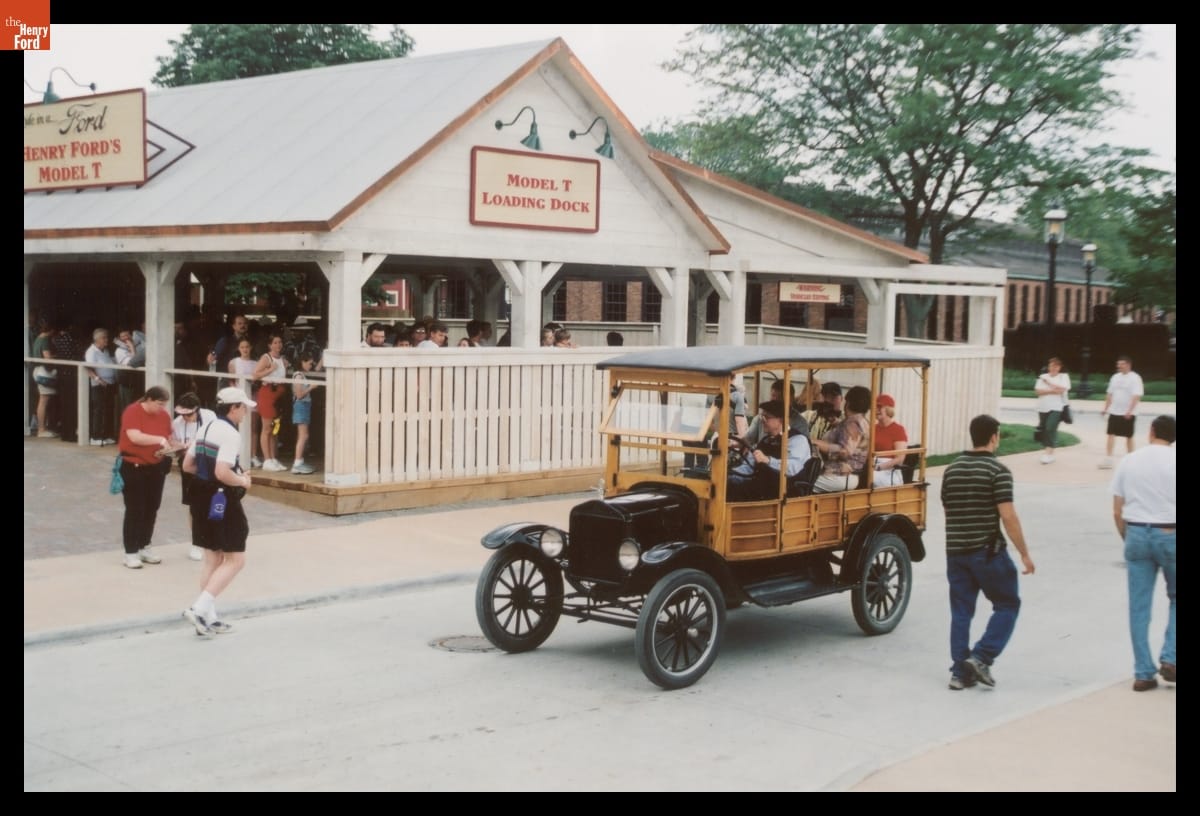
SetRestoring Greenfield Village 2003
- 13 Artifacts
Much of Greenfield Village looked quite different in 2002 from what you see today. The village was showing its age -- its crumbling infrastructure desperately needed repair. Yet replacing the underground systems also provided an opportunity to refresh and revise Greenfield Village itself. In September 2002, Greenfield Village closed to the public and restoration began. The transformed village reopened just nine months later.