
1927 LaSalle Roadster
THF90849 / 1927 LaSalle Roadster
01
Artifact Overview
In 1926, Alfred P. Sloan Jr., president of General Motors, sought a lower-priced companion to the Cadillac to fill out General Motors product line. He lured a custom designer named Harley Earl to Detroit for the project and the result was the 1927 LaSalle, the first mass-production car to be consciously "stylized." The stylish and affordable LaSalle marked the demise of individually designed and prohibitively expensive custom cars.
Artifact Details
Artifact
Automobile
Date Made
1927
Place of Creation
Creator Notes
Designed by Harley Earl and made by the Cadillac Motor Car Division of General Motors Corporation in Detroit, Michigan.
Location
at Henry Ford Museum in Driving America
Object ID
81.142.1
Credit
From the Collections of The Henry Ford.
Material
Canvas
Cloth
Leather
Metal
Nickel (Metal)
Plate (Material)
Rubber (Material)
Wood (Plant material)
Color
Black (Color)
Blue
Cream (Color)
Tan (Color)
Teal
Dimensions
Height: 68 in
Width: 74 in
Length: 186 in
Wheelbase: 125 in
Inscriptions
Between headlights and on running boards: LaS
Plate on PR side behind hood: BODY / by / FISHER
Hubs and rear light: LaSalle
Specifications
Make & Model: 1927 LaSalle roadster
Maker: General Motors Corporation, Detroit, Michigan
Engine: V-8, 303 cubic inches
Transmission: 3-speed manual
Height: 68 inches
Wheelbase: 125 inches
Width: 74 inches
Overall length: 185 inches
Weight: 3755 pounds
Horsepower: 75 at 3000 revolutions per minute
Pounds per horsepower: 50.1
Price: $2,525
Average 1927 wage: $1,380 per year
Time you'd work to buy this car: about 1 year, 10 months
Keywords |
|---|
02
Related Content
 Set
SetVehicle Viewer
- 99 Artifacts
Americans didn't invent the automobile, but we embraced it and quickly made it our own. Cars cruise through our music, movies, and dreams. They drive innovation and create frustration. They are objects of beauty and sources of blight. The vehicles in the "Driving America" exhibit reveal how the car reshaped our culture and landscape. The decisions we make now, individually and collectively, will define our automotive future. Set
SetAmerican Auto Industry, 1805-2010
- 21 Artifacts
This vehicle is the oldest surviving American automobile. In the 1860s, a small steam carriage running under its own power -- without horses! -- was so startling that people paid to see it driven. It was a curiosity, not transportation. By the time its inventor, Sylvester Roper, died in 1896, new innovators were transforming horseless carriages from curiosities into practical vehicles.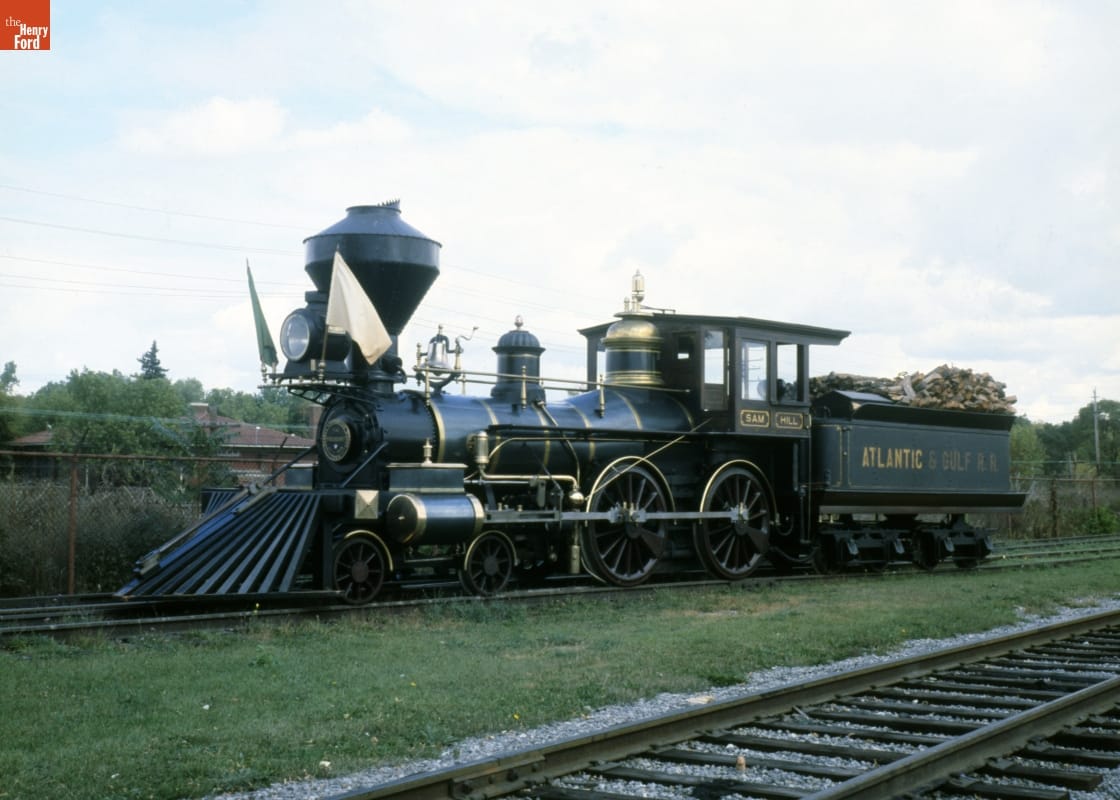 Set
SetMobility
- 49 Artifacts
This 1858 Rogers steam locomotive is typical of those used in the United States in the second half of the 19th century. Its flexible wheel arrangement, high power output, and light weight were well suited to the tight curves, steep grades, and hastily constructed track that characterized American railroads. This locomotive struck an agreeable balance between practicality, safety, and economy.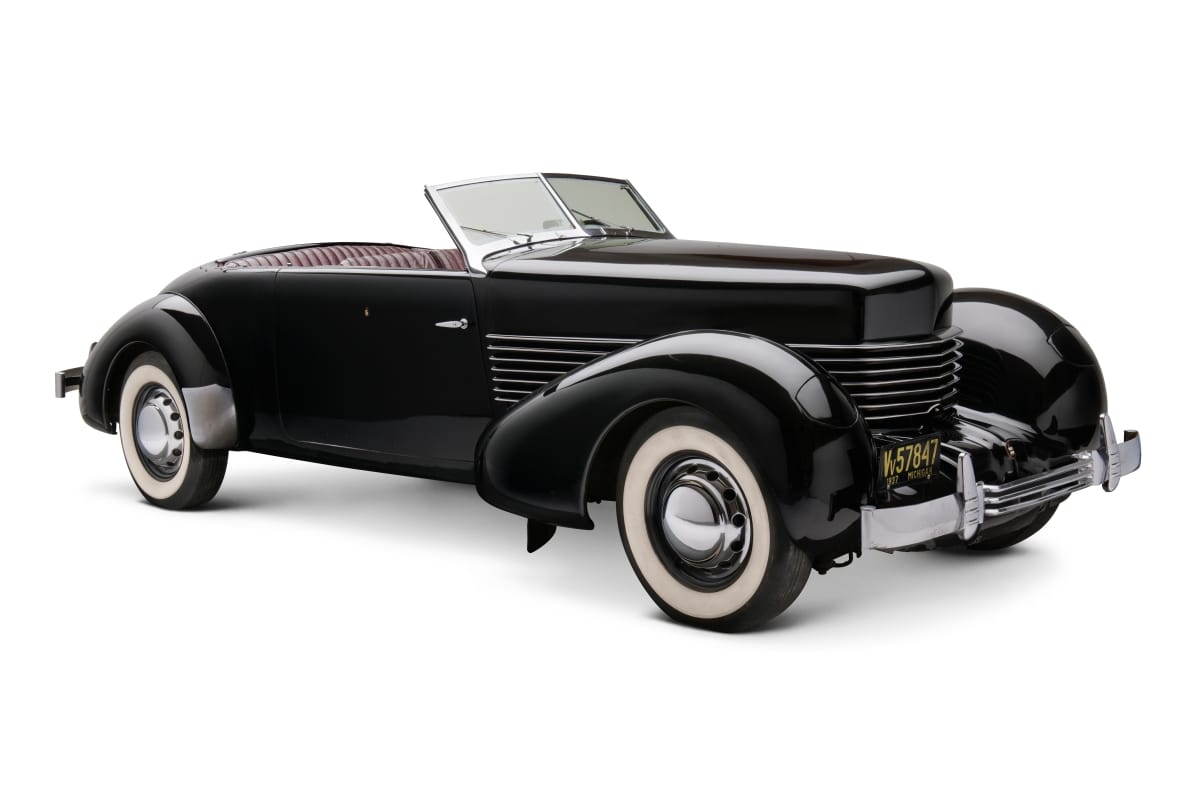 Set
SetLuxury Cars
- 18 Artifacts
Luxury cars offered the greatest in comfort and the latest in technology. They also provided status -- a large part of their attraction. Builders like Rolls-Royce specialized in extravagant cars with corresponding prices, while mass-market manufacturers like General Motors and Ford offered Cadillacs and Lincolns for customers of more modest means. Sport sedans and SUVs may have replaced carriage-inspired Victoria bodies, but luxury still sells.