
Search
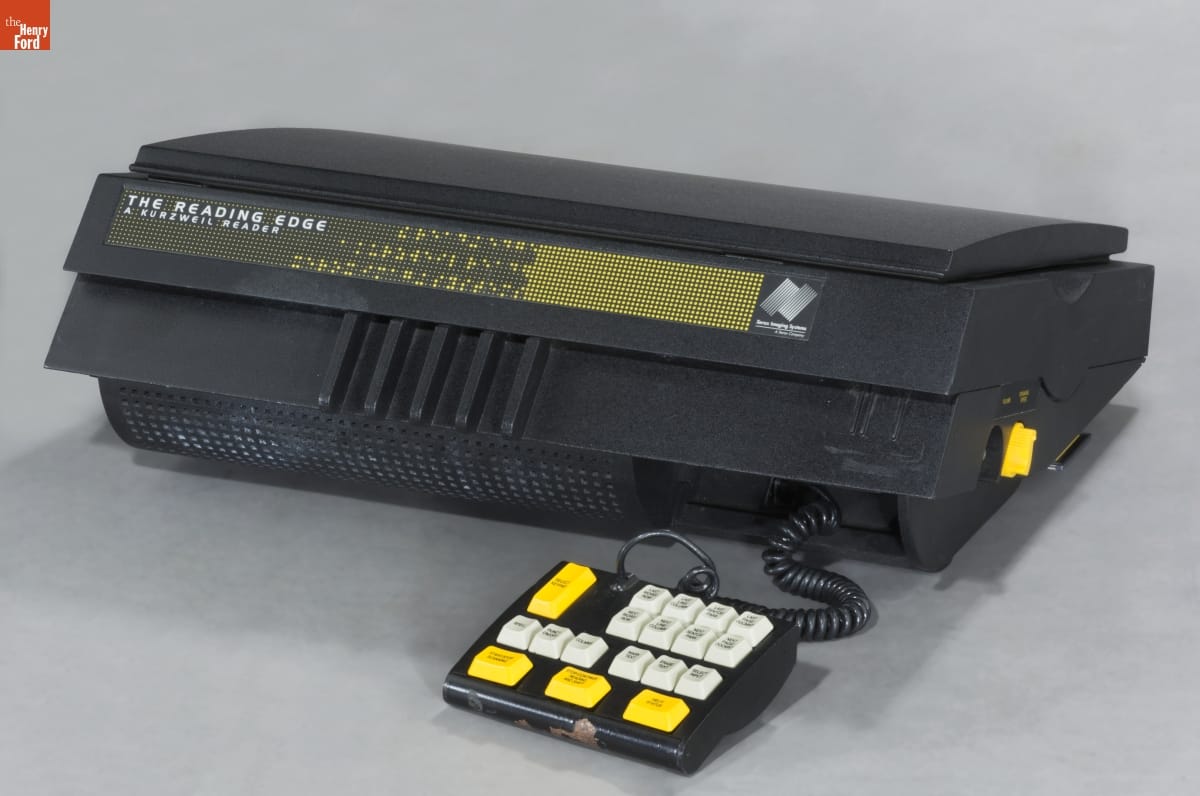
- Xerox "Kurzweil Reading Edge Optical Recognition Speech Synthesizer," 1992 - This assistive technology device was created for people who are blind or with visual impairments. Using text-to-speech synthesizer technology and optical character recognition, it can scan text from any kind of printed material and then read it out loud. This includes books, magazines, mail--even food packaging. Reading speed is adjustable and its memory can store 100 pages of text.
- 1992
- Collections - Artifact
Xerox "Kurzweil Reading Edge Optical Recognition Speech Synthesizer," 1992
This assistive technology device was created for people who are blind or with visual impairments. Using text-to-speech synthesizer technology and optical character recognition, it can scan text from any kind of printed material and then read it out loud. This includes books, magazines, mail--even food packaging. Reading speed is adjustable and its memory can store 100 pages of text.
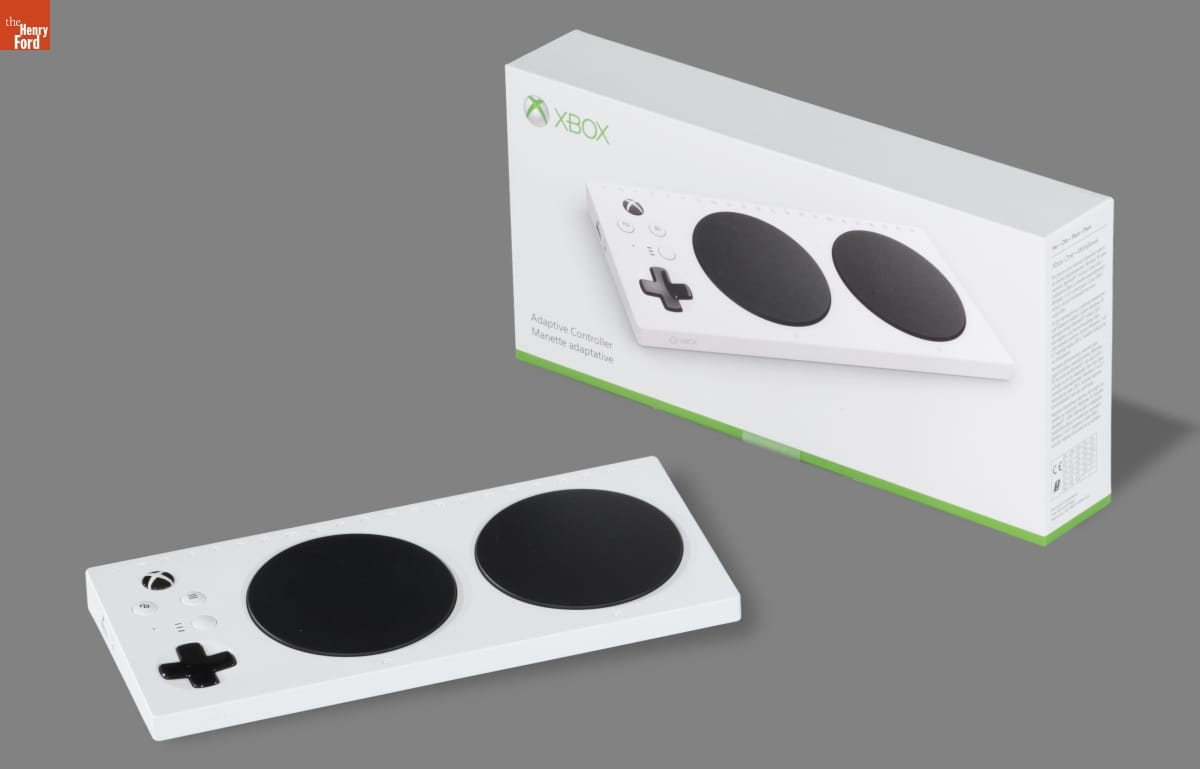
- Microsoft Xbox Adaptive Controller, 2018 - This video game controller was the first controller to be designed from the ground-up--by and for--gamers with disabilities and mobility challenges. Oversized buttons and triggers can be remapped to adapt to physical needs. Screw mounts on the bottom are used for attachment to wheelchairs. Output jacks allow further customization with foot switches, one-handed and mouth-controlled joysticks.
- 2018
- Collections - Artifact
Microsoft Xbox Adaptive Controller, 2018
This video game controller was the first controller to be designed from the ground-up--by and for--gamers with disabilities and mobility challenges. Oversized buttons and triggers can be remapped to adapt to physical needs. Screw mounts on the bottom are used for attachment to wheelchairs. Output jacks allow further customization with foot switches, one-handed and mouth-controlled joysticks.
- (Re)Building Technology V.2, 2016 -
- 2016
- Collections - Artifact
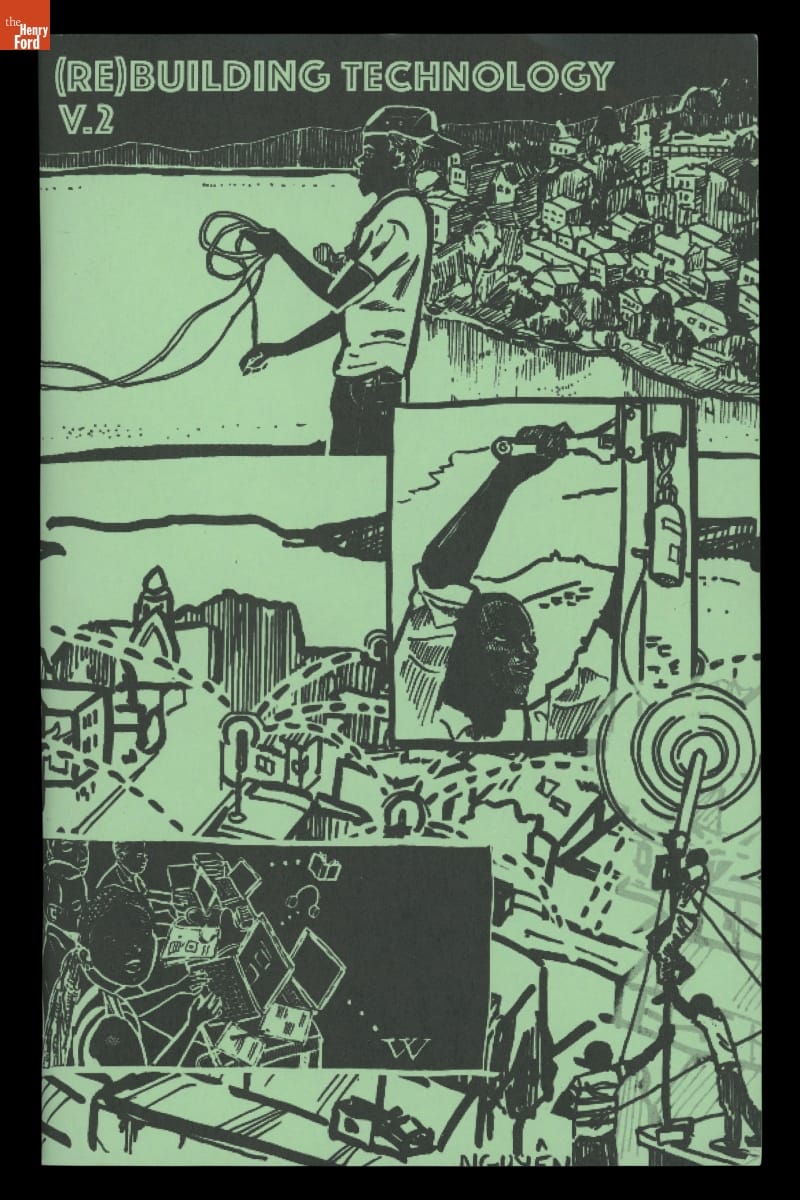
(Re)Building Technology V.2, 2016
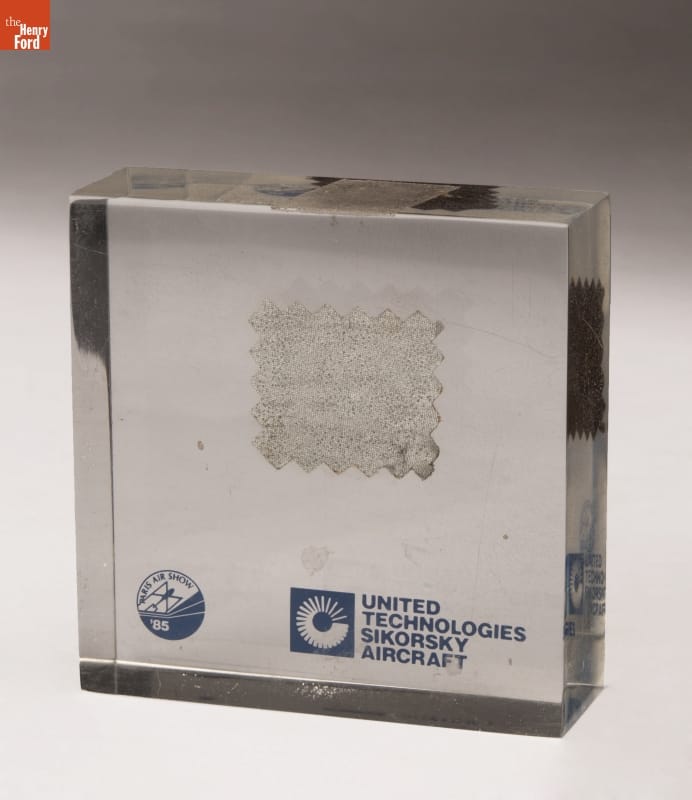
- United Technologies Sikorsky Aircraft Paperweight, 1985 - Igor Sikorsky's VS-300, built in 1939, was the first practical helicopter developed and flown in the United States. Sikorsky donated it to The Henry Ford in 1943. When the helicopter was refurbished by United Technologies Sikorsky Aircraft in 1984, pieces of its original fabric covering were mounted into commemorative paperweights -- symbolic tributes to the VS-300's technological significance.
- 1985
- Collections - Artifact
United Technologies Sikorsky Aircraft Paperweight, 1985
Igor Sikorsky's VS-300, built in 1939, was the first practical helicopter developed and flown in the United States. Sikorsky donated it to The Henry Ford in 1943. When the helicopter was refurbished by United Technologies Sikorsky Aircraft in 1984, pieces of its original fabric covering were mounted into commemorative paperweights -- symbolic tributes to the VS-300's technological significance.
- Teaching Community Technology Handbook, 2015 -
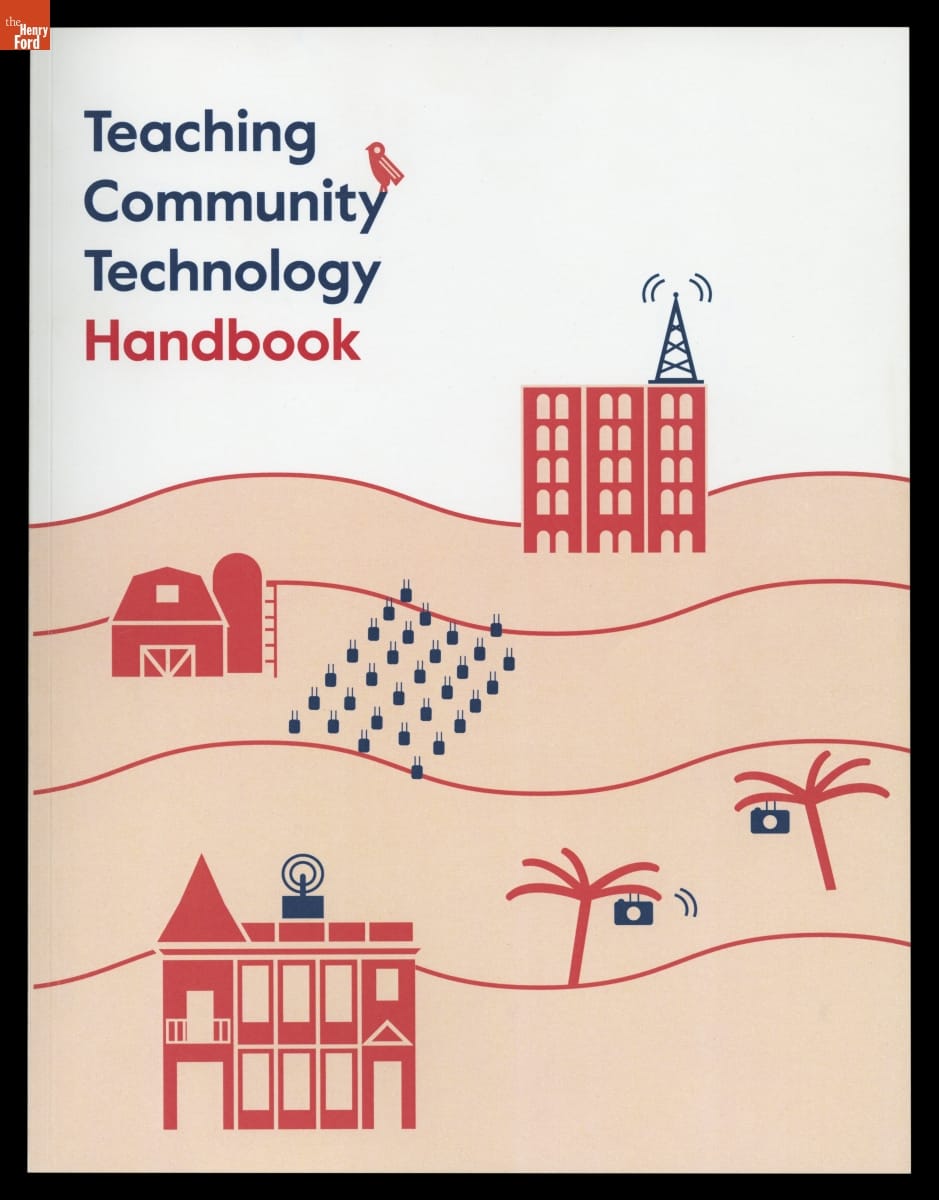
- 2015
- Collections - Artifact
Teaching Community Technology Handbook, 2015
- Creative Technology "Creative Nomad Jukebox," 2000 -
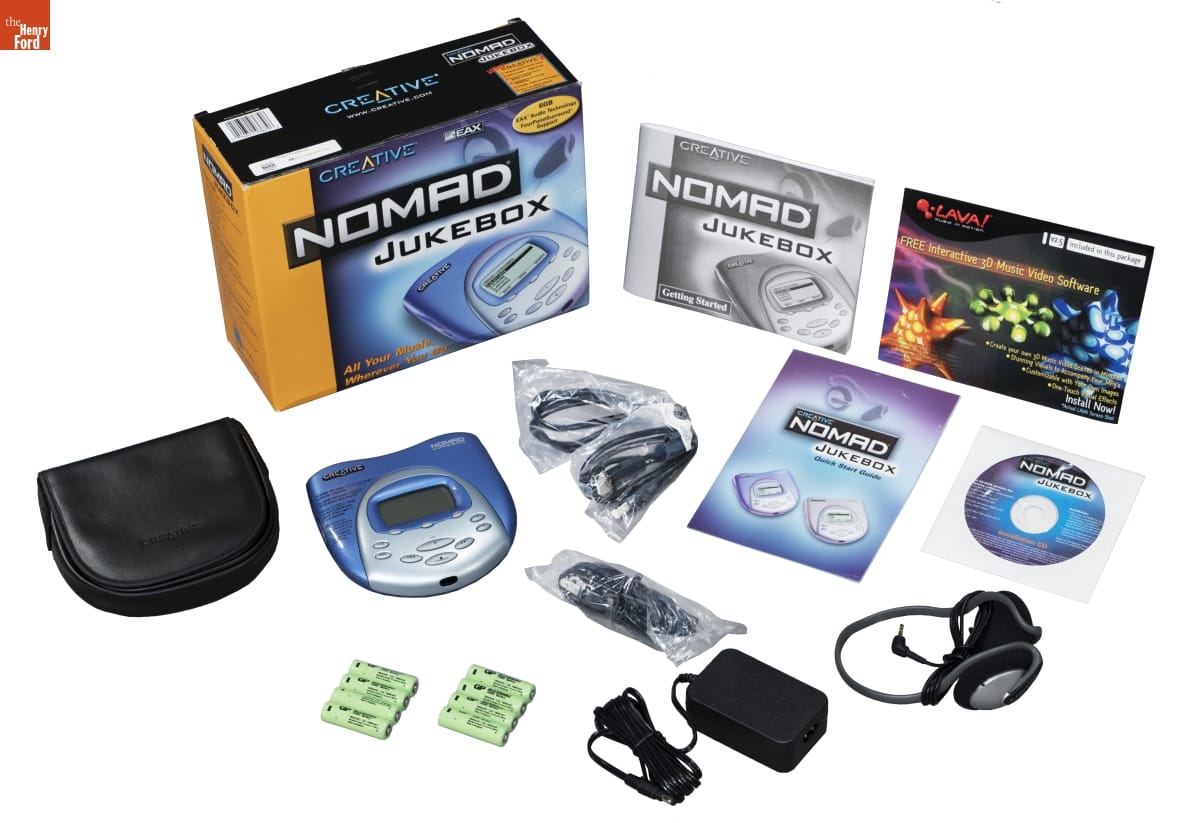
- 2000
- Collections - Artifact
Creative Technology "Creative Nomad Jukebox," 2000
- The Young Gardener's Assistant, 1840 -
- 1840
- Collections - Artifact
The Young Gardener's Assistant, 1840
- :CueCat Keystroke Automation Technology Barcode Reader, 2000 -
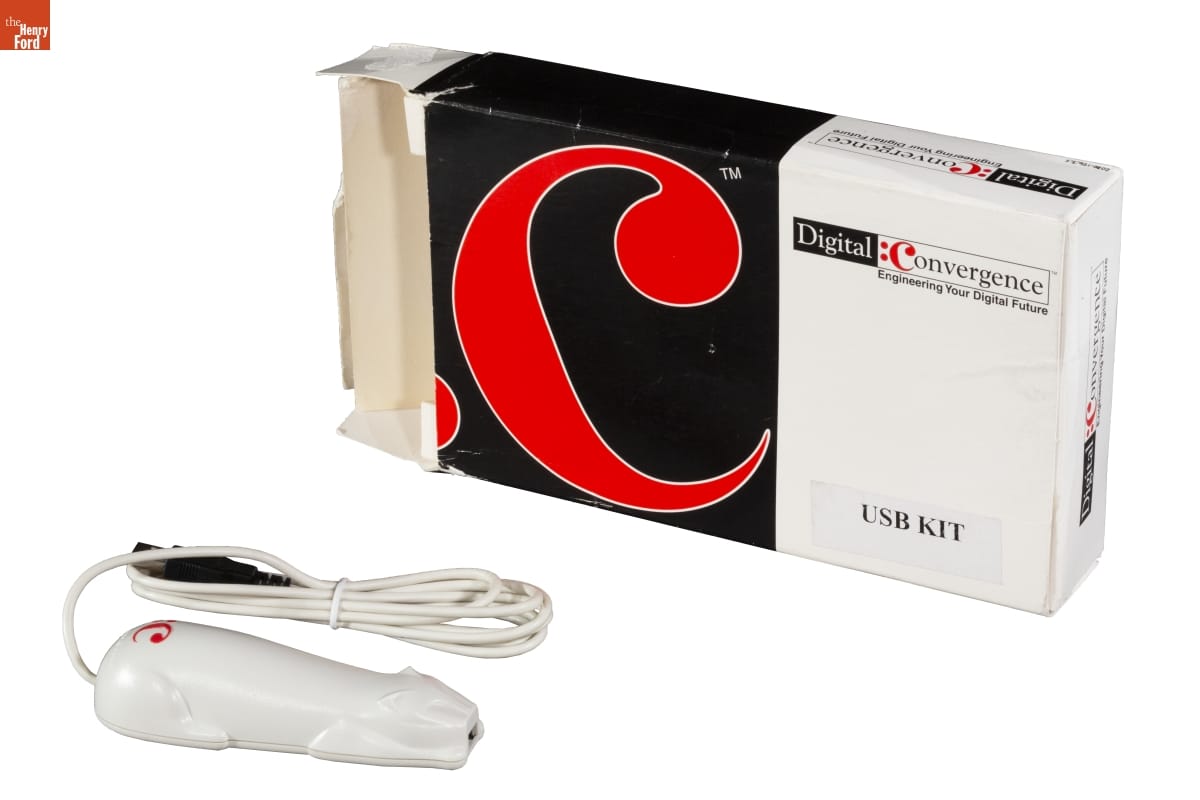
- 2000
- Collections - Artifact
:CueCat Keystroke Automation Technology Barcode Reader, 2000
- Unisys Employee Assistance Associates, March 1991 -
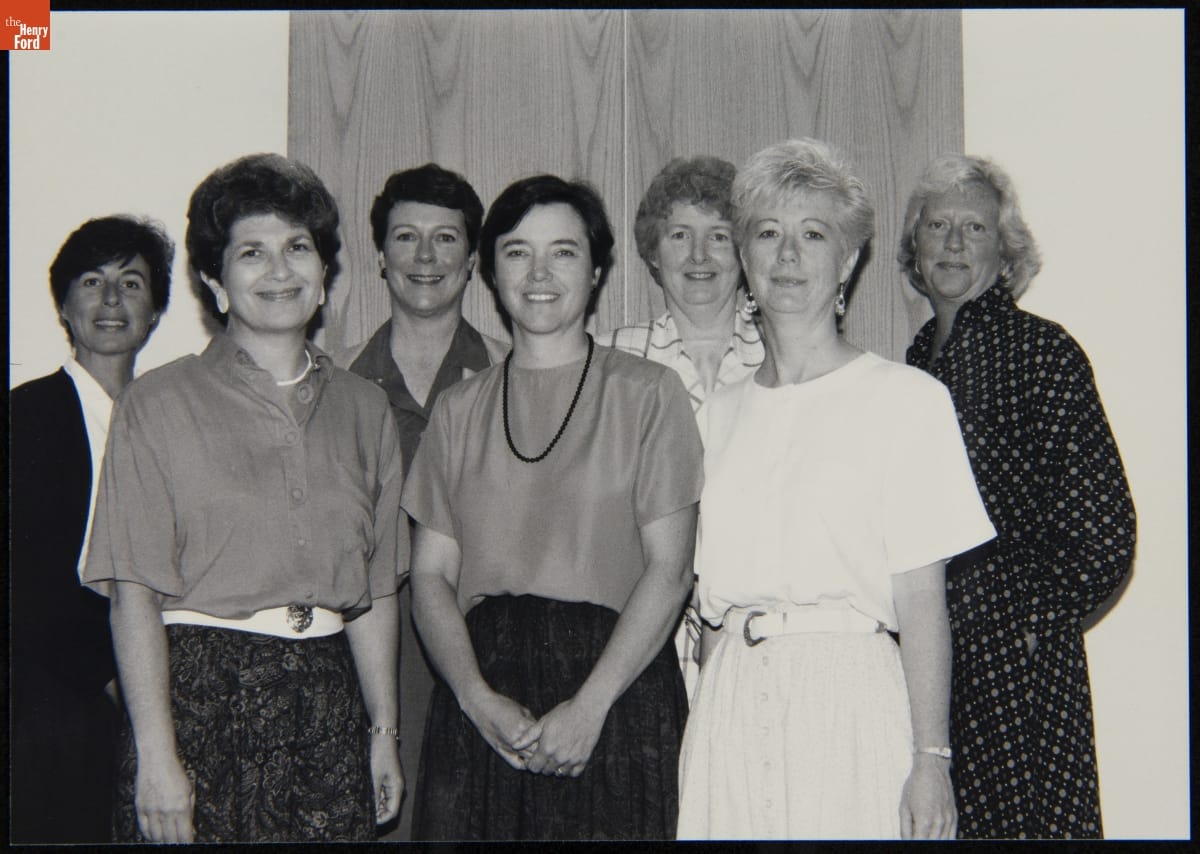
- March 01, 1991
- Collections - Artifact
Unisys Employee Assistance Associates, March 1991
- A Technological Assist - Assistive technology refers to a wide range of products designed to help people work around a variety of challenges as they learn, work, and perform other daily living activities.

- October 03, 2019
- Collections - article
A Technological Assist
Assistive technology refers to a wide range of products designed to help people work around a variety of challenges as they learn, work, and perform other daily living activities.