
Search
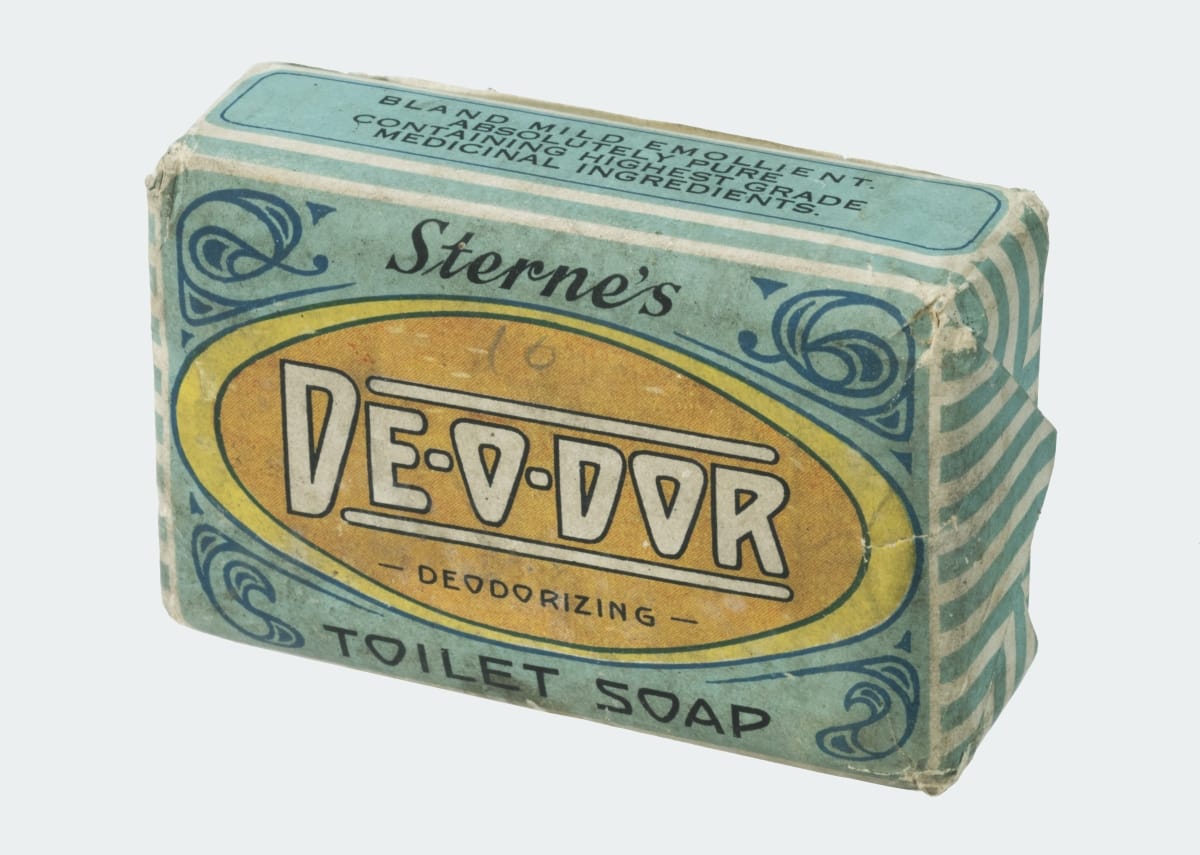
- Sterne's Deodorizing Toilet Soap, 1900-1915 - The Art Nouveau style reached its peak of popularity in 1900, but American manufacturers used echoes of it in products and product packaging into the 1910s. The Art Nouveau design of the label for this everyday product -- a bar of soap -- would have appealed to many middle-class consumers.
- 1900-1915
- Collections - Artifact
Sterne's Deodorizing Toilet Soap, 1900-1915
The Art Nouveau style reached its peak of popularity in 1900, but American manufacturers used echoes of it in products and product packaging into the 1910s. The Art Nouveau design of the label for this everyday product -- a bar of soap -- would have appealed to many middle-class consumers.
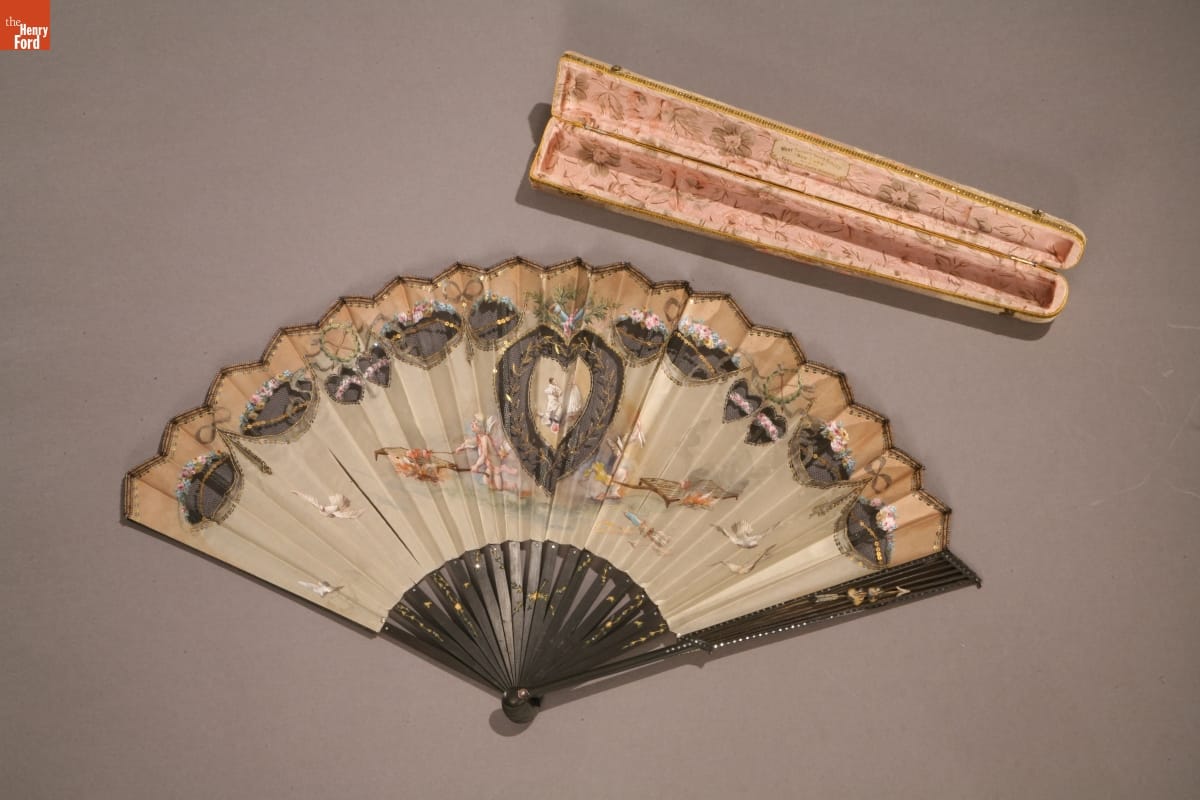
- Stern Brothers Fan, 1895-1900 -
- 1895-1900
- Collections - Artifact
Stern Brothers Fan, 1895-1900
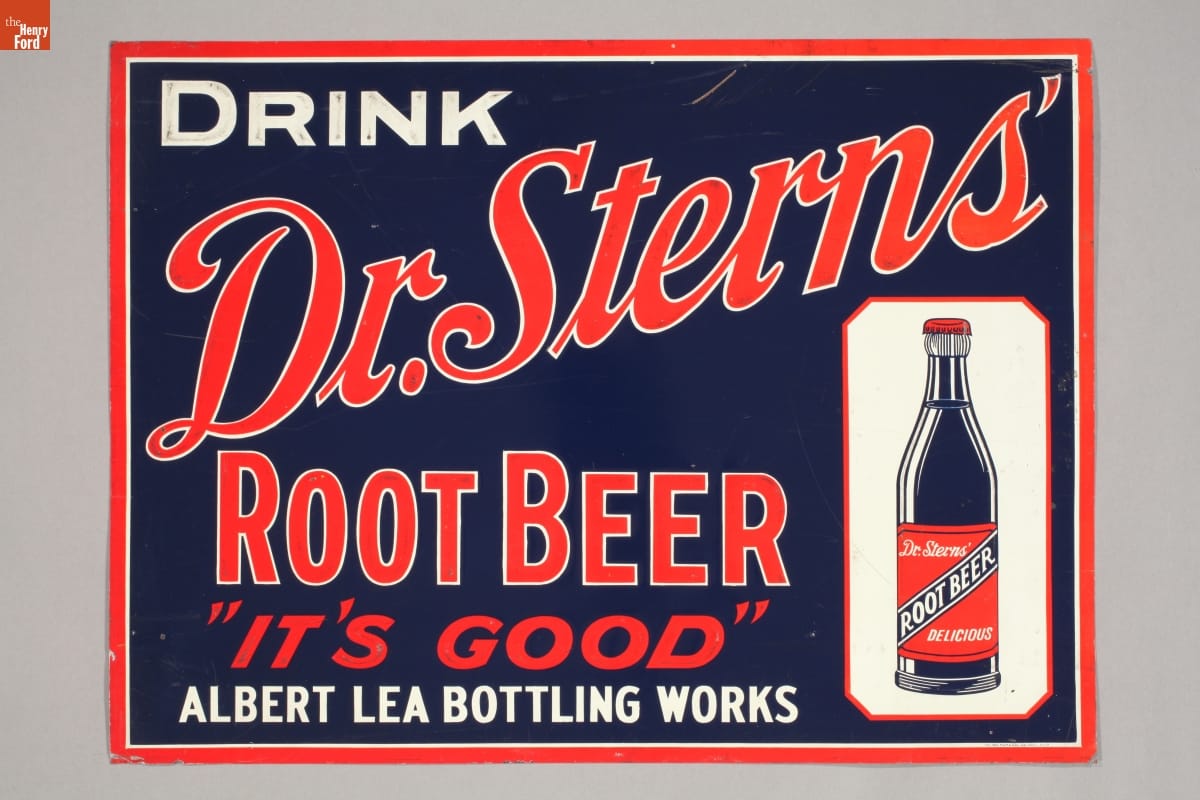
- Dr. Sterns' Root Beer Sign, circa 1935 - Before the days of national brands, locally-made products were advertised in community newspapers, through free giveaways, and by signs like this one -- that were affixed to the front and side walls of stores. The Mathews Company of Detroit, who produced this sign, specialized in the production of metal signs that advertised local products like Dr. Sterns' Root Beer, based in Albert Lea, Minnesota.
- circa 1935
- Collections - Artifact
Dr. Sterns' Root Beer Sign, circa 1935
Before the days of national brands, locally-made products were advertised in community newspapers, through free giveaways, and by signs like this one -- that were affixed to the front and side walls of stores. The Mathews Company of Detroit, who produced this sign, specialized in the production of metal signs that advertised local products like Dr. Sterns' Root Beer, based in Albert Lea, Minnesota.
- Get Smart About Fickle Fashion - An artist and wearable electronics designer discusses the increasingly blurred line between fashion and technology and explores the rise of DIY wearables.

- January 01, 2014
- Collections - article
Get Smart About Fickle Fashion
An artist and wearable electronics designer discusses the increasingly blurred line between fashion and technology and explores the rise of DIY wearables.
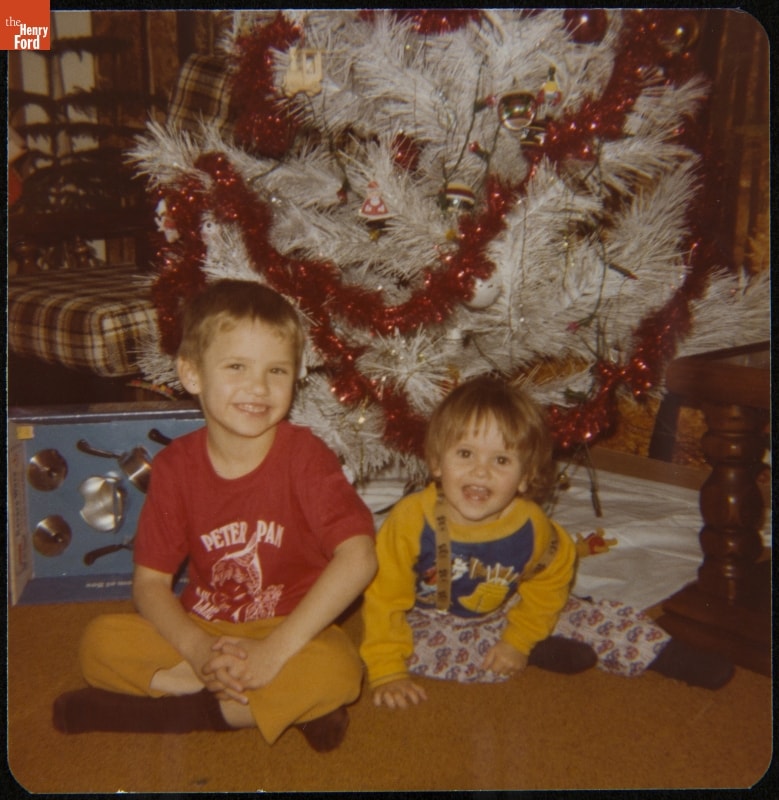
- Keith and Becky Sled at Christmas, Simcoe, Ontario, 1978 -
- December 16, 1978
- Collections - Artifact
Keith and Becky Sled at Christmas, Simcoe, Ontario, 1978
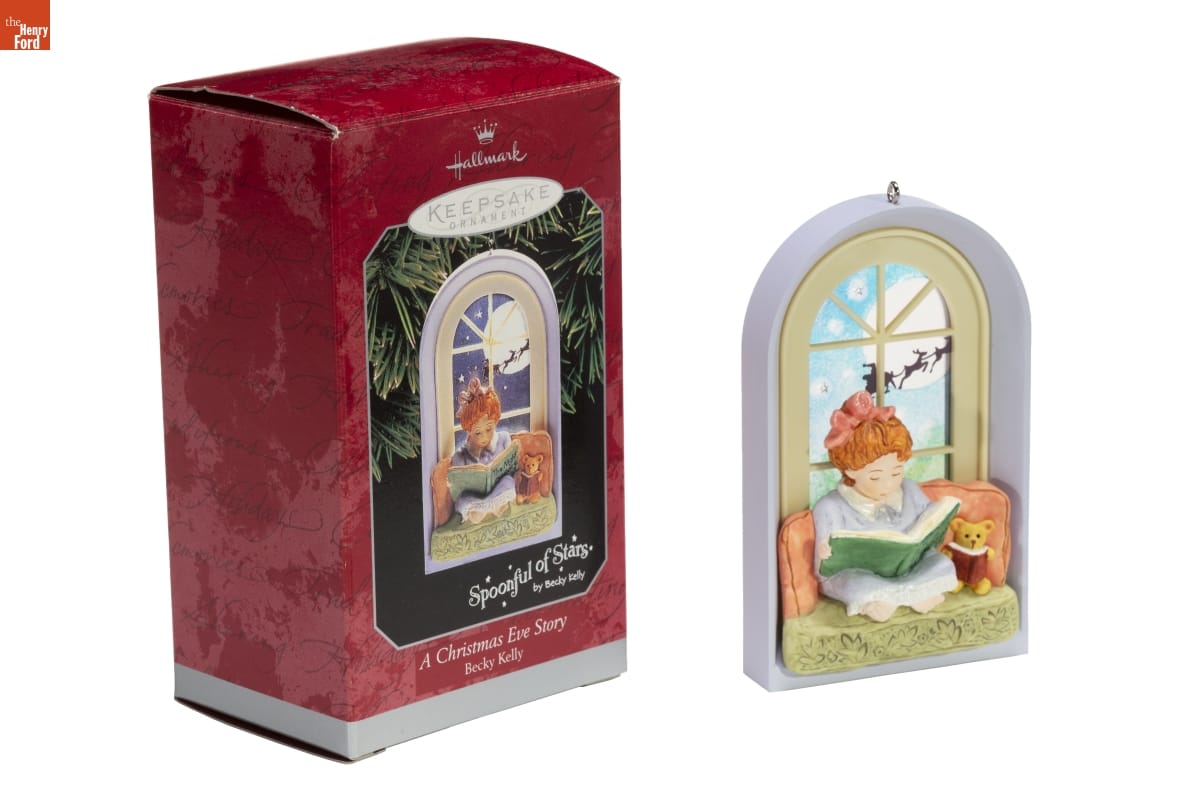
- Hallmark "A Christmas Eve Story: Becky Kelly" Christmas Ornament, 1998 - Already known for greeting cards, Hallmark introduced a line of Christmas ornaments in 1973. The company's annual release of an increasing array of ornaments revolutionized Christmas decorating, appealing to customers' interest in marking memories and milestones as well as expressing one's personality and unique tastes.
- 1998
- Collections - Artifact
Hallmark "A Christmas Eve Story: Becky Kelly" Christmas Ornament, 1998
Already known for greeting cards, Hallmark introduced a line of Christmas ornaments in 1973. The company's annual release of an increasing array of ornaments revolutionized Christmas decorating, appealing to customers' interest in marking memories and milestones as well as expressing one's personality and unique tastes.
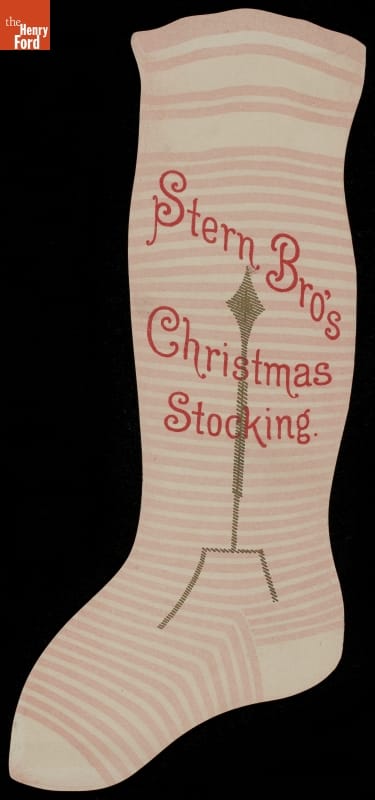
- Trade Card for Ladies' Goods, Stern Brothers, 1870-1900 - In the last third of the nineteenth century, an unprecedented variety of consumer goods and services flooded the American market. Advertisers bombarded potential customers with trade cards. Americans enjoyed and saved the often illustrated little advertisements found in product packages or distributed by local merchants. Many survive as historical records of commercialism in the United States.
- 1870-1900
- Collections - Artifact
Trade Card for Ladies' Goods, Stern Brothers, 1870-1900
In the last third of the nineteenth century, an unprecedented variety of consumer goods and services flooded the American market. Advertisers bombarded potential customers with trade cards. Americans enjoyed and saved the often illustrated little advertisements found in product packages or distributed by local merchants. Many survive as historical records of commercialism in the United States.
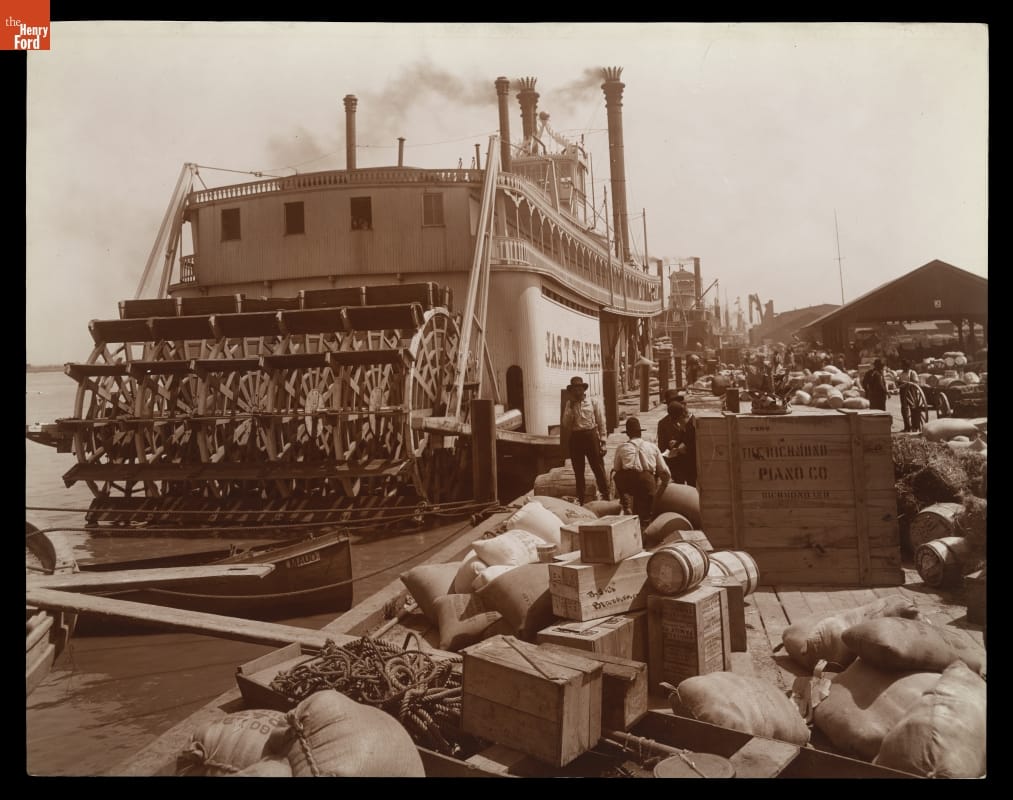
- Loading Package Freight on Stern-Wheeler "Jas. T. Staples," Mobile, Alabama, circa 1910 - From 1895 to 1924, the Detroit Publishing Company was one of the major image publishers in the world. The company had a wide-ranging stock of original photographs, including many scenes from across North America. Here, the steamer <EM>James T. Staples</EM> takes on sacks, boxes, kegs, and crates of freight (including a piano, right) at a busy wharf.
- circa 1910
- Collections - Artifact
Loading Package Freight on Stern-Wheeler "Jas. T. Staples," Mobile, Alabama, circa 1910
From 1895 to 1924, the Detroit Publishing Company was one of the major image publishers in the world. The company had a wide-ranging stock of original photographs, including many scenes from across North America. Here, the steamer James T. Staples takes on sacks, boxes, kegs, and crates of freight (including a piano, right) at a busy wharf.
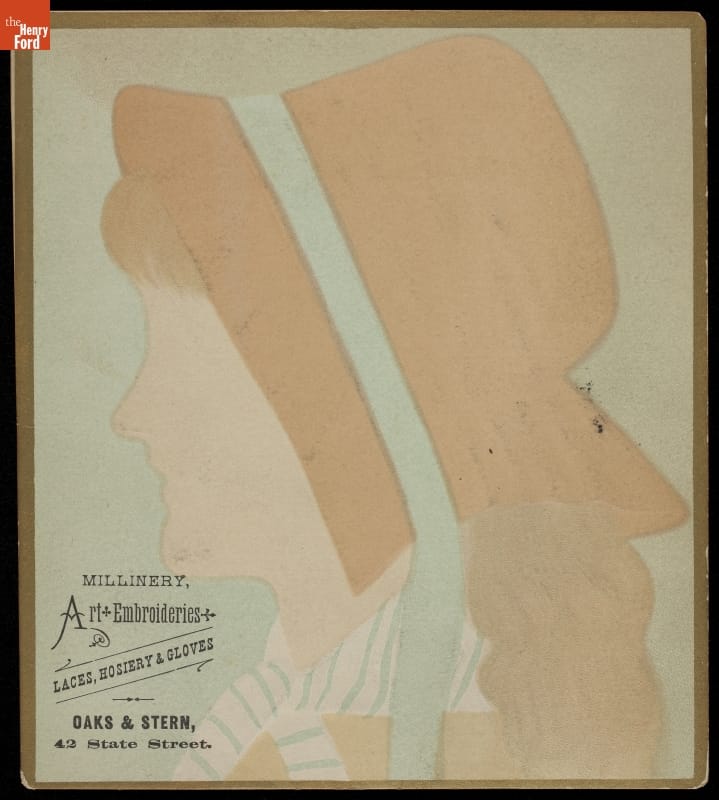
- Trade Card for Millinery and Fancy Goods, Oaks & Stern, 1876-1900 - In the last third of the nineteenth century, an unprecedented variety of consumer goods and services flooded the American market. Advertisers, armed with new methods of color printing, bombarded potential customers with trade cards. Americans enjoyed and often saved the vibrant little advertisements found in product packages or distributed by local merchants. Many survive as historical records of commercialism in the United States.
- 1876-1900
- Collections - Artifact
Trade Card for Millinery and Fancy Goods, Oaks & Stern, 1876-1900
In the last third of the nineteenth century, an unprecedented variety of consumer goods and services flooded the American market. Advertisers, armed with new methods of color printing, bombarded potential customers with trade cards. Americans enjoyed and often saved the vibrant little advertisements found in product packages or distributed by local merchants. Many survive as historical records of commercialism in the United States.
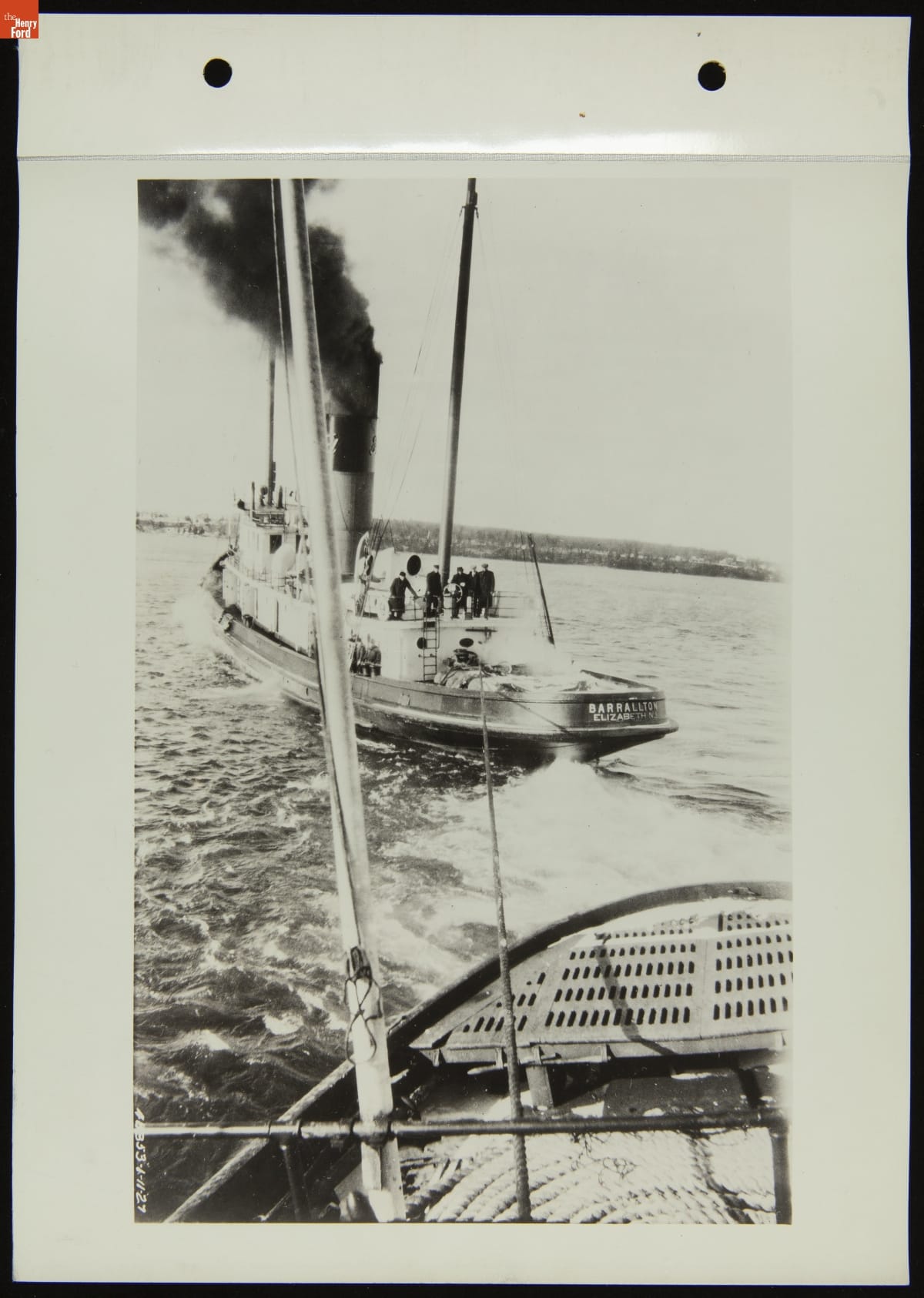
- Stern of Ford Tugboat "Barrallton" Towing Salvage Ship, January 11, 1927 - Henry Ford purchased 199 surplus World War I merchant ships from the United States government in 1925. Many of these ships were scrapped at Ford's River Rouge Plant. The rest operated as part of a fleet of vessels transporting products and materials as part of Ford's operation. Tugboats, like the <em>Barrallton</em>, initially guided ships to Ford's scrapping facilities or towed barges around the Great Lakes.
- January 11, 1927
- Collections - Artifact
Stern of Ford Tugboat "Barrallton" Towing Salvage Ship, January 11, 1927
Henry Ford purchased 199 surplus World War I merchant ships from the United States government in 1925. Many of these ships were scrapped at Ford's River Rouge Plant. The rest operated as part of a fleet of vessels transporting products and materials as part of Ford's operation. Tugboats, like the Barrallton, initially guided ships to Ford's scrapping facilities or towed barges around the Great Lakes.