
Search
- Central Avenue, Belle Isle Park, Detroit, Michigan - Belle Isle is the largest municipal island park in the United States. Fredrick Law Olmsted, the father of landscape architecture, designed portions of the park. The City of Detroit opened Belle Isle to the public in 1880; over 260,000 people visited the park in the summer of 1882, proving its immediate popularity. It has remained among Michigan's most visited parks.
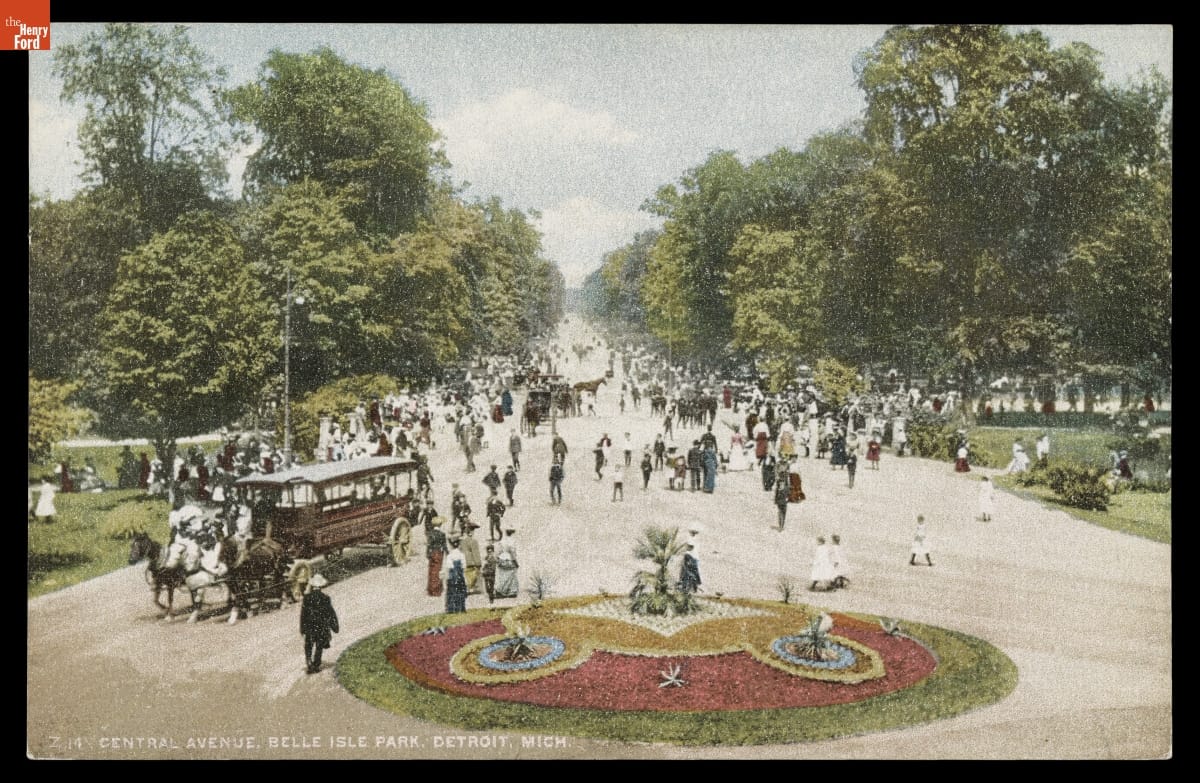
- 1903
- Collections - Artifact
Central Avenue, Belle Isle Park, Detroit, Michigan
Belle Isle is the largest municipal island park in the United States. Fredrick Law Olmsted, the father of landscape architecture, designed portions of the park. The City of Detroit opened Belle Isle to the public in 1880; over 260,000 people visited the park in the summer of 1882, proving its immediate popularity. It has remained among Michigan's most visited parks.
- Central Avenue, Belle Isle Park, Detroit, Michigan, 1905 - Belle Isle is the largest municipal island park in the United States. Fredrick Law Olmsted, the father of landscape architecture, designed portions of the park. The City of Detroit opened Belle Isle to the public in 1880; over 260,000 people visited the park in the summer of 1882, proving its immediate popularity. It has remained among Michigan's most visited parks.
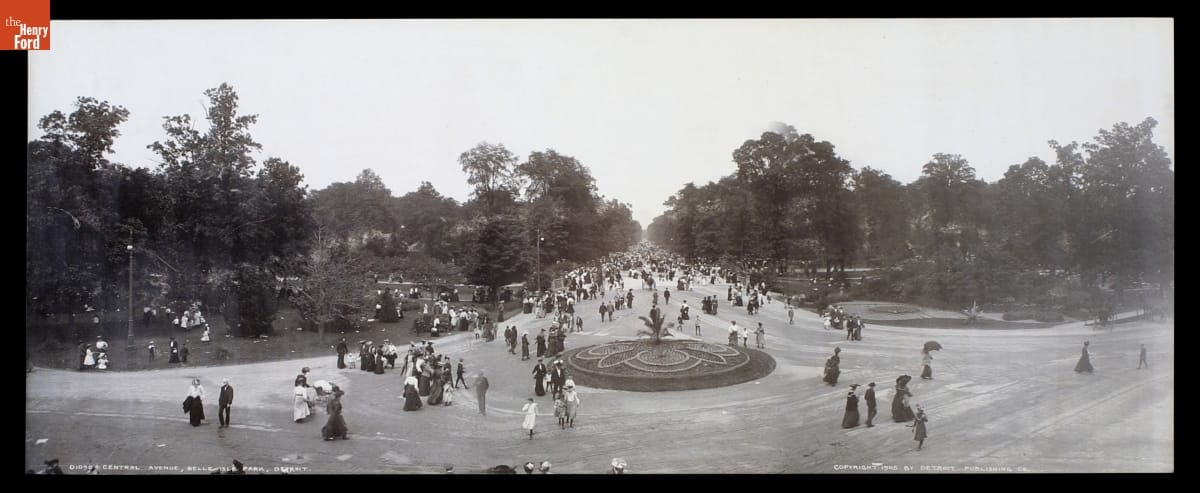
- 1905
- Collections - Artifact
Central Avenue, Belle Isle Park, Detroit, Michigan, 1905
Belle Isle is the largest municipal island park in the United States. Fredrick Law Olmsted, the father of landscape architecture, designed portions of the park. The City of Detroit opened Belle Isle to the public in 1880; over 260,000 people visited the park in the summer of 1882, proving its immediate popularity. It has remained among Michigan's most visited parks.
- Lewis Miller's "Guide to Central Park" - An art historian shares Lewis Miller's "Guide to Central Park" sketchbook, containing Civil War-era watercolor drawings of New York's famed landmark.

- August 23, 2013
- Collections - article
Lewis Miller's "Guide to Central Park"
An art historian shares Lewis Miller's "Guide to Central Park" sketchbook, containing Civil War-era watercolor drawings of New York's famed landmark.
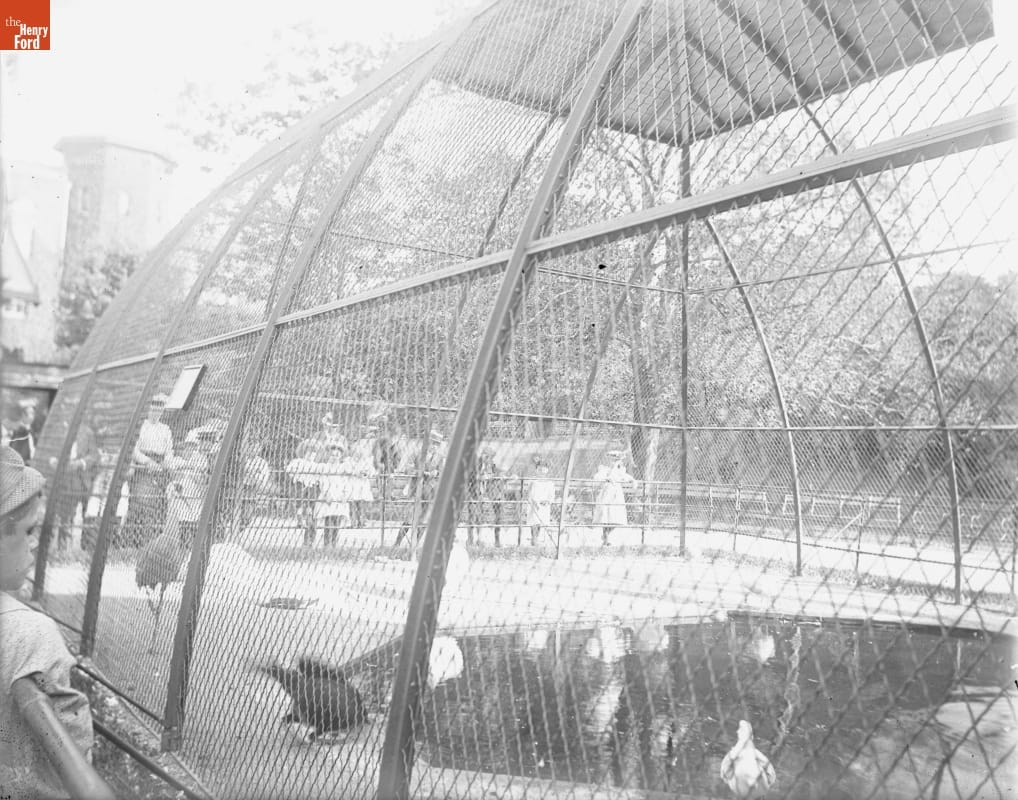
- Pigeon House in Central Park, New York City, 1890-1915 - In 1890, Jenny Young Chandler, 25 years old and recently widowed, began working for the <EM>New York Herald</EM>. As a photojournalist and feature writer, Chandler captured life in Brooklyn, New York, and vicinity. By 1922, the time of her death, she had produced over 800 glass plate negatives. Her sensitive, insightful photographs depict people from all walks of life and the world in which they lived.
- 1890-1915
- Collections - Artifact
Pigeon House in Central Park, New York City, 1890-1915
In 1890, Jenny Young Chandler, 25 years old and recently widowed, began working for the New York Herald. As a photojournalist and feature writer, Chandler captured life in Brooklyn, New York, and vicinity. By 1922, the time of her death, she had produced over 800 glass plate negatives. Her sensitive, insightful photographs depict people from all walks of life and the world in which they lived.
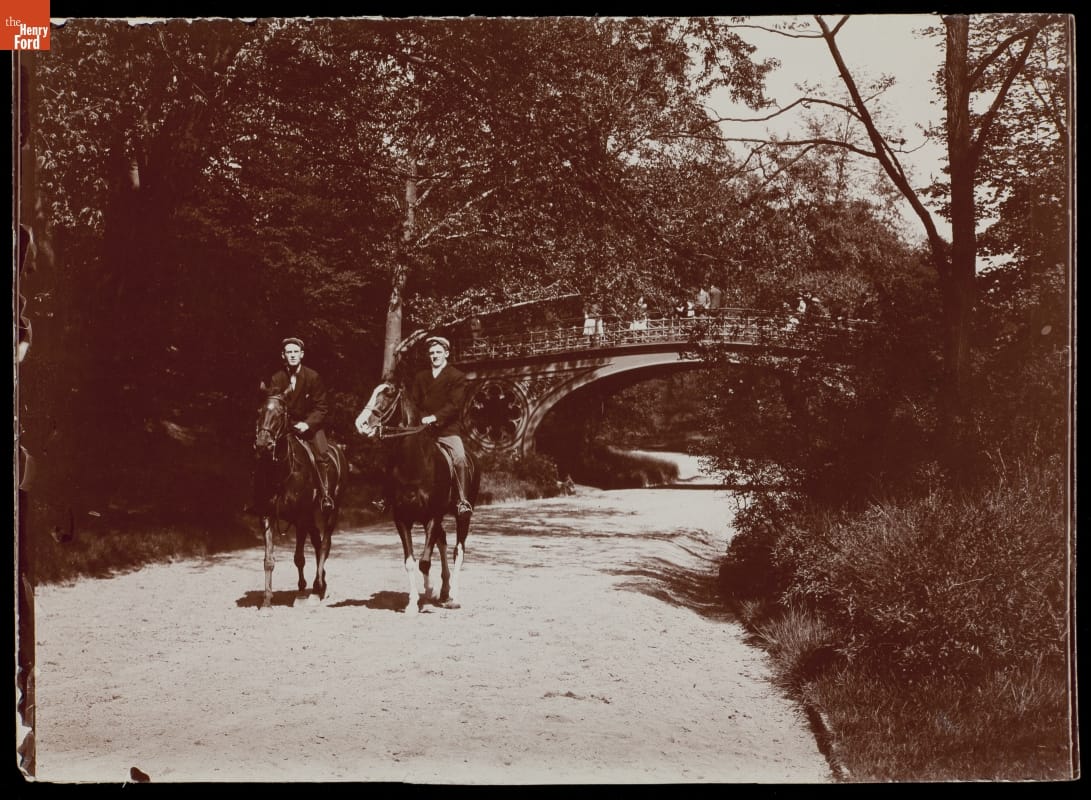
- Horse Back Riding, Central Park, New York City, circa 1895 - Landscape architects designed Central Park with separate carriage drives, walking paths, and equestrian trails. In this Detroit Publishing Company photograph, two young men ride horses and several pedestrian visitors cross one of Central Park's more than 40 bridges.
- circa 1895
- Collections - Artifact
Horse Back Riding, Central Park, New York City, circa 1895
Landscape architects designed Central Park with separate carriage drives, walking paths, and equestrian trails. In this Detroit Publishing Company photograph, two young men ride horses and several pedestrian visitors cross one of Central Park's more than 40 bridges.
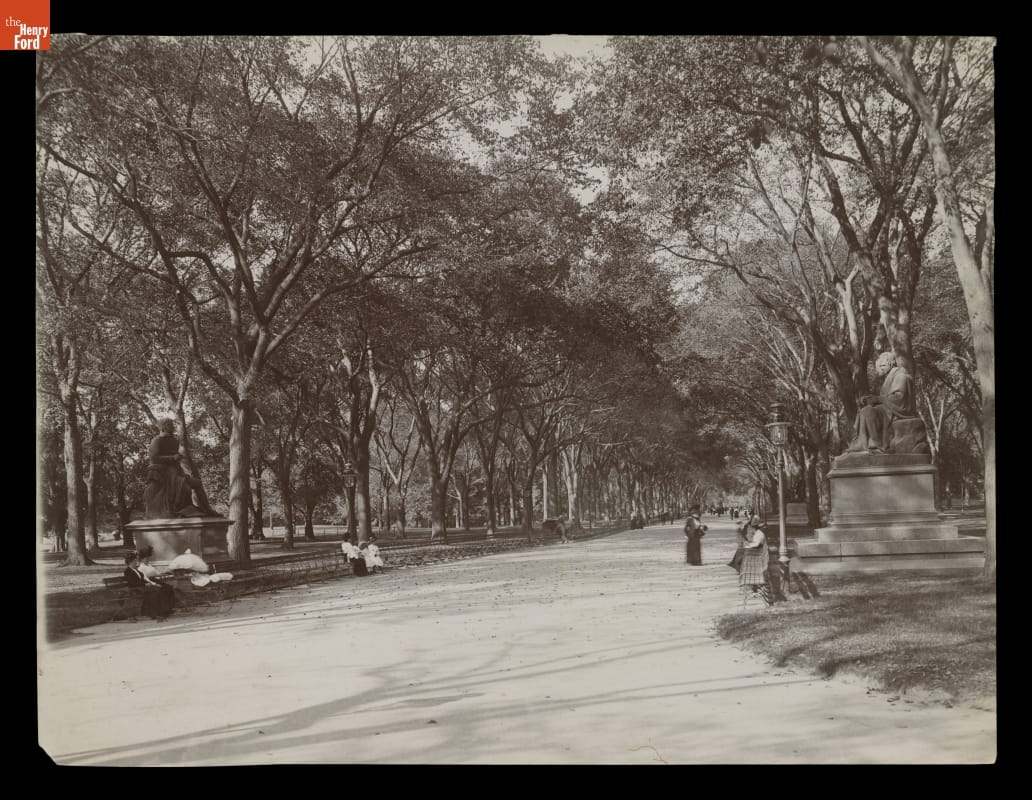
- The Mall, Central Park, New York, New York, circa 1900 - Central Park was the first and most influential of America's landscaped parks. Created in 1858, it was intended to provide recreational opportunities not only for the well-to-do but for the population as a whole. This turn-of-the-century photograph was taken by pioneering photographer William Henry Jackson for the Detroit Publishing Company.
- circa 1900
- Collections - Artifact
The Mall, Central Park, New York, New York, circa 1900
Central Park was the first and most influential of America's landscaped parks. Created in 1858, it was intended to provide recreational opportunities not only for the well-to-do but for the population as a whole. This turn-of-the-century photograph was taken by pioneering photographer William Henry Jackson for the Detroit Publishing Company.
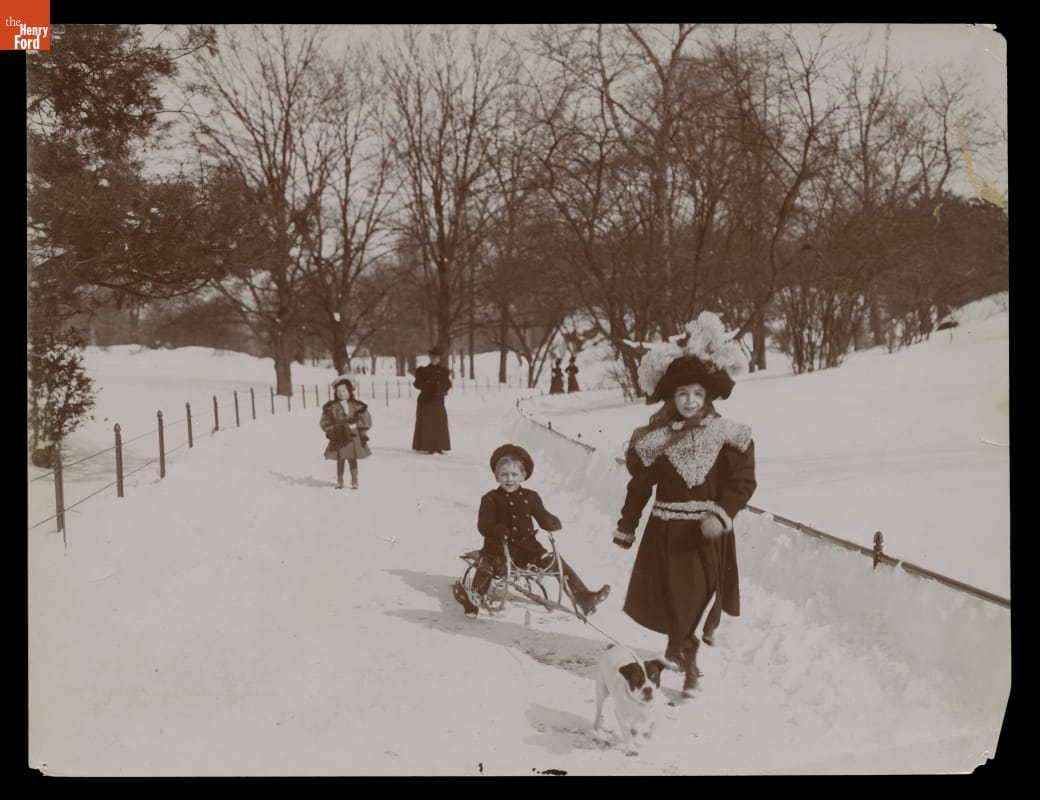
- Central Park in Winter, New York, New York, circa 1900 - From 1895 to 1924, the Detroit Publishing Company was one of the major image publishers in the world. The company's wide-ranging stock of original photographs documented life and landscapes from across the nation and around the globe. From the tens of thousands of negatives, the company created prints, postcards, lantern slides, panoramas, and other merchandise for sale to educators, businessmen, advertisers, homeowners and travelers.
- circa 1900
- Collections - Artifact
Central Park in Winter, New York, New York, circa 1900
From 1895 to 1924, the Detroit Publishing Company was one of the major image publishers in the world. The company's wide-ranging stock of original photographs documented life and landscapes from across the nation and around the globe. From the tens of thousands of negatives, the company created prints, postcards, lantern slides, panoramas, and other merchandise for sale to educators, businessmen, advertisers, homeowners and travelers.
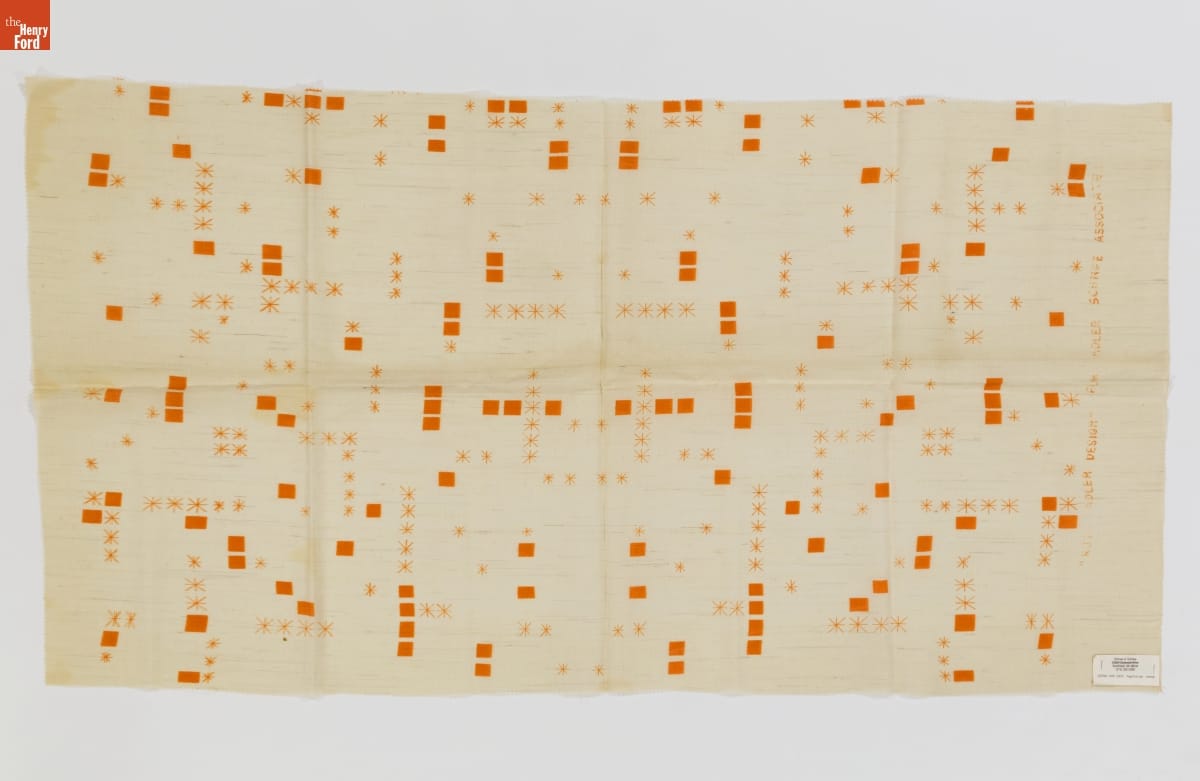
- "Central Park South" Fabric Swatch Designed by Ruth Adler Schnee, 1953 - Trained as an architect, Ruth Adler Schnee began her pioneering foray into textile design with an entry into the <em>Chicago Tribune</em>'s "Better Rooms for Better Living" interior design competition. Unable to locate suitable fabrics, she designed her own. She promptly taught herself to screen print and began to sell her own designs. This design in particular has an architectural quality, referencing her architectural education.
- 1953
- Collections - Artifact
"Central Park South" Fabric Swatch Designed by Ruth Adler Schnee, 1953
Trained as an architect, Ruth Adler Schnee began her pioneering foray into textile design with an entry into the Chicago Tribune's "Better Rooms for Better Living" interior design competition. Unable to locate suitable fabrics, she designed her own. She promptly taught herself to screen print and began to sell her own designs. This design in particular has an architectural quality, referencing her architectural education.
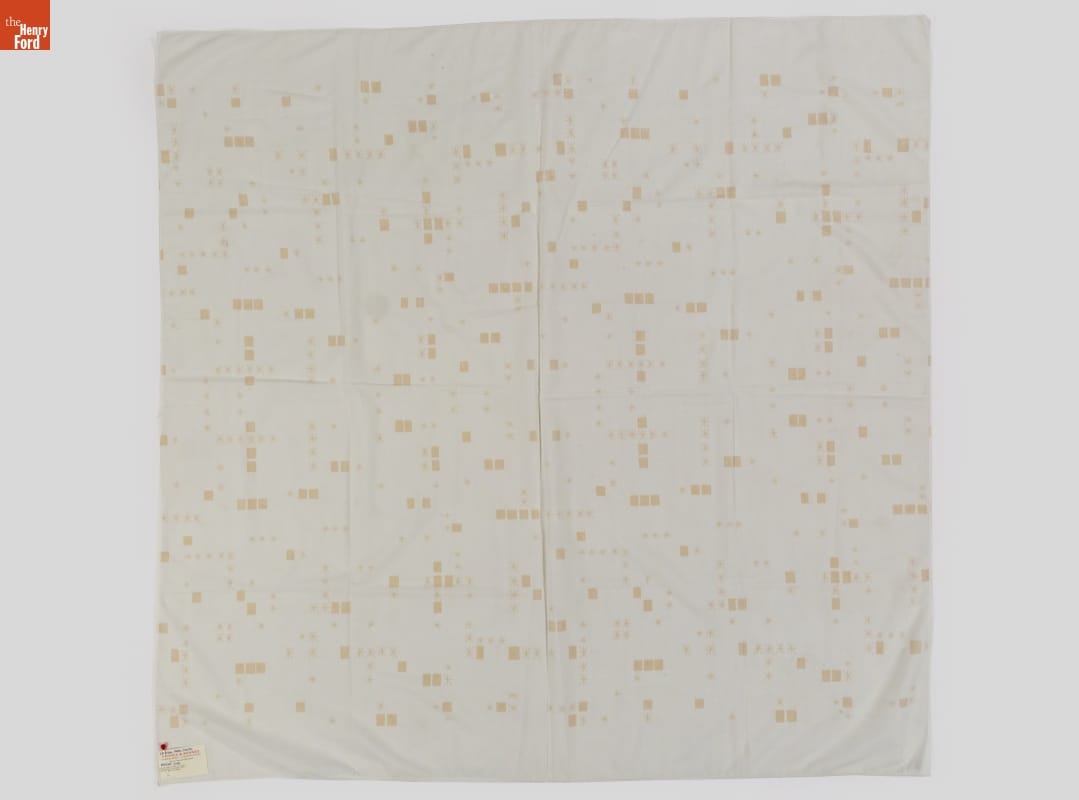
- "Central Park South" Fabric Swatch Designed by Ruth Adler Schnee, 1953 - Trained as an architect, Ruth Adler Schnee began her pioneering foray into textile design with an entry into the <em>Chicago Tribune</em>'s "Better Rooms for Better Living" interior design competition. Unable to locate suitable fabrics, she designed her own. She promptly taught herself to screen print and began to sell her own designs. This design in particular has an architectural quality, referencing her architectural education.
- 1953
- Collections - Artifact
"Central Park South" Fabric Swatch Designed by Ruth Adler Schnee, 1953
Trained as an architect, Ruth Adler Schnee began her pioneering foray into textile design with an entry into the Chicago Tribune's "Better Rooms for Better Living" interior design competition. Unable to locate suitable fabrics, she designed her own. She promptly taught herself to screen print and began to sell her own designs. This design in particular has an architectural quality, referencing her architectural education.
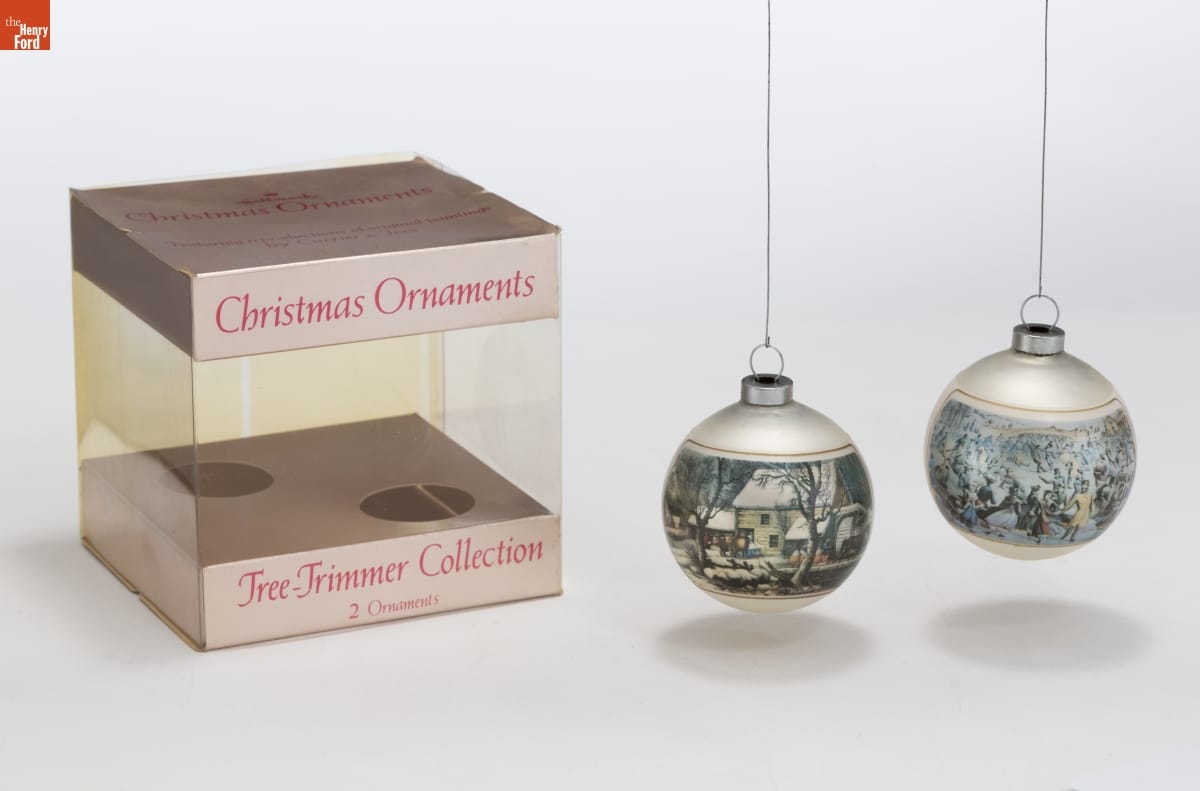
- Hallmark "Currier & Ives: "Central Park, Winter" and "Frozen Up"" Christmas Ornaments, 1975 - Already known for greeting cards, Hallmark introduced a line of Christmas ornaments in 1973. The company's annual release of an increasing array of ornaments revolutionized Christmas decorating, appealing to customers' interest in marking memories and milestones as well as expressing one's personality and unique tastes.
- 1975
- Collections - Artifact
Hallmark "Currier & Ives: "Central Park, Winter" and "Frozen Up"" Christmas Ornaments, 1975
Already known for greeting cards, Hallmark introduced a line of Christmas ornaments in 1973. The company's annual release of an increasing array of ornaments revolutionized Christmas decorating, appealing to customers' interest in marking memories and milestones as well as expressing one's personality and unique tastes.