
Search
- Xerox 660 I Copier, 1966 -
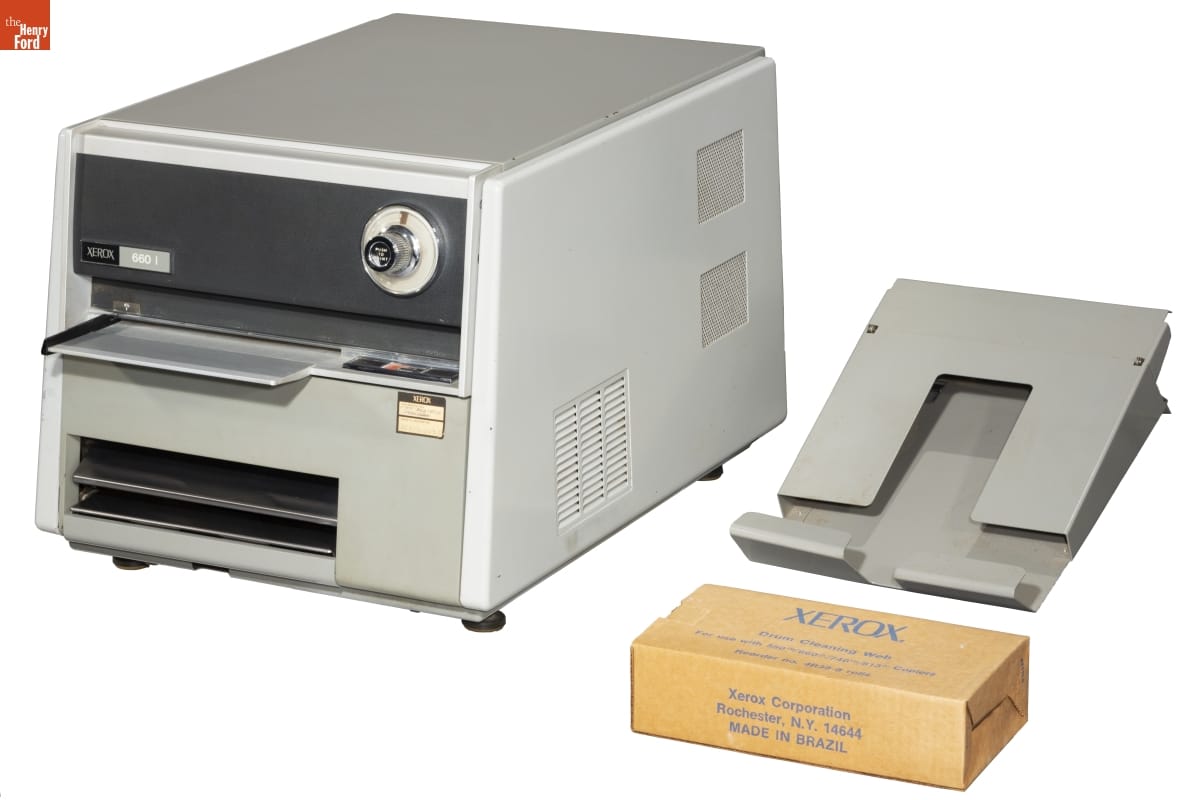
- 1966
- Collections - Artifact
Xerox 660 I Copier, 1966
- Xerox 813 Copier, circa 1963 -
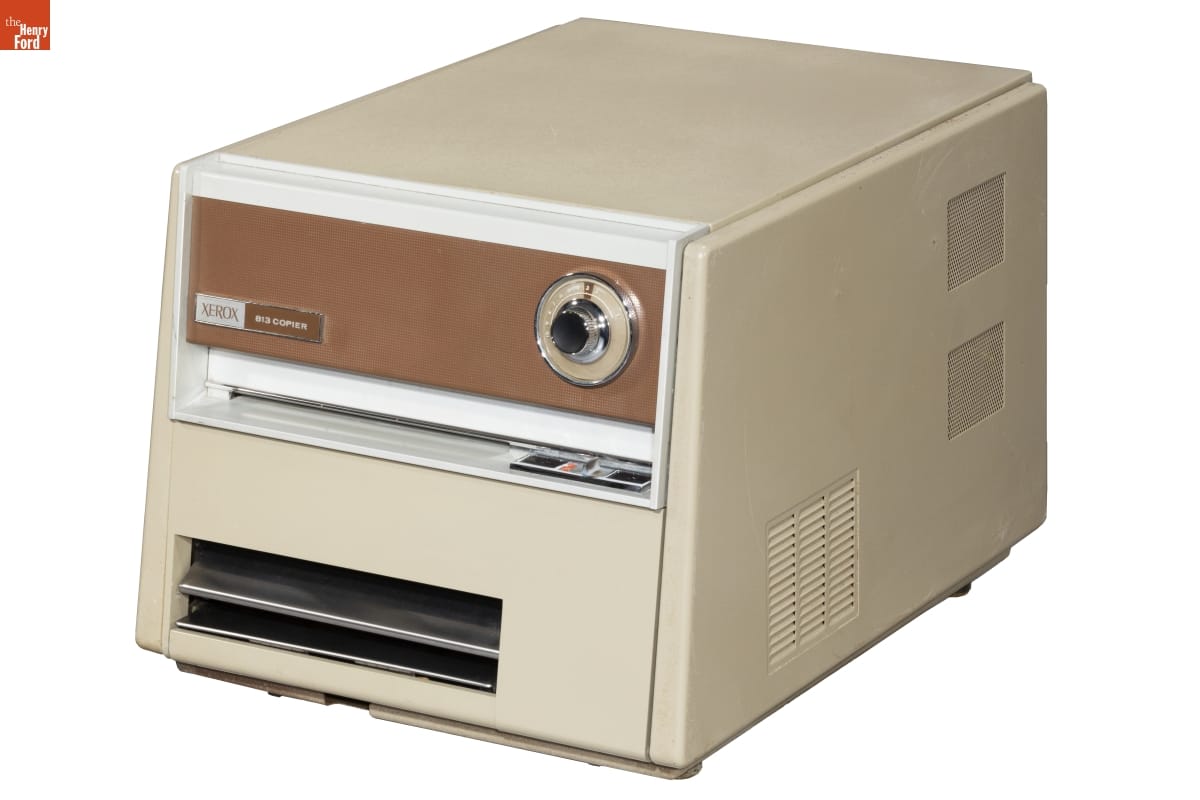
- circa 1963
- Collections - Artifact
Xerox 813 Copier, circa 1963
- Your Key Operator's Instructions: Xerox 660-I and 660-II Copier, circa 1966 -
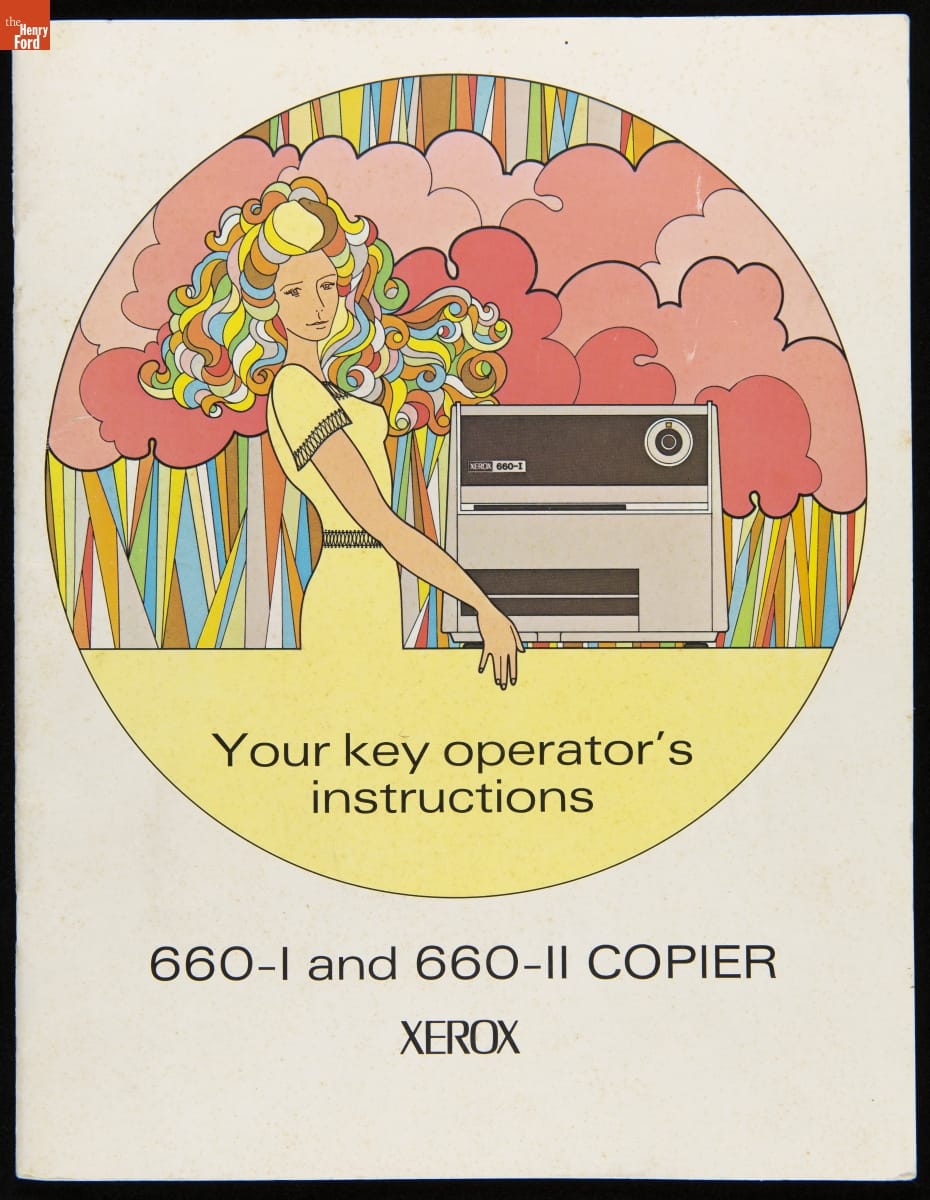
- circa 1966
- Collections - Artifact
Your Key Operator's Instructions: Xerox 660-I and 660-II Copier, circa 1966
- Light and Static: The Origins of the Xerox Copy - Discover how the modern photocopier came to be, through the story of Chester Carlson and what would become the Xerox Corporation.

- September 21, 2015
- Collections - article
Light and Static: The Origins of the Xerox Copy
Discover how the modern photocopier came to be, through the story of Chester Carlson and what would become the Xerox Corporation.
- Xerox Photocopying Machine, Model 2600, circa 1980 -
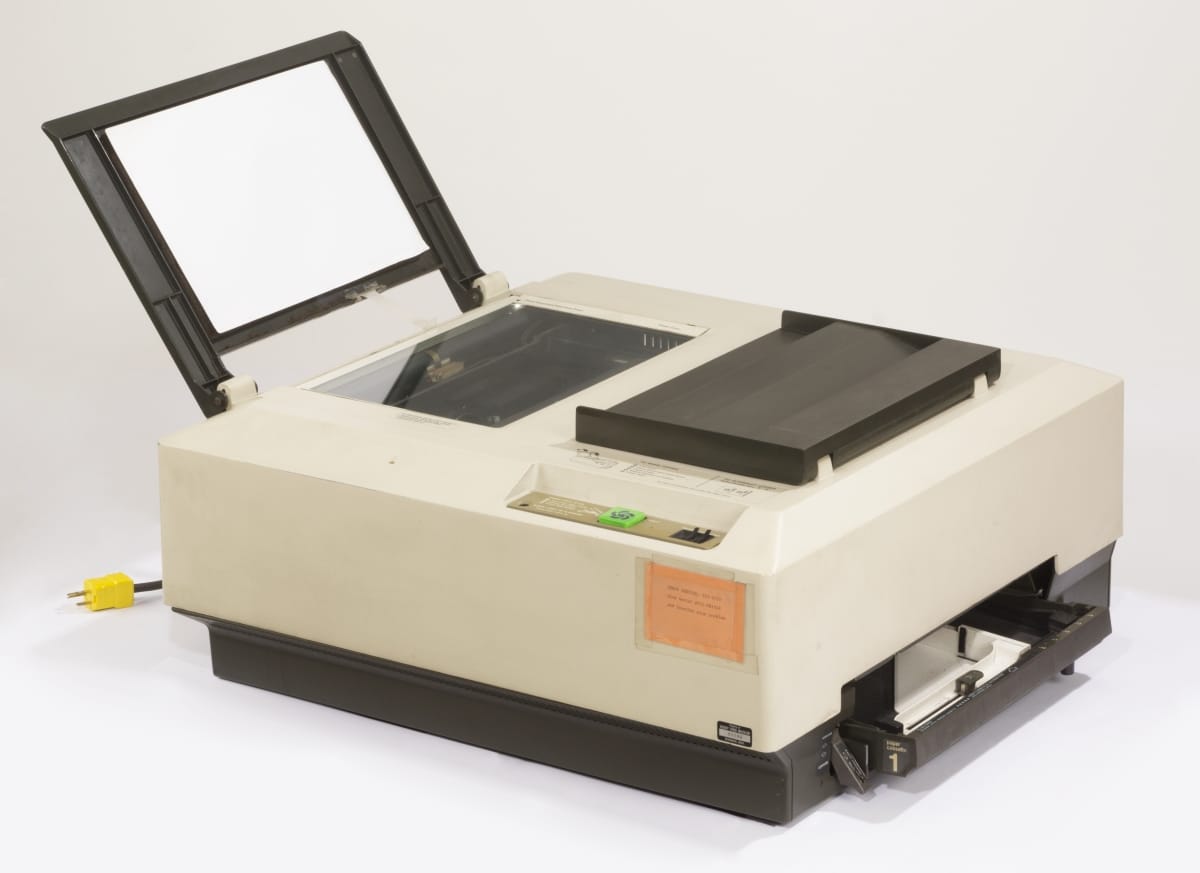
- circa 1980
- Collections - Artifact
Xerox Photocopying Machine, Model 2600, circa 1980
- Xerox Photocopier Model 914, Introduced in 1959 - The Xerox 914 was the first commercially successful automatic office copier. Using Chester Carlson's xerography process, documents were produced electrostatically, using powdered toner. This copier weighed 650 pounds and made one copy every 26 seconds on paper up to 9 x 14 inches. The 914 also came with a "scorch eliminator" -- a small fire extinguisher for taming fires caused by overheating.
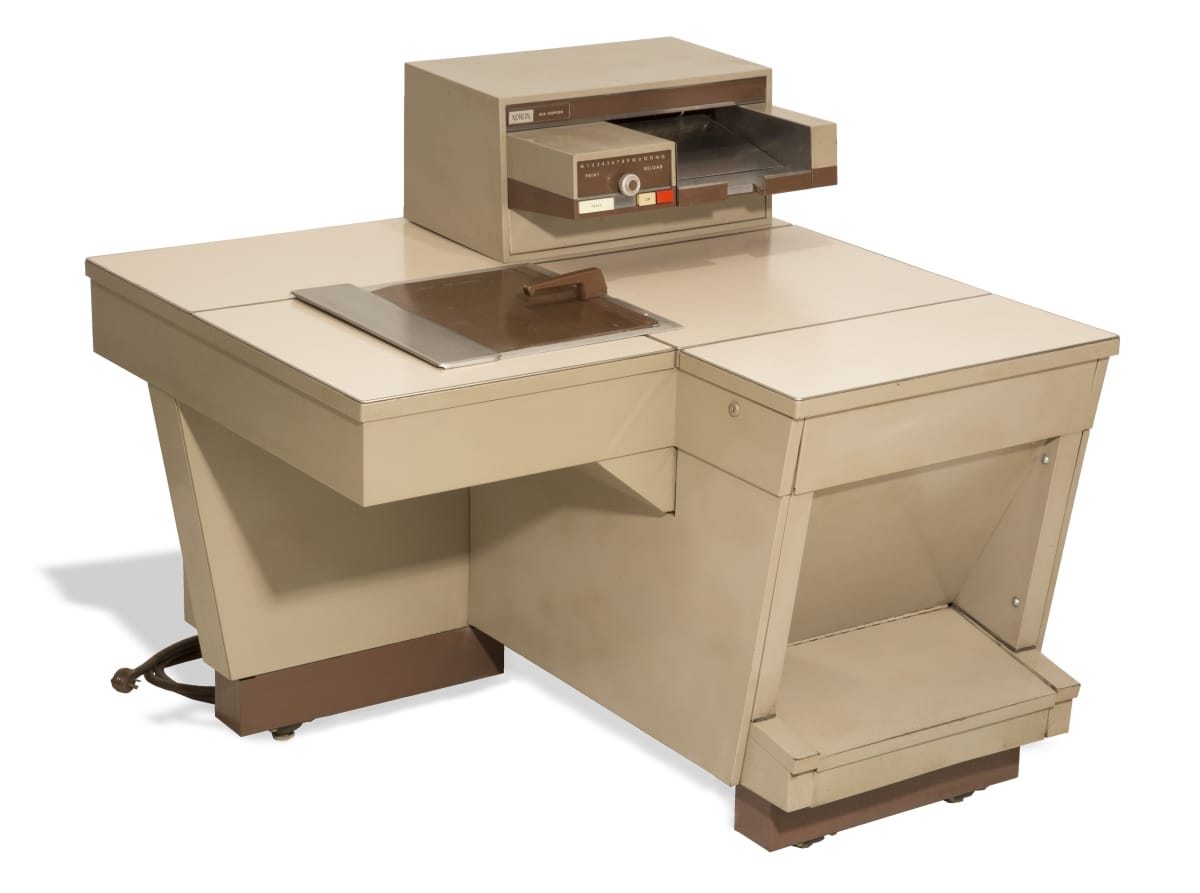
- 1959-1976
- Collections - Artifact
Xerox Photocopier Model 914, Introduced in 1959
The Xerox 914 was the first commercially successful automatic office copier. Using Chester Carlson's xerography process, documents were produced electrostatically, using powdered toner. This copier weighed 650 pounds and made one copy every 26 seconds on paper up to 9 x 14 inches. The 914 also came with a "scorch eliminator" -- a small fire extinguisher for taming fires caused by overheating.
- Xerox "Kurzweil Reading Edge Optical Recognition Speech Synthesizer," 1992 - This assistive technology device was created for people who are blind or with visual impairments. Using text-to-speech synthesizer technology and optical character recognition, it can scan text from any kind of printed material and then read it out loud. This includes books, magazines, mail--even food packaging. Reading speed is adjustable and its memory can store 100 pages of text.
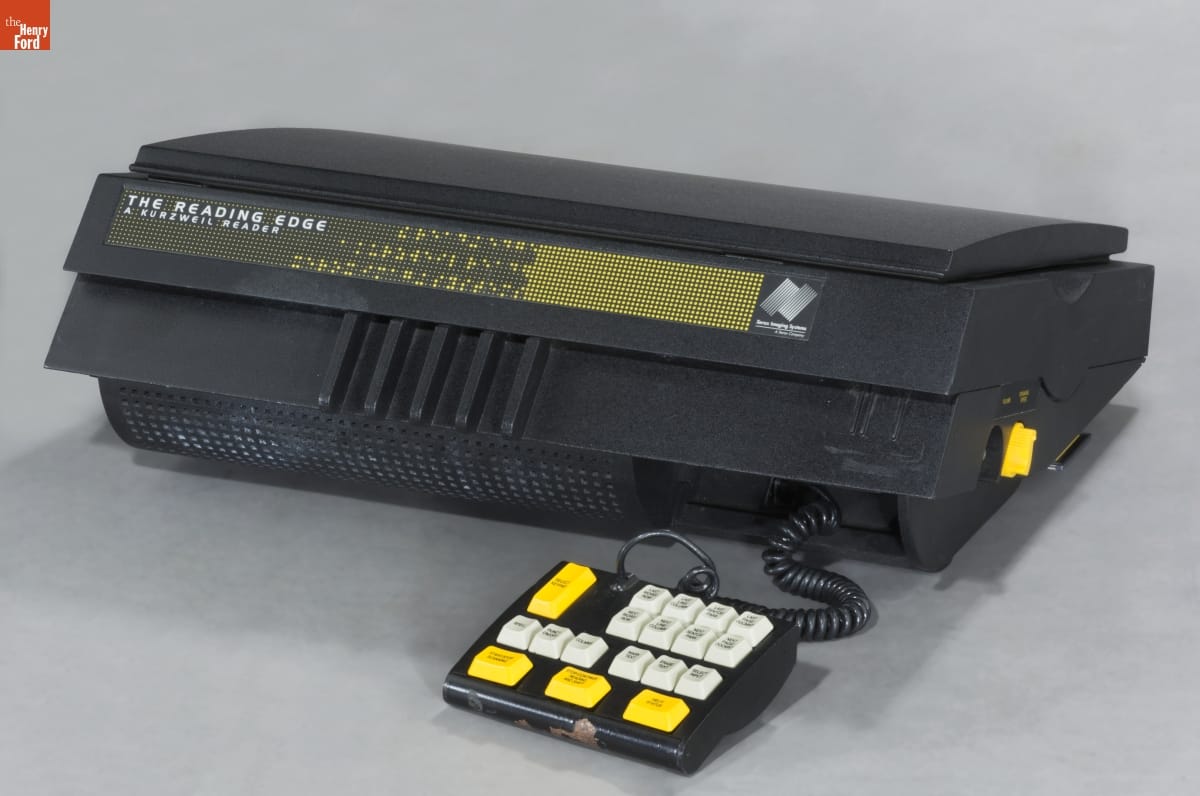
- 1992
- Collections - Artifact
Xerox "Kurzweil Reading Edge Optical Recognition Speech Synthesizer," 1992
This assistive technology device was created for people who are blind or with visual impairments. Using text-to-speech synthesizer technology and optical character recognition, it can scan text from any kind of printed material and then read it out loud. This includes books, magazines, mail--even food packaging. Reading speed is adjustable and its memory can store 100 pages of text.
- Xerox Magnafax Telecopier II Fax Machine, circa 1968 -
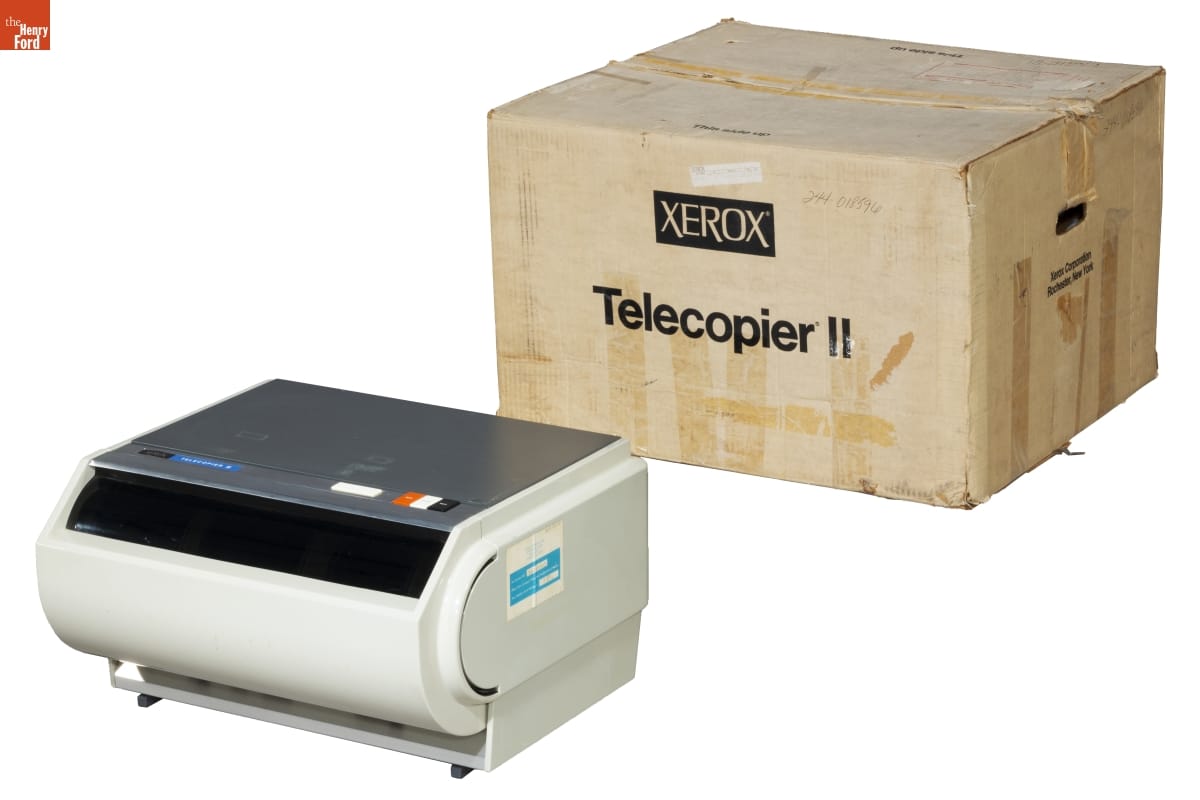
- circa 1968
- Collections - Artifact
Xerox Magnafax Telecopier II Fax Machine, circa 1968
- How to Use Your 660 I Copier, 1966-1972 -
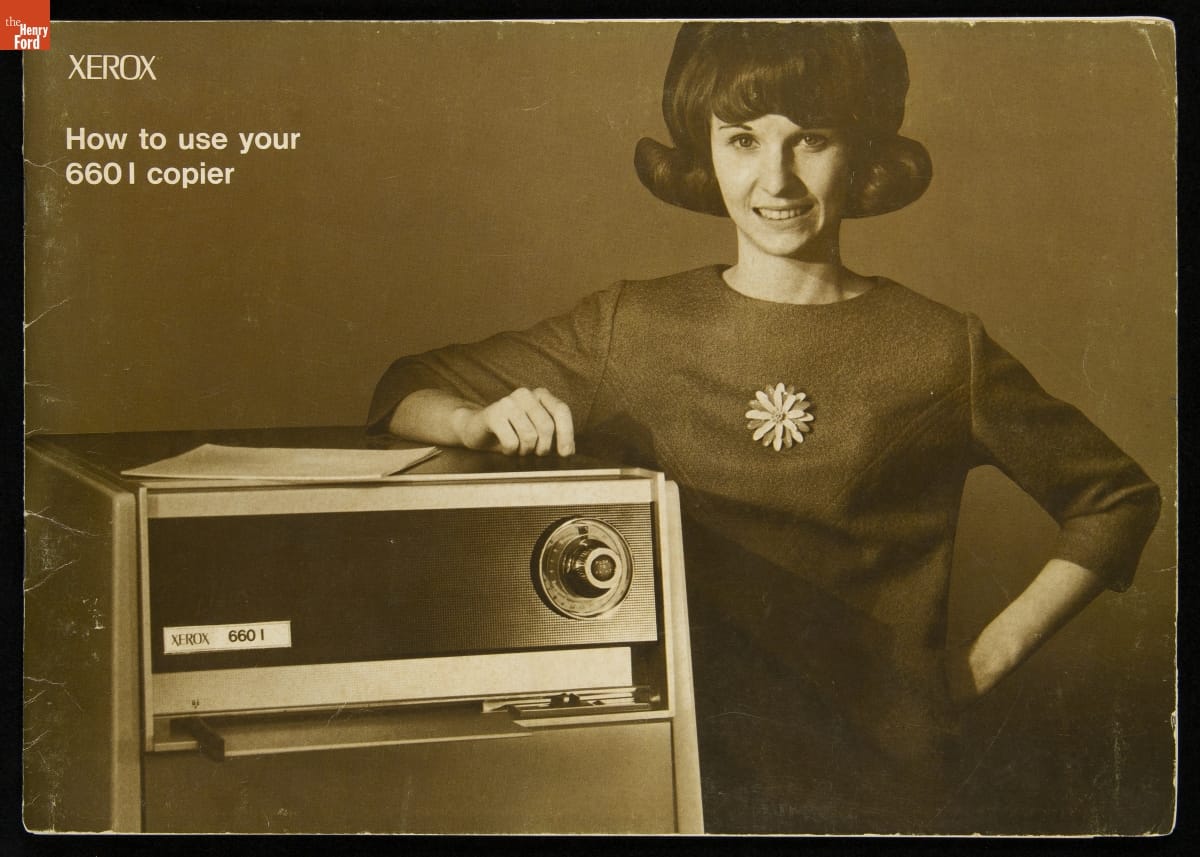
- 1966-1972
- Collections - Artifact
How to Use Your 660 I Copier, 1966-1972
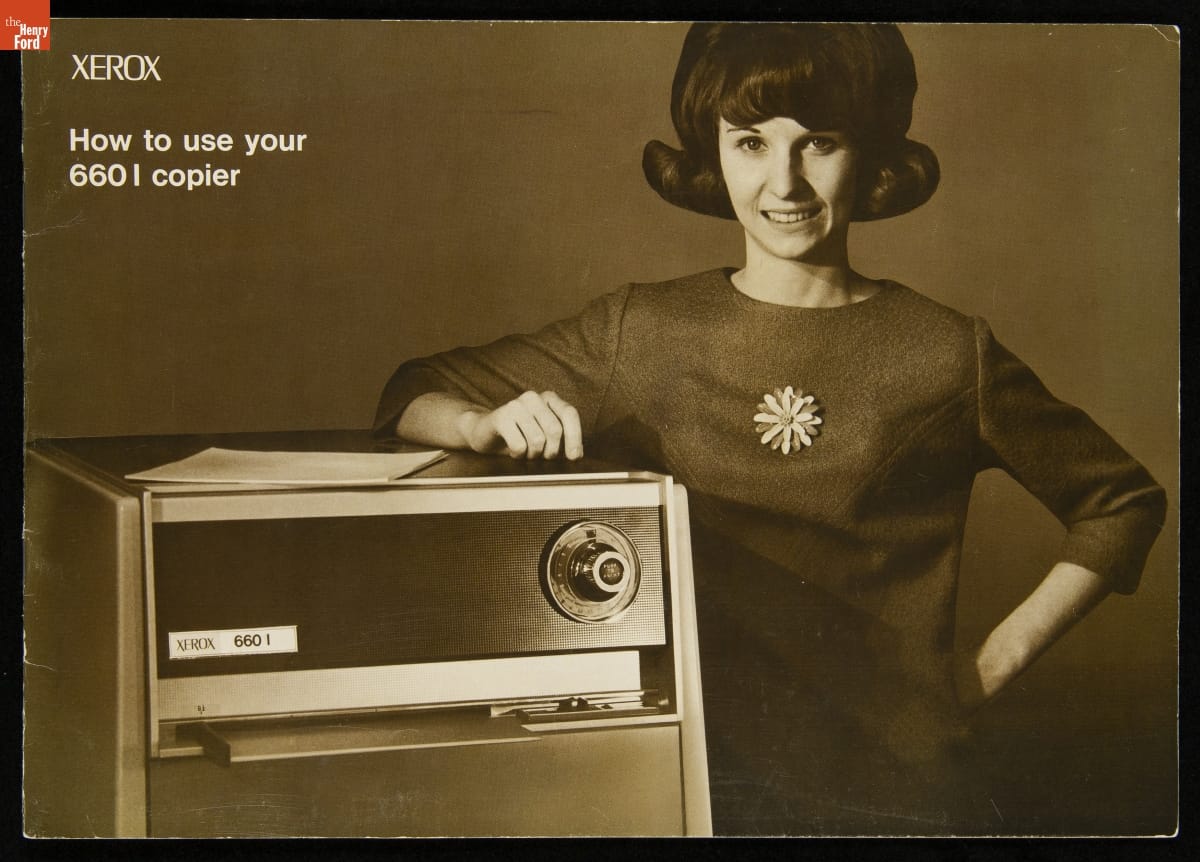
- How to Use Your 660 I Copier, circa 1966 -
- circa 1966
- Collections - Artifact
How to Use Your 660 I Copier, circa 1966