
Search
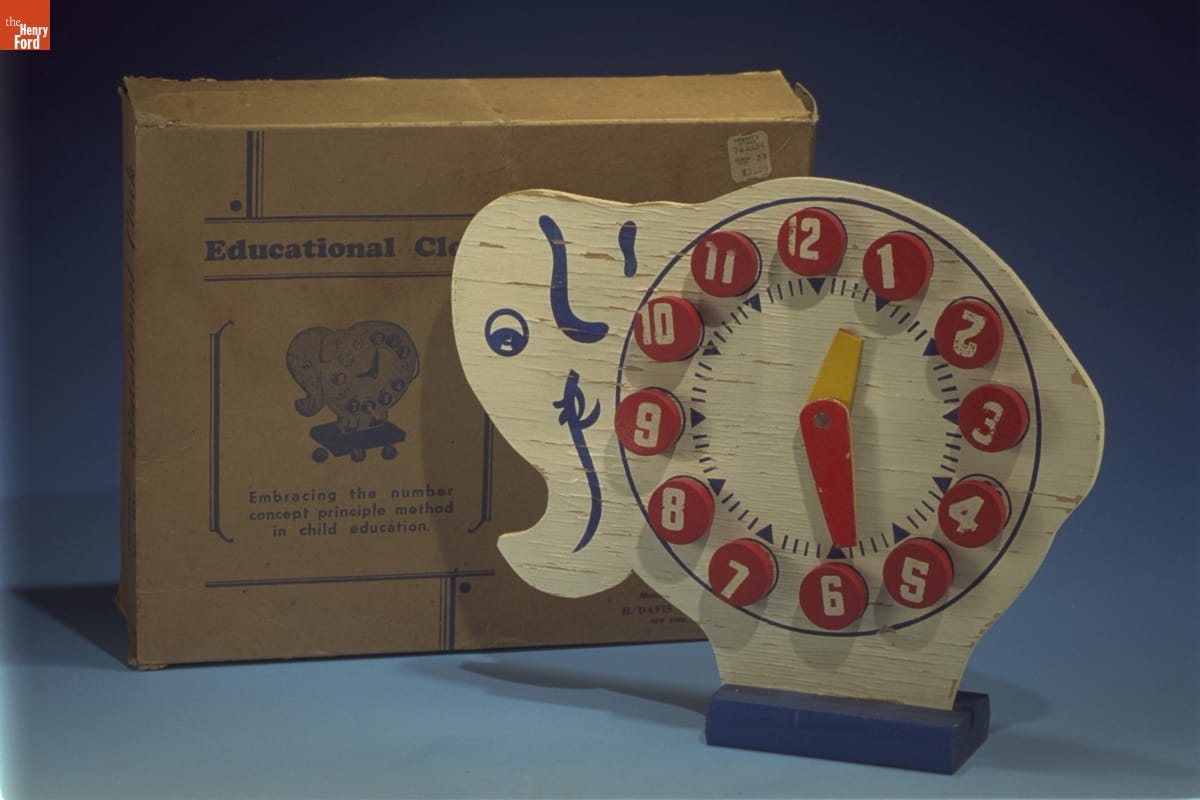
- Educational Clock, 1930-1940 -
- 1930-1940
- Collections - Artifact
Educational Clock, 1930-1940
- ABC Educational Cards, 1944-1950 - Here, the classic alphabet block appears on a set of illustrated flashcards. Lettered cards show something beginning with that letter; numbered cards show that number of birds. Colorful packaging appealed to youngsters, and a seal of approval from <em>Parents'</em> magazine assured grown-ups of the cards' educational value.

- 1944-1950
- Collections - Artifact
ABC Educational Cards, 1944-1950
Here, the classic alphabet block appears on a set of illustrated flashcards. Lettered cards show something beginning with that letter; numbered cards show that number of birds. Colorful packaging appealed to youngsters, and a seal of approval from Parents' magazine assured grown-ups of the cards' educational value.
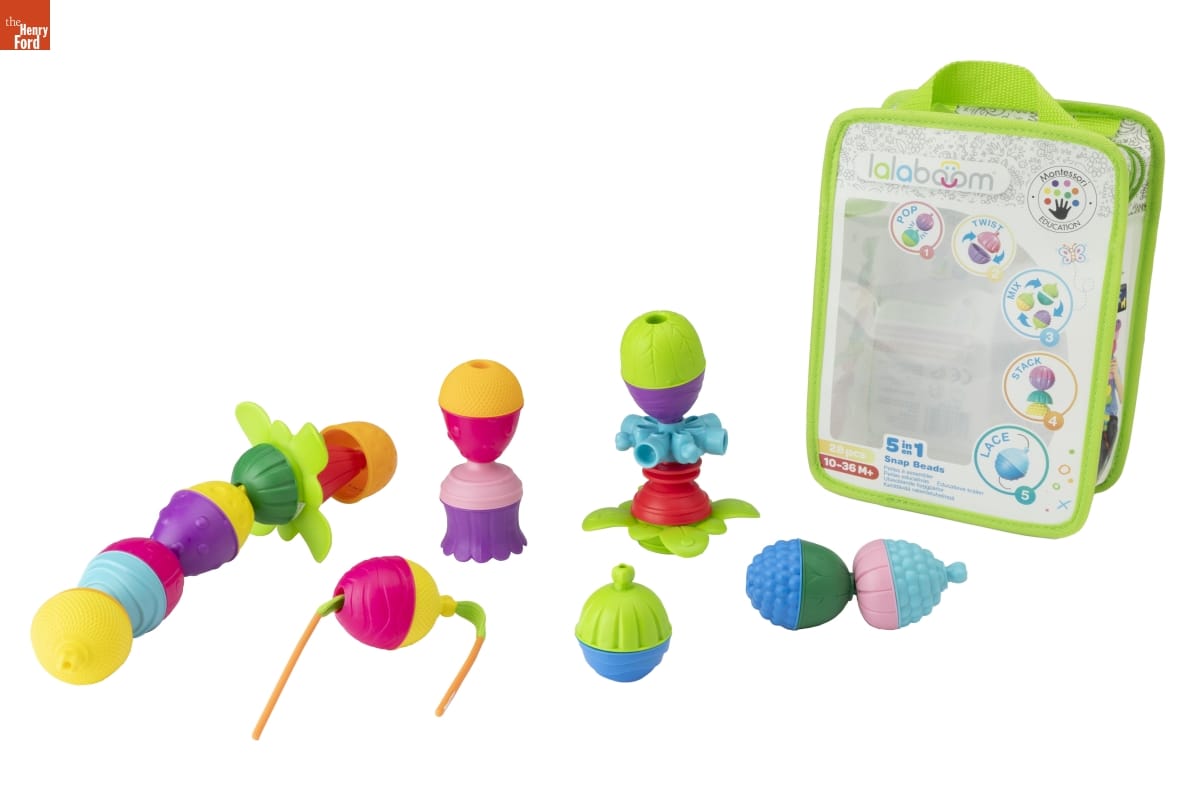
- Lalaboom Educational Beads, 2018-2019 - Designed by French company Lalabloom, these interconnecting beads are intended for long term use by children aged 10 months to 4 years. The beads can be clipped, stacked, screwed, or threaded together -- each method is suitable for a different age group. Toys like these help children practice both their gross and fine motor skills.
- 2018-2019
- Collections - Artifact
Lalaboom Educational Beads, 2018-2019
Designed by French company Lalabloom, these interconnecting beads are intended for long term use by children aged 10 months to 4 years. The beads can be clipped, stacked, screwed, or threaded together -- each method is suitable for a different age group. Toys like these help children practice both their gross and fine motor skills.
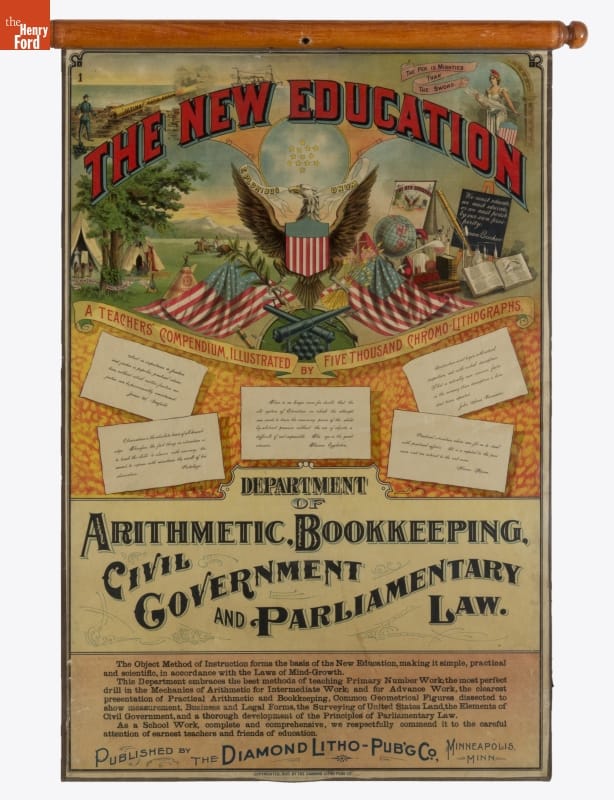
- "The New Education" Classroom Charts, circa 1898 -
- circa 1898
- Collections - Artifact
"The New Education" Classroom Charts, circa 1898
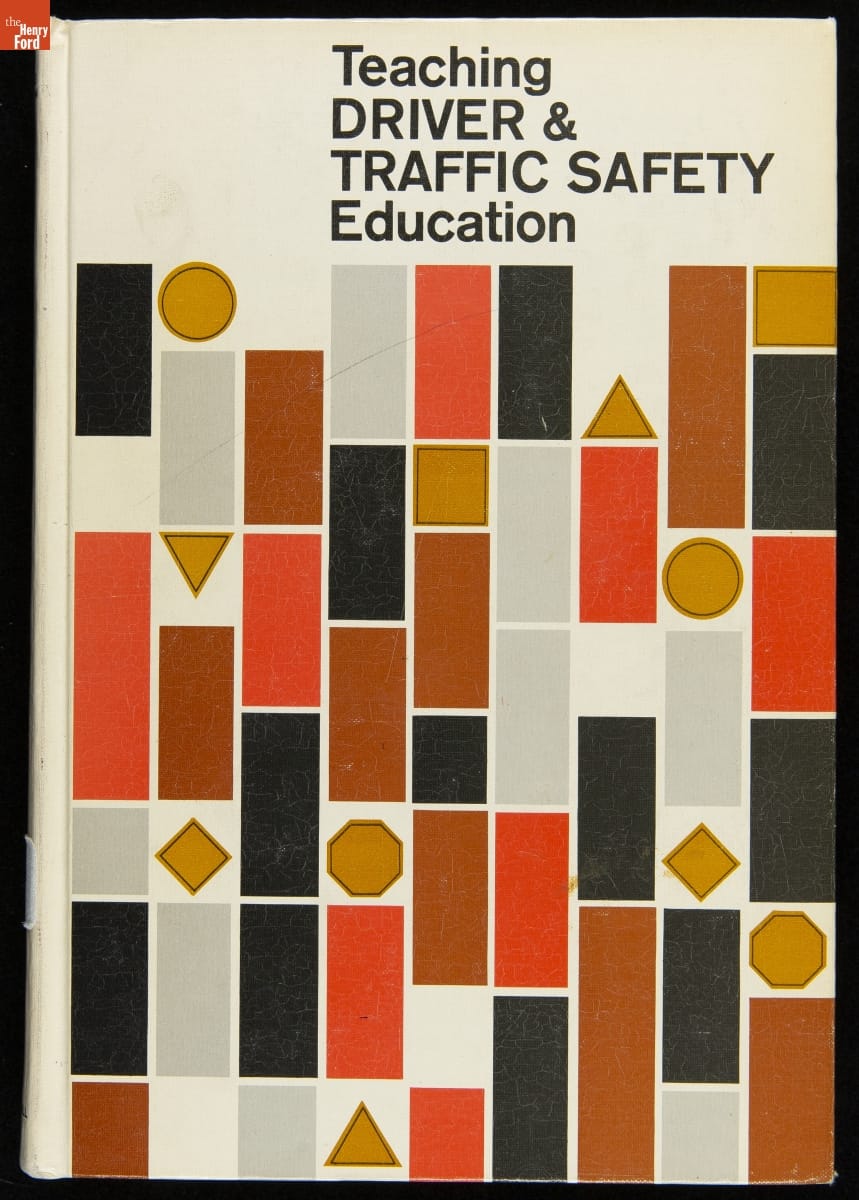
- Teaching Driver and Traffic Safety Education, circa 1965 - This textbook doesn't teach driver education -- it teaches how to teach driver education. It was produced by the American Automobile Association, which had moral and monetary interests in reducing auto accidents. Driver education was a standard part of American high schools from the 1930s through the 1990s, until public school budget and curriculum concerns shifted training to private schools.
- circa 1965
- Collections - Artifact
Teaching Driver and Traffic Safety Education, circa 1965
This textbook doesn't teach driver education -- it teaches how to teach driver education. It was produced by the American Automobile Association, which had moral and monetary interests in reducing auto accidents. Driver education was a standard part of American high schools from the 1930s through the 1990s, until public school budget and curriculum concerns shifted training to private schools.
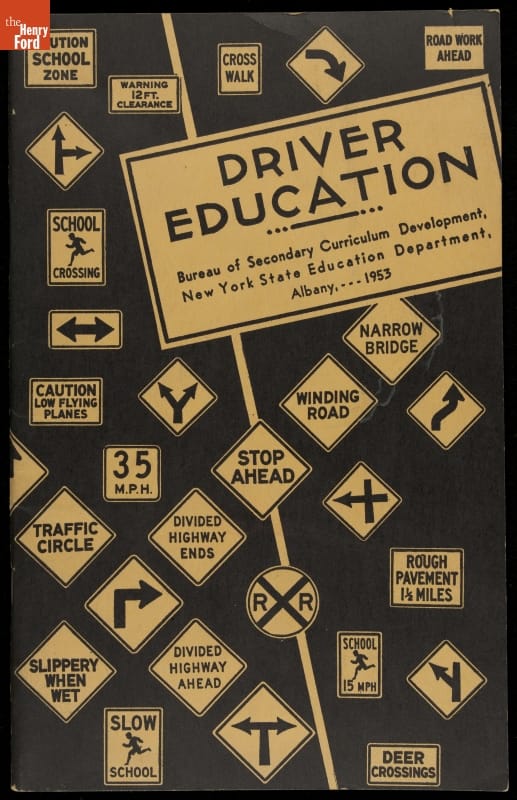
- "Driver Education, A Syllabus for Secondary Schools," 1953 - By the time this 1953 book was published, driver education was integral to the high school curriculum -- involving both classroom instruction and practical experience driving in a car.
- 1953
- Collections - Artifact
"Driver Education, A Syllabus for Secondary Schools," 1953
By the time this 1953 book was published, driver education was integral to the high school curriculum -- involving both classroom instruction and practical experience driving in a car.
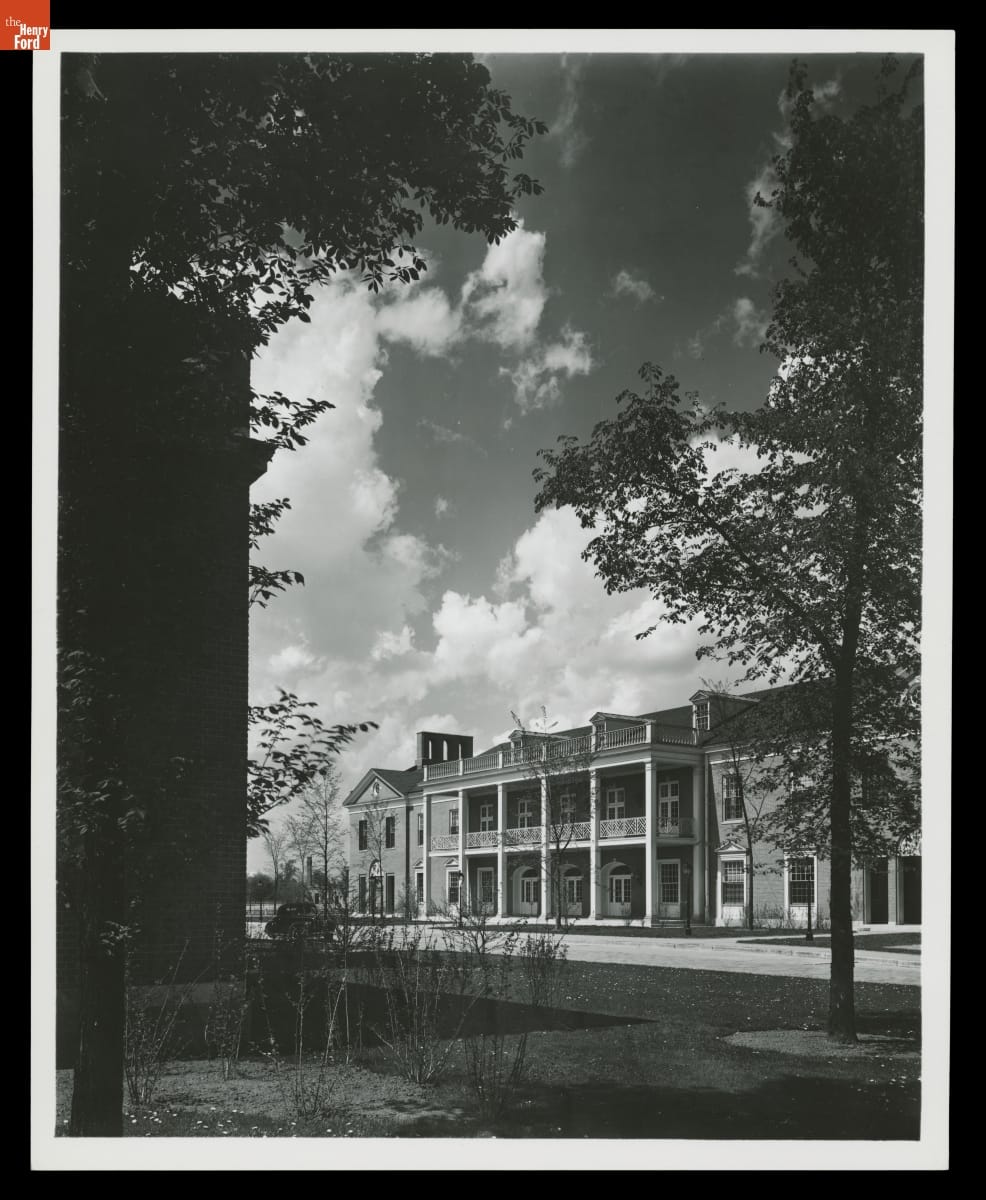
- Edison Institute Education Building (Lovett Hall), May 1938 - Lovett Hall, located on the campus of The Henry Ford and originally called the Recreation or Education Building, was built for a variety of purposes. It contained a library, gymnasium, classrooms and even a swimming pool for Henry Ford's school system. The building also housed a ballroom for Henry Ford's "Old Time" dancing parties.
- May 04, 1938
- Collections - Artifact
Edison Institute Education Building (Lovett Hall), May 1938
Lovett Hall, located on the campus of The Henry Ford and originally called the Recreation or Education Building, was built for a variety of purposes. It contained a library, gymnasium, classrooms and even a swimming pool for Henry Ford's school system. The building also housed a ballroom for Henry Ford's "Old Time" dancing parties.
- "Educational Television Activities for Fiscal Year 1957-1958" - Marion Corwell was the first manager of educational television for the Henry Ford Museum and Greenfield Village. During the mid-1950s and early 1960s, Corwell created, hosted and produced several programs in connection with WTVS, Detroit's public television station. Her report for 1957-1958 contains brochures and study guides of her pioneering department's activities.
- 01 April 1957-01 April 1958
- Collections - Artifact
"Educational Television Activities for Fiscal Year 1957-1958"
Marion Corwell was the first manager of educational television for the Henry Ford Museum and Greenfield Village. During the mid-1950s and early 1960s, Corwell created, hosted and produced several programs in connection with WTVS, Detroit's public television station. Her report for 1957-1958 contains brochures and study guides of her pioneering department's activities.
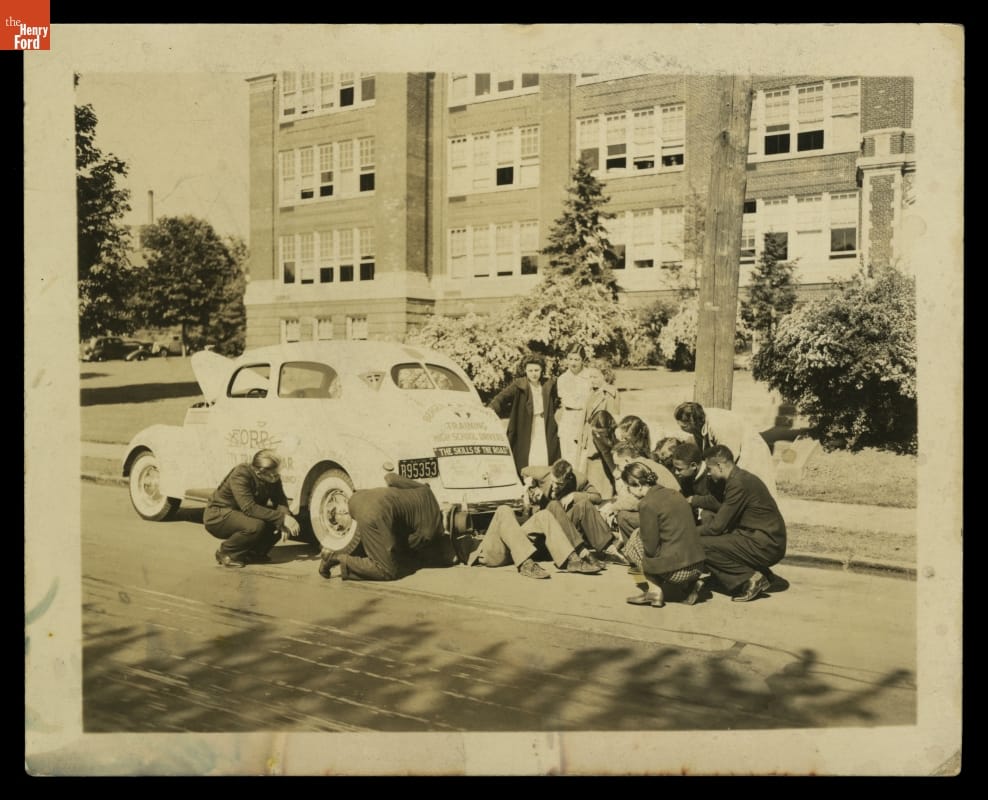
- Driver Education - Early driver education in the United States was loose and inconsistent. New drivers might learn from a car dealership, or from a civic organization like the YMCA. In the 1930s, driver education became a standard part of public high school instruction. Courses involved a blend of study behind the desk and practice behind the wheel. By the early 2000s, school budget concerns had shifted driver education back into the private sector.
- October 05, 2022
- Collections - Set
Driver Education
Early driver education in the United States was loose and inconsistent. New drivers might learn from a car dealership, or from a civic organization like the YMCA. In the 1930s, driver education became a standard part of public high school instruction. Courses involved a blend of study behind the desk and practice behind the wheel. By the early 2000s, school budget concerns had shifted driver education back into the private sector.
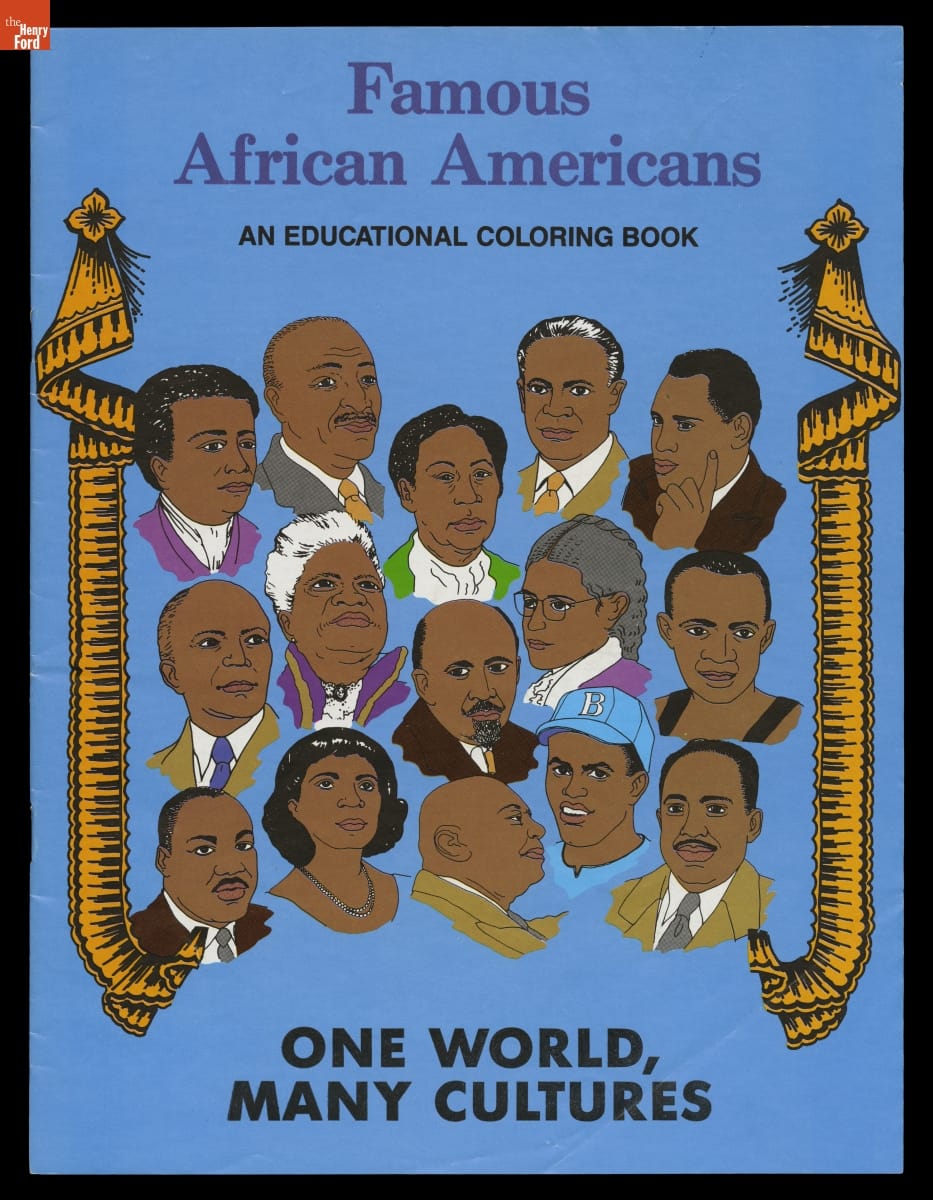
- "Famous African Americans: An Educational Coloring Book," 1993 -
- 1993
- Collections - Artifact
"Famous African Americans: An Educational Coloring Book," 1993