
Search
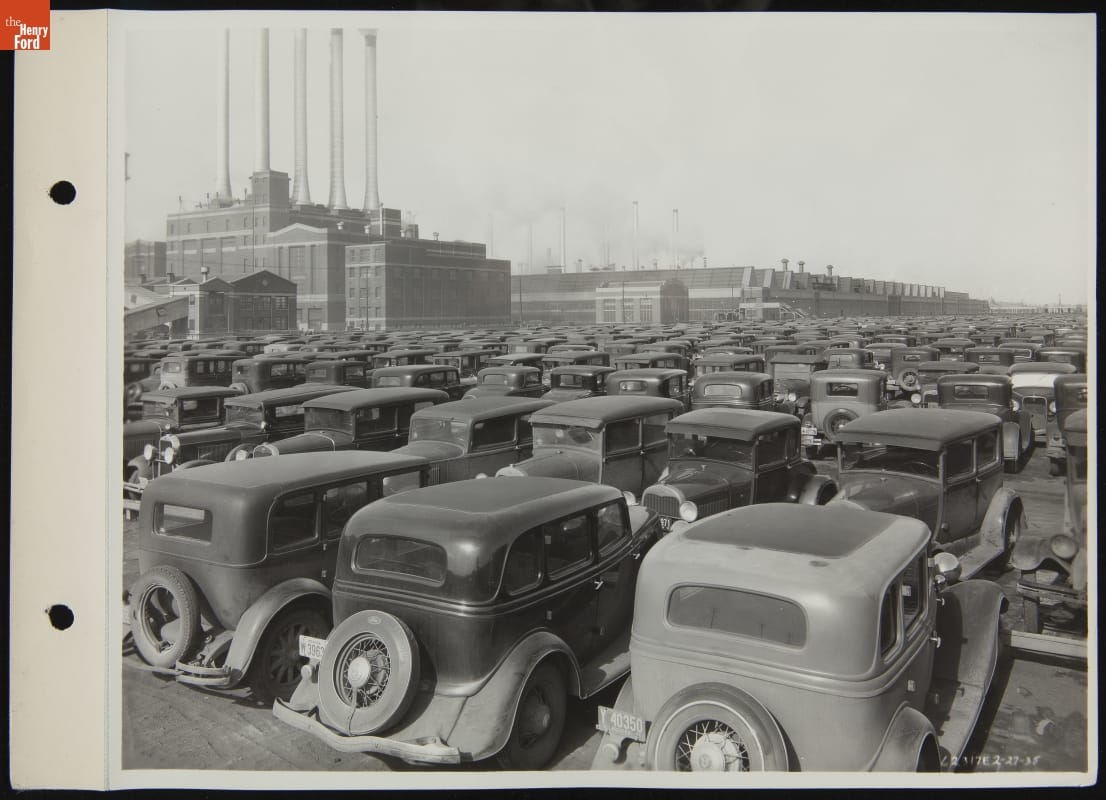
- Parking - America's cars symbolize mobility, but they spend 95 percent of their time parked. Storing cars is a longstanding challenge, and every solution brings new problems. Parking lots and structures transform urban and suburban landscapes, parking meters and tickets exasperate city drivers, and residential garages have moved from the back yard onto the house itself. There are as many as a billion parking spots in the United States -- one heck of a lot.
- January 25, 2023
- Collections - Set
Parking
America's cars symbolize mobility, but they spend 95 percent of their time parked. Storing cars is a longstanding challenge, and every solution brings new problems. Parking lots and structures transform urban and suburban landscapes, parking meters and tickets exasperate city drivers, and residential garages have moved from the back yard onto the house itself. There are as many as a billion parking spots in the United States -- one heck of a lot.
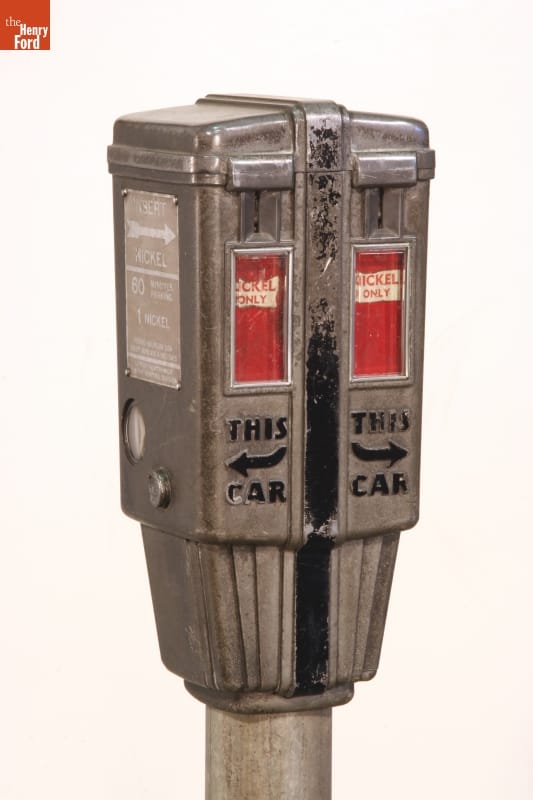
- Twin Parking Meter, circa 1938 - By the 1920s, automobile parking in cities was chaotic. City governments tried widening streets, prohibiting parking near intersections, and marking parking spaces. Finally, it was the parking meter, introduced in 1935, that proved workable and enforceable. This early parking meter, designed for two cars, was used in Hamtramck, Michigan. Parking cost five cents per hour, except on Sunday and holidays.
- circa 1938
- Collections - Artifact
Twin Parking Meter, circa 1938
By the 1920s, automobile parking in cities was chaotic. City governments tried widening streets, prohibiting parking near intersections, and marking parking spaces. Finally, it was the parking meter, introduced in 1935, that proved workable and enforceable. This early parking meter, designed for two cars, was used in Hamtramck, Michigan. Parking cost five cents per hour, except on Sunday and holidays.
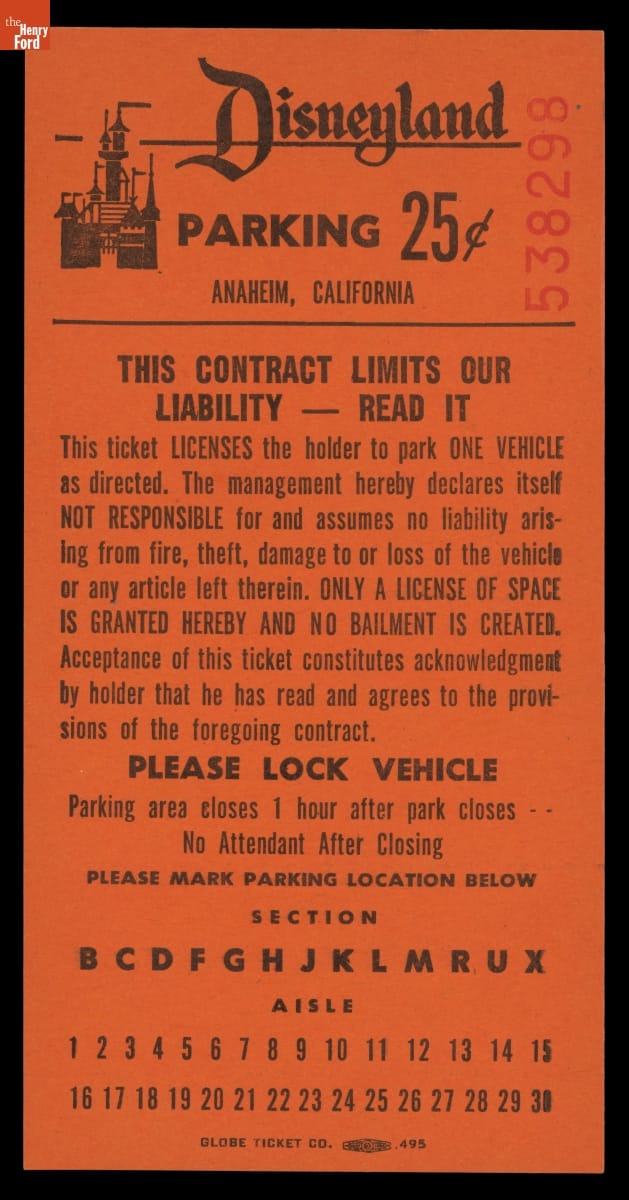
- Ticket, "Disneyland Parking 25c," circa 1967 - Walt Disney opened Disneyland, his highly influential theme park in Anaheim, California, in 1955. For 25 cents, visitors could park in the adjacent 100-acre parking lot that had room for more than 12,000 cars. Disneyland's original parking lot was closed in 1998, and the site became home to another theme park, Disney's California Adventure, in 2001.
- circa 1967
- Collections - Artifact
Ticket, "Disneyland Parking 25c," circa 1967
Walt Disney opened Disneyland, his highly influential theme park in Anaheim, California, in 1955. For 25 cents, visitors could park in the adjacent 100-acre parking lot that had room for more than 12,000 cars. Disneyland's original parking lot was closed in 1998, and the site became home to another theme park, Disney's California Adventure, in 2001.
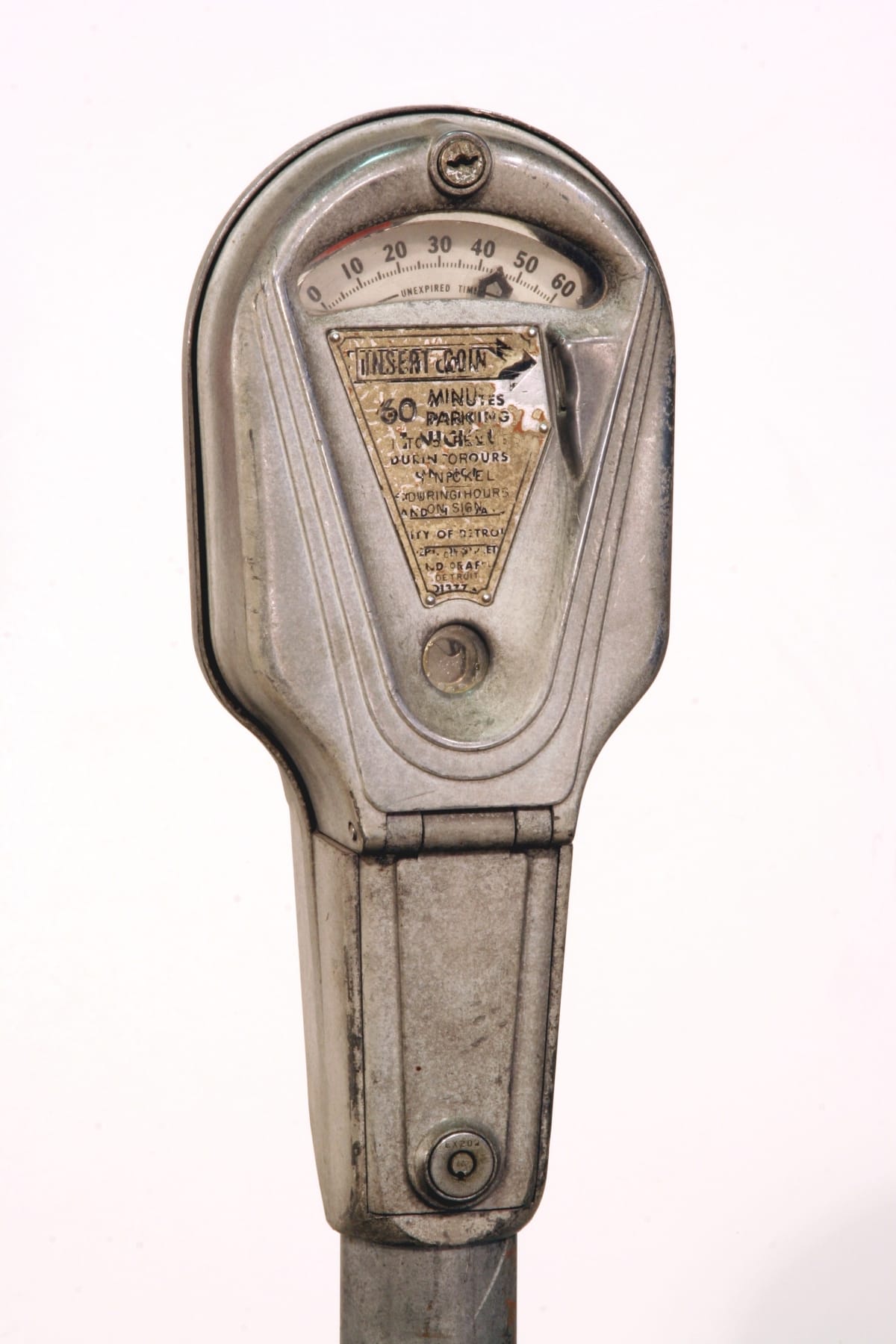
- Dual Brand Parking Meter, circa 1948 - By the 1920s, automobile parking in cities was chaotic. Parking meters, introduced in Oklahoma City in 1935, proved to be the workable and enforceable solution. Carl Magee, inventor of the parking meter with help from local engineering professors and college students, named his company "Dual" -- supposedly because parking meters served the dual purpose of controlling parking and generating revenue.
- circa 1948
- Collections - Artifact
Dual Brand Parking Meter, circa 1948
By the 1920s, automobile parking in cities was chaotic. Parking meters, introduced in Oklahoma City in 1935, proved to be the workable and enforceable solution. Carl Magee, inventor of the parking meter with help from local engineering professors and college students, named his company "Dual" -- supposedly because parking meters served the dual purpose of controlling parking and generating revenue.
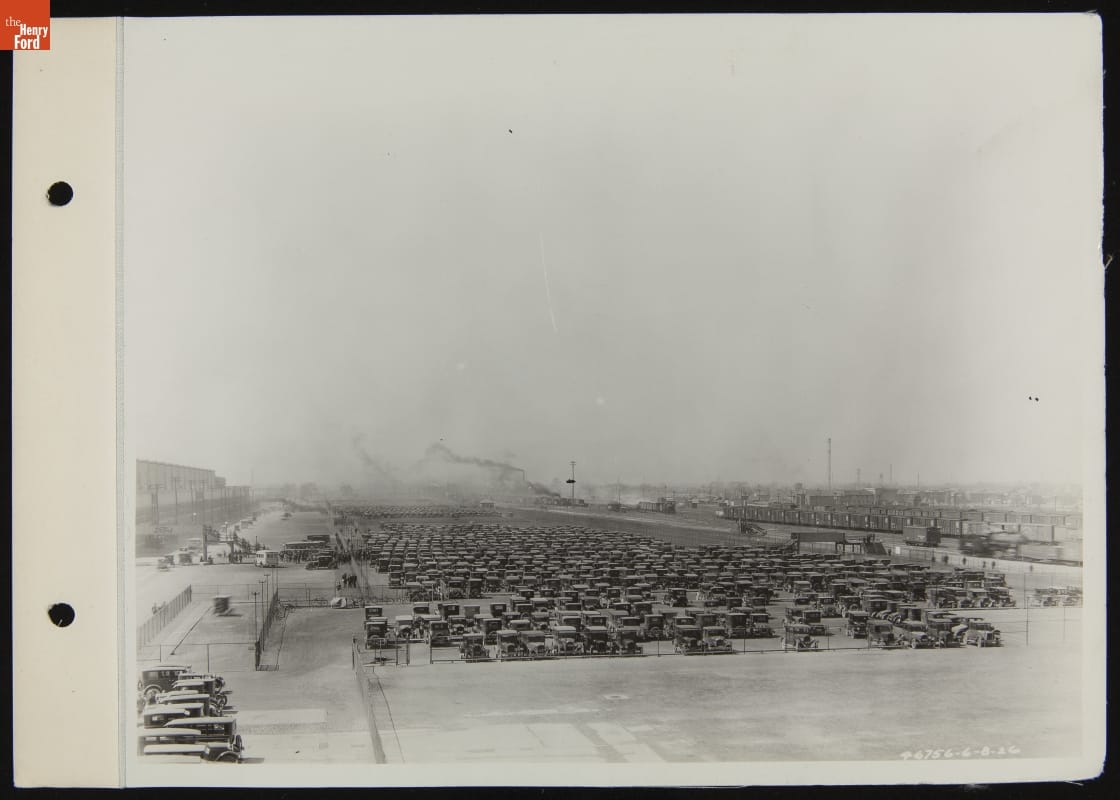
- Parking Lot at Rouge Plant, June 1926 - Not surprisingly, many Ford vehicles can be spotted in this photograph of an employee parking lot at the company's Rouge plant. It's a tradition at the Rouge to reserve closer parking lots for "family" vehicles -- cars and trucks from brands owned by Ford Motor Company.
- June 08, 1926
- Collections - Artifact
Parking Lot at Rouge Plant, June 1926
Not surprisingly, many Ford vehicles can be spotted in this photograph of an employee parking lot at the company's Rouge plant. It's a tradition at the Rouge to reserve closer parking lots for "family" vehicles -- cars and trucks from brands owned by Ford Motor Company.
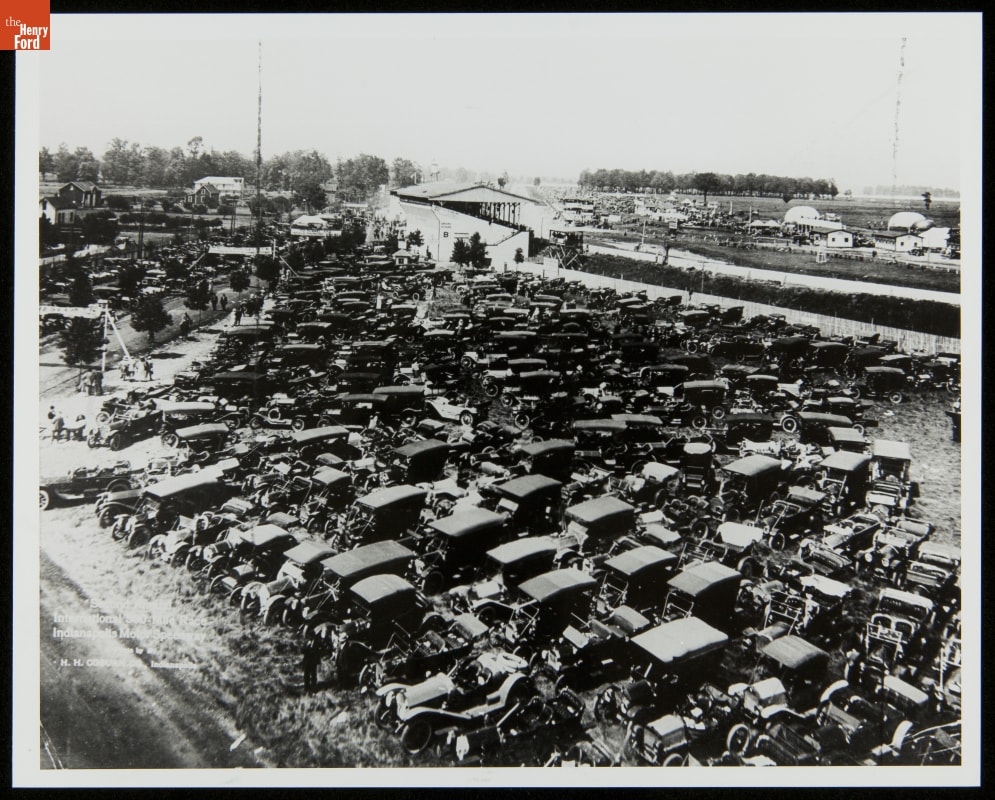
- Parking Lot Outside Turn One, Indianapolis Speedway - Indianapolis Motor Speedway held its first Indianapolis 500-Mile Race in 1911. The inaugural race's (then) unusual length and considerable prize money attracted some 80,000 spectators. Large crowds continued to come in the following years, as shown by this jumble of cars in a parking lot at the 1912 race.
- 1912
- Collections - Artifact
Parking Lot Outside Turn One, Indianapolis Speedway
Indianapolis Motor Speedway held its first Indianapolis 500-Mile Race in 1911. The inaugural race's (then) unusual length and considerable prize money attracted some 80,000 spectators. Large crowds continued to come in the following years, as shown by this jumble of cars in a parking lot at the 1912 race.
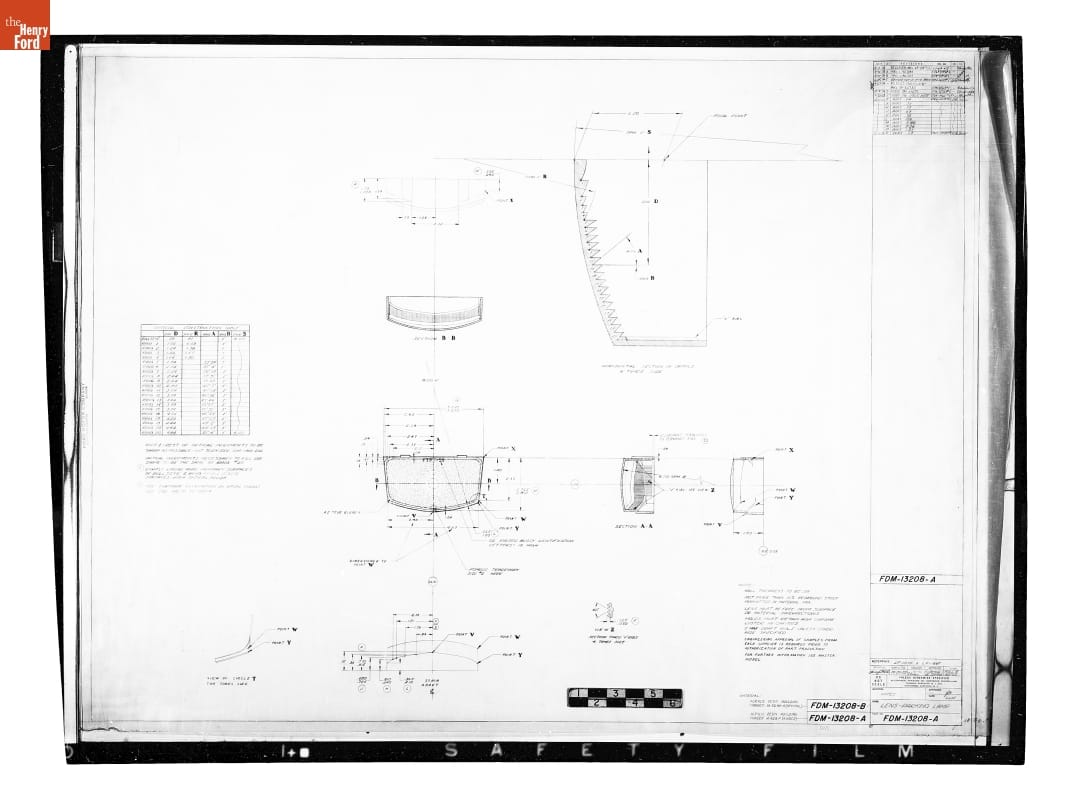
- Drawing, "Lens - Parking Lamp," Ford Automobile, December 10, 1955 - The Ford Motor Company created over a million parts drawings from 1903 to 1957. Many of these drawings specify engineering requirements for the components of Ford-made vehicles--including automobiles, trucks, tractors, military vehicles and Tri-motor airplanes. Others document assembly components, stages of casting and forging, or experimental designs. Beginning in the 1940s, Ford transferred the drawings to microfilm.
- December 10, 1955
- Collections - Artifact
Drawing, "Lens - Parking Lamp," Ford Automobile, December 10, 1955
The Ford Motor Company created over a million parts drawings from 1903 to 1957. Many of these drawings specify engineering requirements for the components of Ford-made vehicles--including automobiles, trucks, tractors, military vehicles and Tri-motor airplanes. Others document assembly components, stages of casting and forging, or experimental designs. Beginning in the 1940s, Ford transferred the drawings to microfilm.
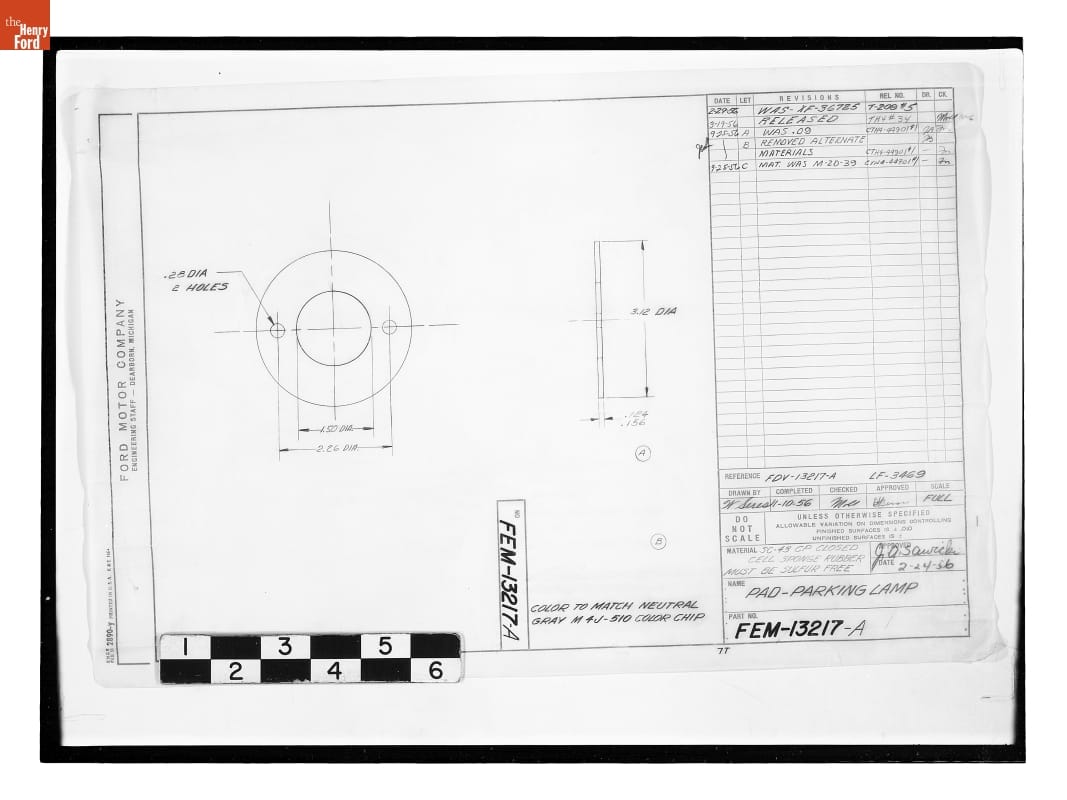
- Drawing, "Pad - Parking Lamp," Ford Automobile, September 25, 1956 - The Ford Motor Company created over a million parts drawings from 1903 to 1957. Many of these drawings specify engineering requirements for the components of Ford-made vehicles--including automobiles, trucks, tractors, military vehicles and Tri-motor airplanes. Others document assembly components, stages of casting and forging, or experimental designs. Beginning in the 1940s, Ford transferred the drawings to microfilm.
- September 25, 1956
- Collections - Artifact
Drawing, "Pad - Parking Lamp," Ford Automobile, September 25, 1956
The Ford Motor Company created over a million parts drawings from 1903 to 1957. Many of these drawings specify engineering requirements for the components of Ford-made vehicles--including automobiles, trucks, tractors, military vehicles and Tri-motor airplanes. Others document assembly components, stages of casting and forging, or experimental designs. Beginning in the 1940s, Ford transferred the drawings to microfilm.
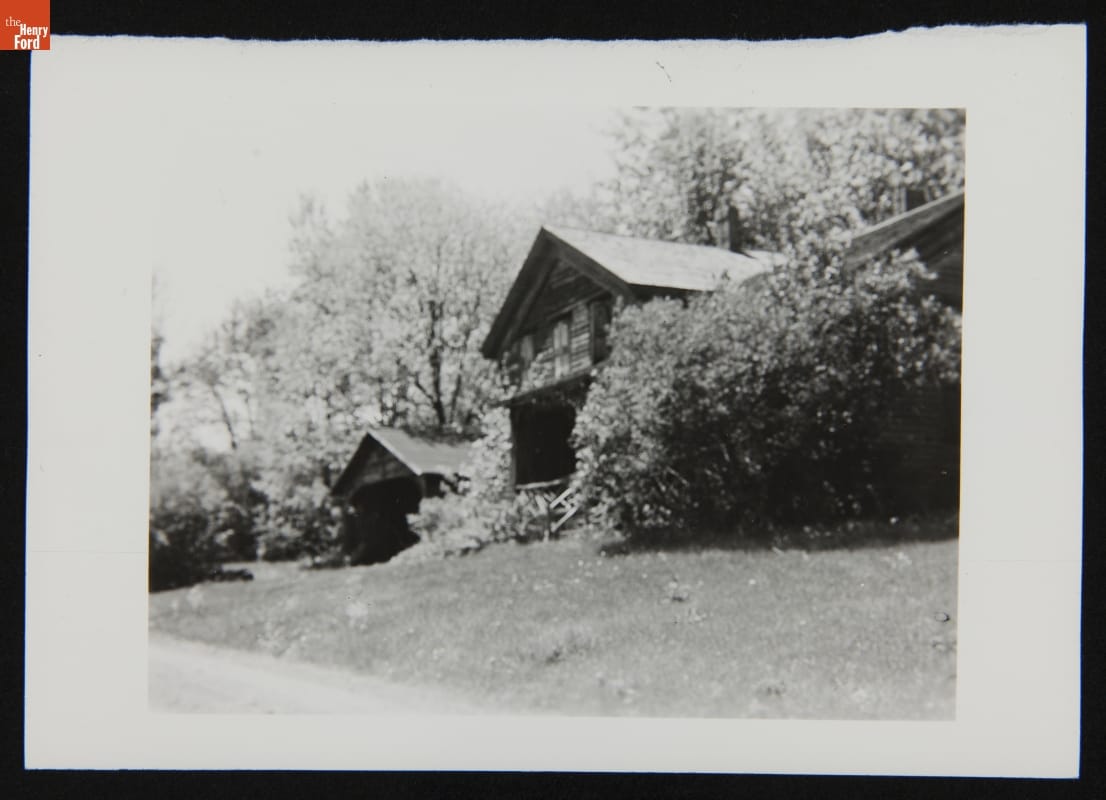
- Woodchuck Lodge and Parking Shed, Roxbury, New York, 1944 - John Burroughs (1837-1921) was an internationally known naturalist and essayist. In 1913, with financial assistance from Henry Ford, Burroughs purchased the house built by his brother Curtis on land near Burroughs's birthplace in Roxbury, New York. Woodchuck Lodge, as Burroughs referred to it, became his summer retreat. Henry Ford purchased the property after Burroughs's death. It was sold back to the Burroughs's son, Julian, in 1947.
- May 19, 1944
- Collections - Artifact
Woodchuck Lodge and Parking Shed, Roxbury, New York, 1944
John Burroughs (1837-1921) was an internationally known naturalist and essayist. In 1913, with financial assistance from Henry Ford, Burroughs purchased the house built by his brother Curtis on land near Burroughs's birthplace in Roxbury, New York. Woodchuck Lodge, as Burroughs referred to it, became his summer retreat. Henry Ford purchased the property after Burroughs's death. It was sold back to the Burroughs's son, Julian, in 1947.
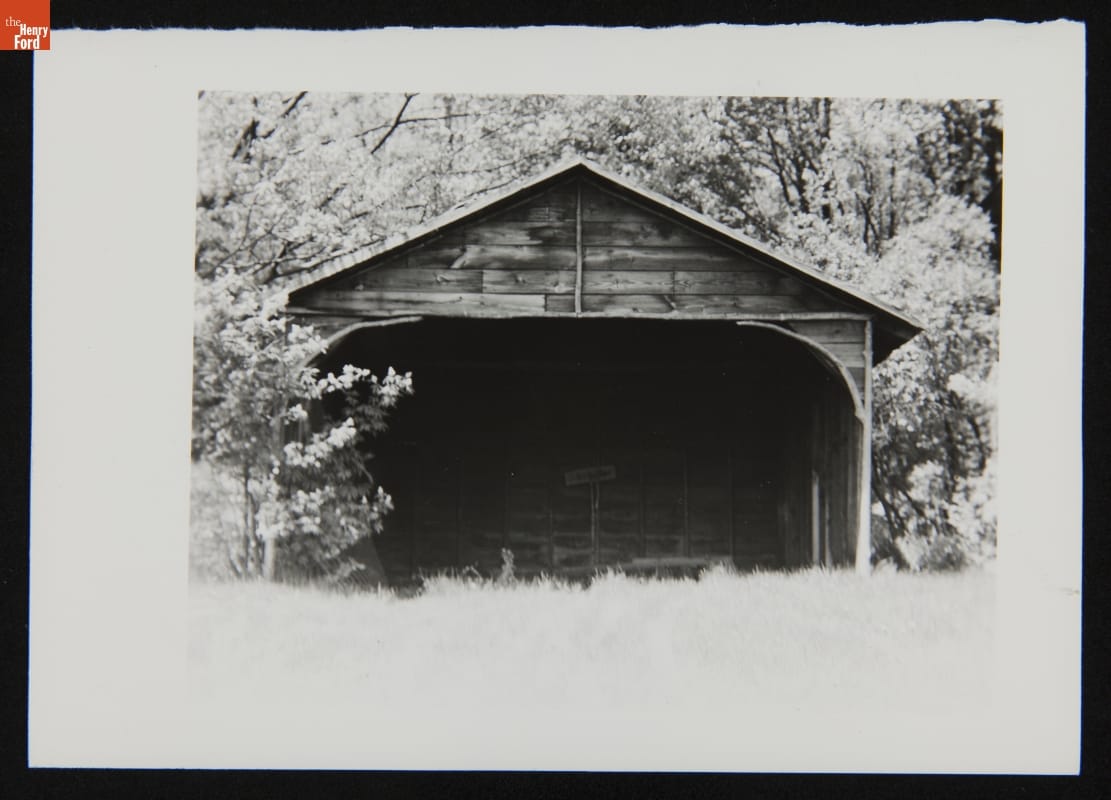
- Parking Shed at Woodchuck Lodge, Roxbury, New York, 1944 - John Burroughs (1837-1921) was an internationally known naturalist and essayist. In 1913, with financial assistance from Henry Ford, Burroughs purchased the house built by his brother Curtis on land near Burroughs's birthplace in Roxbury, New York. Woodchuck Lodge, as Burroughs referred to it, became his summer retreat. Henry Ford purchased the property after Burroughs's death. It was sold back to the Burroughs's son, Julian, in 1947.
- May 19, 1944
- Collections - Artifact
Parking Shed at Woodchuck Lodge, Roxbury, New York, 1944
John Burroughs (1837-1921) was an internationally known naturalist and essayist. In 1913, with financial assistance from Henry Ford, Burroughs purchased the house built by his brother Curtis on land near Burroughs's birthplace in Roxbury, New York. Woodchuck Lodge, as Burroughs referred to it, became his summer retreat. Henry Ford purchased the property after Burroughs's death. It was sold back to the Burroughs's son, Julian, in 1947.