
Twin Parking Meter, circa 1938
THF101923 / Twin Parking Meter, circa 1938
01
Artifact Overview
By the 1920s, automobile parking in cities was chaotic. City governments tried widening streets, prohibiting parking near intersections, and marking parking spaces. Finally, it was the parking meter, introduced in 1935, that proved workable and enforceable. This early parking meter, designed for two cars, was used in Hamtramck, Michigan. Parking cost five cents per hour, except on Sunday and holidays.
Artifact Details
Artifact
Parking meter
Date Made
circa 1938
Place of Creation
Creator Notes
Made by International Meters, Inc., a subsidary of American LaFrance, in Elmira, New York.
Location
at Henry Ford Museum in Driving America
Object ID
79.17.1
Credit
From the Collections of The Henry Ford. Gift of City of Detroit Meter Shop.
Material
Metal
Color
Gray (Color)
Black (Color)
Red
Dimensions
Height: 16.5 in
Width: 6 in
Length: 5.875 in
Inscriptions
In red: NICKEL / ONLY
In black: THIS / arrow / CAR
On sides: INSERT / arrow / NICKEL / 60 / MINUTES / 1 NICKEL / DURING HOURS ON SIGN / EXCEPT SUNDAYS & HOLIDAYS / CITY OF HAMTRAMCK / TRAFFIC CONTROL DIVISION
On back, in yellow: 19
Keywords |
|---|
02
Related Content
 Set
SetParking
- 27 Artifacts
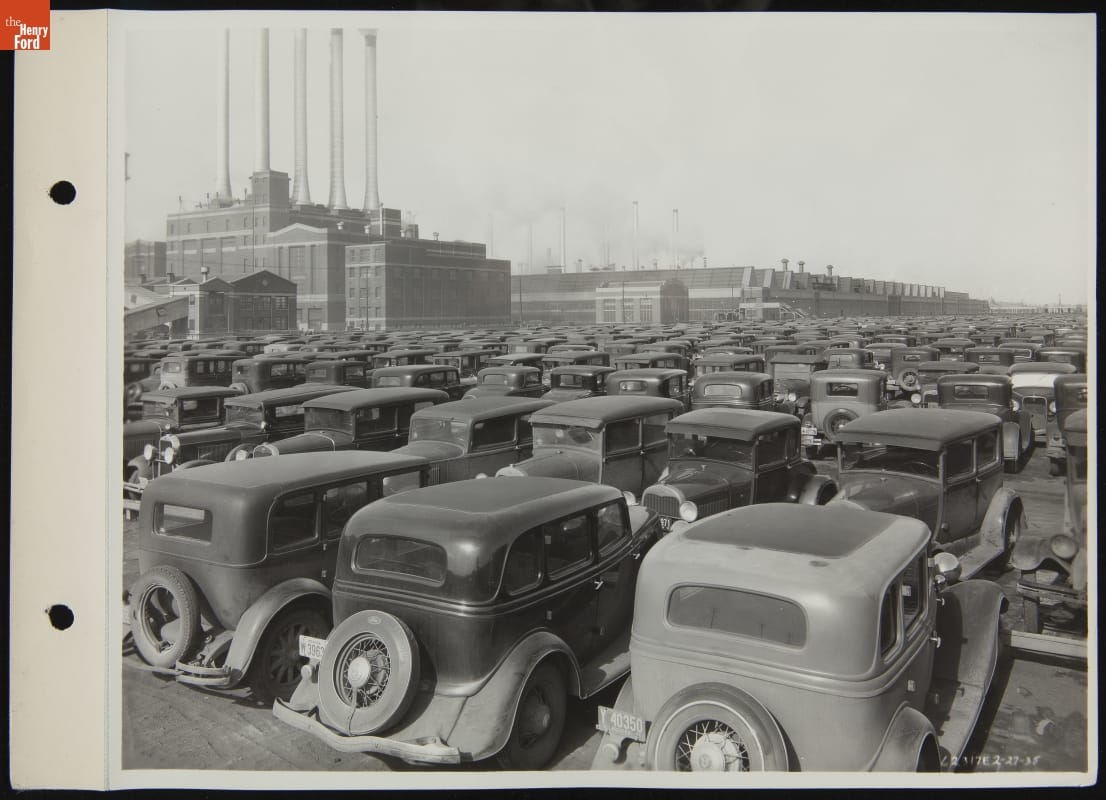
America's cars symbolize mobility, but they spend 95 percent of their time parked. Storing cars is a longstanding challenge, and every solution brings new problems. Parking lots and structures transform urban and suburban landscapes, parking meters and tickets exasperate city drivers, and residential garages have moved from the back yard onto the house itself. There are as many as a billion parking spots in the United States -- one heck of a lot.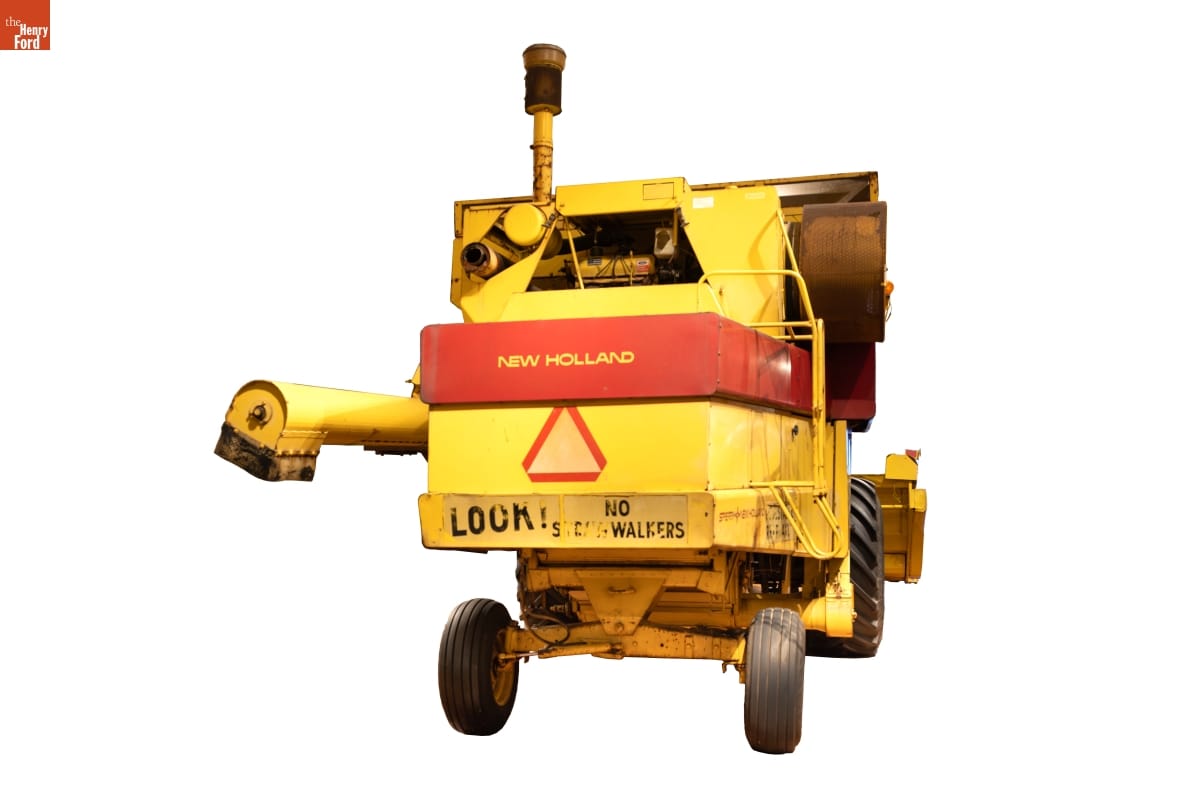 Set
SetFeatured on The Henry Ford’s Innovation Nation: Season 9
- 26 Artifacts
Engineers designed the TR70 as a compact machine suitable for hilly terrain. The twin rotors (TR) shelled corn or threshed grain and moved it through the combine's body. Setting the rotors at an angle (axial) shortened the machine. Farmers changed the front-end attachment to harvest corn, beans, or wheat. Stencils on this prototype, exhibited at trade shows, explained additional features.