
Search
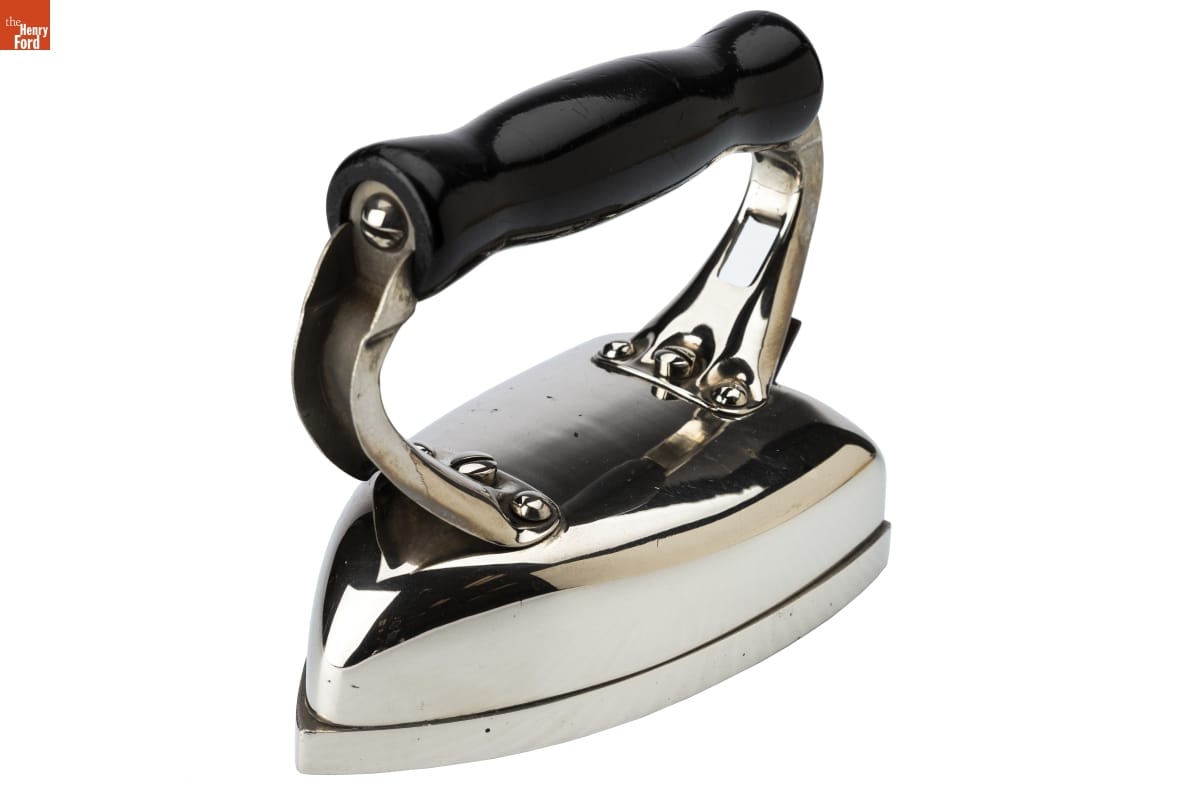
- Westinghouse Electric Iron, 1908-1918 -
- 1908-1918
- Collections - Artifact
Westinghouse Electric Iron, 1908-1918
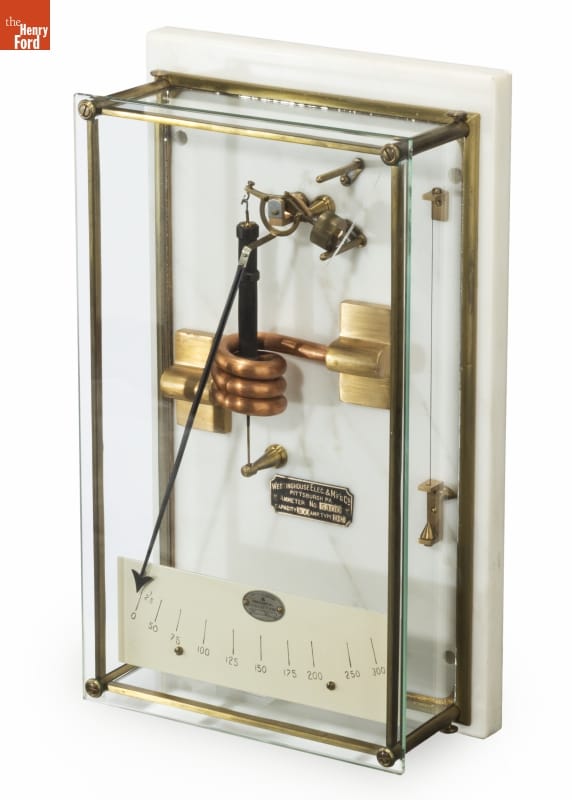
- Westinghouse Ammeter, circa 1895 - In the late 1800s and early 1900s, companies that supplied electricity to consumers needed a variety of instruments to regulate and monitor electrical output. These instruments were vital to the operation of power stations and needed to be accurate and rugged. Ammeters--used to measure the current in a circuit--could be found on switchboards or connected to motors and generators.
- circa 1895
- Collections - Artifact
Westinghouse Ammeter, circa 1895
In the late 1800s and early 1900s, companies that supplied electricity to consumers needed a variety of instruments to regulate and monitor electrical output. These instruments were vital to the operation of power stations and needed to be accurate and rugged. Ammeters--used to measure the current in a circuit--could be found on switchboards or connected to motors and generators.
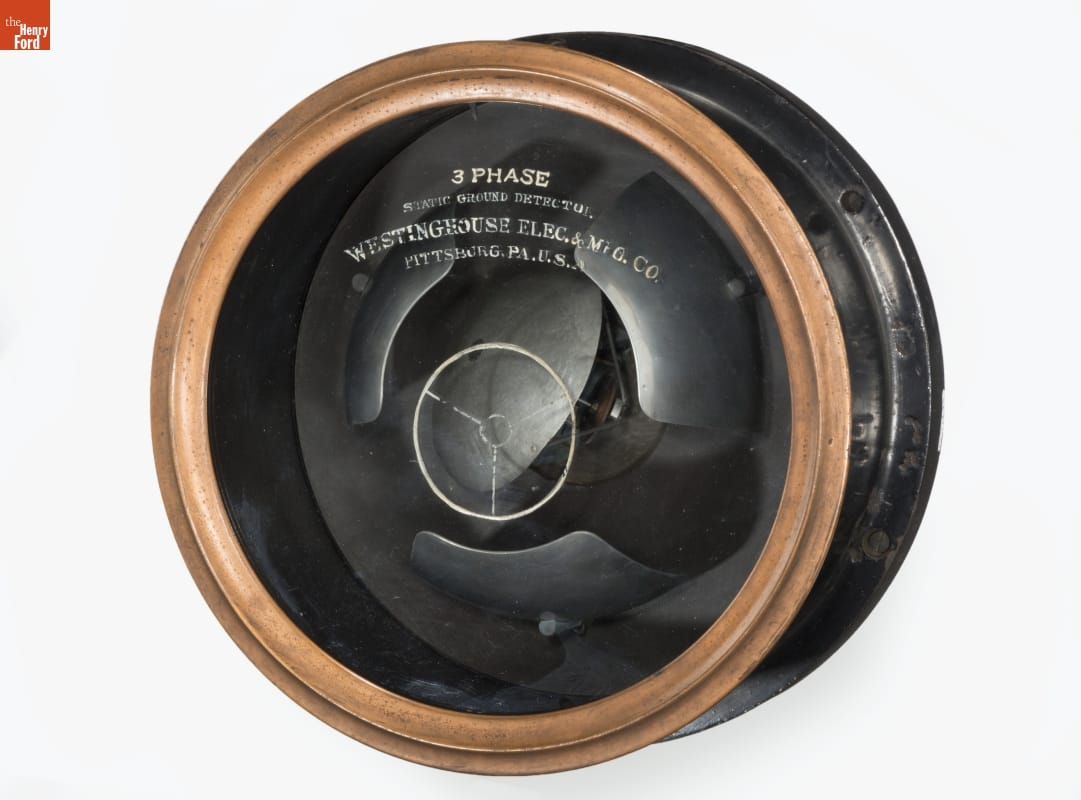
- Westinghouse Ground Detector, circa 1900 -
- circa 1900
- Collections - Artifact
Westinghouse Ground Detector, circa 1900
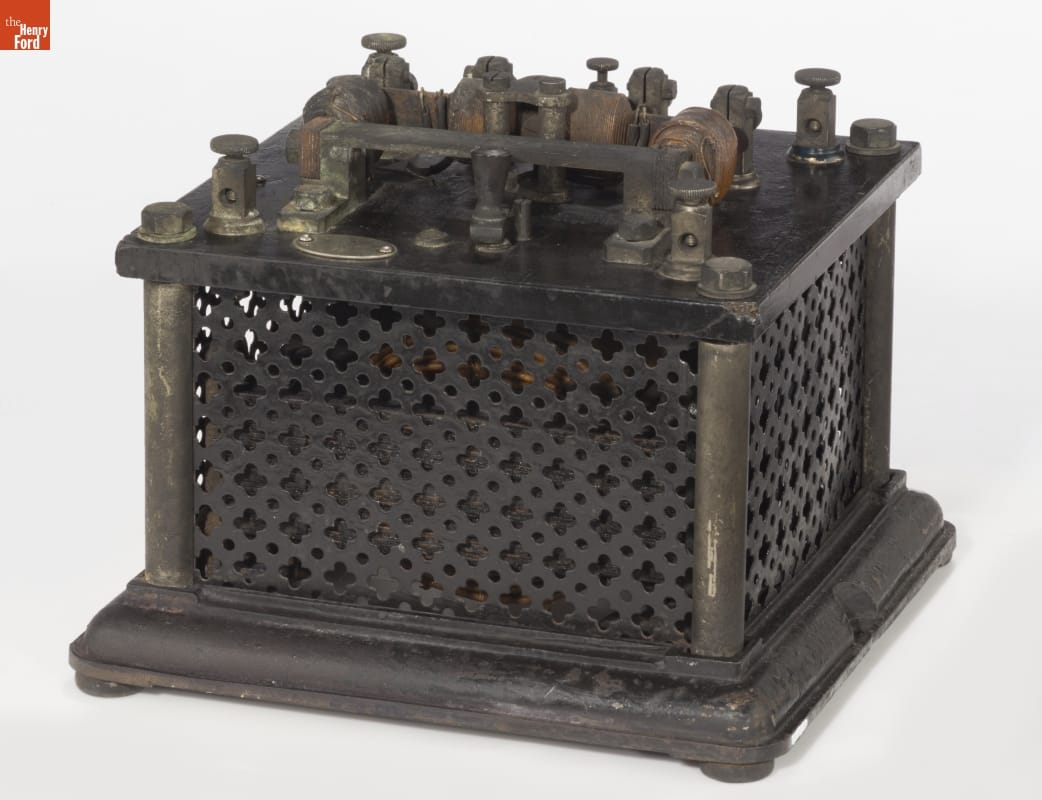
- Westinghouse Vibrating Rectifier, 1910-1920 -
- 1910-1920
- Collections - Artifact
Westinghouse Vibrating Rectifier, 1910-1920
- U.S. Electric Lighting Company Dynamo, circa 1880 -
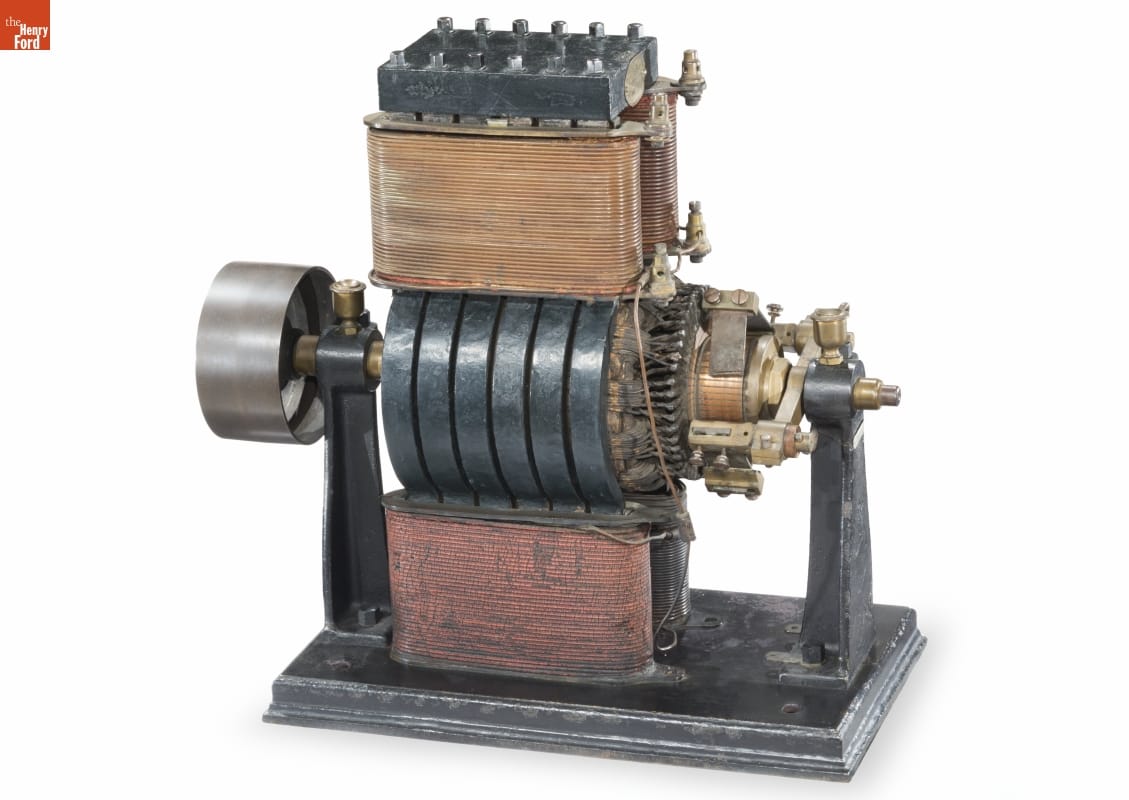
- circa 1880
- Collections - Artifact
U.S. Electric Lighting Company Dynamo, circa 1880
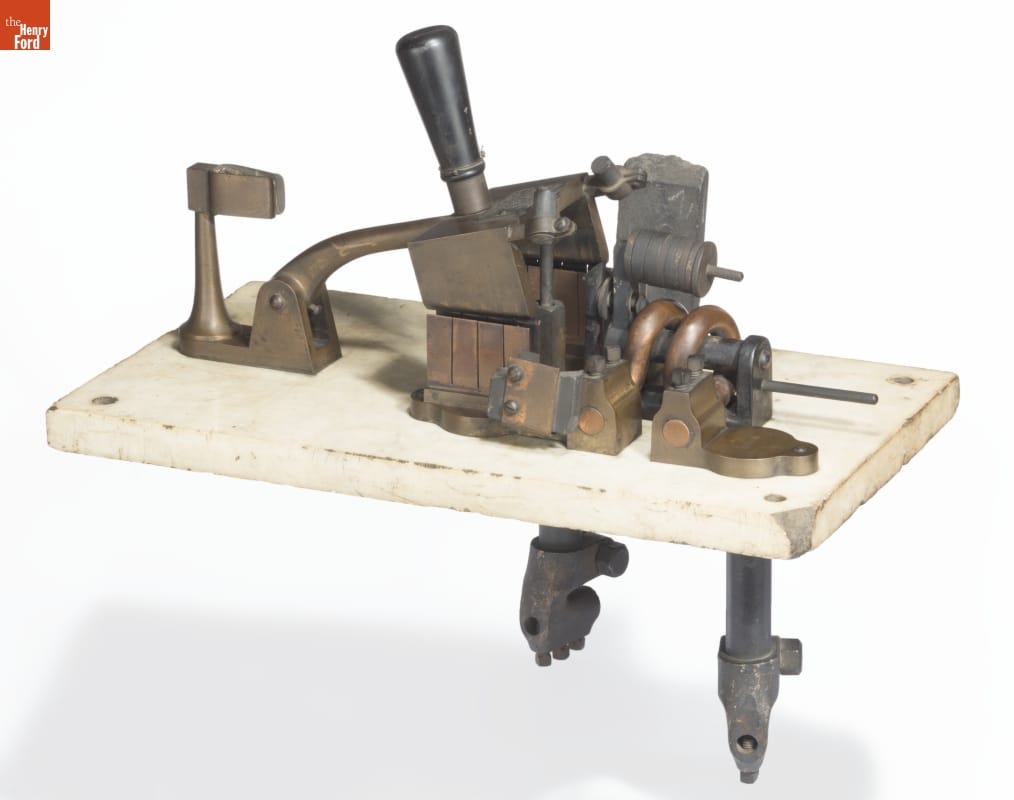
- Westinghouse Type A Circuit Breaker, circa 1904 - In the late 1800s, as companies began producing electricity to light cities, run streetcars, and power factories, homes and offices, new apparatus was needed to safely deliver and use electricity. Excess current in a circuit could damage electric lines and equipment. Circuit breakers protected electrical circuits by automatically interrupting the power flow during an event overload.
- circa 1904
- Collections - Artifact
Westinghouse Type A Circuit Breaker, circa 1904
In the late 1800s, as companies began producing electricity to light cities, run streetcars, and power factories, homes and offices, new apparatus was needed to safely deliver and use electricity. Excess current in a circuit could damage electric lines and equipment. Circuit breakers protected electrical circuits by automatically interrupting the power flow during an event overload.
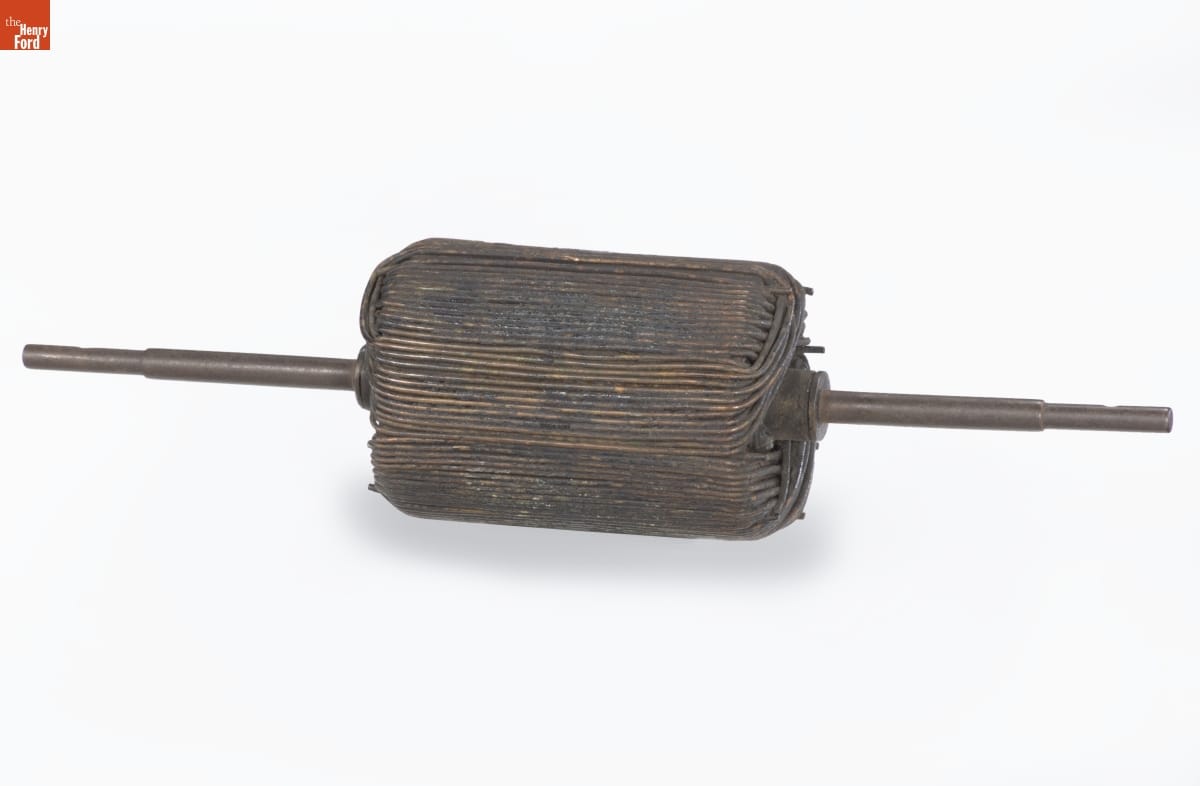
- Rotor for Westinghouse Induction Motor, 1889-1895 -
- 1889-1895
- Collections - Artifact
Rotor for Westinghouse Induction Motor, 1889-1895
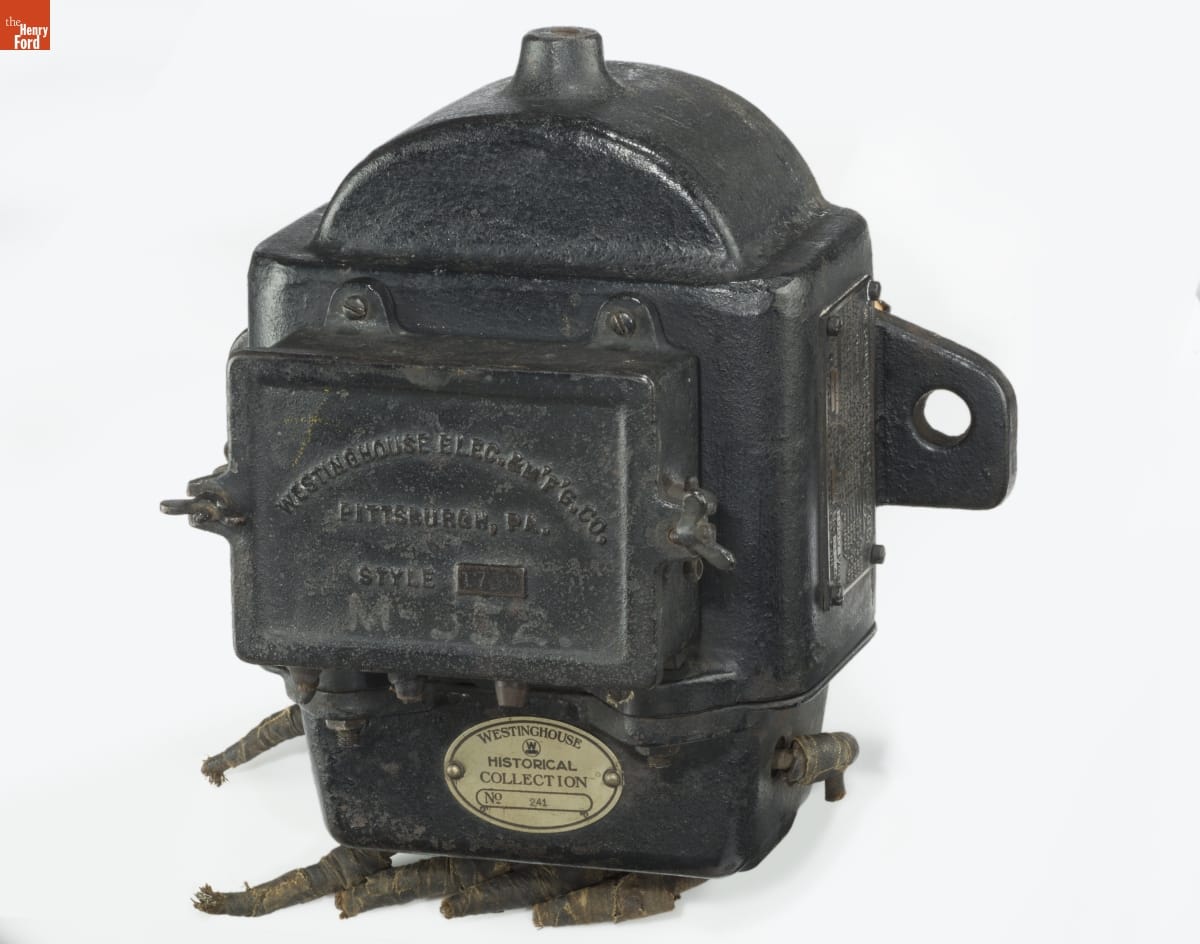
- Westinghouse Transformer and Style 1750 Fuse Block, 1893-1910 - Transformers increase or decrease voltage and are essential to alternating current (AC) power systems. In the late 1800s, with the help of transformers, AC power systems proved more efficient and economical than their direct current competitors. Transformers helped convert electricity to high voltage for transmission across long distances, then reduced it to lower, safer voltages for use in homes and factories.
- 1893-1910
- Collections - Artifact
Westinghouse Transformer and Style 1750 Fuse Block, 1893-1910
Transformers increase or decrease voltage and are essential to alternating current (AC) power systems. In the late 1800s, with the help of transformers, AC power systems proved more efficient and economical than their direct current competitors. Transformers helped convert electricity to high voltage for transmission across long distances, then reduced it to lower, safer voltages for use in homes and factories.
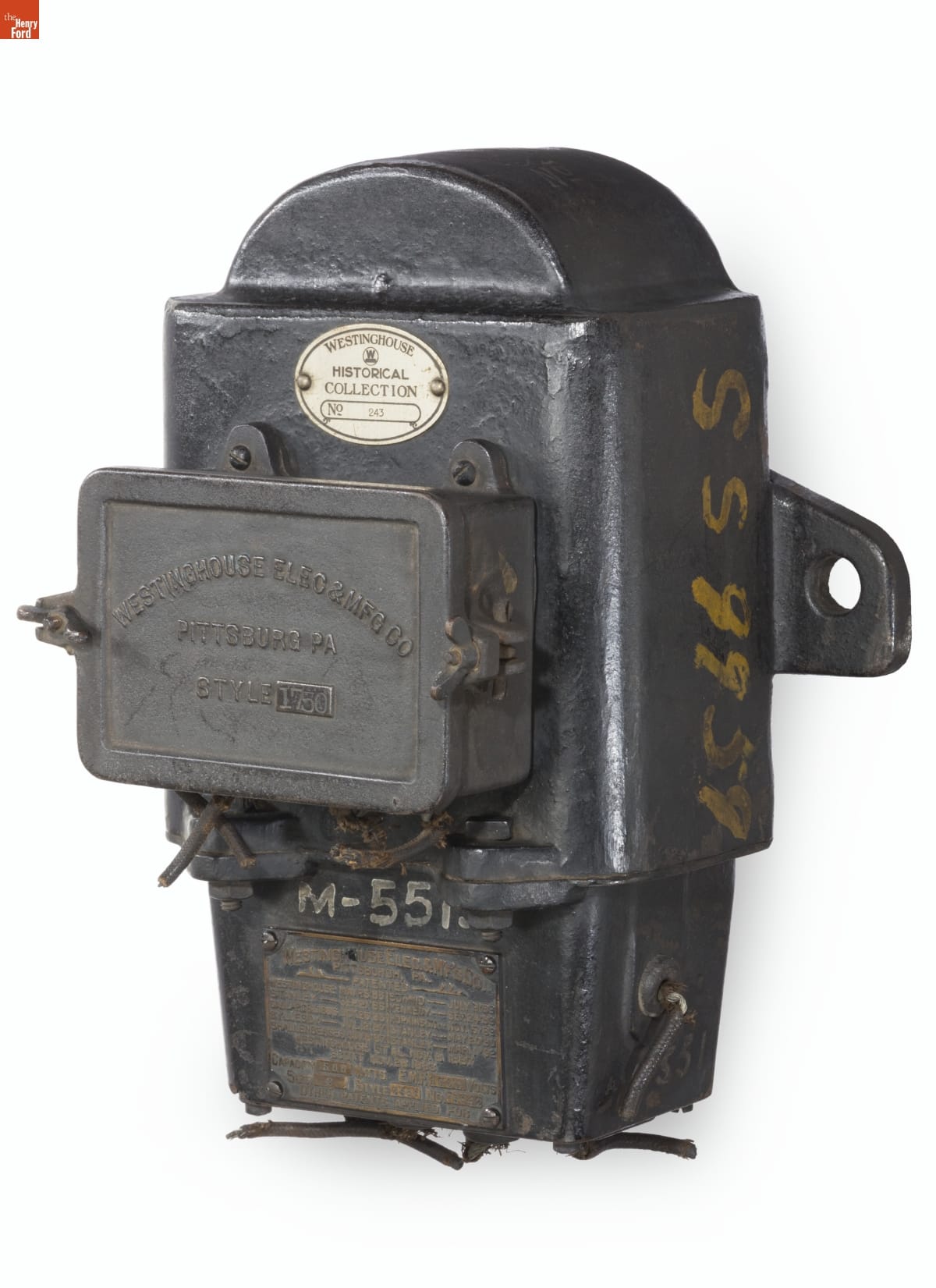
- Westinghouse Type CS Transformer and Style 1750 Fuse Block, 1893-1910 - Transformers increase or decrease voltage and are essential to alternating current (AC) power systems. In the late 1800s, with the help of transformers, AC power systems proved more efficient and economical than their direct current competitors. Transformers helped convert electricity to high voltage for transmission across long distances, then reduced it to lower, safer voltages for use in homes and factories.
- 1893-1910
- Collections - Artifact
Westinghouse Type CS Transformer and Style 1750 Fuse Block, 1893-1910
Transformers increase or decrease voltage and are essential to alternating current (AC) power systems. In the late 1800s, with the help of transformers, AC power systems proved more efficient and economical than their direct current competitors. Transformers helped convert electricity to high voltage for transmission across long distances, then reduced it to lower, safer voltages for use in homes and factories.
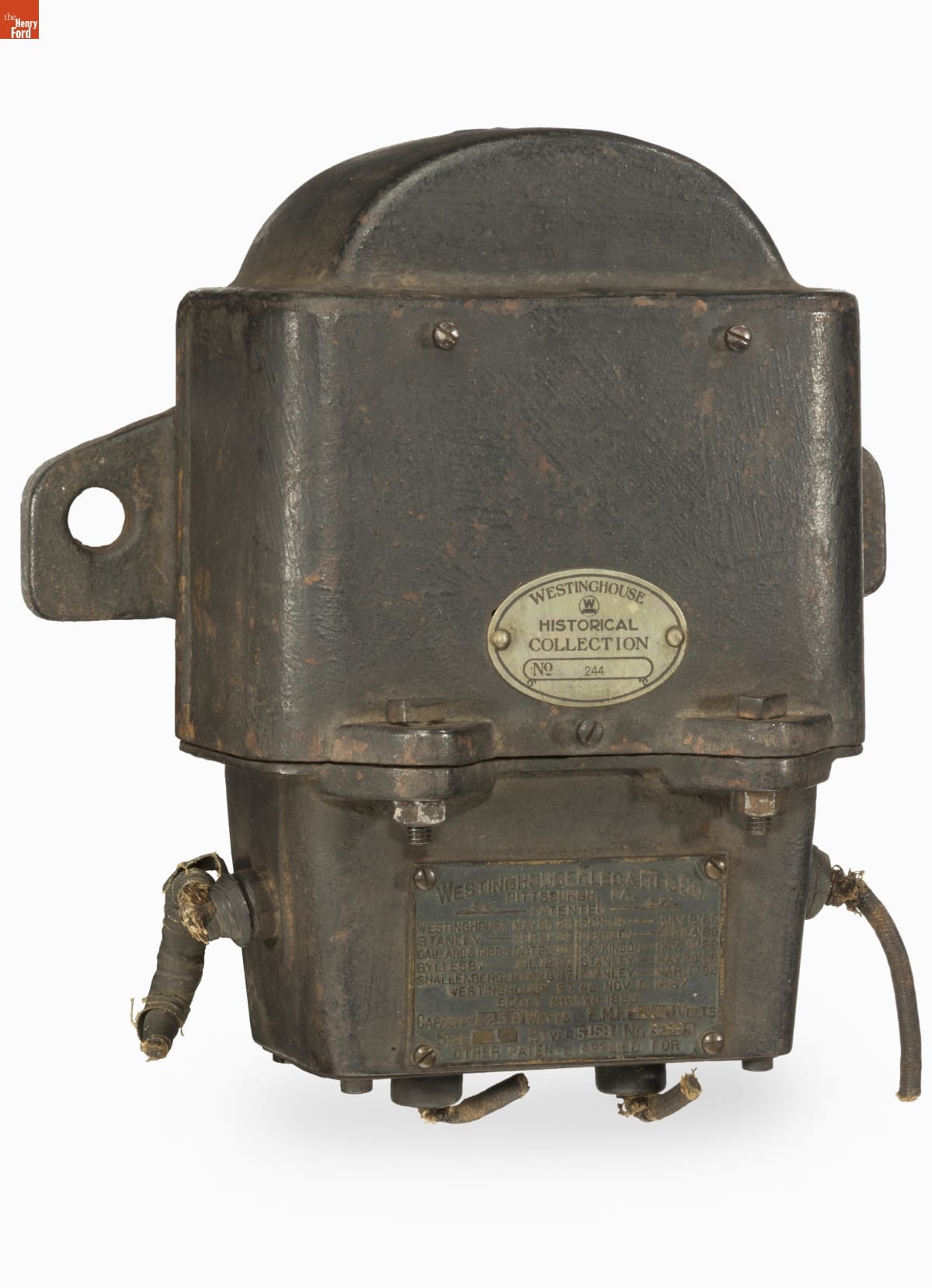
- Westinghouse Type CS Transformer, 1897-1915 - Transformers increase or decrease voltage and are essential to alternating current (AC) power systems. In the late 1800s, with the help of transformers, AC power systems proved more efficient and economical than their direct current competitors. Transformers helped convert electricity to high voltage for transmission across long distances, then reduced it to lower, safer voltages for use in homes and factories.
- 1897-1915
- Collections - Artifact
Westinghouse Type CS Transformer, 1897-1915
Transformers increase or decrease voltage and are essential to alternating current (AC) power systems. In the late 1800s, with the help of transformers, AC power systems proved more efficient and economical than their direct current competitors. Transformers helped convert electricity to high voltage for transmission across long distances, then reduced it to lower, safer voltages for use in homes and factories.