
Search
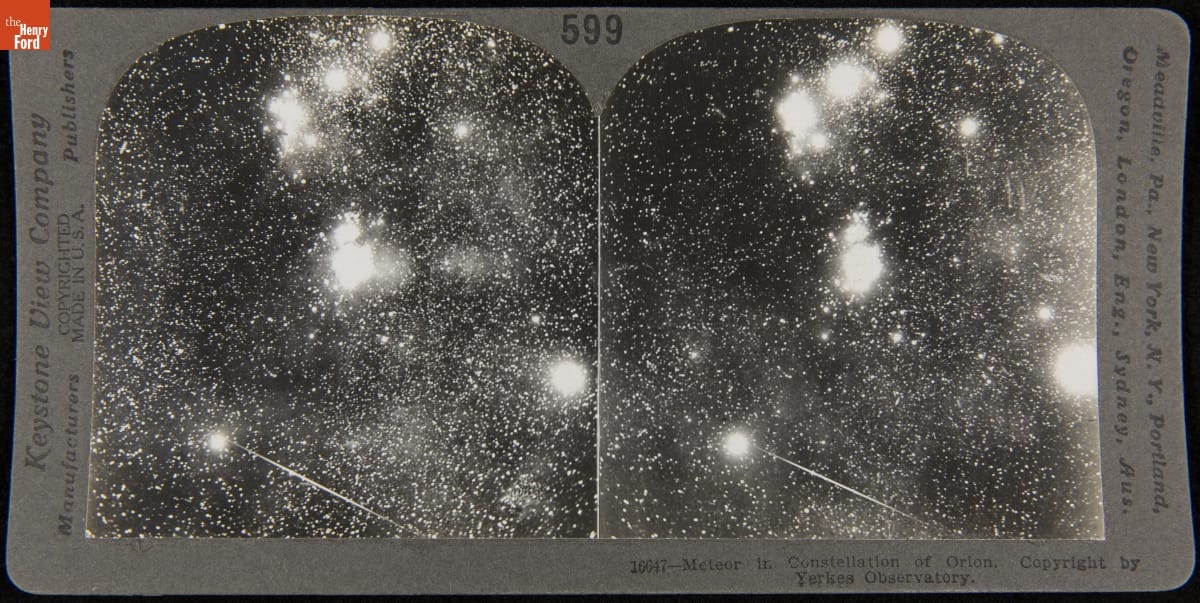
- Stereograph, "Meteor in Constellation of Orion," 1904 - Americans loved stereographs -- millions were made from the mid-1800s through the 1930s. A stereograph consists of two offset photos that appear to have three-dimensional depth when viewed through a stereoscope. These images entertained and educated. Stereographs could transport viewers to distant events, exotic places, and even worlds beyond, like this image of the Orion constellation.
- November 15, 1904
- Collections - Artifact
Stereograph, "Meteor in Constellation of Orion," 1904
Americans loved stereographs -- millions were made from the mid-1800s through the 1930s. A stereograph consists of two offset photos that appear to have three-dimensional depth when viewed through a stereoscope. These images entertained and educated. Stereographs could transport viewers to distant events, exotic places, and even worlds beyond, like this image of the Orion constellation.
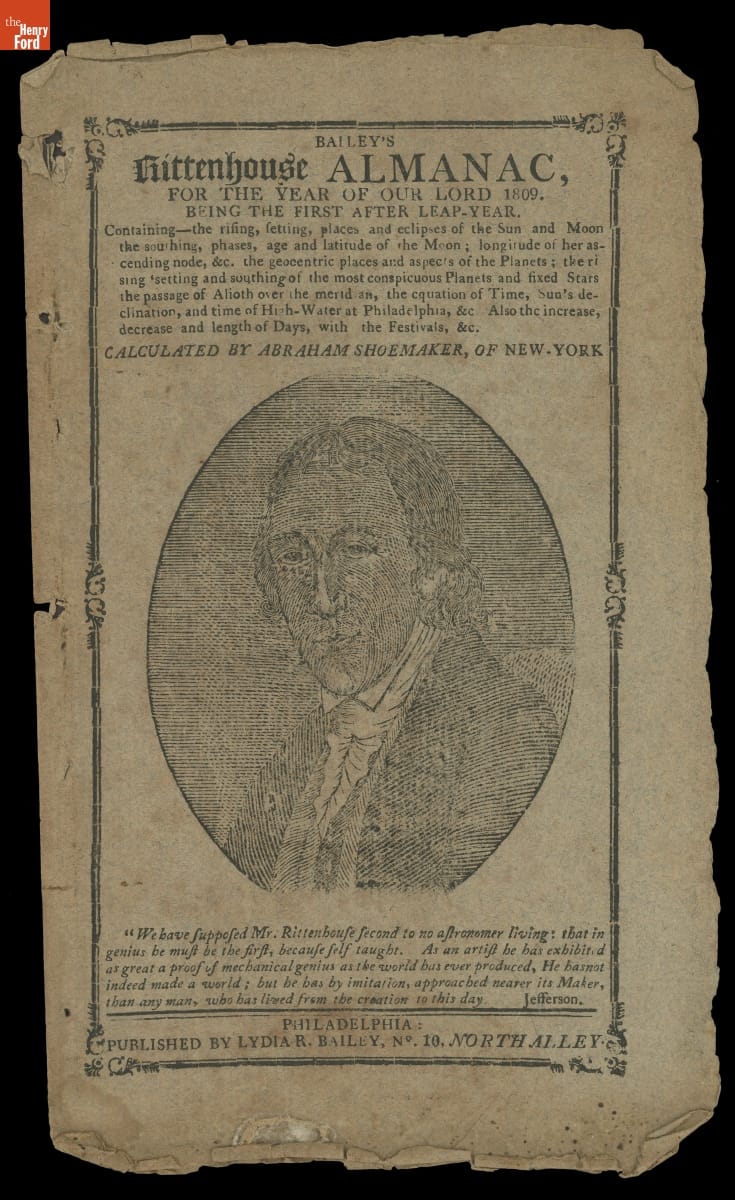
- "Bailey's Rittenhouse Almanac, for the Year of our Lord 1809" - Bailey's Rittenhouse Almanac, named for the noted astronomer David Rittenhouse (1732-1796), was a Philadelphia-focused almanac providing astronomical calculations (times of sunrises and sets, the tides, moon phases, and eclipses, etc.) The almanac also provided remedies, recipes, court schedules, and bits of sage advice among its pages. The almanac's printer, Lydia Bailey, operated one of Philadelphia's largest printing shops.
- 1809
- Collections - Artifact
"Bailey's Rittenhouse Almanac, for the Year of our Lord 1809"
Bailey's Rittenhouse Almanac, named for the noted astronomer David Rittenhouse (1732-1796), was a Philadelphia-focused almanac providing astronomical calculations (times of sunrises and sets, the tides, moon phases, and eclipses, etc.) The almanac also provided remedies, recipes, court schedules, and bits of sage advice among its pages. The almanac's printer, Lydia Bailey, operated one of Philadelphia's largest printing shops.
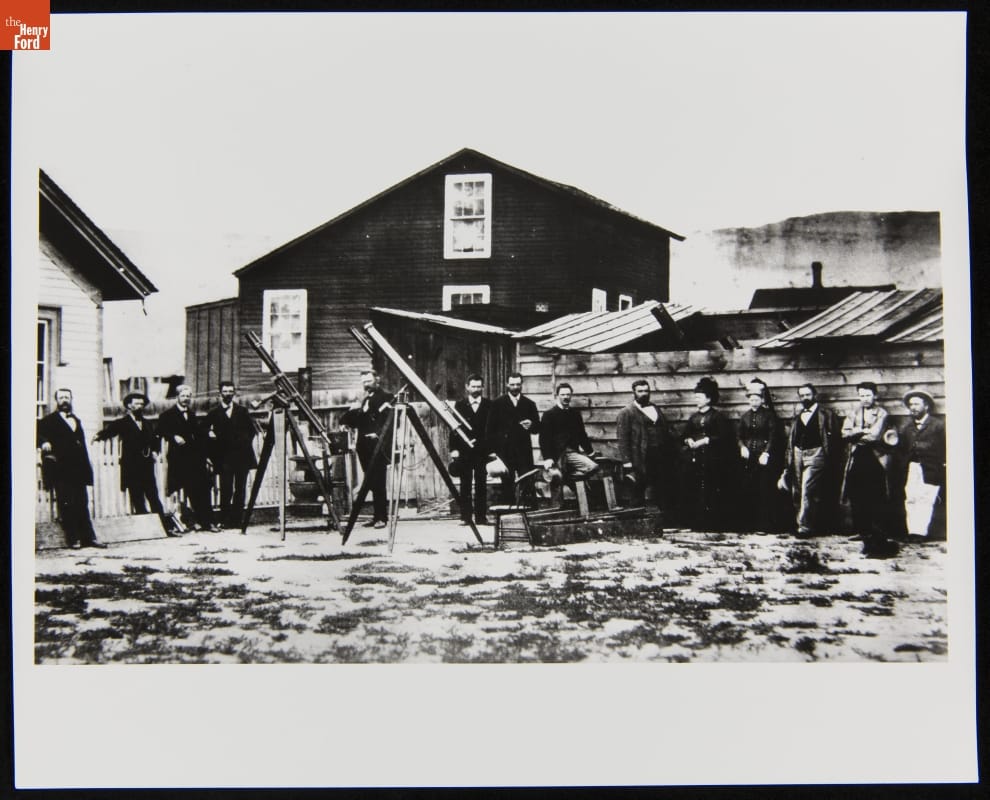
- Thomas Edison with Henry Draper's Expedition to View the July 1878 Solar Eclipse, Rawlins, Wyoming Territory -
- July 01, 1878
- Collections - Artifact
Thomas Edison with Henry Draper's Expedition to View the July 1878 Solar Eclipse, Rawlins, Wyoming Territory
- "Scientific American," Vol. 39, July-December 1878 -

- July 1878-December 1878
- Collections - Artifact
"Scientific American," Vol. 39, July-December 1878
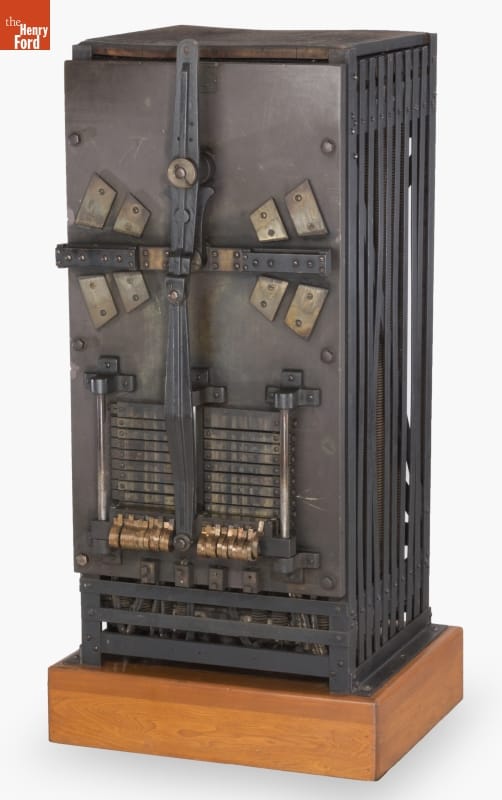
- Motor Controller Used at the Yerkes Observatory, Williams Bay, Wisconsin, circa 1897 -
- circa 1897
- Collections - Artifact
Motor Controller Used at the Yerkes Observatory, Williams Bay, Wisconsin, circa 1897
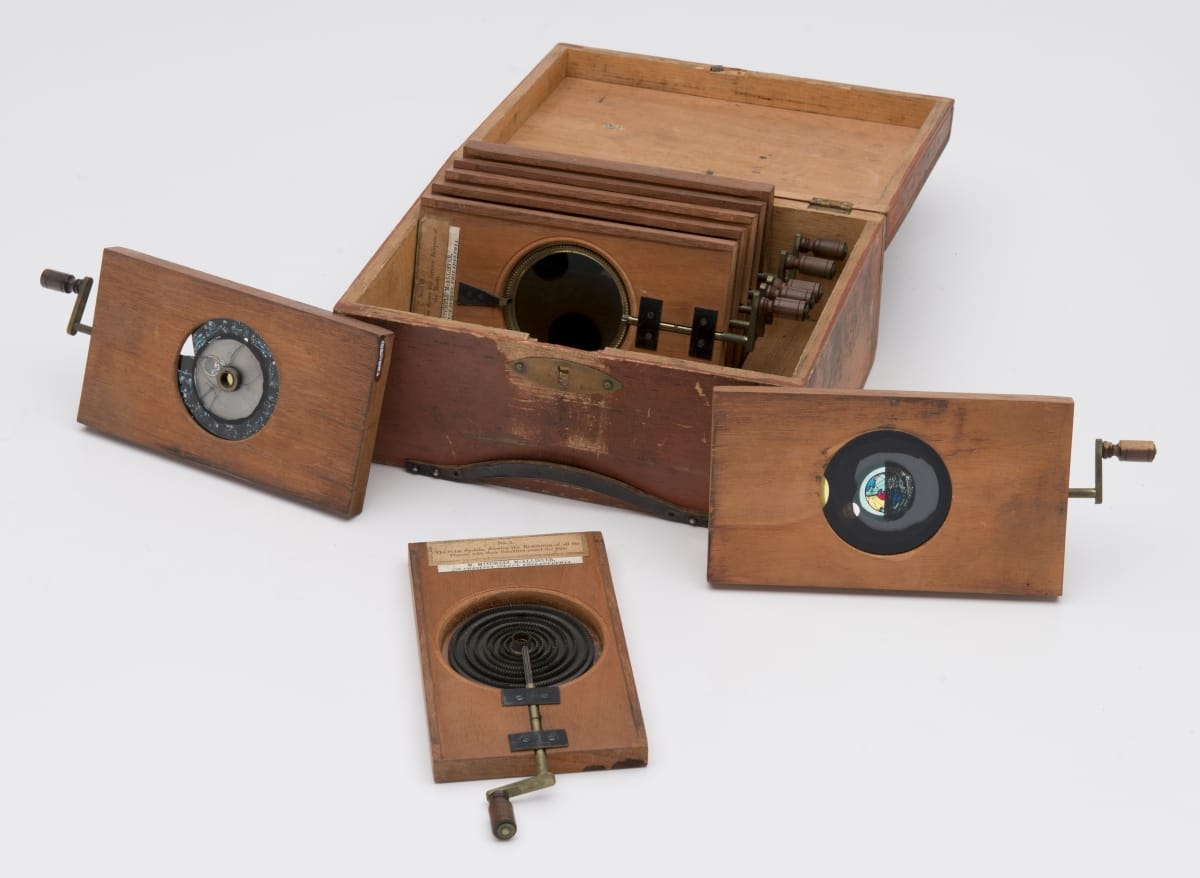
- Astronomical Lantern Slides and Admission Tickets, 1872-1900 - Magic lanterns use a concave mirror and light source to project images on glass slides with painted or photographic scenes. Developed in the 17th century, magic lanterns predate slide projectors and motion pictures. In the hands of magicians, they became "lanterns of fright," projecting wondrous images and apparitions. Slide themes ranged widely: exotic travel, folklore, advertising, history, science, and art.
- 1872-1900
- Collections - Artifact
Astronomical Lantern Slides and Admission Tickets, 1872-1900
Magic lanterns use a concave mirror and light source to project images on glass slides with painted or photographic scenes. Developed in the 17th century, magic lanterns predate slide projectors and motion pictures. In the hands of magicians, they became "lanterns of fright," projecting wondrous images and apparitions. Slide themes ranged widely: exotic travel, folklore, advertising, history, science, and art.
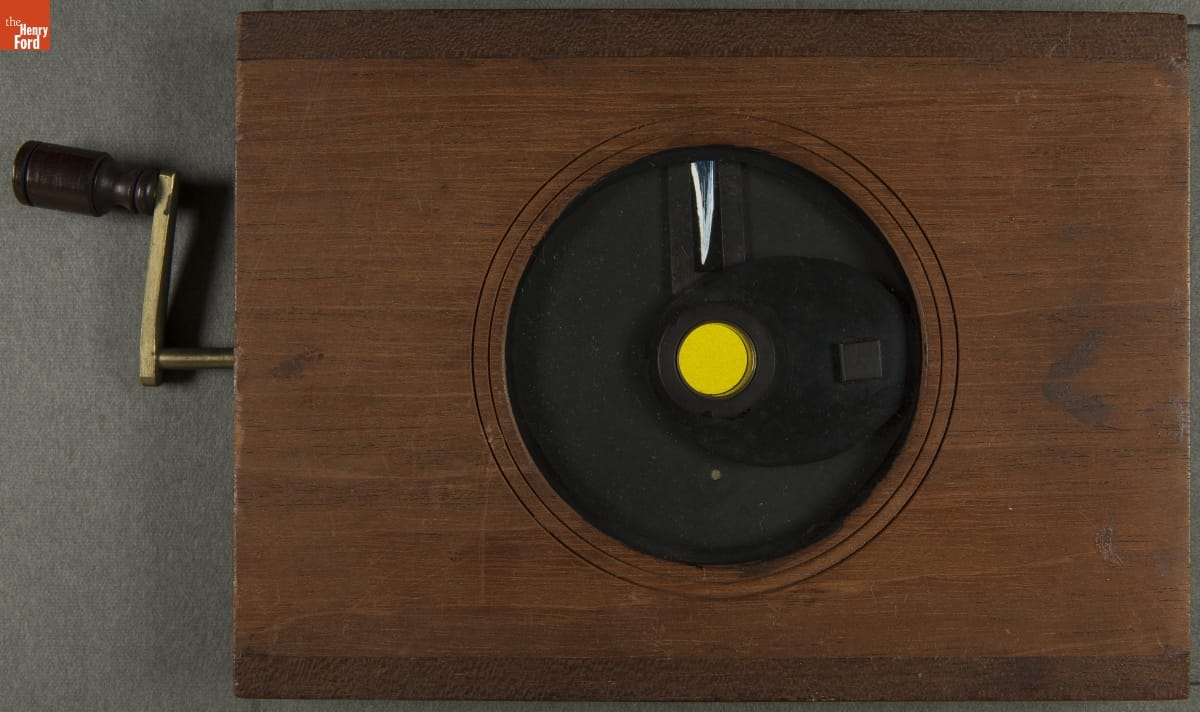
- Mechanical Lantern Slide, Movement of a Comet, 1860-1900 - Magic lanterns use a concave mirror and light source to project images on glass slides with painted or photographic scenes. Developed in the 17th century, magic lanterns predate slide projectors and motion pictures. In the hands of magicians, they became "lanterns of fright," projecting wondrous images and apparitions. Slide themes ranged widely: exotic travel, folklore, advertising, history, science, and art.
- 1860-1900
- Collections - Artifact
Mechanical Lantern Slide, Movement of a Comet, 1860-1900
Magic lanterns use a concave mirror and light source to project images on glass slides with painted or photographic scenes. Developed in the 17th century, magic lanterns predate slide projectors and motion pictures. In the hands of magicians, they became "lanterns of fright," projecting wondrous images and apparitions. Slide themes ranged widely: exotic travel, folklore, advertising, history, science, and art.
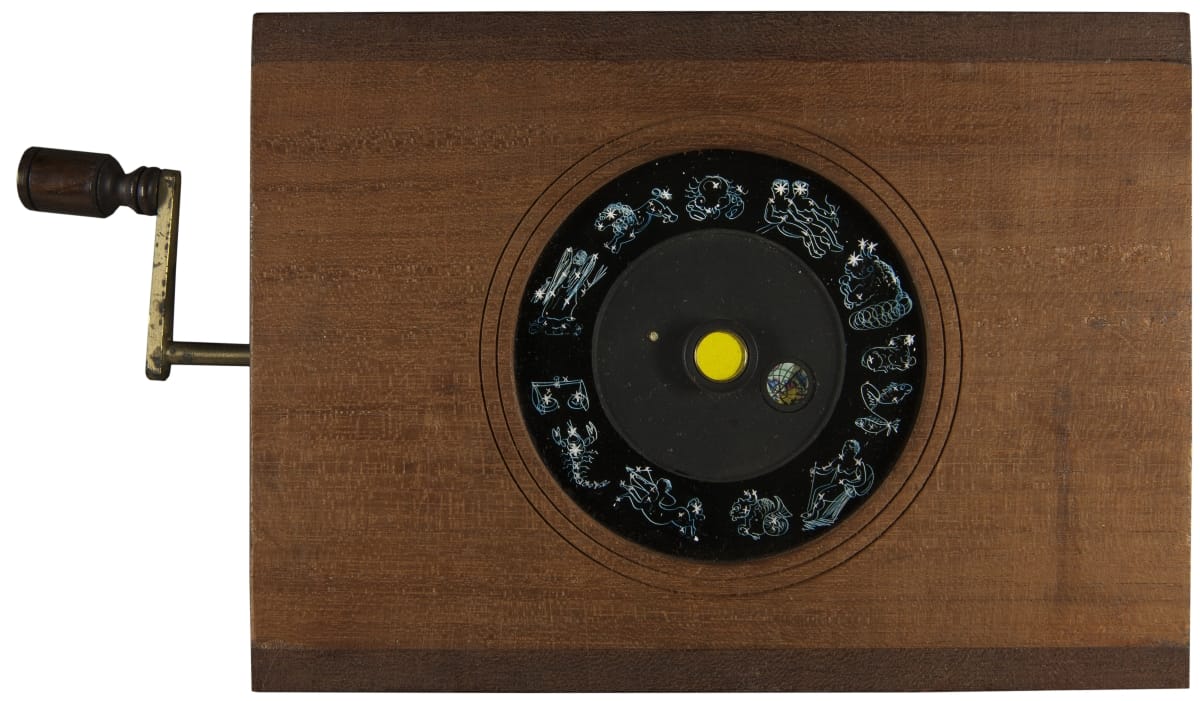
- Mechanical Lantern Slide, Earth's Orbit and Astrological Constellations, 1860-1900 - Magic lanterns use a concave mirror and light source to project images on glass slides with painted or photographic scenes. Developed in the 17th century, magic lanterns predate slide projectors and motion pictures. In the hands of magicians, they became "lanterns of fright," projecting wondrous images and apparitions. Slide themes ranged widely: exotic travel, folklore, advertising, history, science, and art.
- 1860-1900
- Collections - Artifact
Mechanical Lantern Slide, Earth's Orbit and Astrological Constellations, 1860-1900
Magic lanterns use a concave mirror and light source to project images on glass slides with painted or photographic scenes. Developed in the 17th century, magic lanterns predate slide projectors and motion pictures. In the hands of magicians, they became "lanterns of fright," projecting wondrous images and apparitions. Slide themes ranged widely: exotic travel, folklore, advertising, history, science, and art.
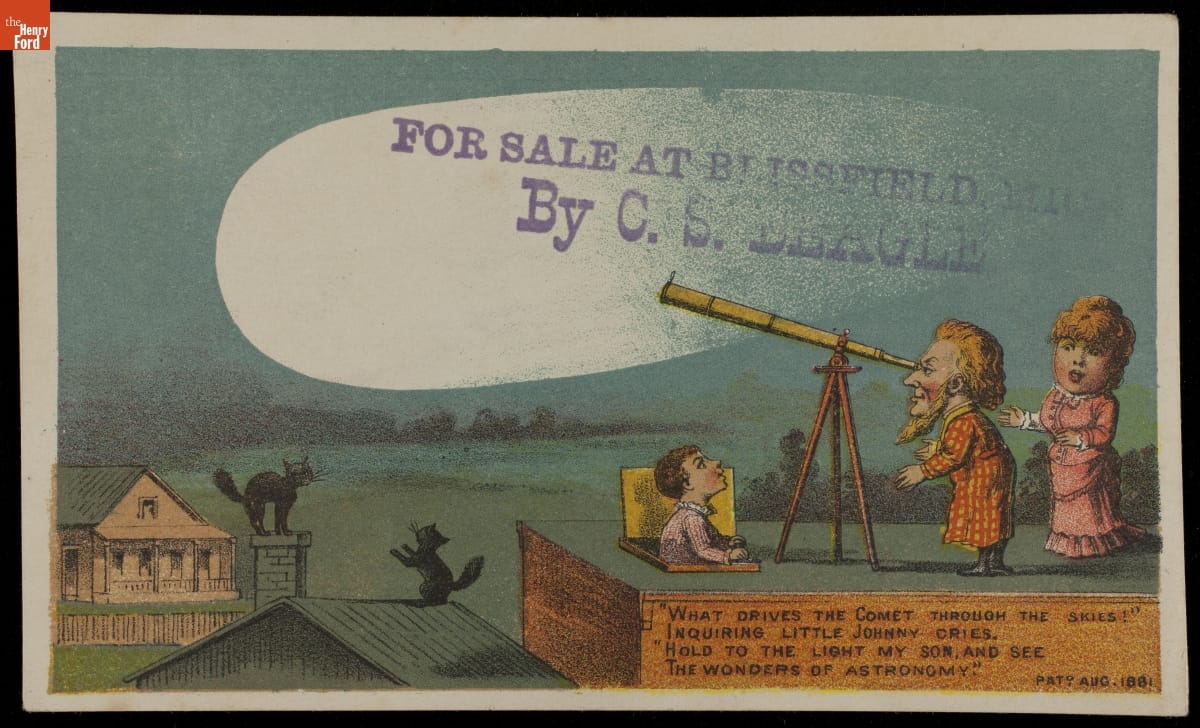
- Trade Card for Jackson Wagons, Austin, Tomlinson & Webster Mfg. Co., 1881-1900 - In the last third of the nineteenth century, an unprecedented variety of consumer goods flooded the American market. Some enterprising advertisers sought to distinguish their products from the competition by distributing trade cards. Special versions revealed hidden images and words when held to the light. Americans enjoyed and often saved the popular little advertisements, which survive as historical records of consumerism in the United States.
- 1881-1900
- Collections - Artifact
Trade Card for Jackson Wagons, Austin, Tomlinson & Webster Mfg. Co., 1881-1900
In the last third of the nineteenth century, an unprecedented variety of consumer goods flooded the American market. Some enterprising advertisers sought to distinguish their products from the competition by distributing trade cards. Special versions revealed hidden images and words when held to the light. Americans enjoyed and often saved the popular little advertisements, which survive as historical records of consumerism in the United States.
- "Scientific American," Vol. 38, January-June 1878 -

- July 1878-December 1878
- Collections - Artifact
"Scientific American," Vol. 38, January-June 1878