
Search
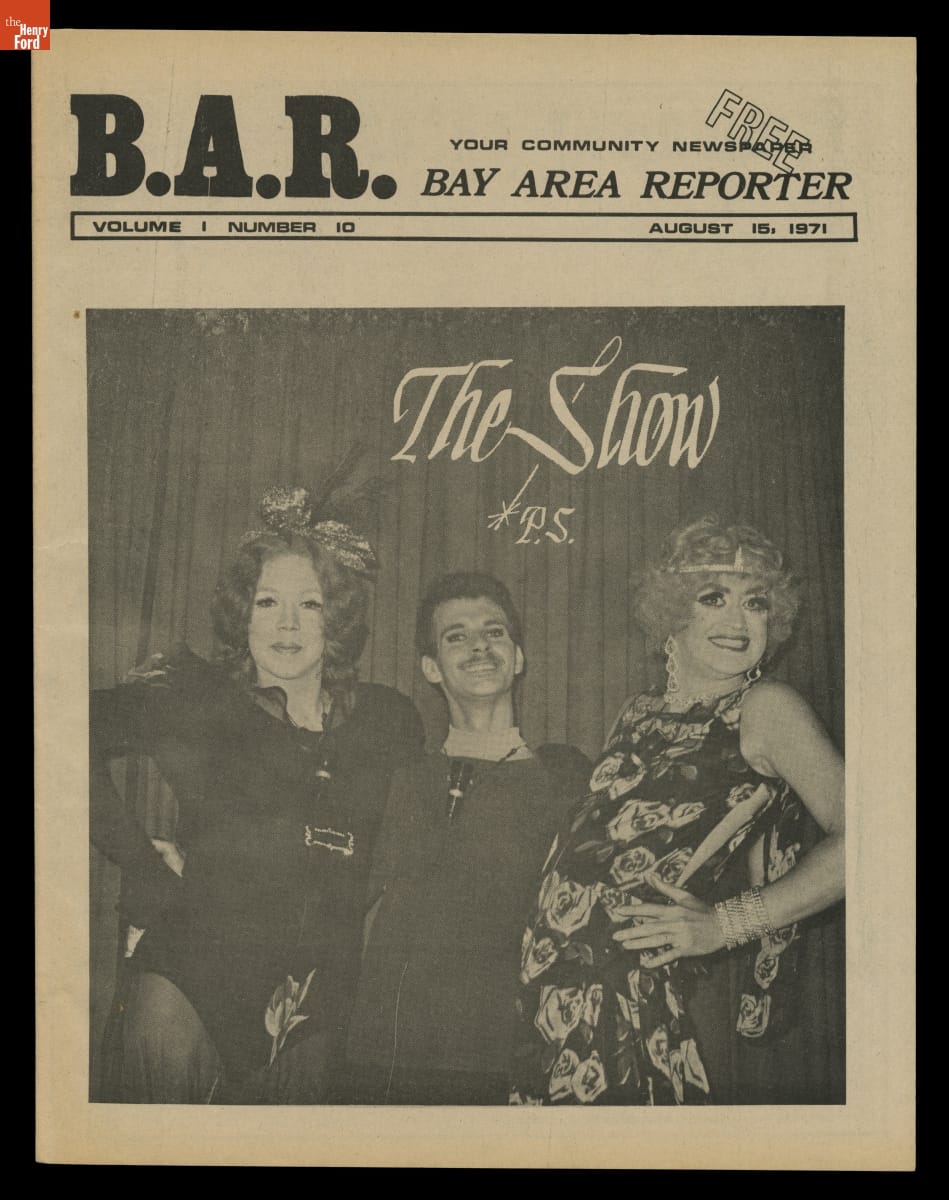
- "B.A.R.: Bay Area Reporter," Volume 1, Number 10, August 15, 1971 -
- August 15, 1971
- Collections - Artifact
"B.A.R.: Bay Area Reporter," Volume 1, Number 10, August 15, 1971
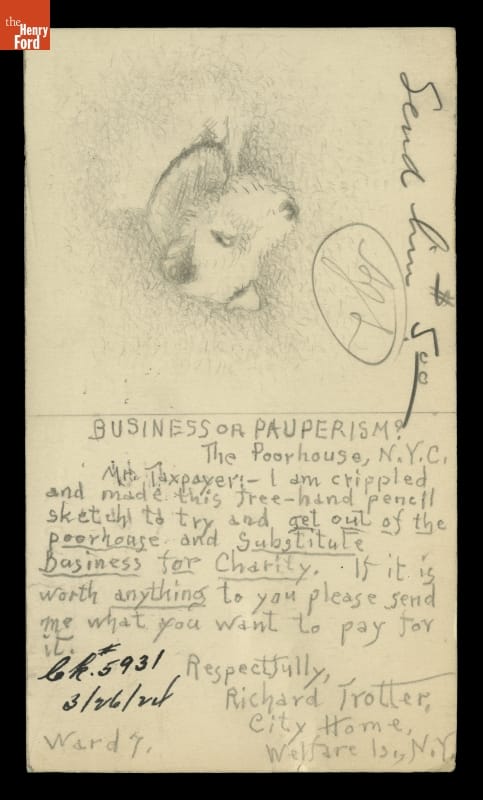
- Letter from Richard Trotter to Edsel Ford, Offering to Sell Drawings, March 20, 1924 -
- March 20, 1924
- Collections - Artifact
Letter from Richard Trotter to Edsel Ford, Offering to Sell Drawings, March 20, 1924
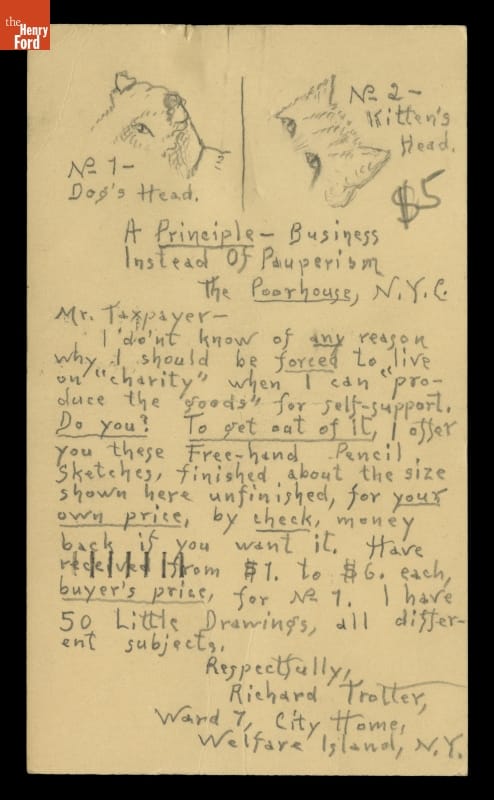
- Letter from Richard Trotter to Edsel Ford, Offering to Sell Drawings, December 18, 1924 -
- December 18, 1924
- Collections - Artifact
Letter from Richard Trotter to Edsel Ford, Offering to Sell Drawings, December 18, 1924
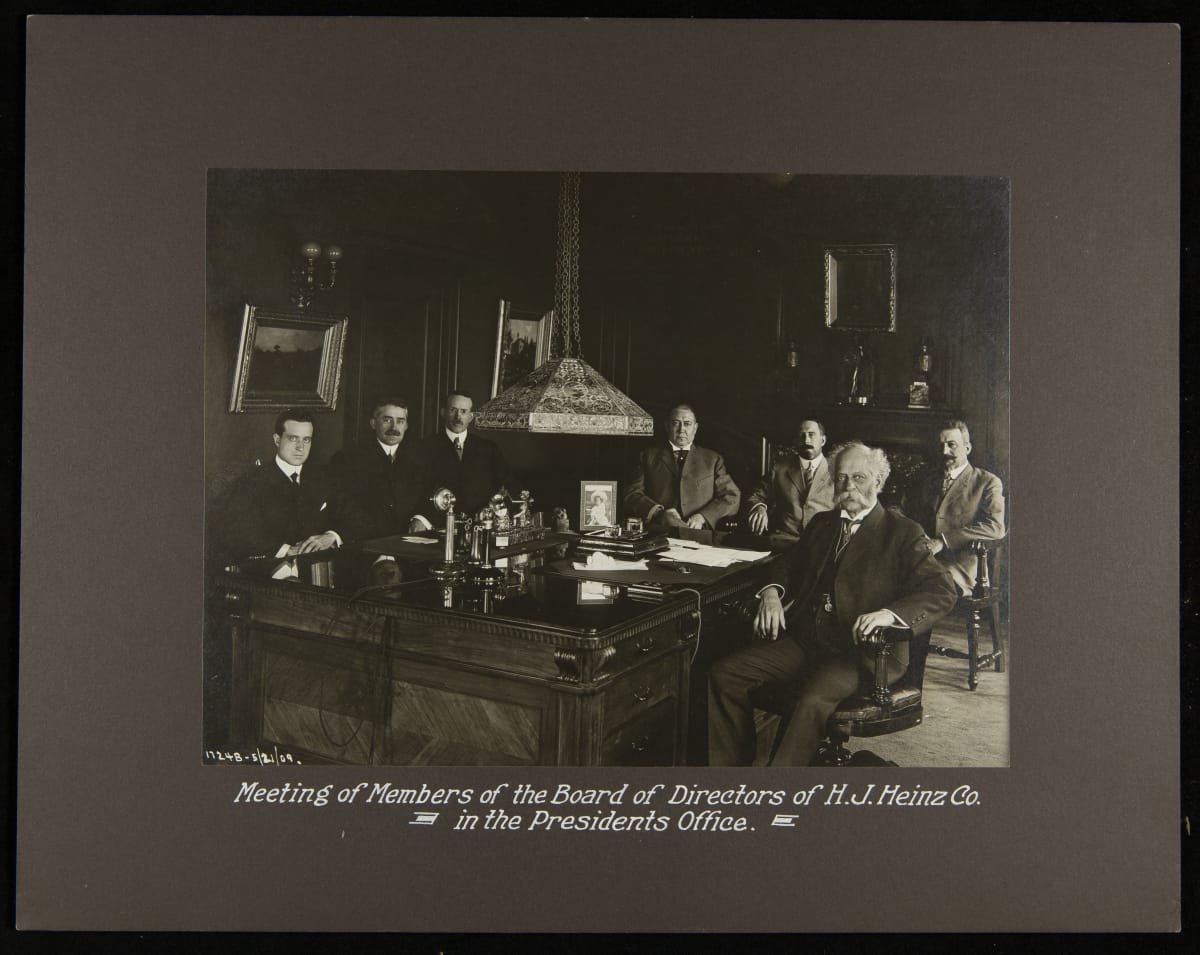
- Meeting of Members of the Board of Directors of H. J. Heinz Company In the Presidents Office, May 21, 1909 - The H.J. Heinz company had humble beginnings with its founder producing horseradish out of his parent's home in 1869. With a rapidly expanding line of high-quality products and a flair for marketing, Heinz quickly became a household name. This photograph of the Board of Directors was taken in 1909, with H.J. Heinz himself seen here as the front figure on the right.
- May 21, 1909
- Collections - Artifact
Meeting of Members of the Board of Directors of H. J. Heinz Company In the Presidents Office, May 21, 1909
The H.J. Heinz company had humble beginnings with its founder producing horseradish out of his parent's home in 1869. With a rapidly expanding line of high-quality products and a flair for marketing, Heinz quickly became a household name. This photograph of the Board of Directors was taken in 1909, with H.J. Heinz himself seen here as the front figure on the right.
- Monopoly Game, 1954-1960 - Buy property. Build hotels. Charge rent. Make money. Monopoly derived from The Landlord's Game created in 1904 -- a game with the objective to point out the <EM>inequities</EM> of wealth. Monopoly's fun and popularity, however, came from amassing piles of play money and winning it all. Parker Brothers secured the game's rights in 1935 and it became the most popular board game in history.
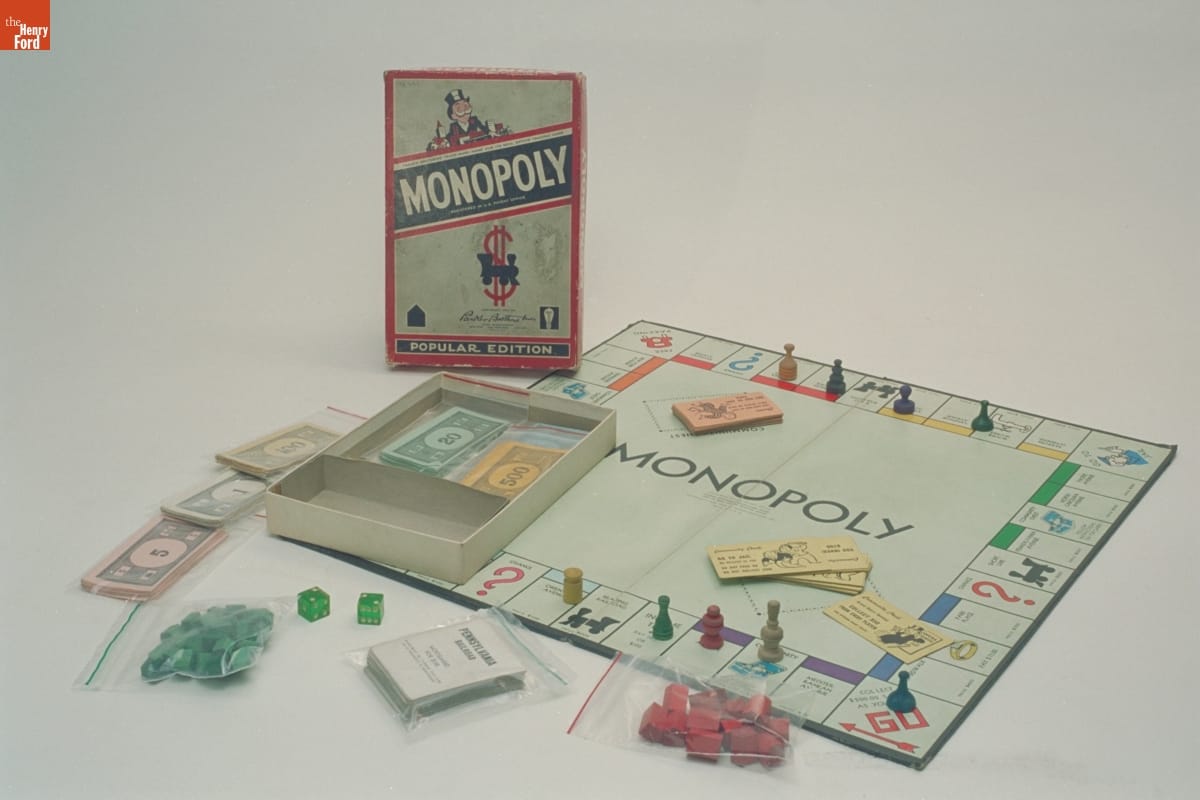
- 1954-1960
- Collections - Artifact
Monopoly Game, 1954-1960
Buy property. Build hotels. Charge rent. Make money. Monopoly derived from The Landlord's Game created in 1904 -- a game with the objective to point out the inequities of wealth. Monopoly's fun and popularity, however, came from amassing piles of play money and winning it all. Parker Brothers secured the game's rights in 1935 and it became the most popular board game in history.
- John C. Howard Livery & Sale Stables, Washington, D.C., April 1865 - The horse was central to most forms of urban travel in the United States during the 1800s. This substantial fire-resistant brick building lodged many horses needed for carriages, coaches, and firefighting vehicles in Washington, D.C. This stable became infamous during the investigation into President Abraham Lincoln's assassination because confederate spy and conspirator, John H. Surratt, boarded his horses here.
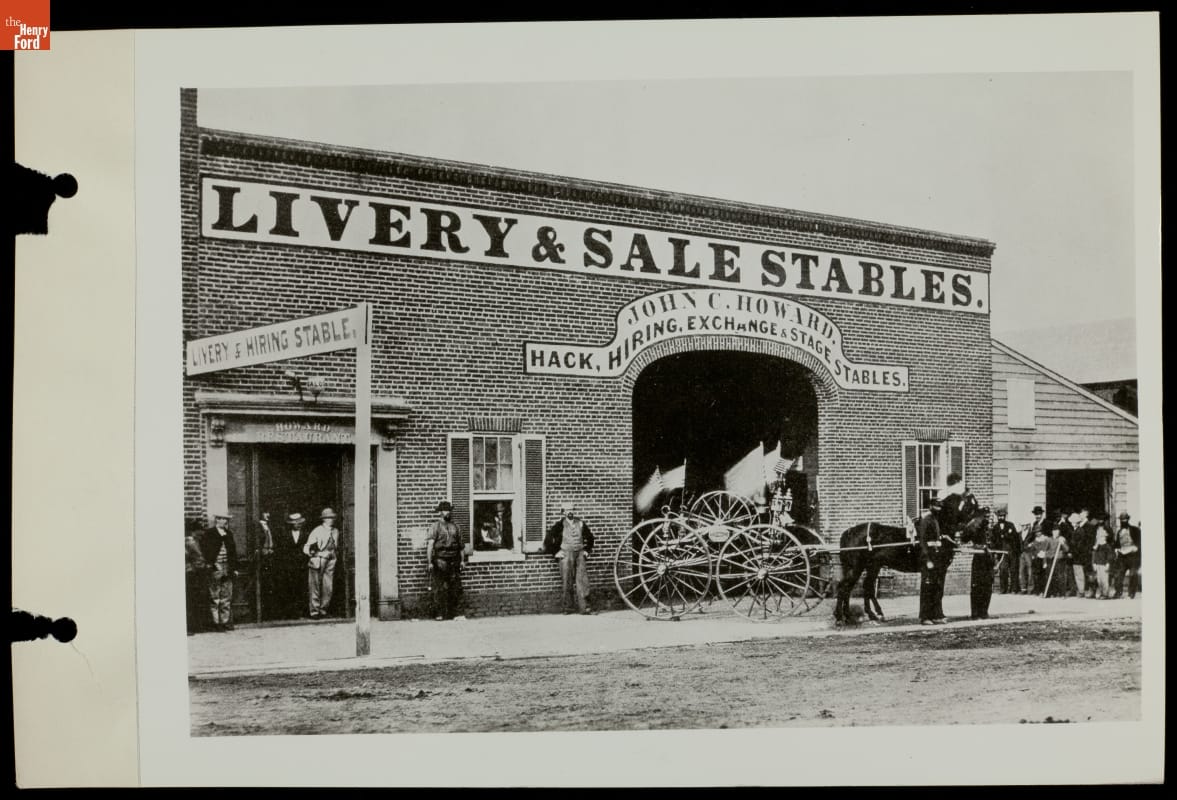
- April 01, 1865
- Collections - Artifact
John C. Howard Livery & Sale Stables, Washington, D.C., April 1865
The horse was central to most forms of urban travel in the United States during the 1800s. This substantial fire-resistant brick building lodged many horses needed for carriages, coaches, and firefighting vehicles in Washington, D.C. This stable became infamous during the investigation into President Abraham Lincoln's assassination because confederate spy and conspirator, John H. Surratt, boarded his horses here.
- Seated Man Wearing a Satin Vest, a Daguerreotype in a Union Case, 1858-1866 -
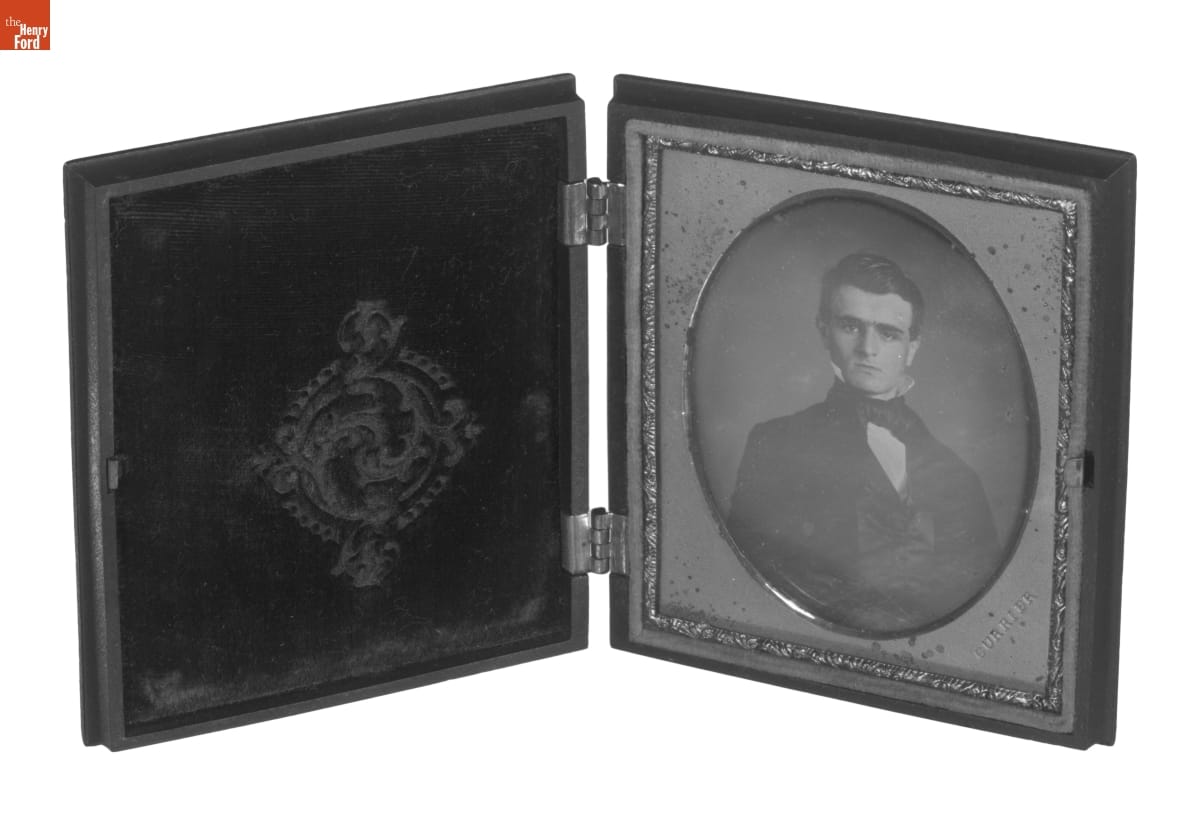
- 1858-1866
- Collections - Artifact
Seated Man Wearing a Satin Vest, a Daguerreotype in a Union Case, 1858-1866
- Detroit City Directory for the Year Commencing August 1st, 1893 -
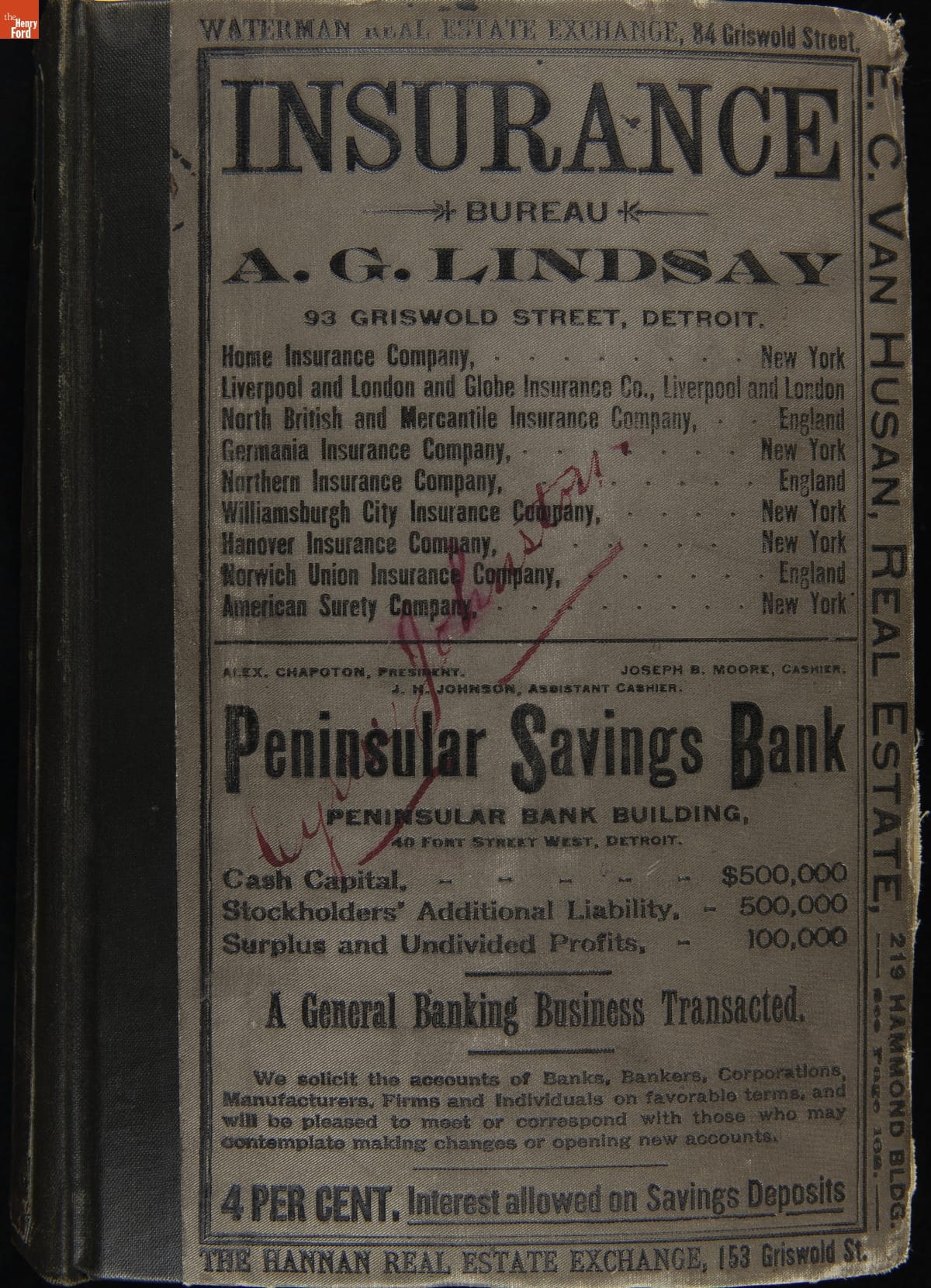
- 1893
- Collections - Artifact
Detroit City Directory for the Year Commencing August 1st, 1893
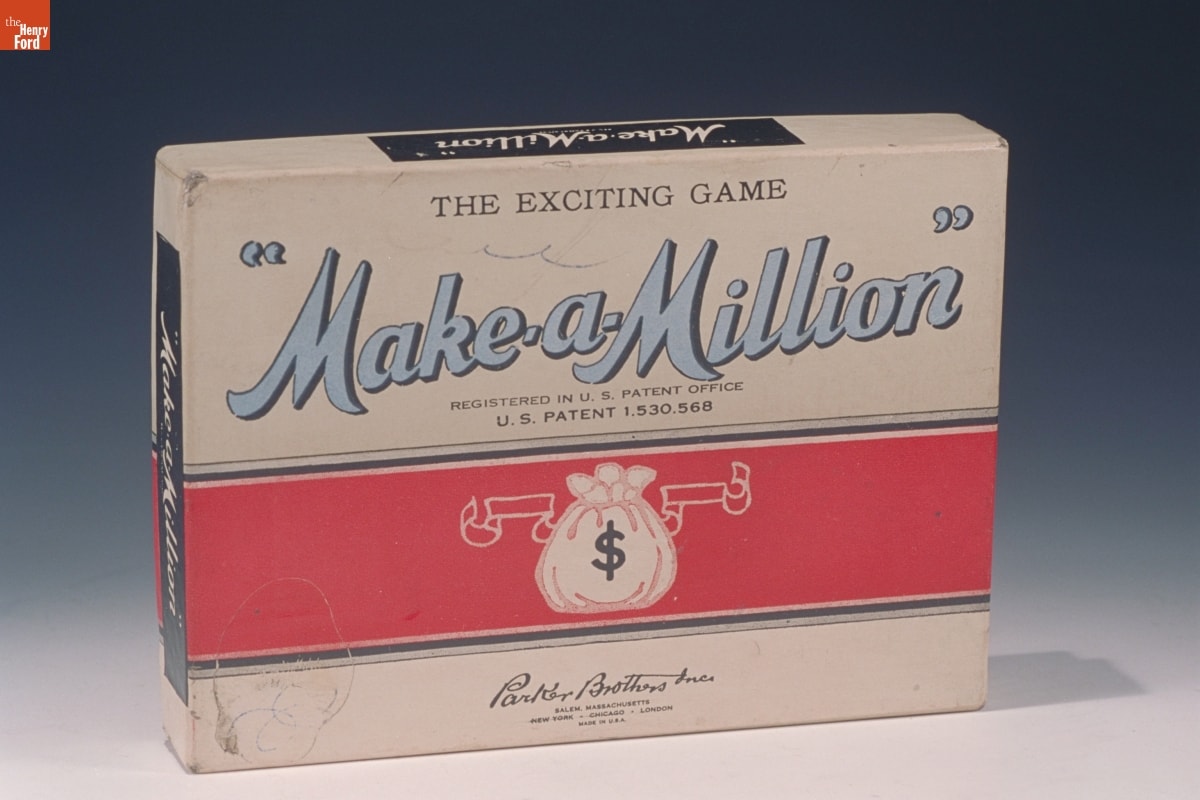
- The Exciting Game: "Make-A-Million," 1945-1955 - Parker Brothers copyrighted this card game in 1934. Teams work to make a million dollars (points) by winning tricks during the play of the game. A 55-card deck contains 52 colored number and money cards -- money cards count to the total. An additional three wild cards -- tiger, bull, and bear -- influence values won during play.
- 1945-1955
- Collections - Artifact
The Exciting Game: "Make-A-Million," 1945-1955
Parker Brothers copyrighted this card game in 1934. Teams work to make a million dollars (points) by winning tricks during the play of the game. A 55-card deck contains 52 colored number and money cards -- money cards count to the total. An additional three wild cards -- tiger, bull, and bear -- influence values won during play.
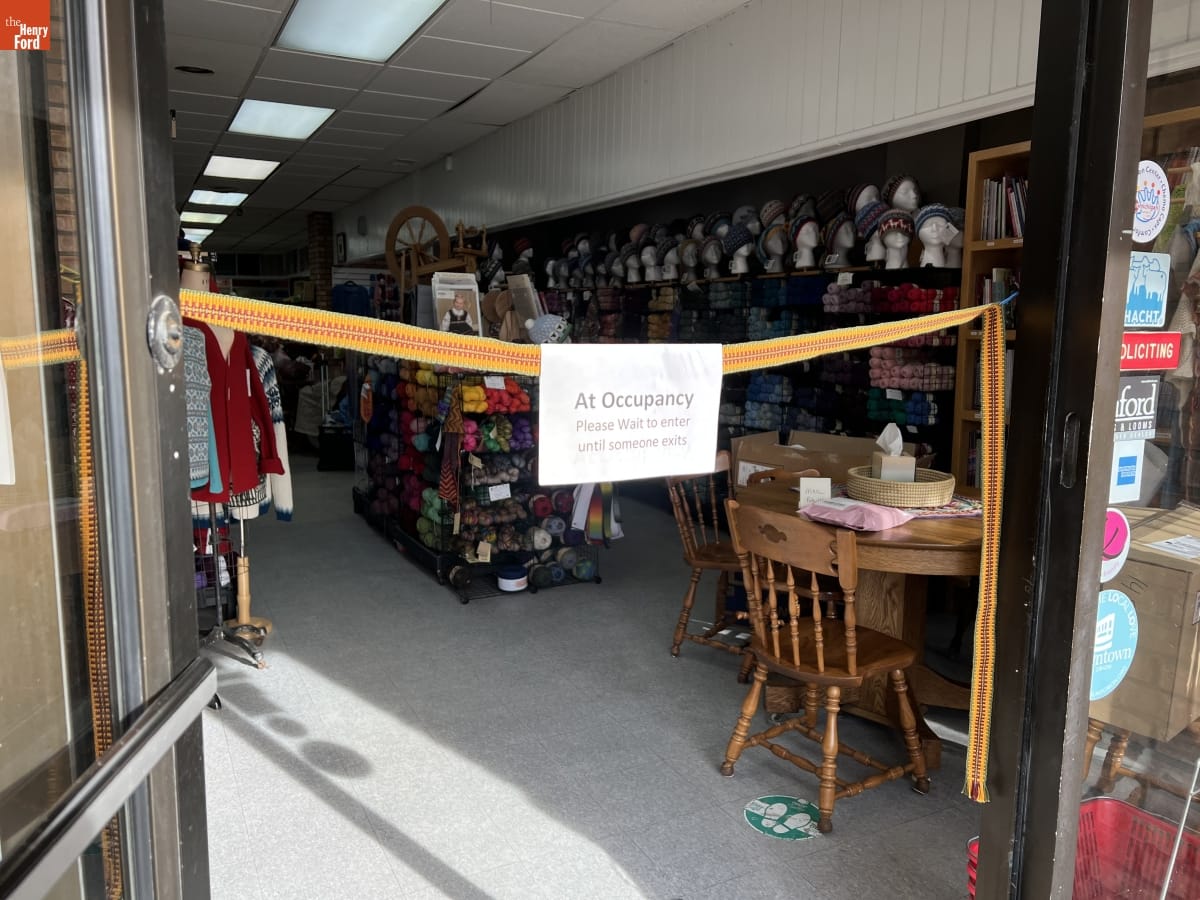
- Occupancy Sign at Entrance to Heritage Spinning & Weaving Shop as Used during COVID-19 Pandemic -
- 2023
- Collections - Artifact
Occupancy Sign at Entrance to Heritage Spinning & Weaving Shop as Used during COVID-19 Pandemic