
Search
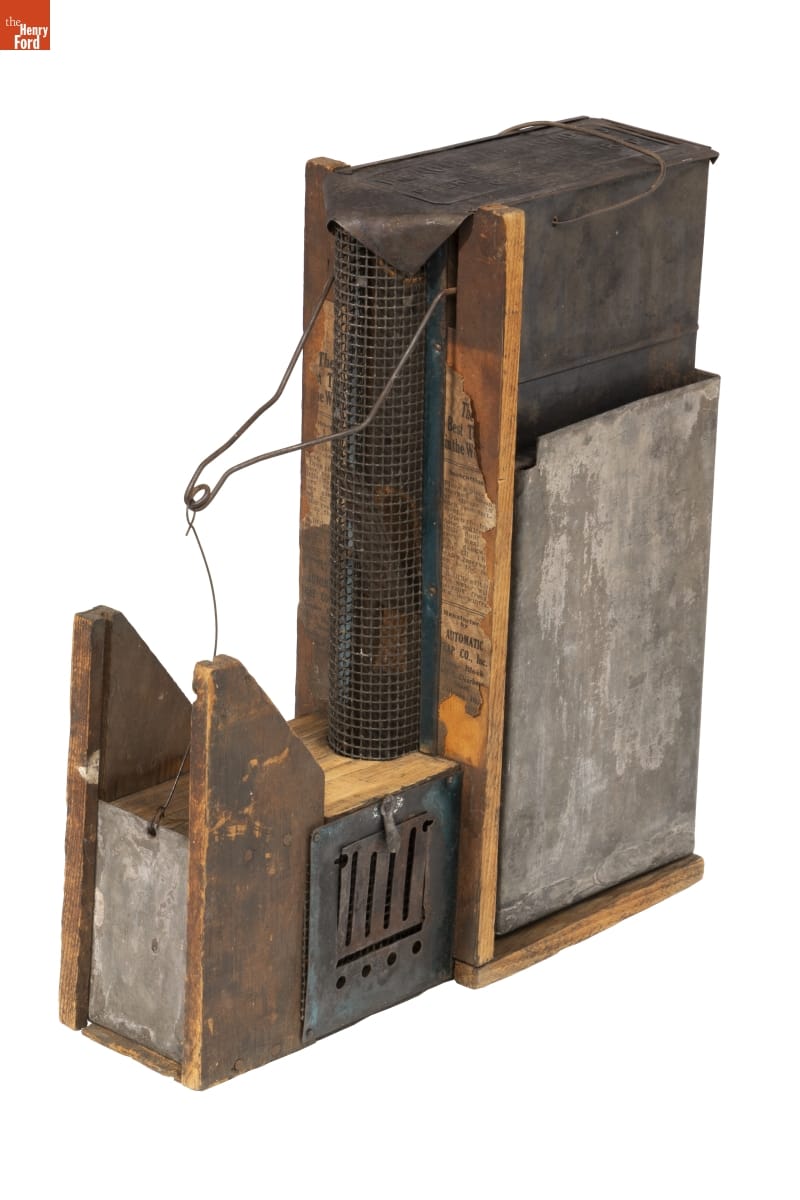
- Peerless Mouse Trap, circa 1920 -
- 1920-1925
- Collections - Artifact
Peerless Mouse Trap, circa 1920
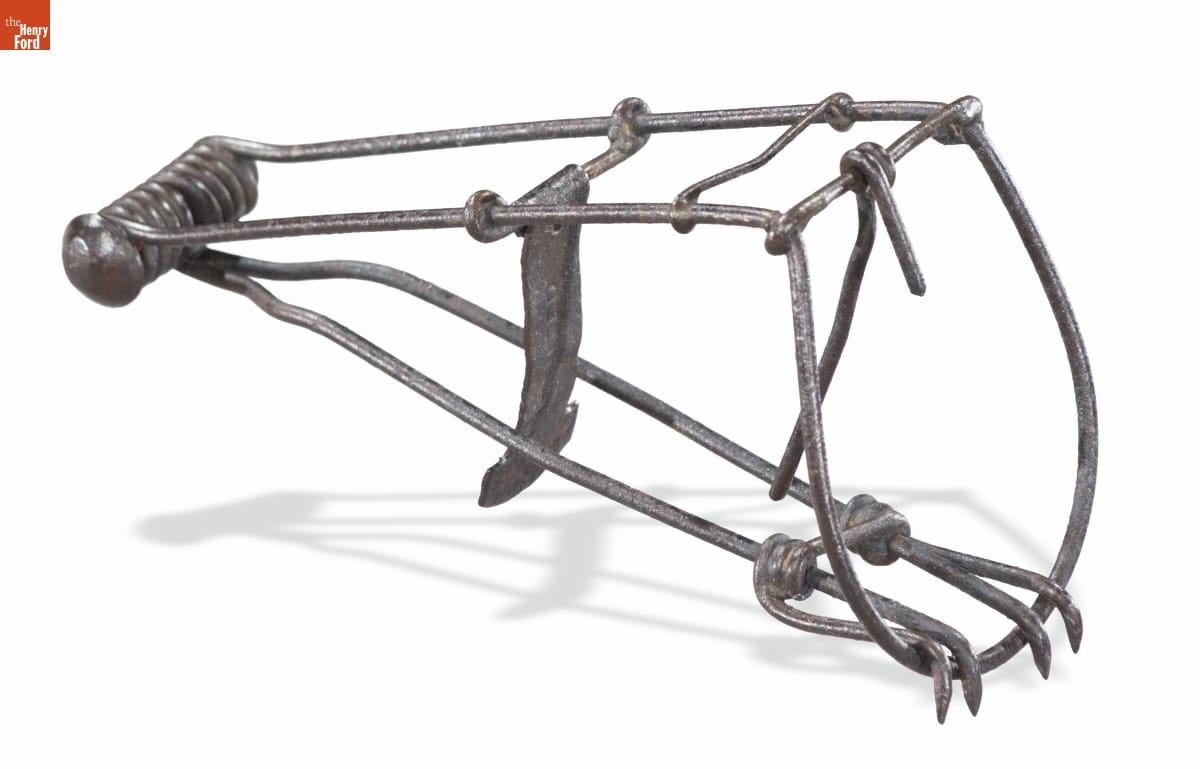
- Animal Trap, Used by Luther Burbank, circa 1910 -
- circa 1910
- Collections - Artifact
Animal Trap, Used by Luther Burbank, circa 1910
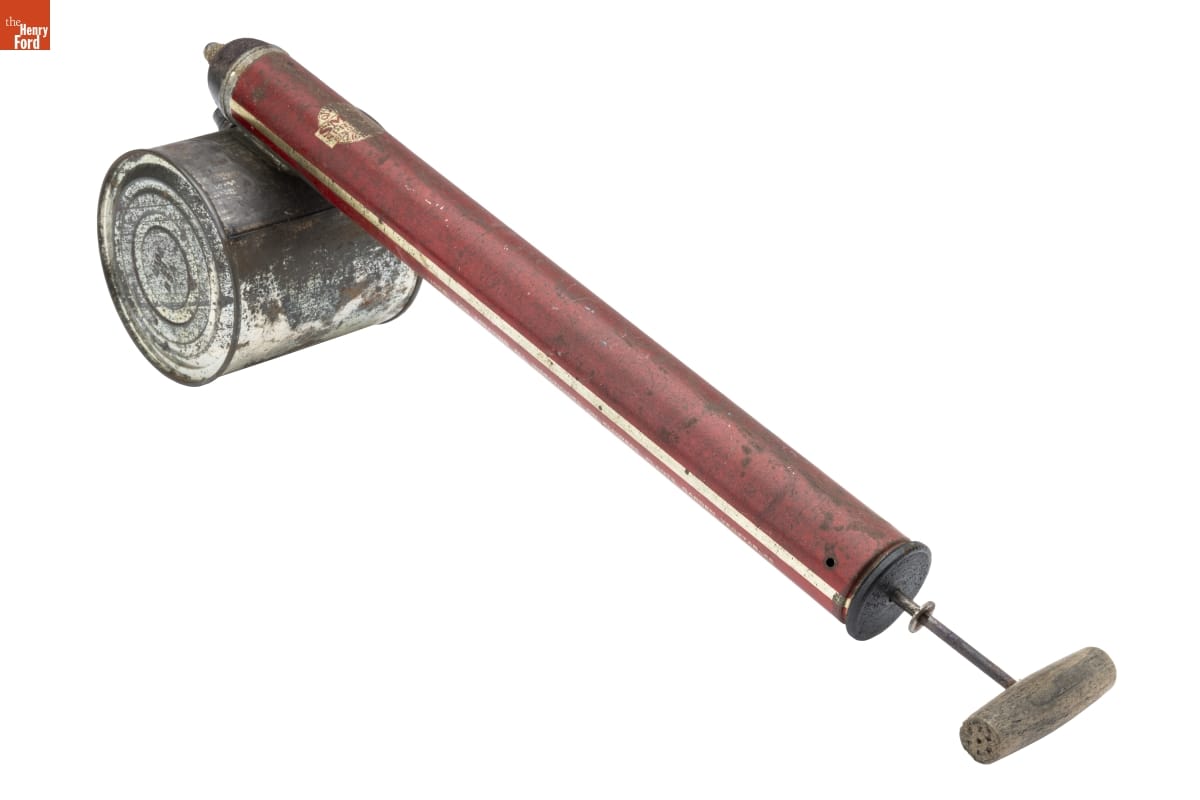
- Hand Sprayer -
- Collections - Artifact
Hand Sprayer
- Owari Tokei Kabushiki Kwaisha Mechanical Fly Catcher, 1915-1920 - Japanese inventor Owari Tokei Kabushiki Kwaisha designed this mechanical flycatcher. The device uses a clockwork mechanism to rotate a wooden drum coated with a substance to lure flies into the trap. Once captured, homeowners could feed the live flies to koi fish or other animals commonly kept as pets in Japan.

- 1915-1920
- Collections - Artifact
Owari Tokei Kabushiki Kwaisha Mechanical Fly Catcher, 1915-1920
Japanese inventor Owari Tokei Kabushiki Kwaisha designed this mechanical flycatcher. The device uses a clockwork mechanism to rotate a wooden drum coated with a substance to lure flies into the trap. Once captured, homeowners could feed the live flies to koi fish or other animals commonly kept as pets in Japan.
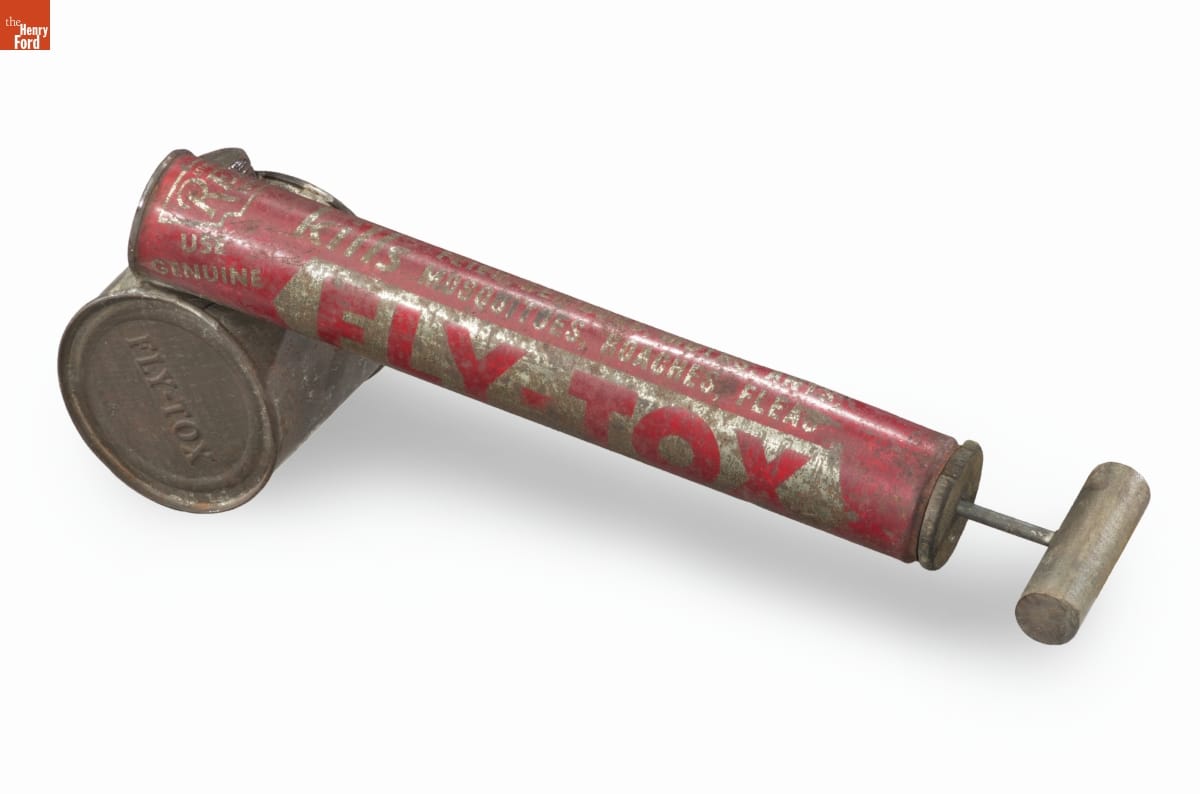
- Fly-Tox Hand Sprayer, 1940-1950 - The Toledo Rex Spray Company trademarked "Fly-Tox" in 1923. The Rex Company (later Rex Research Corporation) marketed Fly-Tox to kill common household pests. As the organochlorine Dichlorodiphenyltrichloroethane (DDT) gained creditability after World War II as a less-toxic compound, Fly-Tox incorporated DDT. Widespread use of DDT and its documented negative effects on ecosystems led U.S. legislators to ban the chemical in 1972.
- 1940-1950
- Collections - Artifact
Fly-Tox Hand Sprayer, 1940-1950
The Toledo Rex Spray Company trademarked "Fly-Tox" in 1923. The Rex Company (later Rex Research Corporation) marketed Fly-Tox to kill common household pests. As the organochlorine Dichlorodiphenyltrichloroethane (DDT) gained creditability after World War II as a less-toxic compound, Fly-Tox incorporated DDT. Widespread use of DDT and its documented negative effects on ecosystems led U.S. legislators to ban the chemical in 1972.
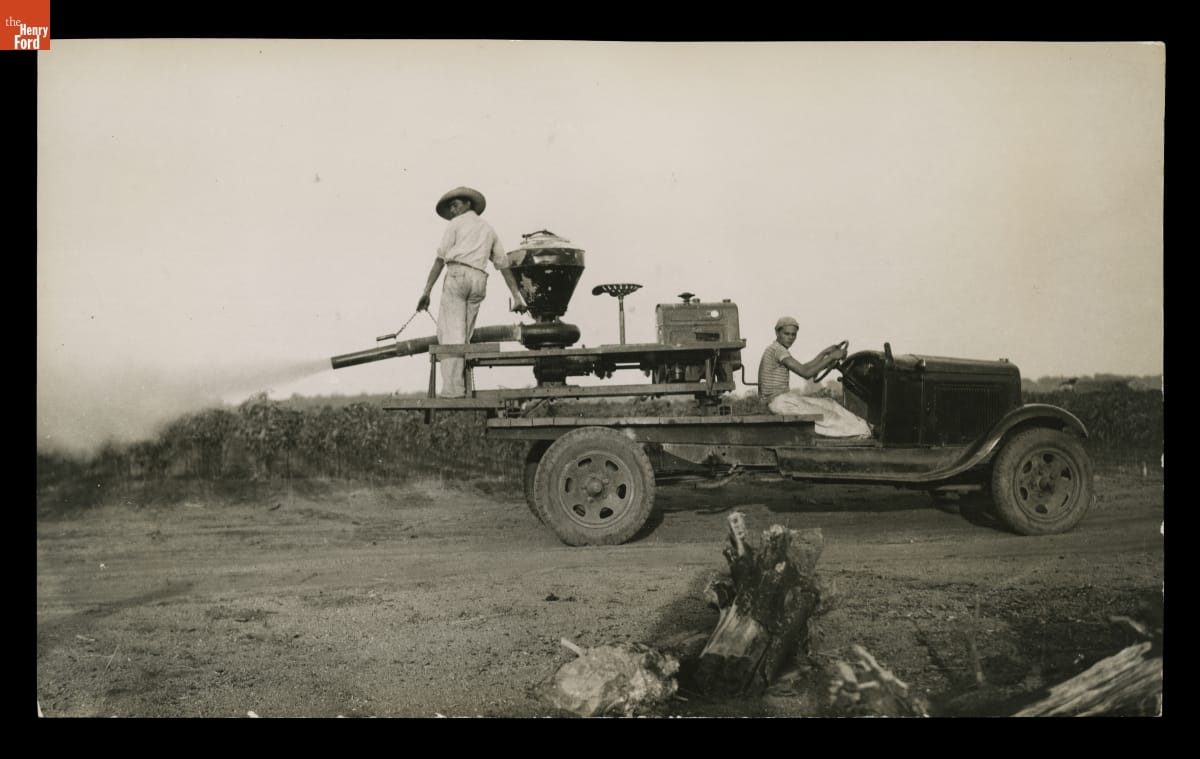
- Men Dusting Nursery Plants Growing at Belterra, Brazil, circa 1935 - Henry Ford established Fordlandia and Belterra in the Brazilian rainforest to supply rubber for automobile production. He began shipping machinery and supplies to the Amazon in 1928. Ford paid the indigenous workers good wages and supplied various amenities -- he also imposed foreign work traditions and behavioral restrictions which the workers resented. The plantations failed and Ford Motor Company disposed of the project in 1945.
- circa 1935
- Collections - Artifact
Men Dusting Nursery Plants Growing at Belterra, Brazil, circa 1935
Henry Ford established Fordlandia and Belterra in the Brazilian rainforest to supply rubber for automobile production. He began shipping machinery and supplies to the Amazon in 1928. Ford paid the indigenous workers good wages and supplied various amenities -- he also imposed foreign work traditions and behavioral restrictions which the workers resented. The plantations failed and Ford Motor Company disposed of the project in 1945.
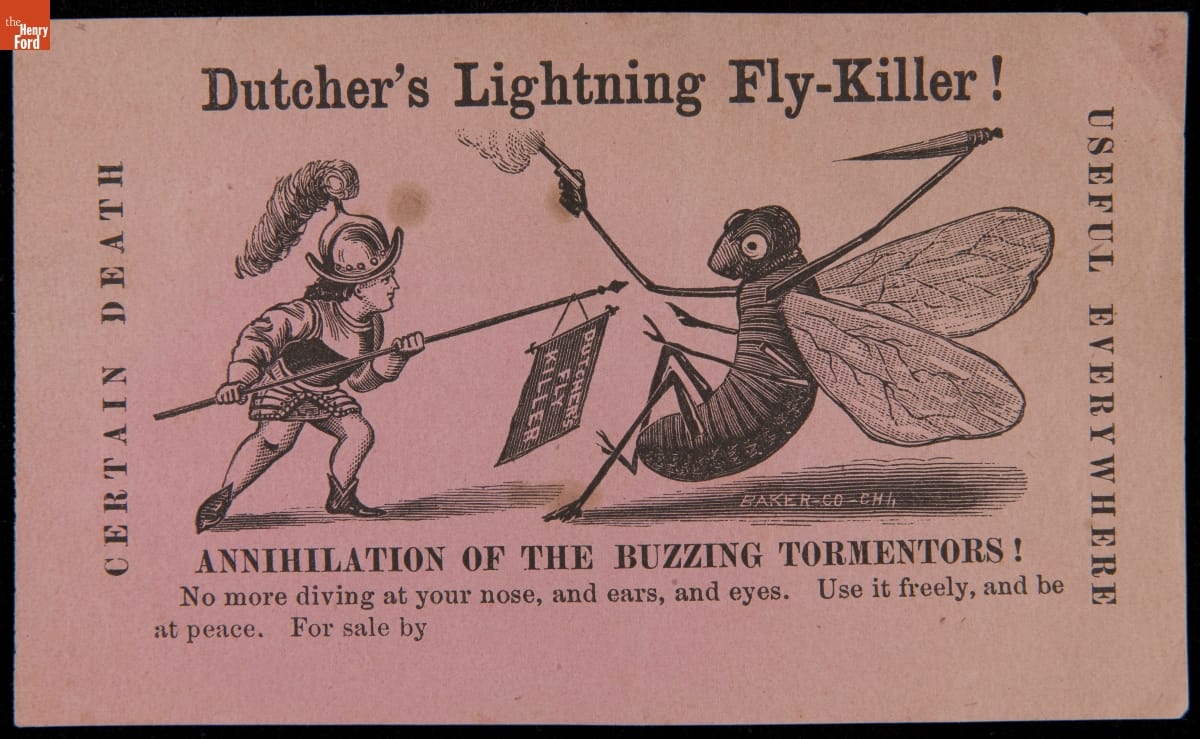
- Trade Card for Dutcher's Lightning Fly-Killer, 1870-1890 - This trade card features a flypaper knight vanquishing a huge fly. Dutcher's, a chemical company based in St. Albans's, Vermont, marketed its Lightning Fly-Killer by promising "annihilation of the buzzy tormentors." Consumers used Dutcher's and other popular brands of arsenical flypapers by soaking the paper in a dish of water for flies to drink. But arsenic was dangerous for humans, too, and flypaper caused some accidental fatalities.
- 1870-1890
- Collections - Artifact
Trade Card for Dutcher's Lightning Fly-Killer, 1870-1890
This trade card features a flypaper knight vanquishing a huge fly. Dutcher's, a chemical company based in St. Albans's, Vermont, marketed its Lightning Fly-Killer by promising "annihilation of the buzzy tormentors." Consumers used Dutcher's and other popular brands of arsenical flypapers by soaking the paper in a dish of water for flies to drink. But arsenic was dangerous for humans, too, and flypaper caused some accidental fatalities.
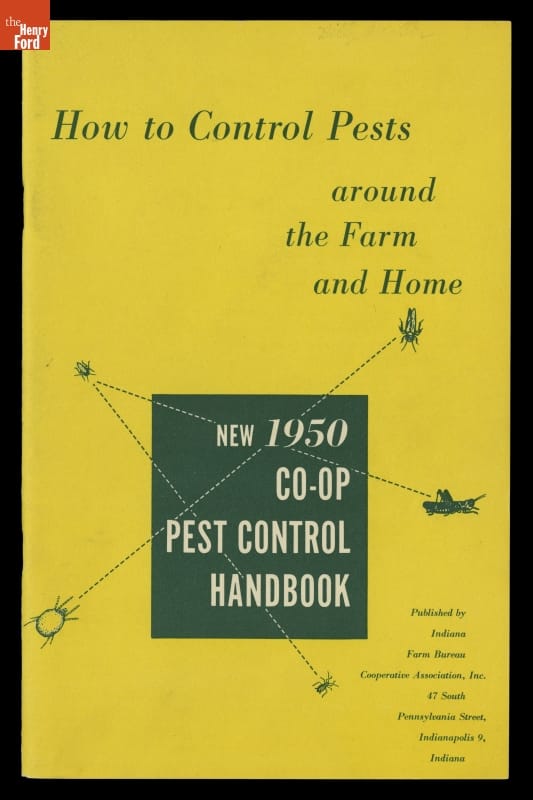
- Book, "How to Control Pests Around the Farm and House," 1950 - After World War II, American farmers began to use synthetic chemicals for the control of pests and weeds. This book is an example of the literature developed by various agencies to educate farmers to use these chemicals correctly. It includes directions for use of chemicals to treat plants and animals and serves as a promotional piece for the co-op's stores.
- 1950
- Collections - Artifact
Book, "How to Control Pests Around the Farm and House," 1950
After World War II, American farmers began to use synthetic chemicals for the control of pests and weeds. This book is an example of the literature developed by various agencies to educate farmers to use these chemicals correctly. It includes directions for use of chemicals to treat plants and animals and serves as a promotional piece for the co-op's stores.