
Search
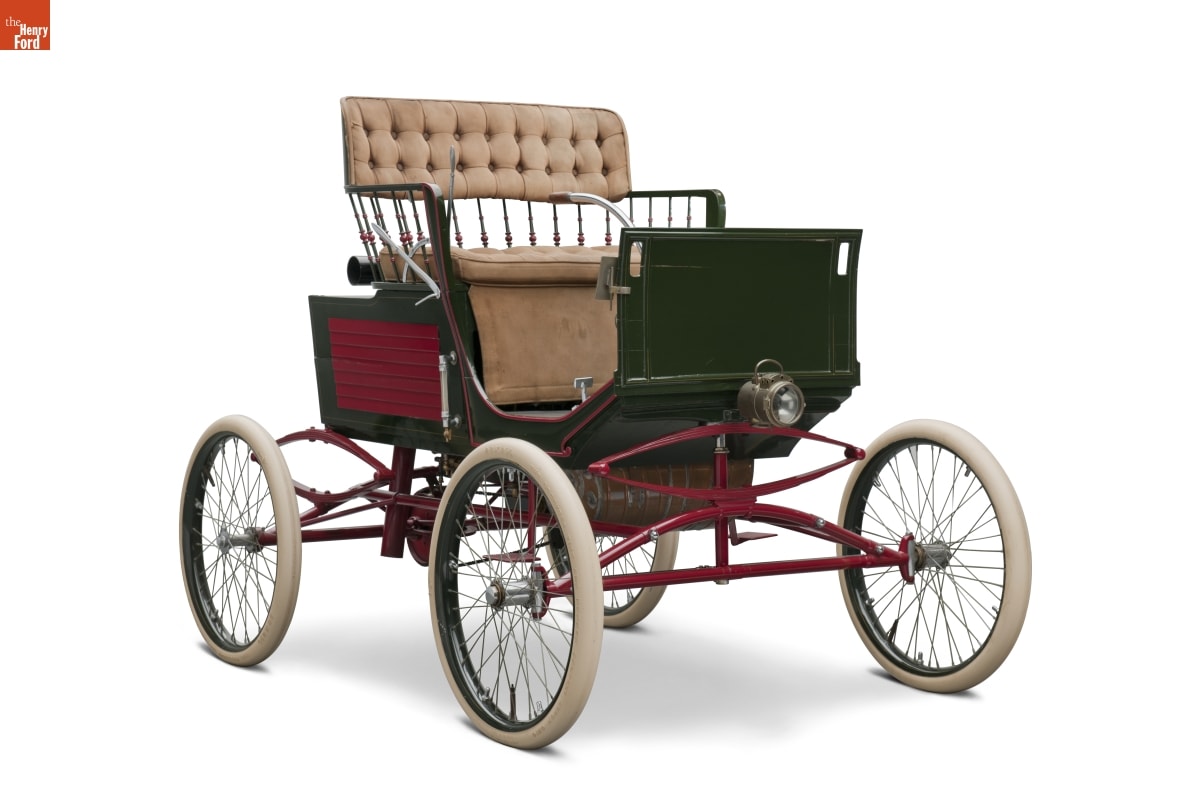
- 1899 Locomobile Runabout - This steam-powered runabout, by Locomobile, was built from designs by twin brothers F.E. and F.O. Stanley. These early vehicles were fast, cheap, and relatively uncomplicated. However, fuel needs, excessive water consumption, and other inherent problems dogged the lightweight steamer. In 1902 Locomobile began production of a gasoline internal combustion engine. The company phased out its steam-powered vehicles in 1904.
- 1899
- Collections - Artifact
1899 Locomobile Runabout
This steam-powered runabout, by Locomobile, was built from designs by twin brothers F.E. and F.O. Stanley. These early vehicles were fast, cheap, and relatively uncomplicated. However, fuel needs, excessive water consumption, and other inherent problems dogged the lightweight steamer. In 1902 Locomobile began production of a gasoline internal combustion engine. The company phased out its steam-powered vehicles in 1904.
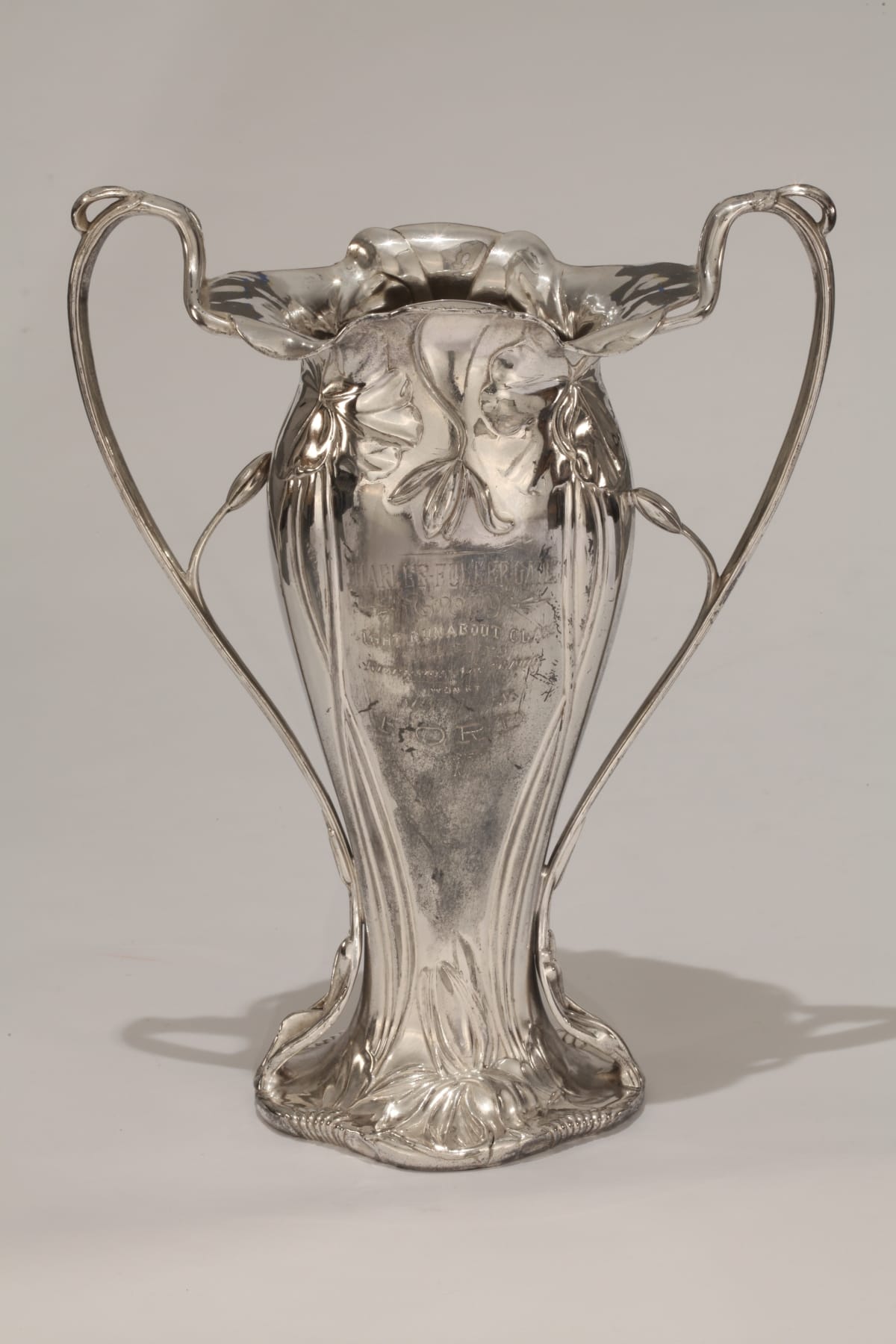
- Riverside Hillclimb Trophy Awarded to Model N Ford, 1906 - Early 20th-century hill-climb competitions tested an automobile's ability to climb steep grades and navigate uneven roads and do both at the fastest possible speed. Former bicycle racer Charles Fuller Gates won this trophy at a 1906 hill-climb event at Riverside, California, driving a Ford Model N.
- November 11, 1906
- Collections - Artifact
Riverside Hillclimb Trophy Awarded to Model N Ford, 1906
Early 20th-century hill-climb competitions tested an automobile's ability to climb steep grades and navigate uneven roads and do both at the fastest possible speed. Former bicycle racer Charles Fuller Gates won this trophy at a 1906 hill-climb event at Riverside, California, driving a Ford Model N.
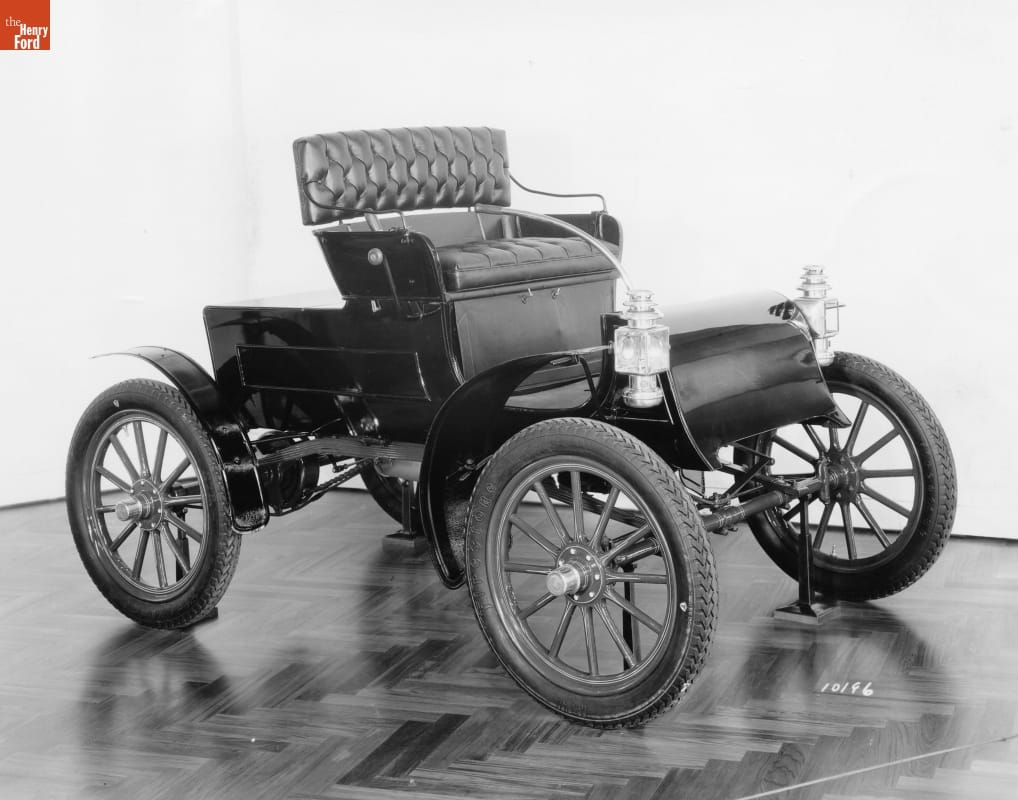
- 1904 Northern Runabout - Charles Brady King, who built the first gasoline car in Detroit in 1896, founded Northern Manufacturing Company in 1902. The firm's runabout had a rear-mounted, one-cylinder engine connected to the rear wheels via a chain drive. With a top speed around 20 miles per hour, the Northern cost $750. Northern disappeared in 1908 after merging into what became the E-M-F Company.
- 1904
- Collections - Artifact
1904 Northern Runabout
Charles Brady King, who built the first gasoline car in Detroit in 1896, founded Northern Manufacturing Company in 1902. The firm's runabout had a rear-mounted, one-cylinder engine connected to the rear wheels via a chain drive. With a top speed around 20 miles per hour, the Northern cost $750. Northern disappeared in 1908 after merging into what became the E-M-F Company.
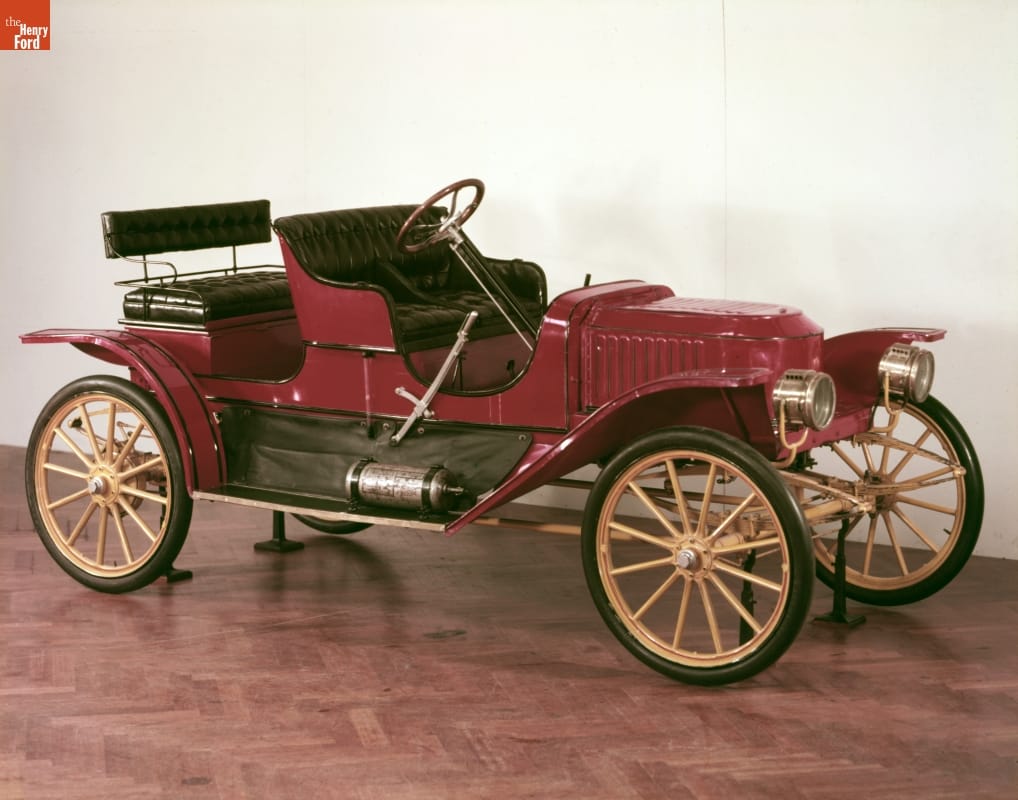
- 1910 Stanley Steamer Model 60 Runabout - Brothers Francis and Freelan Stanley built their first steam car in 1897, when the ideal automobile power source was an open question. Gasoline became the favorite by the mid-1910s, but Stanley Motor Carriage Company -- formed in 1902 -- stuck with steam until the firm went out of business in 1924. Today, Stanley is the best remembered of the early steam makes.
- 1910
- Collections - Artifact
1910 Stanley Steamer Model 60 Runabout
Brothers Francis and Freelan Stanley built their first steam car in 1897, when the ideal automobile power source was an open question. Gasoline became the favorite by the mid-1910s, but Stanley Motor Carriage Company -- formed in 1902 -- stuck with steam until the firm went out of business in 1924. Today, Stanley is the best remembered of the early steam makes.
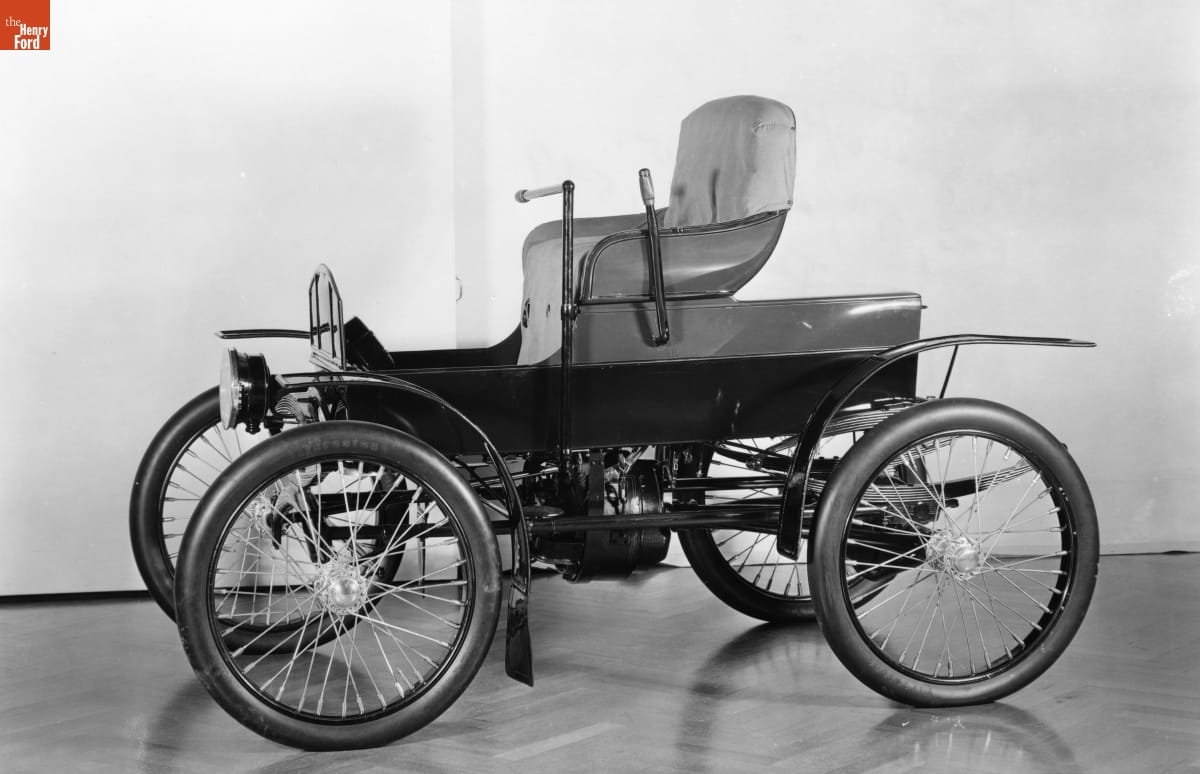
- 1901 Baker Electric Runabout - Walter C. Baker, an engineer from Cleveland, Ohio, partnered with F. Philip Dorn to build an electrically powered automobile in 1897. They organized the Baker Motor Vehicle Company in 1899. The company specialized in electric vehicles and, by 1905, its annual production was approximately 400 cars. Electricity competed against gasoline and steam as a popular power option for early automobiles.
- 1901
- Collections - Artifact
1901 Baker Electric Runabout
Walter C. Baker, an engineer from Cleveland, Ohio, partnered with F. Philip Dorn to build an electrically powered automobile in 1897. They organized the Baker Motor Vehicle Company in 1899. The company specialized in electric vehicles and, by 1905, its annual production was approximately 400 cars. Electricity competed against gasoline and steam as a popular power option for early automobiles.
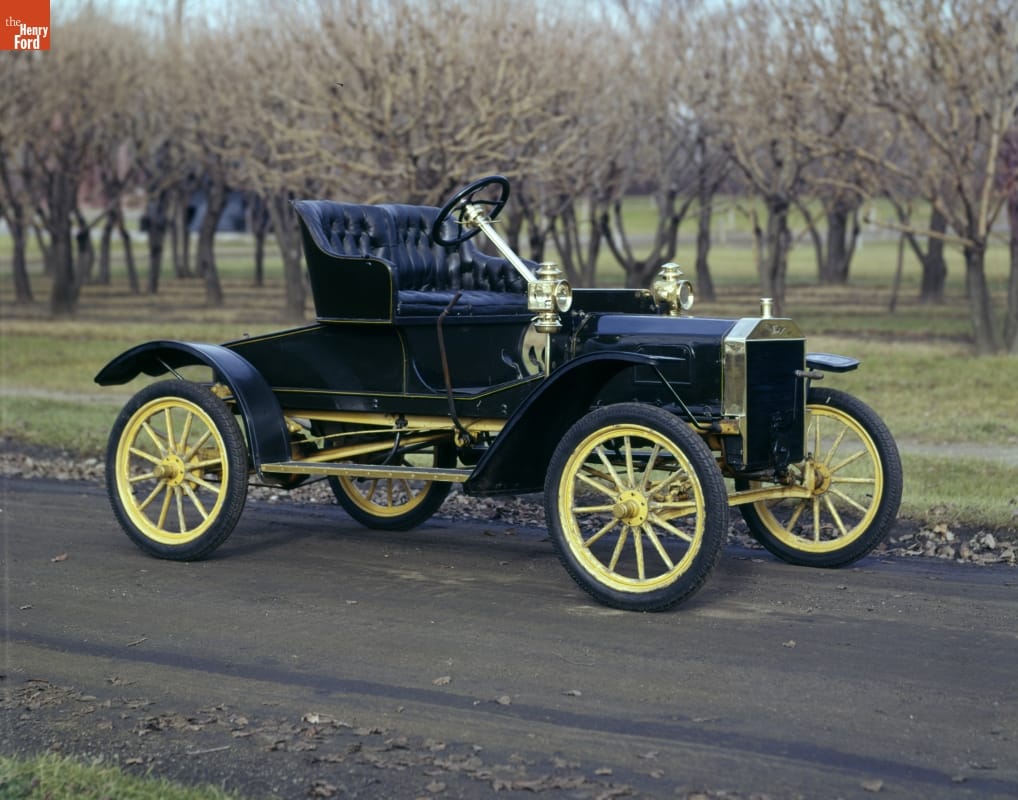
- 1907 Ford Model R Runabout - When Ford's Model N became the bestselling car in the United States, the company suspected there was a market for a more luxurious version. The Model R had a larger body, higher seats, a rounded rear deck, and wider fenders. Ford's hunch was correct. The Model R was a swift seller -- even at $150 above the 1907 Model N's $600 price.
- 1907
- Collections - Artifact
1907 Ford Model R Runabout
When Ford's Model N became the bestselling car in the United States, the company suspected there was a market for a more luxurious version. The Model R had a larger body, higher seats, a rounded rear deck, and wider fenders. Ford's hunch was correct. The Model R was a swift seller -- even at $150 above the 1907 Model N's $600 price.
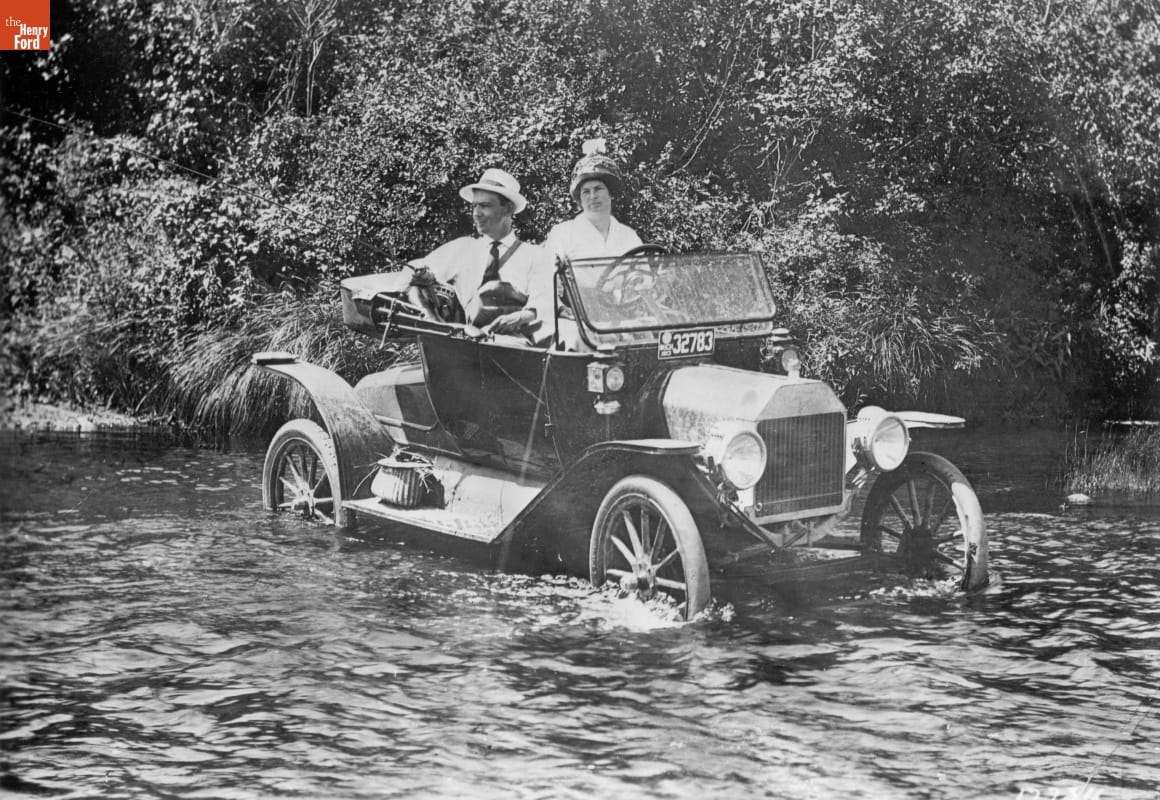
- Man and Woman Fishing from 1913 Ford Model T Runabout - This couple gave new meaning to the phrase "fording a stream." The Ford Model T's high ground clearance was intended to help the car cope with bumps, ruts, and holes on rough roads. But that height also allowed the car to cross shallow rivers and streams.
- 1913
- Collections - Artifact
Man and Woman Fishing from 1913 Ford Model T Runabout
This couple gave new meaning to the phrase "fording a stream." The Ford Model T's high ground clearance was intended to help the car cope with bumps, ruts, and holes on rough roads. But that height also allowed the car to cross shallow rivers and streams.
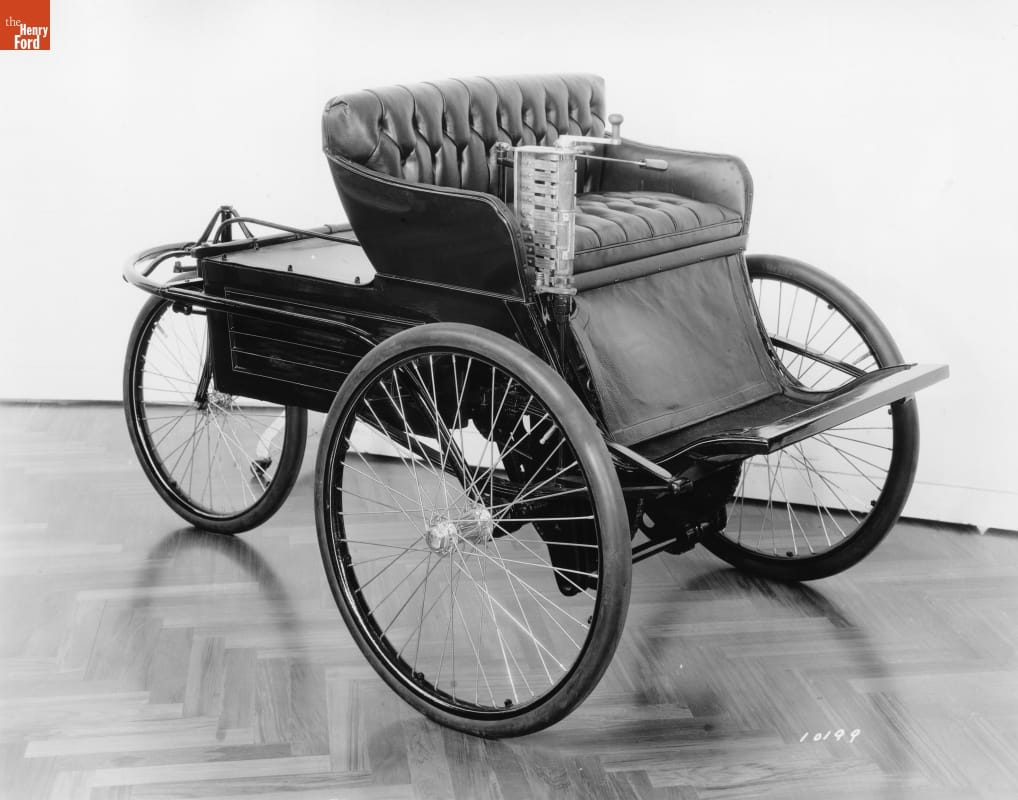
- Edison Electric Runabout, circa 1889 - Thomas Edison had this car built about 1889 to investigate electricity as a power source for automobiles. The three-wheeled vehicle has two electric motors, each separately connected to one of the front wheels. Having successfully operated the car, Edison put it aside for several years. He reactivated the runabout in 1905 to test experimental nickel-iron alkaline batteries.
- circa 1889
- Collections - Artifact
Edison Electric Runabout, circa 1889
Thomas Edison had this car built about 1889 to investigate electricity as a power source for automobiles. The three-wheeled vehicle has two electric motors, each separately connected to one of the front wheels. Having successfully operated the car, Edison put it aside for several years. He reactivated the runabout in 1905 to test experimental nickel-iron alkaline batteries.
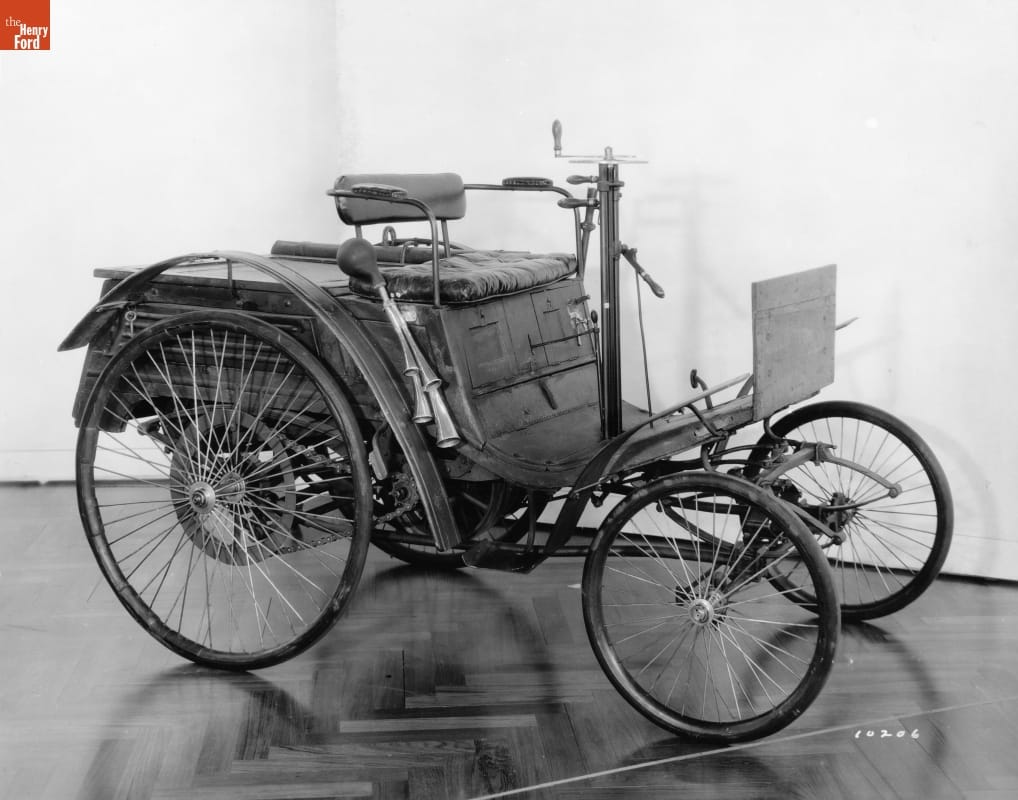
- 1893 Benz Velocipede - Karl Benz exhibited his Velocipede at the 1893 World's Columbian Exposition in Chicago, Illinois. His automobile incorporated several impressive features for its time like a water-cooled engine, a carburetor, a gearbox, and a rear-axle differential. Benz manufactured more than 1,200 Velocipedes between 1894 and 1902, and many historians describe his "Velo" as the first production car.
- 1893
- Collections - Artifact
1893 Benz Velocipede
Karl Benz exhibited his Velocipede at the 1893 World's Columbian Exposition in Chicago, Illinois. His automobile incorporated several impressive features for its time like a water-cooled engine, a carburetor, a gearbox, and a rear-axle differential. Benz manufactured more than 1,200 Velocipedes between 1894 and 1902, and many historians describe his "Velo" as the first production car.
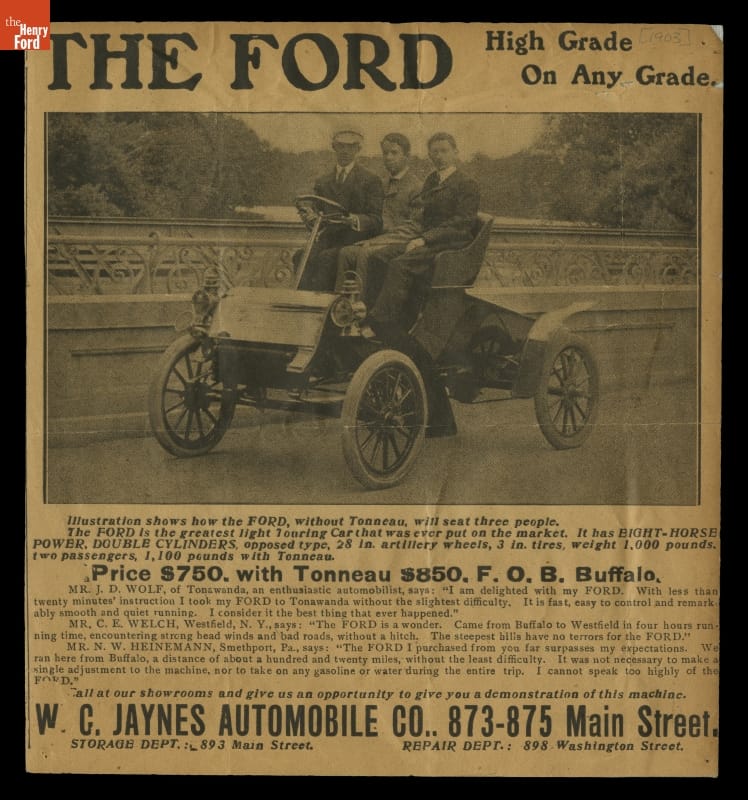
- Advertisement for the 1903 Ford Model A Runabout, "Ford High Grade on Any Grade" - Henry Ford wanted to create a lightweight, low-priced vehicle. His automobile would be uncomplicated, able to traverse American roads, and affordable to average Americans. Ford Motor Company's first vehicle -- simple and inexpensive -- is seen in this 1903 ad. Ford, however, was not satisfied and continued to improve and innovate. Five years later, Ford would introduce his Model T.
- 1903
- Collections - Artifact
Advertisement for the 1903 Ford Model A Runabout, "Ford High Grade on Any Grade"
Henry Ford wanted to create a lightweight, low-priced vehicle. His automobile would be uncomplicated, able to traverse American roads, and affordable to average Americans. Ford Motor Company's first vehicle -- simple and inexpensive -- is seen in this 1903 ad. Ford, however, was not satisfied and continued to improve and innovate. Five years later, Ford would introduce his Model T.