
Search
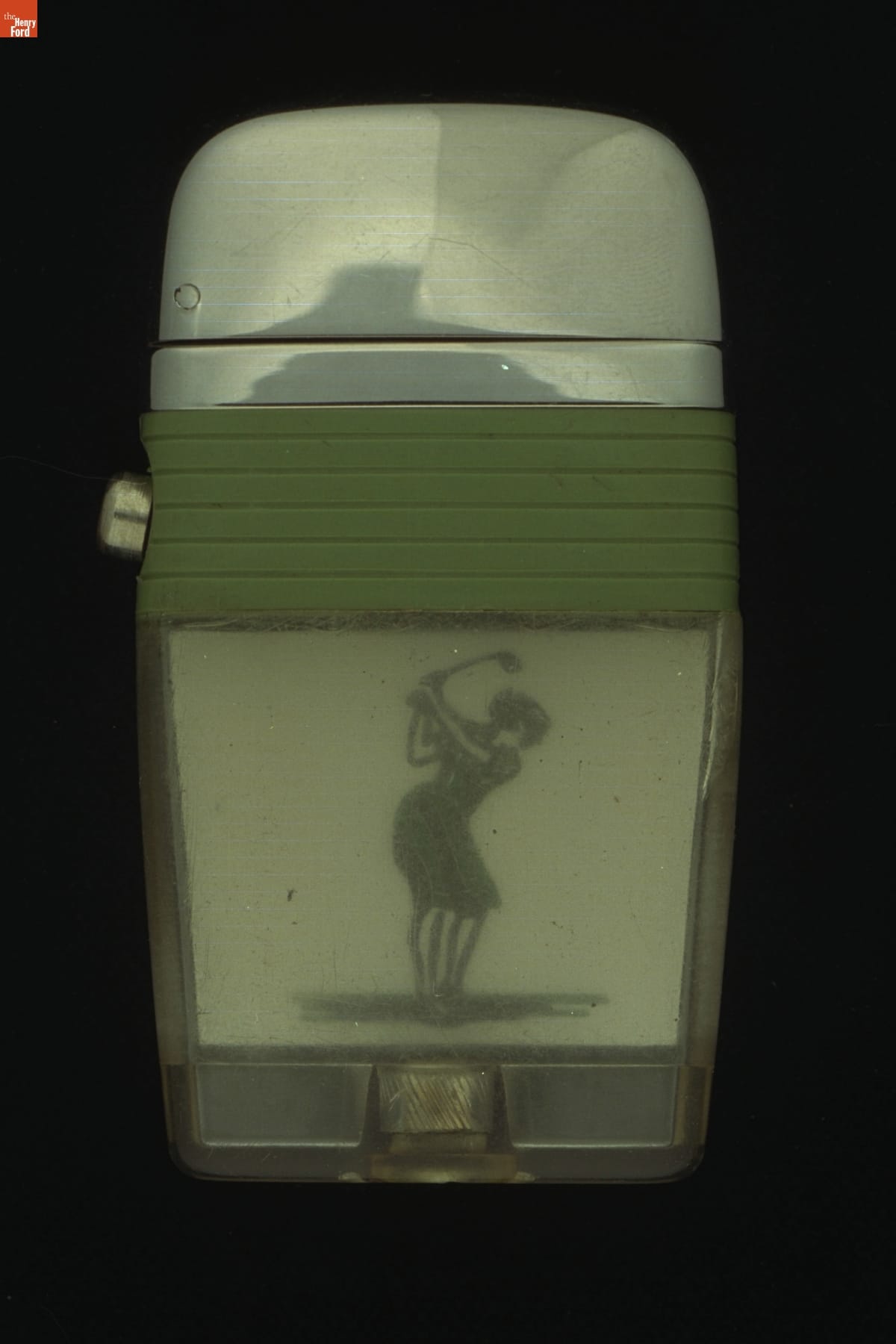
- Cigarette Lighter, circa 1955 -
- circa 1955
- Collections - Artifact
Cigarette Lighter, circa 1955
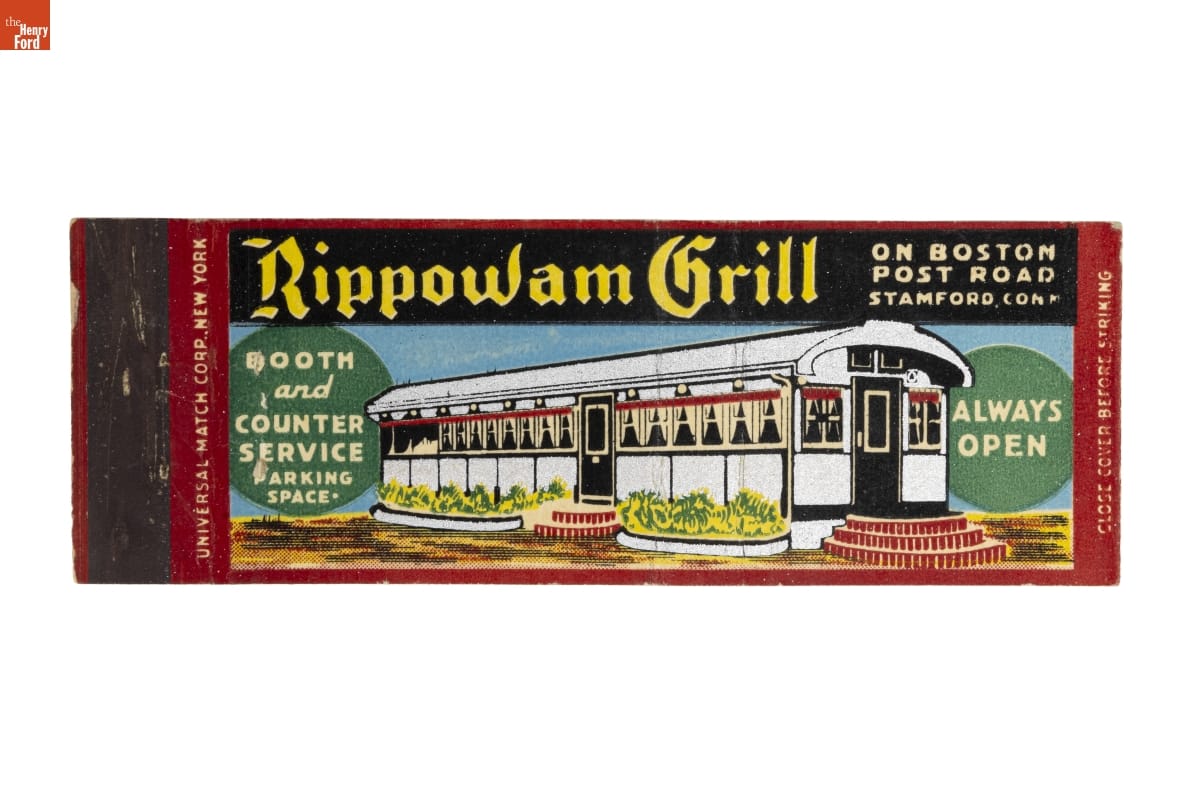
- Rippowam Grill Matchbook, Stamford, Connecticut, 1940-1949 - Cigarette smoking was commonplace during the mid-20th century, and free matchbooks for customers promised free advertising. According to this matchbook cover, The Rippowam Grill, in Stamford, Connecticut, was located on the Boston Post Road--an early route from Boston through Connecticut. The Grill featured both counter and booth service, as well as parking. And it was always open!
- 1940-1949
- Collections - Artifact
Rippowam Grill Matchbook, Stamford, Connecticut, 1940-1949
Cigarette smoking was commonplace during the mid-20th century, and free matchbooks for customers promised free advertising. According to this matchbook cover, The Rippowam Grill, in Stamford, Connecticut, was located on the Boston Post Road--an early route from Boston through Connecticut. The Grill featured both counter and booth service, as well as parking. And it was always open!
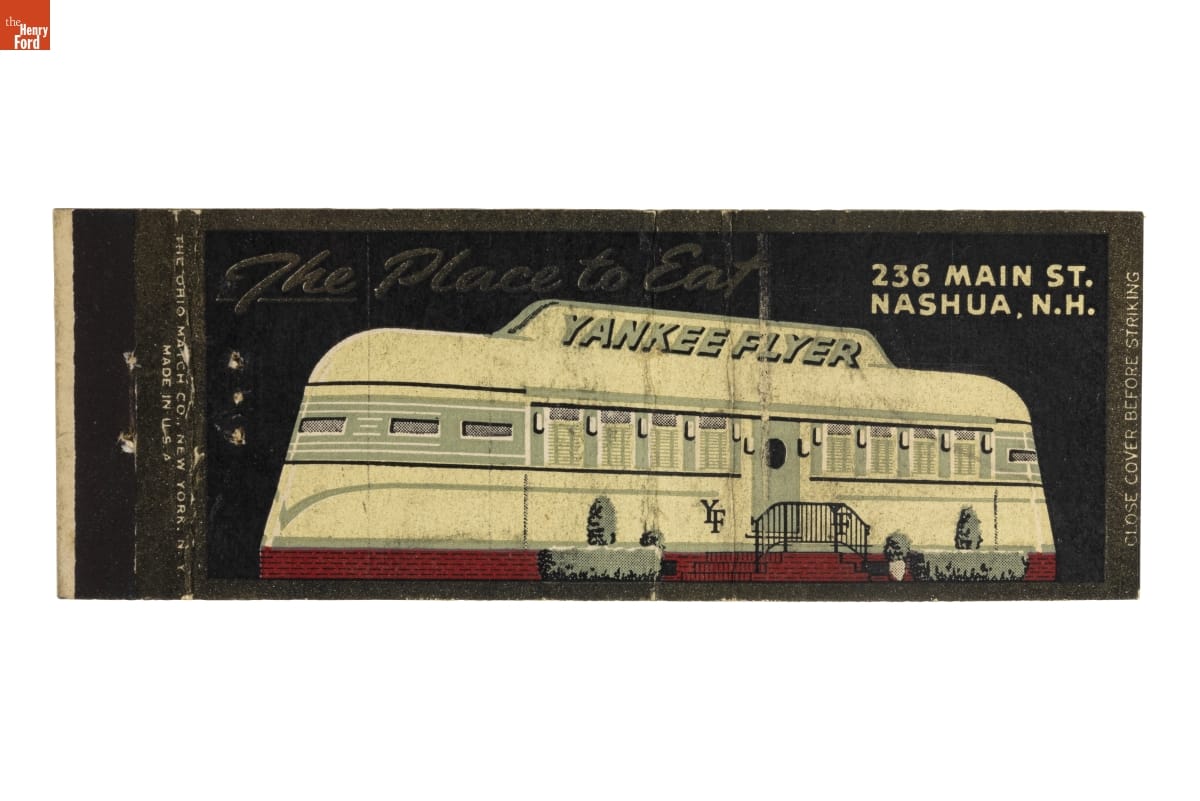
- Yankee Flyer Diner Matchbook, Nashua, New Hampshire, 1940-1965 -
- 1940-1965
- Collections - Artifact
Yankee Flyer Diner Matchbook, Nashua, New Hampshire, 1940-1965
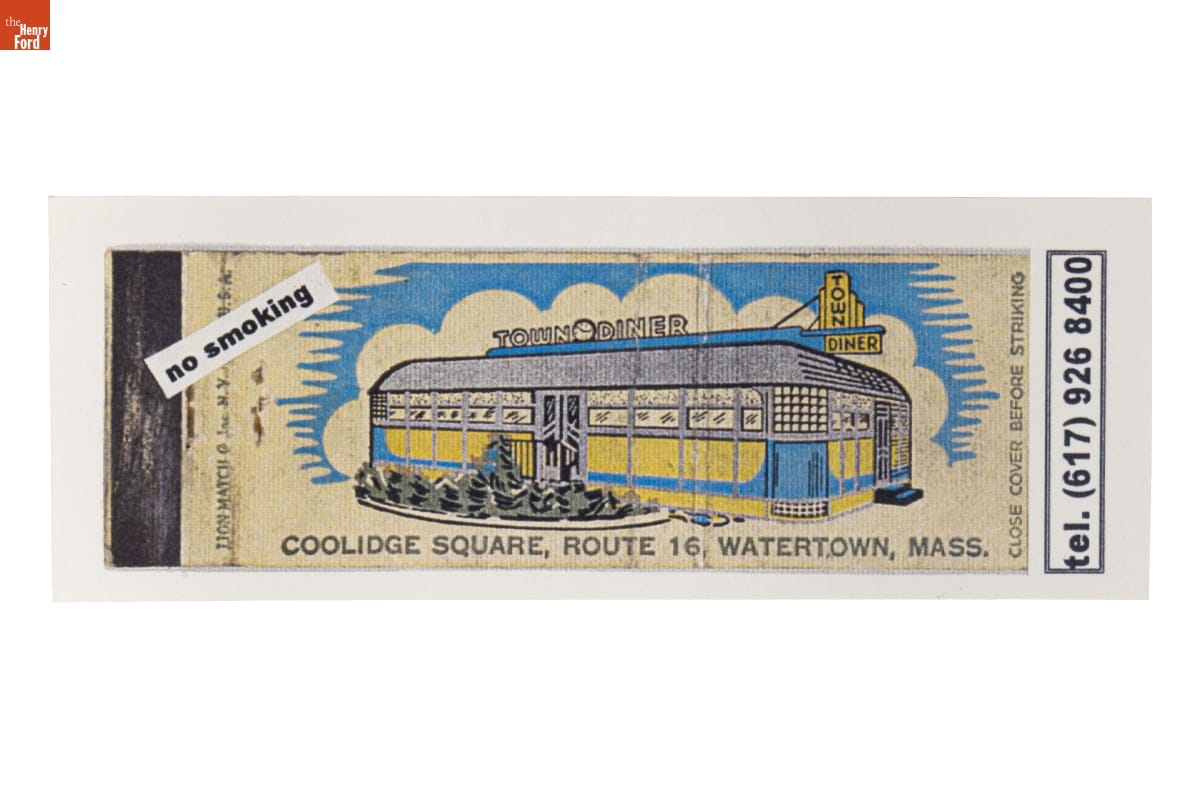
- Deluxe Town Diner Matchbook, Watertown, Massachusetts, 1980-2000 -
- 1980-2000
- Collections - Artifact
Deluxe Town Diner Matchbook, Watertown, Massachusetts, 1980-2000
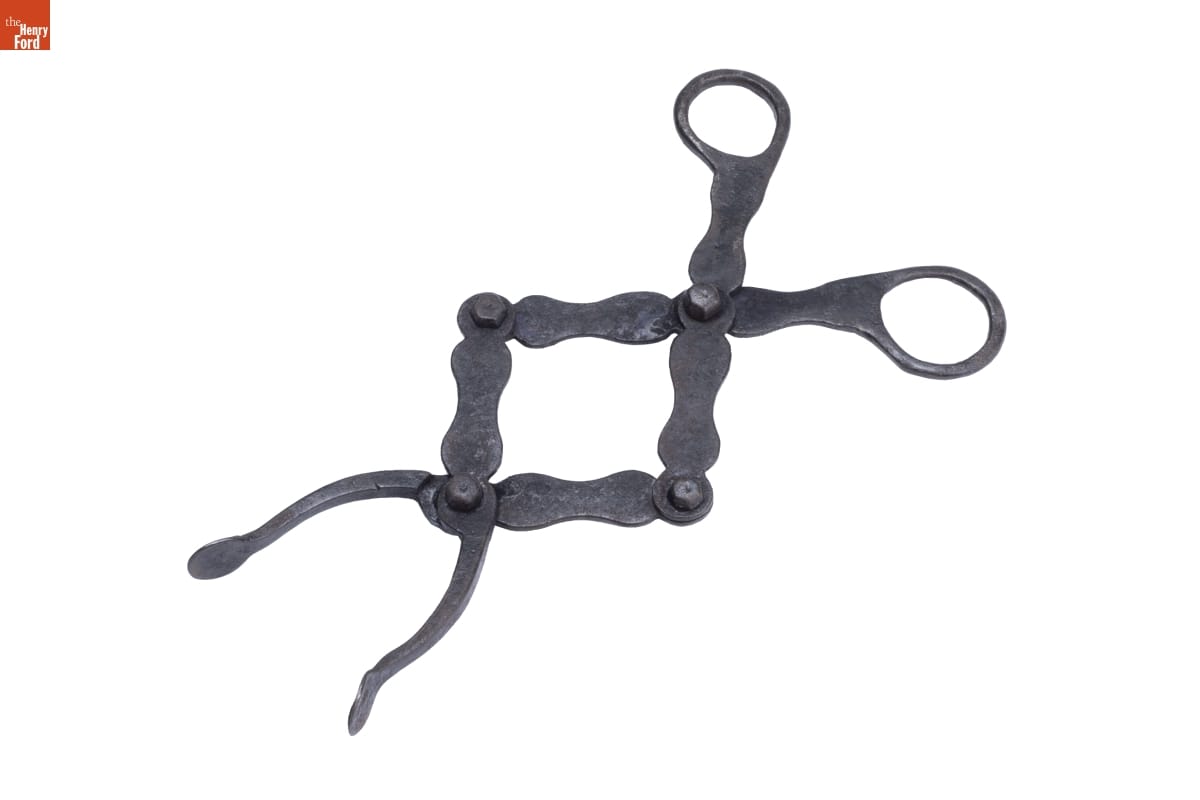
- Pipe Tongs, 1800-1900 - Before matches were widely available, smokers used tongs like this one to light their pipes. Closing the handles extended the flattened ends of the tongs toward the fire and helped them pick up an ember and hold it steady. Blacksmiths made the tongs from durable wrought iron that withstood the heat of the fire.
- 1800-1900
- Collections - Artifact
Pipe Tongs, 1800-1900
Before matches were widely available, smokers used tongs like this one to light their pipes. Closing the handles extended the flattened ends of the tongs toward the fire and helped them pick up an ember and hold it steady. Blacksmiths made the tongs from durable wrought iron that withstood the heat of the fire.
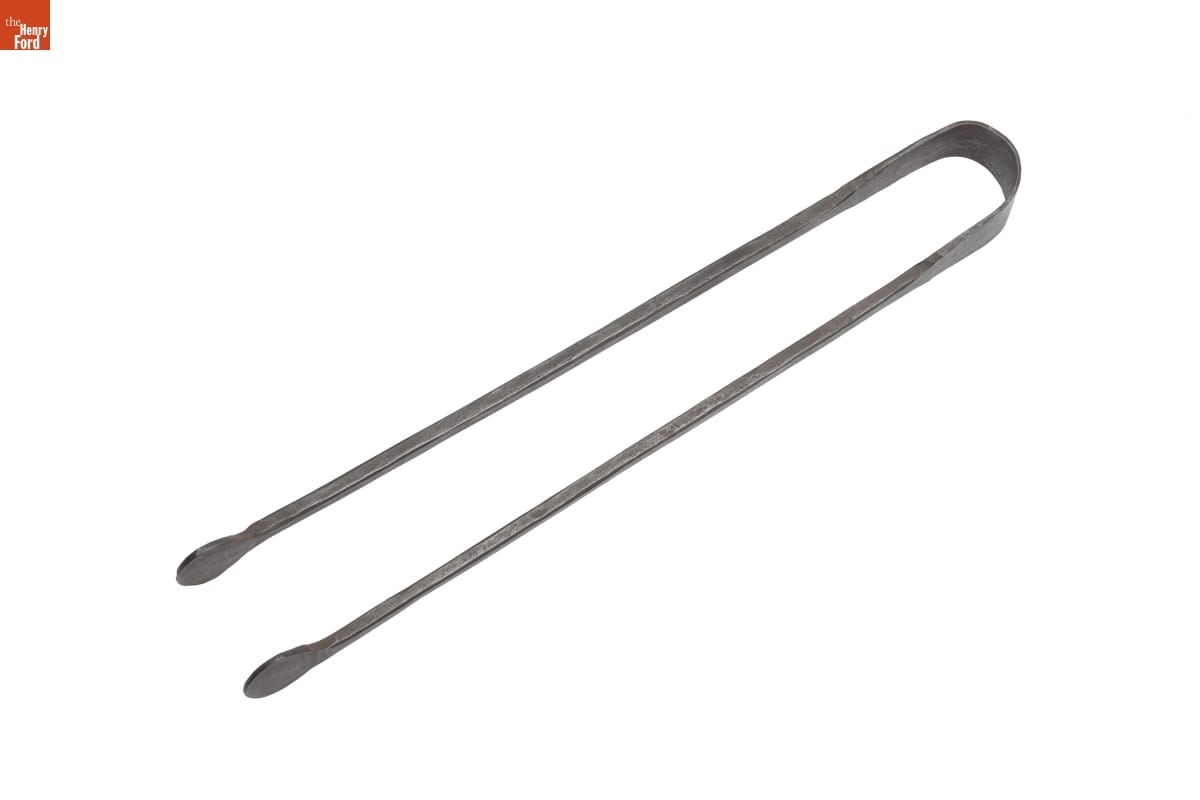
- Ember Tongs - Before matches were widely available, smokers used tongs like this one to light their pipes. The flattened ends of the scissor-like tongs let a person pick up an ember and hold it steady. Blacksmiths made the tongs from durable wrought iron that withstood the heat of the fire.
- Collections - Artifact
Ember Tongs
Before matches were widely available, smokers used tongs like this one to light their pipes. The flattened ends of the scissor-like tongs let a person pick up an ember and hold it steady. Blacksmiths made the tongs from durable wrought iron that withstood the heat of the fire.
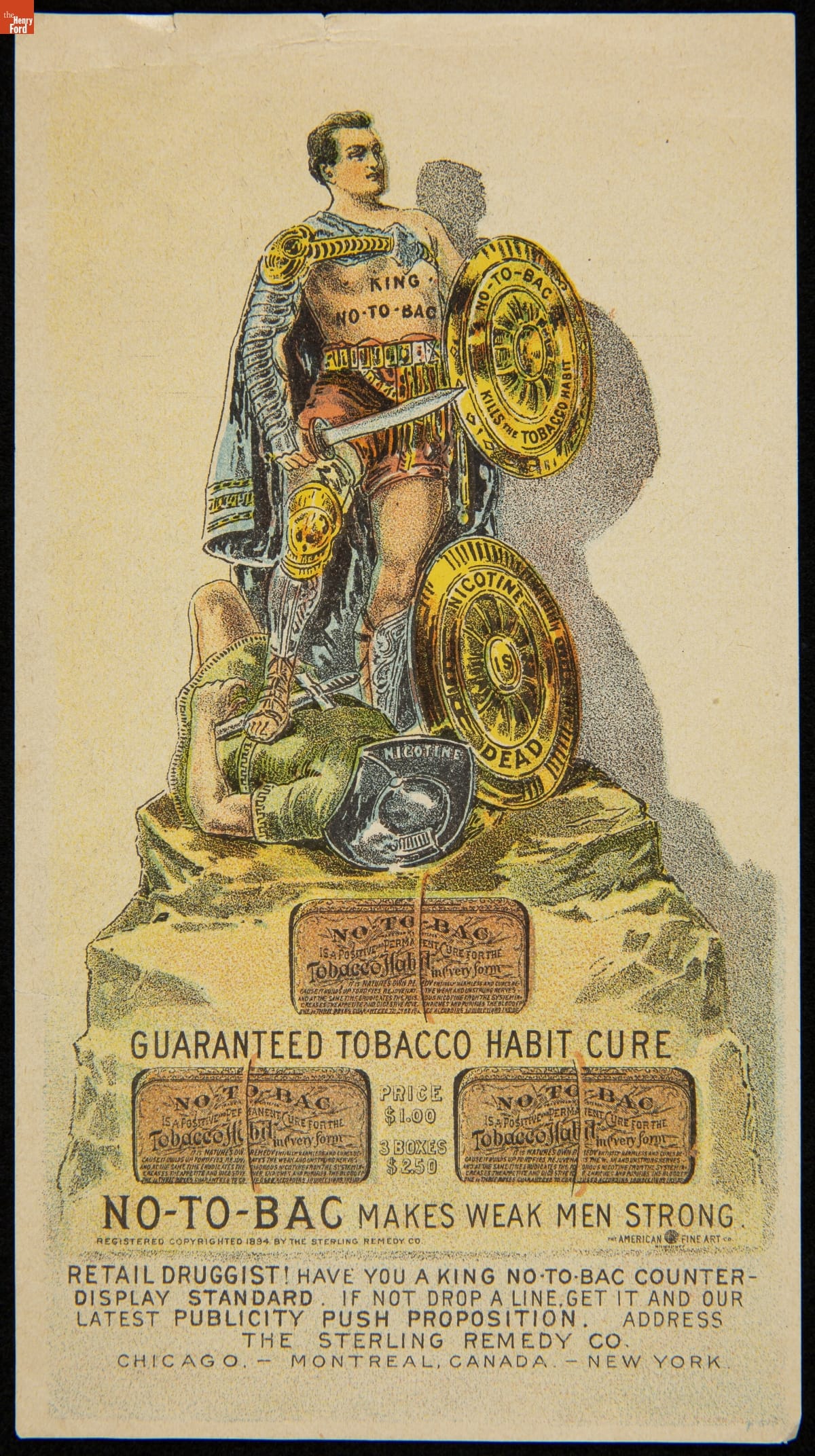
- Trade Card for "No-To-Bac" Tobacco, Sterling Products Co., circa 1894 - In the last third of the nineteenth century, an unprecedented variety of consumer goods and services flooded the American market. Advertisers, armed with new methods of color printing, bombarded potential customers with trade cards. Americans enjoyed and often saved the vibrant little advertisements found in product packages or distributed by local merchants. Many survive as historical records of commercialism in the United States.
- circa 1894
- Collections - Artifact
Trade Card for "No-To-Bac" Tobacco, Sterling Products Co., circa 1894
In the last third of the nineteenth century, an unprecedented variety of consumer goods and services flooded the American market. Advertisers, armed with new methods of color printing, bombarded potential customers with trade cards. Americans enjoyed and often saved the vibrant little advertisements found in product packages or distributed by local merchants. Many survive as historical records of commercialism in the United States.
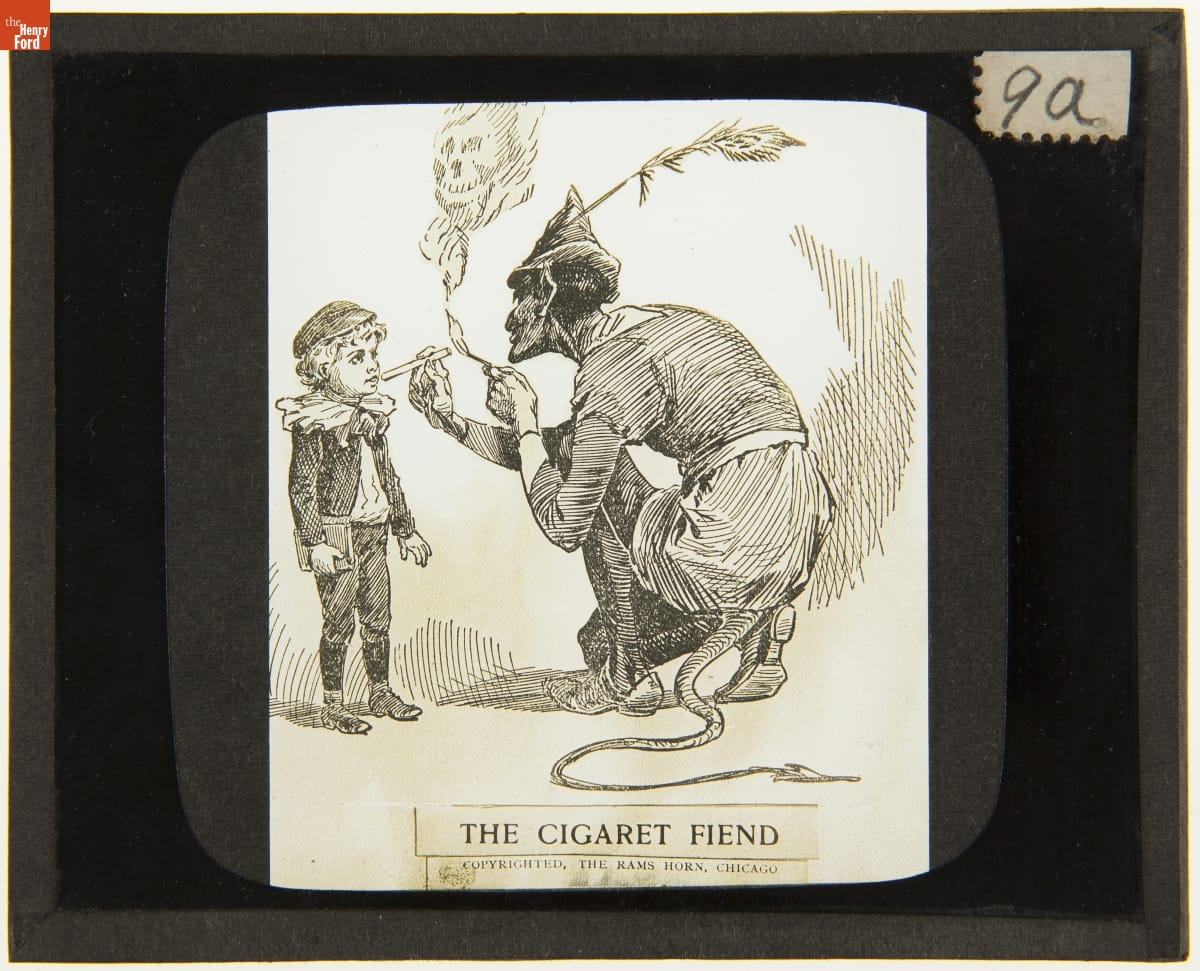
- Lantern Slide, "The Cigaret Fiend" Cartoon, 1890-1910 - Frank Beard (1842-1905), an illustrator, caricaturist, and cartoonist, began his career by sketching scenes of military life for popular publications--such as <em>Harper's Weekly</em>--during the Civil War. His later works promoted Christianity, warned against secularism, and targeted the social ills of the Gilded Age. This slide shows one of his illustrations from <em>The Ram's Horn</em>, a non-denominational Christian periodical.
- 1890-1910
- Collections - Artifact
Lantern Slide, "The Cigaret Fiend" Cartoon, 1890-1910
Frank Beard (1842-1905), an illustrator, caricaturist, and cartoonist, began his career by sketching scenes of military life for popular publications--such as Harper's Weekly--during the Civil War. His later works promoted Christianity, warned against secularism, and targeted the social ills of the Gilded Age. This slide shows one of his illustrations from The Ram's Horn, a non-denominational Christian periodical.
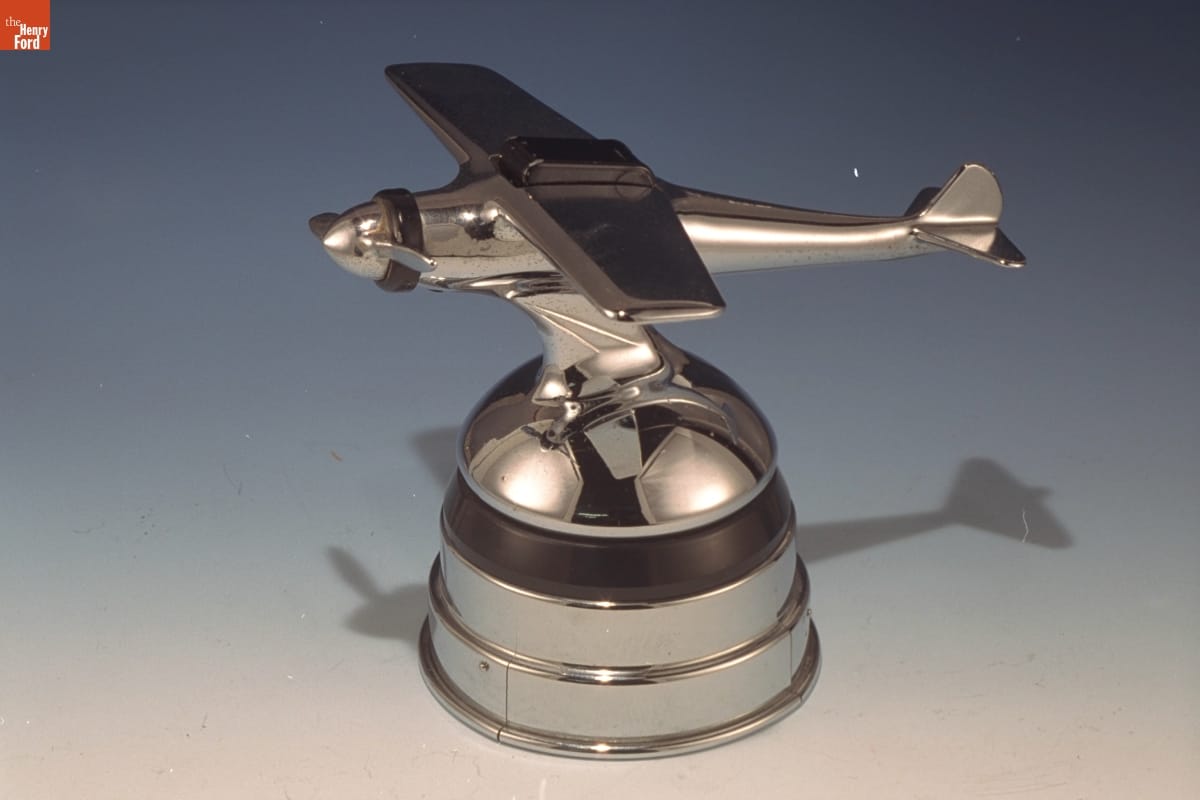
- Airplane Table Lighter on a Music Box, circa 1930 -
- circa 1930
- Collections - Artifact
Airplane Table Lighter on a Music Box, circa 1930
- Everlast "Neocraft Flower" Ashtray, 1938-1955 - In 1932, Louis Schnitzer and Nathan Gelfman formed Everlast Metal Products Corporation, producing high-quality, hand-forged aluminum giftware. In an era of growing uniformity via factory production, the "made by hand" aspect of these products held an aesthetic appeal for consumers. In 1938, Everlast introduced the "Neocraft" product line, made of anodized aluminum and featuring vibrant colors and clean lines.

- 1938-1955
- Collections - Artifact
Everlast "Neocraft Flower" Ashtray, 1938-1955
In 1932, Louis Schnitzer and Nathan Gelfman formed Everlast Metal Products Corporation, producing high-quality, hand-forged aluminum giftware. In an era of growing uniformity via factory production, the "made by hand" aspect of these products held an aesthetic appeal for consumers. In 1938, Everlast introduced the "Neocraft" product line, made of anodized aluminum and featuring vibrant colors and clean lines.