
Search
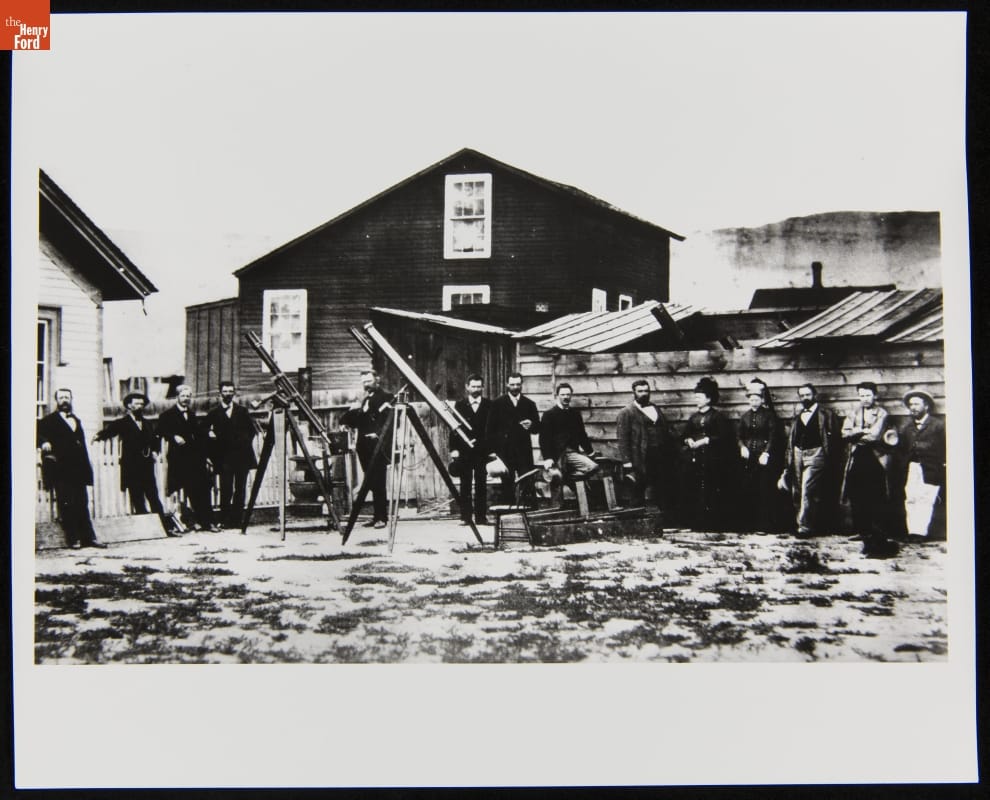
- Thomas Edison with Henry Draper's Expedition to View the July 1878 Solar Eclipse, Rawlins, Wyoming Territory -
- July 01, 1878
- Collections - Artifact
Thomas Edison with Henry Draper's Expedition to View the July 1878 Solar Eclipse, Rawlins, Wyoming Territory
- "Scientific American," Vol. 39, July-December 1878 -

- July 1878-December 1878
- Collections - Artifact
"Scientific American," Vol. 39, July-December 1878
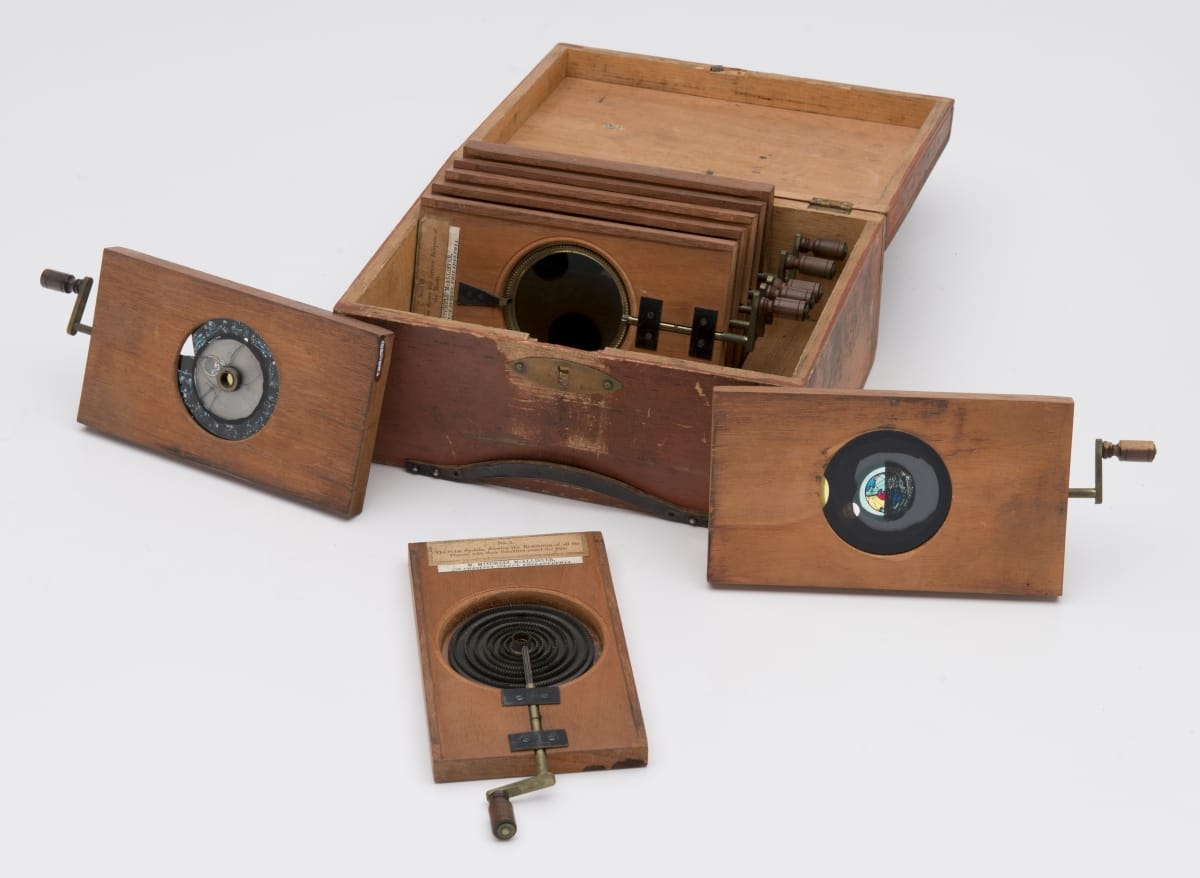
- Astronomical Lantern Slides and Admission Tickets, 1872-1900 - Magic lanterns use a concave mirror and light source to project images on glass slides with painted or photographic scenes. Developed in the 17th century, magic lanterns predate slide projectors and motion pictures. In the hands of magicians, they became "lanterns of fright," projecting wondrous images and apparitions. Slide themes ranged widely: exotic travel, folklore, advertising, history, science, and art.
- 1872-1900
- Collections - Artifact
Astronomical Lantern Slides and Admission Tickets, 1872-1900
Magic lanterns use a concave mirror and light source to project images on glass slides with painted or photographic scenes. Developed in the 17th century, magic lanterns predate slide projectors and motion pictures. In the hands of magicians, they became "lanterns of fright," projecting wondrous images and apparitions. Slide themes ranged widely: exotic travel, folklore, advertising, history, science, and art.
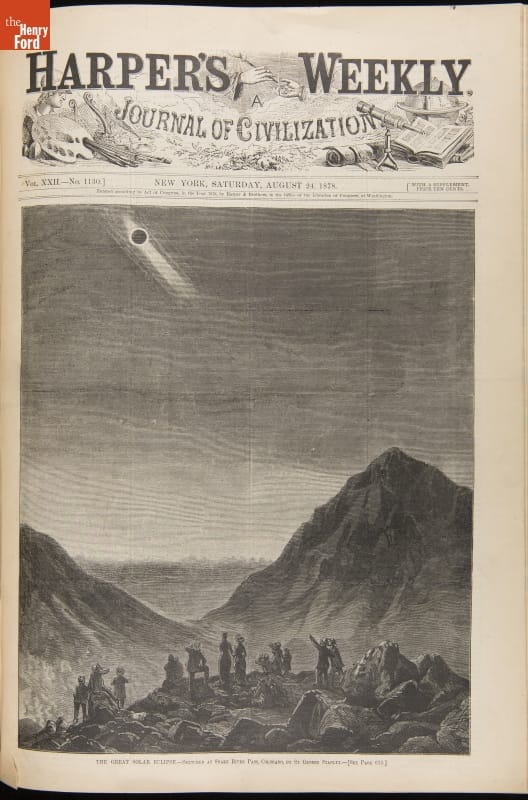
- "Harper's Weekly," Bound Volume for 1878 - <em>Harper's Weekly</em> began publishing in 1857. Published by Harper & Brothers, issues contained news articles, literary works, essays, and illustrations depicting life in America and around the world. <em> Harper's Weekly</em> ceased publication in 1916.
- January 1878-December 1878
- Collections - Artifact
"Harper's Weekly," Bound Volume for 1878
Harper's Weekly began publishing in 1857. Published by Harper & Brothers, issues contained news articles, literary works, essays, and illustrations depicting life in America and around the world. Harper's Weekly ceased publication in 1916.
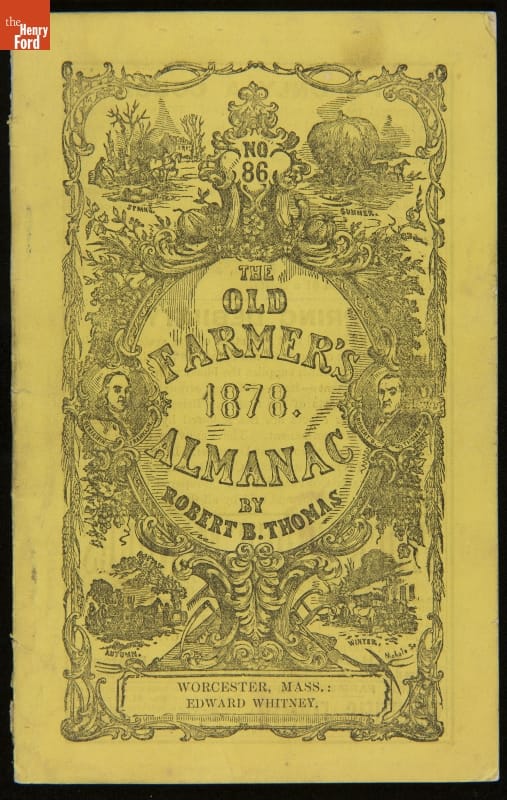
- The Old Farmer's Almanac, 1878 - Almanacs contained practical information about the coming year. Readers normally found a calendar, weather predictions, tide schedules, and information related to astronomical events, agriculture, health, politics and other matters. Interspersed were jokes and witty sayings. The Old Farmer's Almanac was first published in 1792 -- and is the oldest almanac still published in the United States.
- 1878
- Collections - Artifact
The Old Farmer's Almanac, 1878
Almanacs contained practical information about the coming year. Readers normally found a calendar, weather predictions, tide schedules, and information related to astronomical events, agriculture, health, politics and other matters. Interspersed were jokes and witty sayings. The Old Farmer's Almanac was first published in 1792 -- and is the oldest almanac still published in the United States.
- "Total Eclipse Mazurka," 1869 -
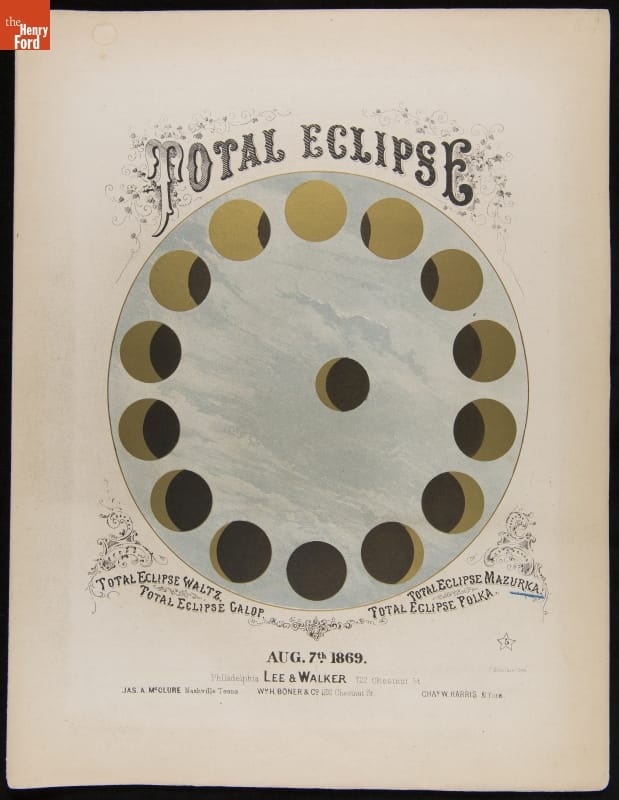
- August 07, 1869
- Collections - Artifact
"Total Eclipse Mazurka," 1869
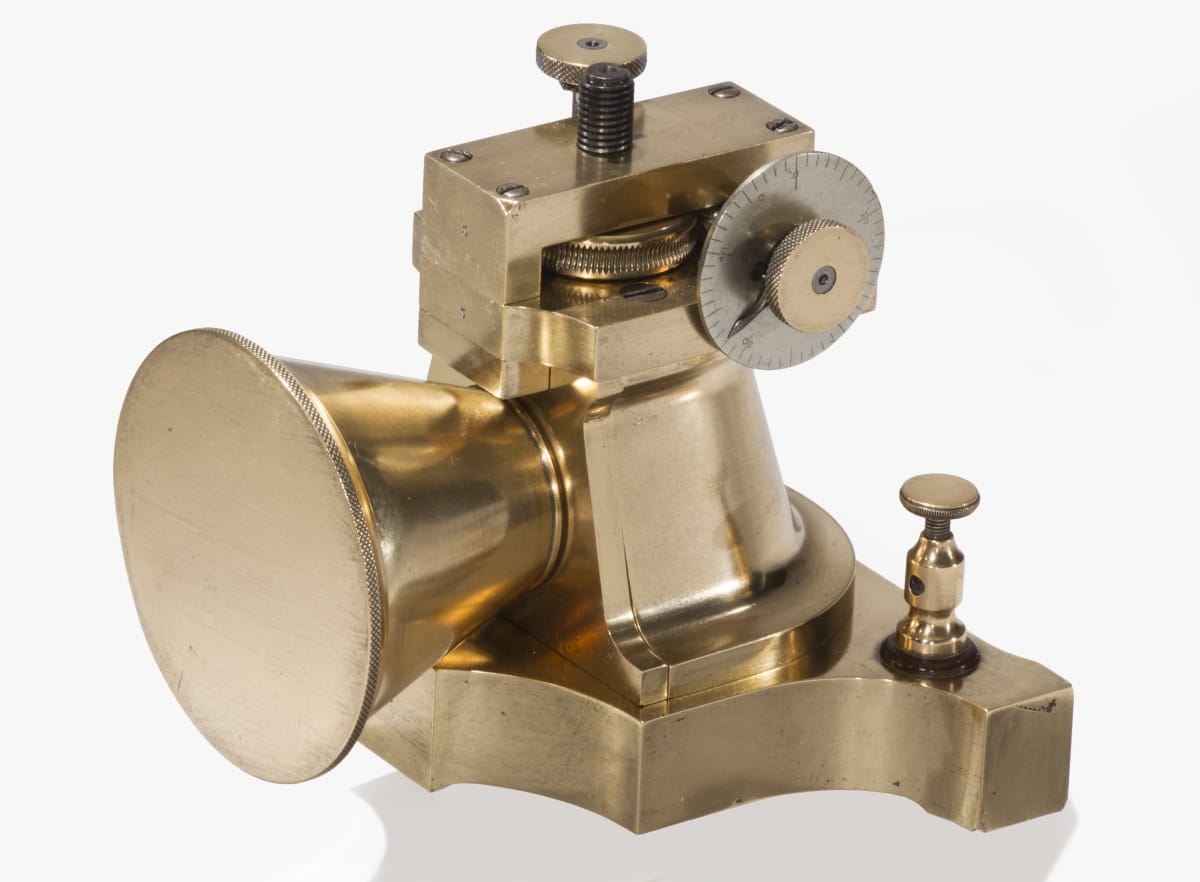
- Edison Tasimeter, 1878 - This tasimeter is a heat-measuring device, invented by Thomas Edison. On July 29, 1878, Edison travelled to Wyoming as part of the "Draper Expedition" to study a total solar eclipse along its path of totality. Mounting a tasimeter to a telescope, Edison conducted experiments to measure the energy levels of the sun's corona, amplified by the eclipse.
- 1878
- Collections - Artifact
Edison Tasimeter, 1878
This tasimeter is a heat-measuring device, invented by Thomas Edison. On July 29, 1878, Edison travelled to Wyoming as part of the "Draper Expedition" to study a total solar eclipse along its path of totality. Mounting a tasimeter to a telescope, Edison conducted experiments to measure the energy levels of the sun's corona, amplified by the eclipse.
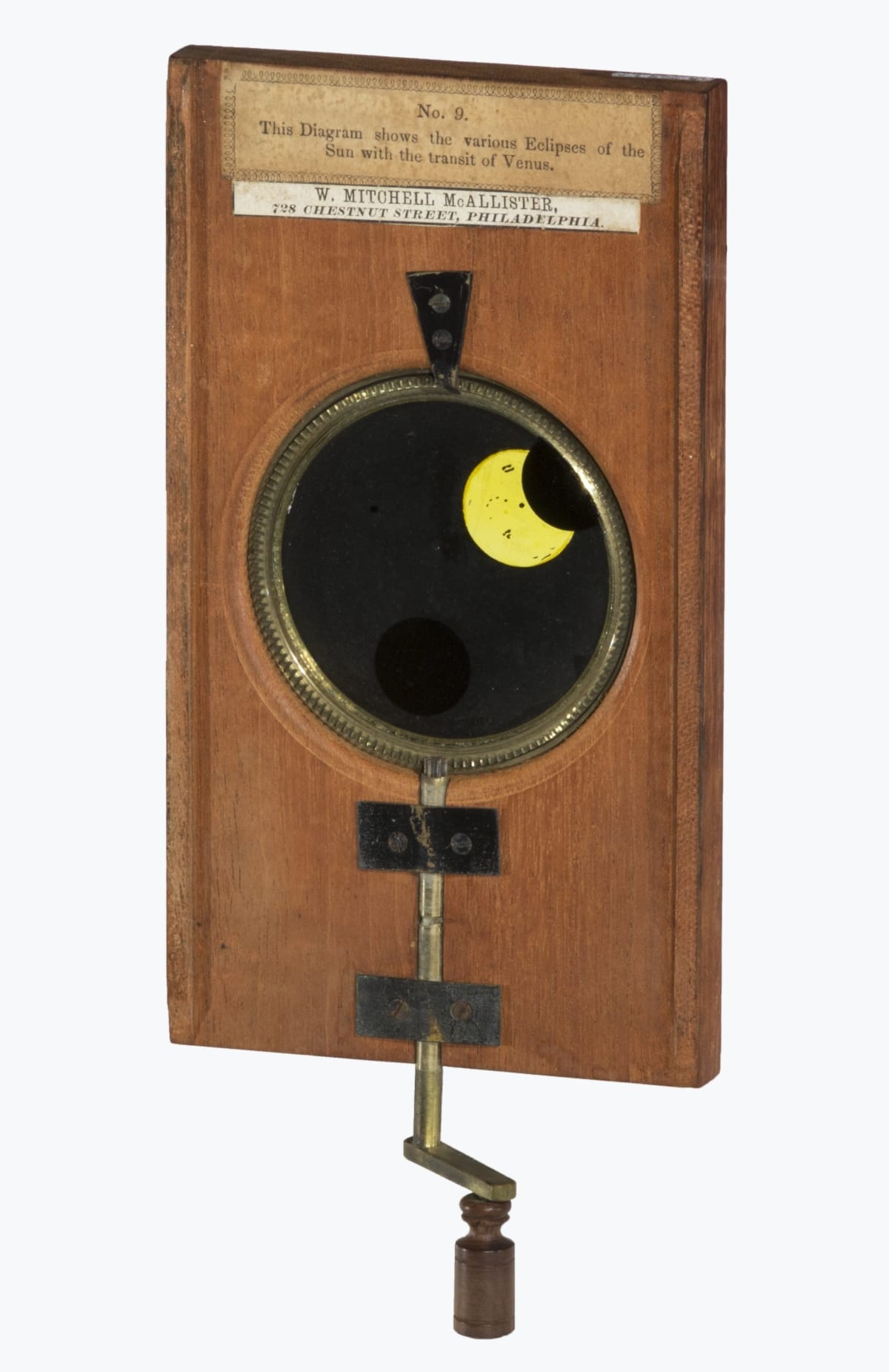
- Lantern Slide, Solar Eclipses, 1872-1900 - Magic lanterns use a concave mirror and light source to project images on glass slides with painted or photographic scenes. Developed in the 17th century, magic lanterns predate slide projectors and motion pictures. In the hands of magicians, they became "lanterns of fright," projecting wondrous images and apparitions. Slide themes ranged widely: exotic travel, folklore, advertising, history, science, and art.
- 1872-1900
- Collections - Artifact
Lantern Slide, Solar Eclipses, 1872-1900
Magic lanterns use a concave mirror and light source to project images on glass slides with painted or photographic scenes. Developed in the 17th century, magic lanterns predate slide projectors and motion pictures. In the hands of magicians, they became "lanterns of fright," projecting wondrous images and apparitions. Slide themes ranged widely: exotic travel, folklore, advertising, history, science, and art.
- Thomas Edison with Henry Draper's Expedition to View the July 1878 Solar Eclipse, Rawlins, Wyoming Territory -
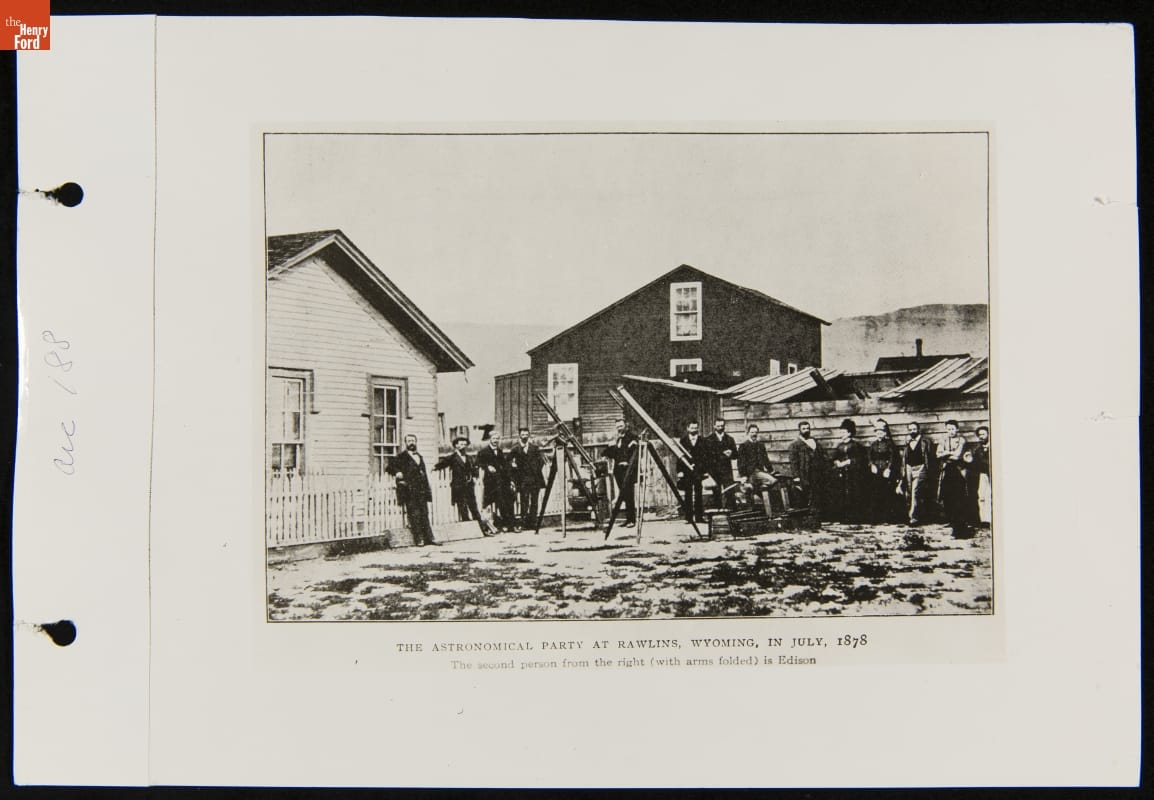
- July 01, 1878
- Collections - Artifact
Thomas Edison with Henry Draper's Expedition to View the July 1878 Solar Eclipse, Rawlins, Wyoming Territory