
Search
- Sarah Jordan Boarding House - The Menlo Park complex was an all-male environment; the closest workaday involvement of women -- not forgetting that Edison and several of his personnel were married -- was at the Sarah Jordan boardinghouse. Offering room and board for unmarried employees at the complex, it was operated by Sarah Jordan, a distant relative of Edison's. The house also played host to the experimental lighting system installed throughout Menlo Park in December 1879.
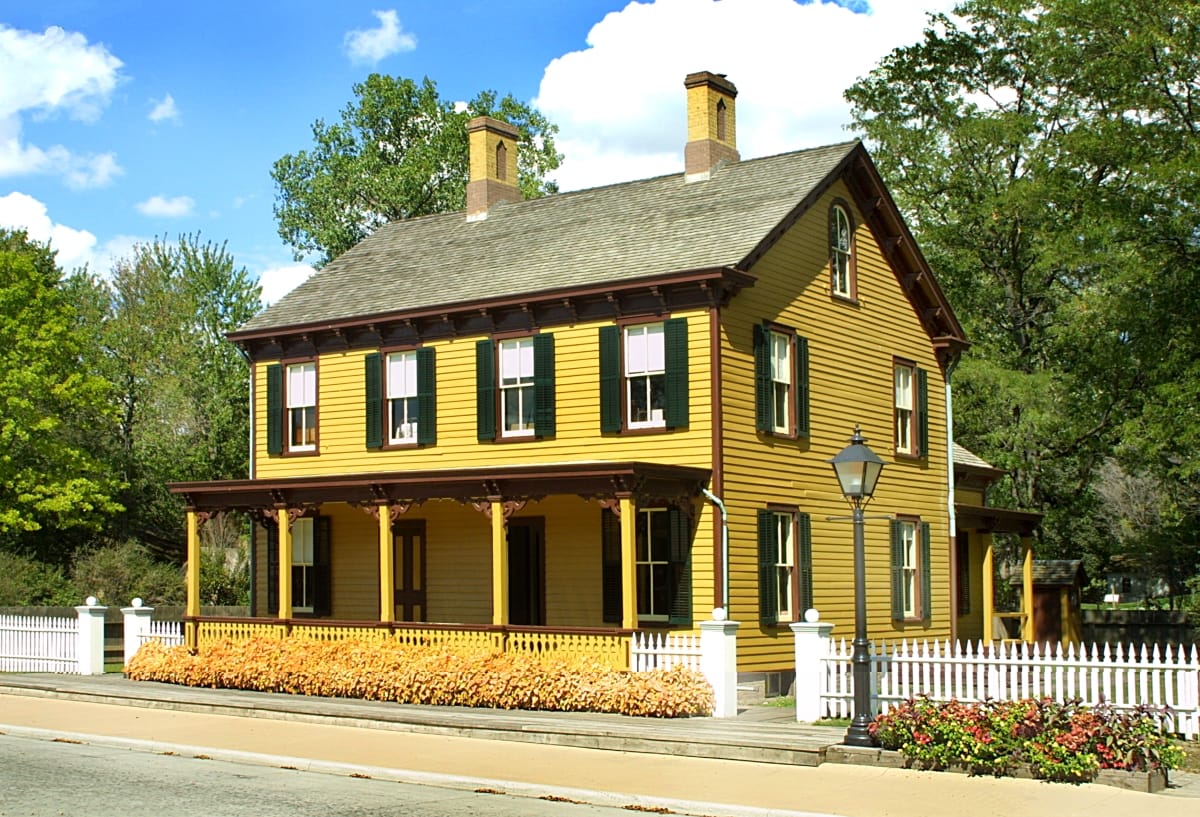
- circa 1870
- Collections - Artifact
Sarah Jordan Boarding House
The Menlo Park complex was an all-male environment; the closest workaday involvement of women -- not forgetting that Edison and several of his personnel were married -- was at the Sarah Jordan boardinghouse. Offering room and board for unmarried employees at the complex, it was operated by Sarah Jordan, a distant relative of Edison's. The house also played host to the experimental lighting system installed throughout Menlo Park in December 1879.
- Wright Family Writing Desk, 1890-1900 - This ladies' writing desk is the starting point for a transportation revolution. On May 30, 1899, a Dayton, Ohio, bicycle shop owner named Wilbur Wright sat down at his sister's desk and wrote a letter to the secretary of the Smithsonian Institution. Wilbur's letter sparked a series of events that led to the world's first powered airplane flight in 1903.
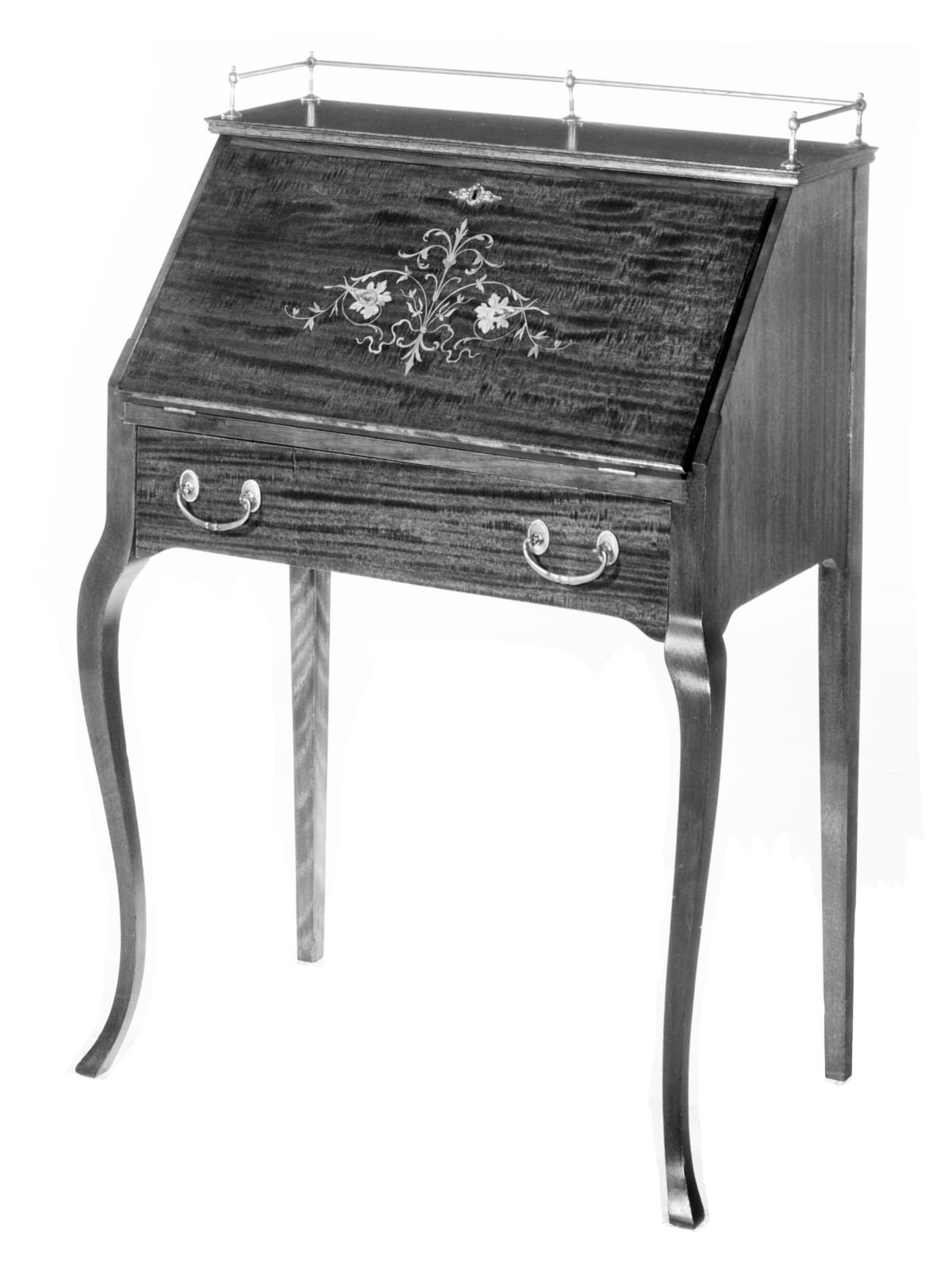
- 1890-1900
- Collections - Artifact
Wright Family Writing Desk, 1890-1900
This ladies' writing desk is the starting point for a transportation revolution. On May 30, 1899, a Dayton, Ohio, bicycle shop owner named Wilbur Wright sat down at his sister's desk and wrote a letter to the secretary of the Smithsonian Institution. Wilbur's letter sparked a series of events that led to the world's first powered airplane flight in 1903.
- Side Chair, 1855-1870 -
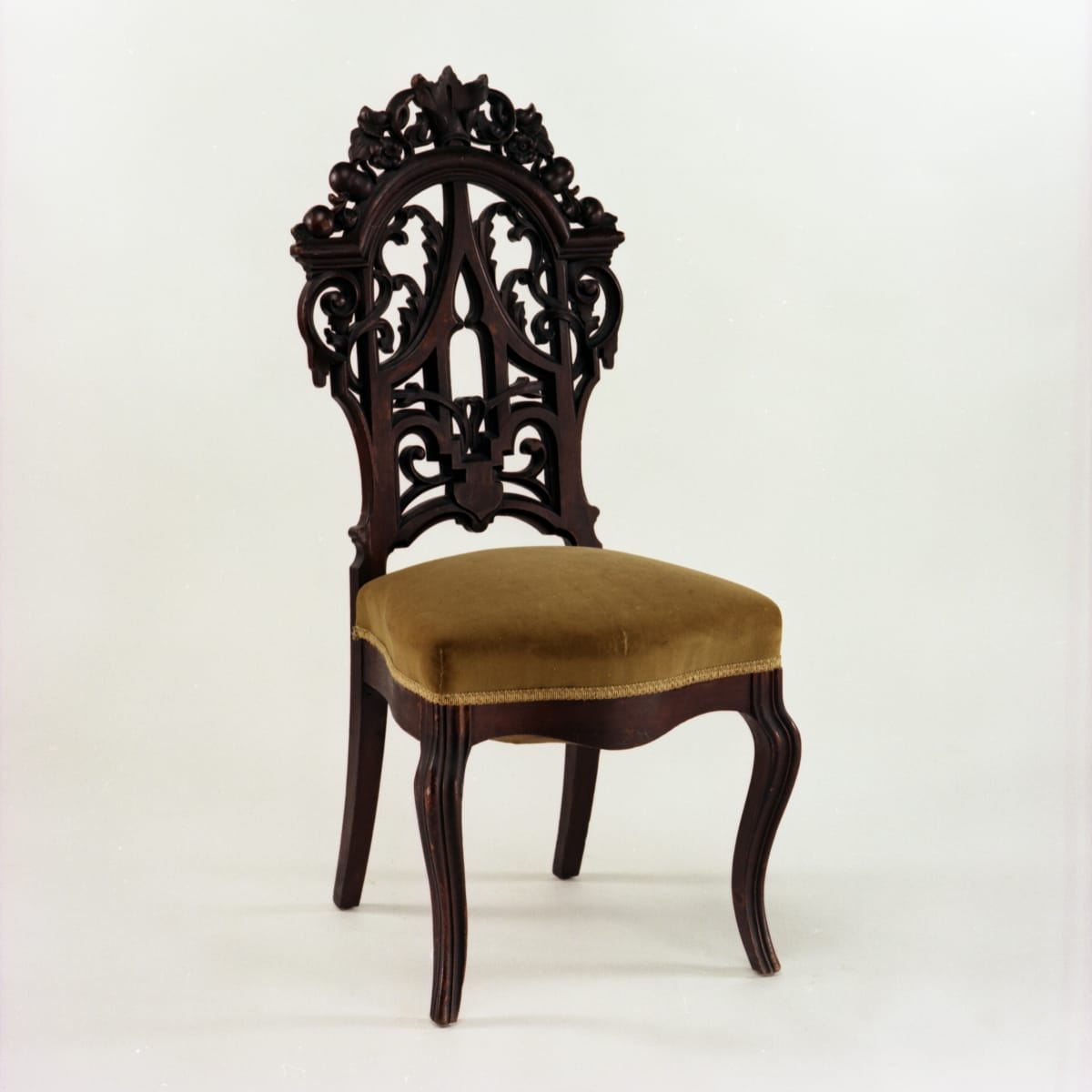
- 1855-1870
- Collections - Artifact
Side Chair, 1855-1870
- Medicine Chest, Possibly Designed for Use aboard a Ship, 1835-1845 - It is believed this portable medicine chest was designed for use on board a ship. It also may have been used by a physician who traveled around a community to meet patients in rural homes. This kit may have included items such as Vitriol Alba, zinc sulfate, to cause vomiting, which is one way to cure a stomachache.
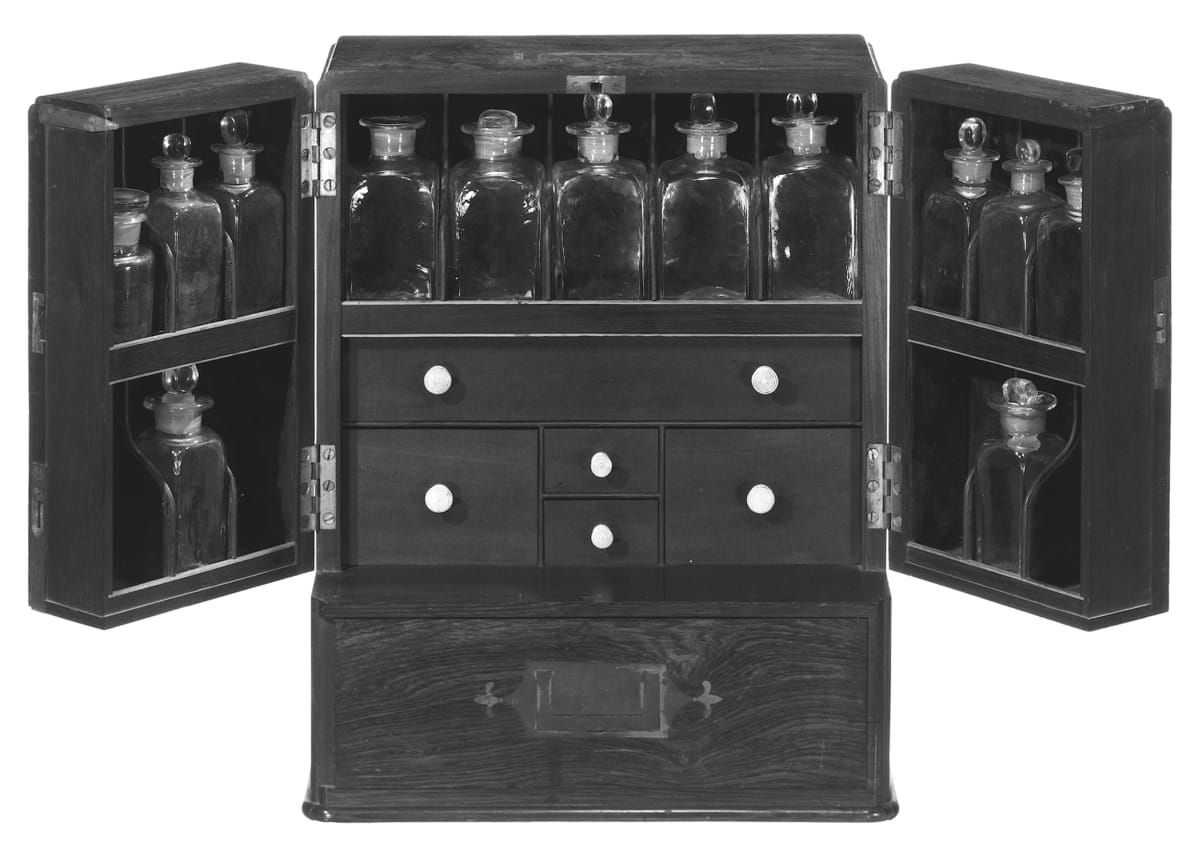
- 1835-1845
- Collections - Artifact
Medicine Chest, Possibly Designed for Use aboard a Ship, 1835-1845
It is believed this portable medicine chest was designed for use on board a ship. It also may have been used by a physician who traveled around a community to meet patients in rural homes. This kit may have included items such as Vitriol Alba, zinc sulfate, to cause vomiting, which is one way to cure a stomachache.
- Hallmark "Nostalgic Houses and Shops Series: Victorian Painted Lady" Christmas Ornament, 1996 - Hallmark's "Nostalgic Houses and Shops" ornament series reflects a centuries-old Christmas tradition of placing small buildings under the tree to create tiny "villages." It began in 1984 and is one of Hallmark's longest-running series. Hung on the tree, these ornaments--depicting homes, stores, and other buildings--evoke small-town American life in days gone by.
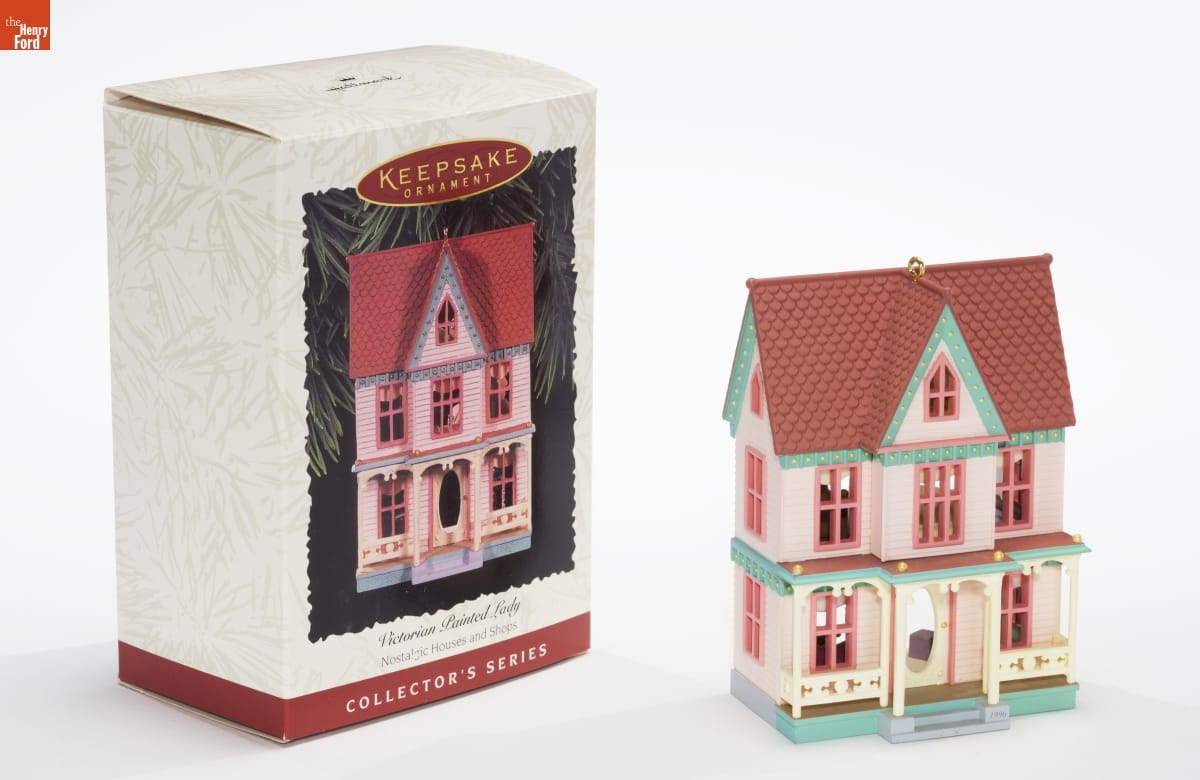
- 1996
- Collections - Artifact
Hallmark "Nostalgic Houses and Shops Series: Victorian Painted Lady" Christmas Ornament, 1996
Hallmark's "Nostalgic Houses and Shops" ornament series reflects a centuries-old Christmas tradition of placing small buildings under the tree to create tiny "villages." It began in 1984 and is one of Hallmark's longest-running series. Hung on the tree, these ornaments--depicting homes, stores, and other buildings--evoke small-town American life in days gone by.
- Wright Cycle Shop - Wilbur and Orville Wright operated their bicycle business in this building from 1897 to 1908 in Dayton, Ohio. The brothers sold and repaired bikes, and they even produced models under their own brands. It was also in this shop that the Wright brothers built their earliest flying machines, including the 1903 Flyer that became the first successful heavier-than-air, powered, controlled aircraft.
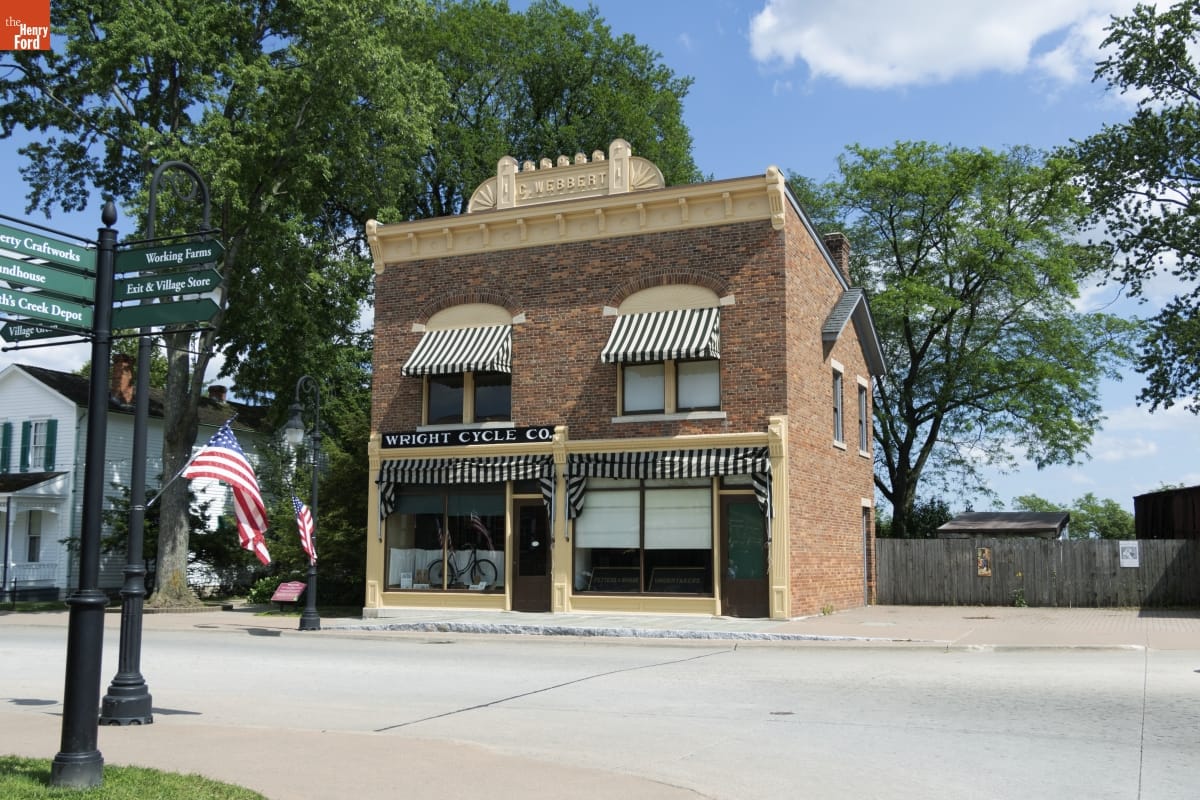
- circa 1903
- Collections - Artifact
Wright Cycle Shop
Wilbur and Orville Wright operated their bicycle business in this building from 1897 to 1908 in Dayton, Ohio. The brothers sold and repaired bikes, and they even produced models under their own brands. It was also in this shop that the Wright brothers built their earliest flying machines, including the 1903 Flyer that became the first successful heavier-than-air, powered, controlled aircraft.
- Grimm Jewelry Store - Englebert Grimm sold and repaired watches, clocks and jewelry in this building. The business was located on Michigan Avenue in Detroit, from 1886 until 1931. Shops like Grimm's prospered in cities, selling mass-produced goods of the newly industrializing society. Grimm and his family lived above the store in comfortable but relatively modest quarters.
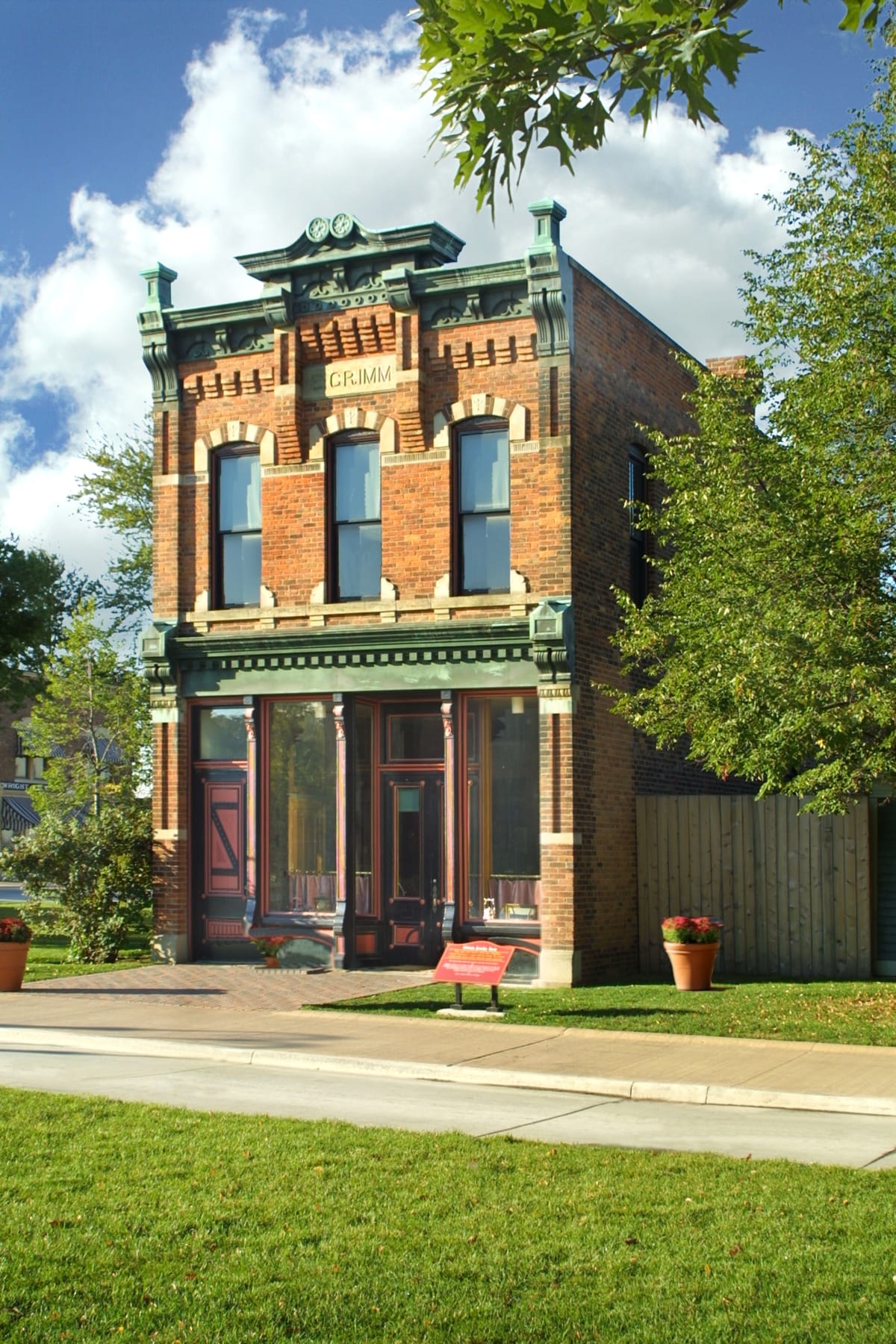
- 1885
- Collections - Artifact
Grimm Jewelry Store
Englebert Grimm sold and repaired watches, clocks and jewelry in this building. The business was located on Michigan Avenue in Detroit, from 1886 until 1931. Shops like Grimm's prospered in cities, selling mass-produced goods of the newly industrializing society. Grimm and his family lived above the store in comfortable but relatively modest quarters.
- Armchair from "Turkish" Parlor Set, 1885-1895 - By the late 19th century, people could afford to buy a roomful of factory-made, designed-to-match furniture. This was reassuring for those uncertain of their decorating skills. Owning such pieces helped confirm one's social standing. This chair, part of a "Turkish" parlor set, reflects Americans' fascination with the exotic, especially the near and far east, although sets of this type were never made there.
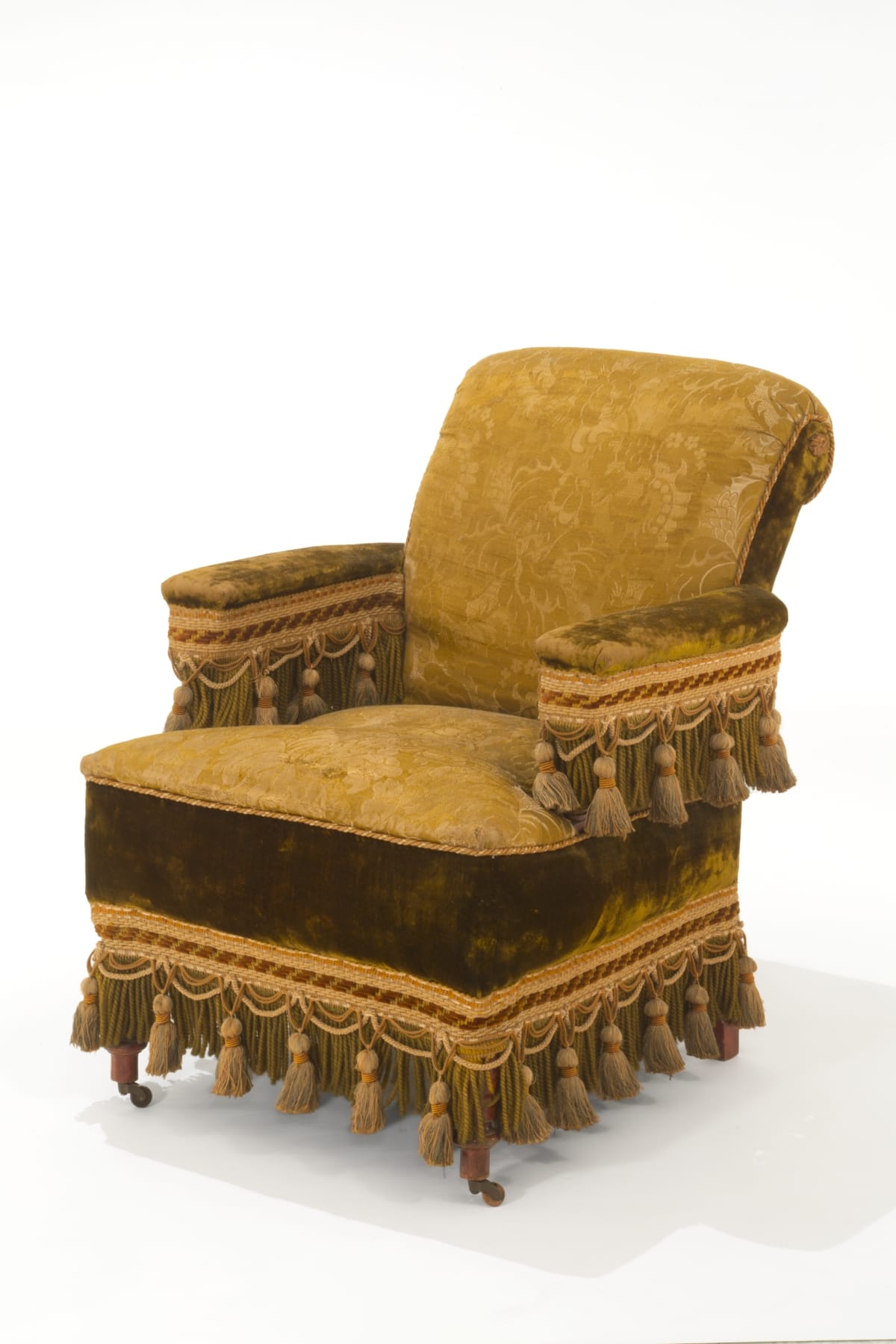
- 1885-1895
- Collections - Artifact
Armchair from "Turkish" Parlor Set, 1885-1895
By the late 19th century, people could afford to buy a roomful of factory-made, designed-to-match furniture. This was reassuring for those uncertain of their decorating skills. Owning such pieces helped confirm one's social standing. This chair, part of a "Turkish" parlor set, reflects Americans' fascination with the exotic, especially the near and far east, although sets of this type were never made there.
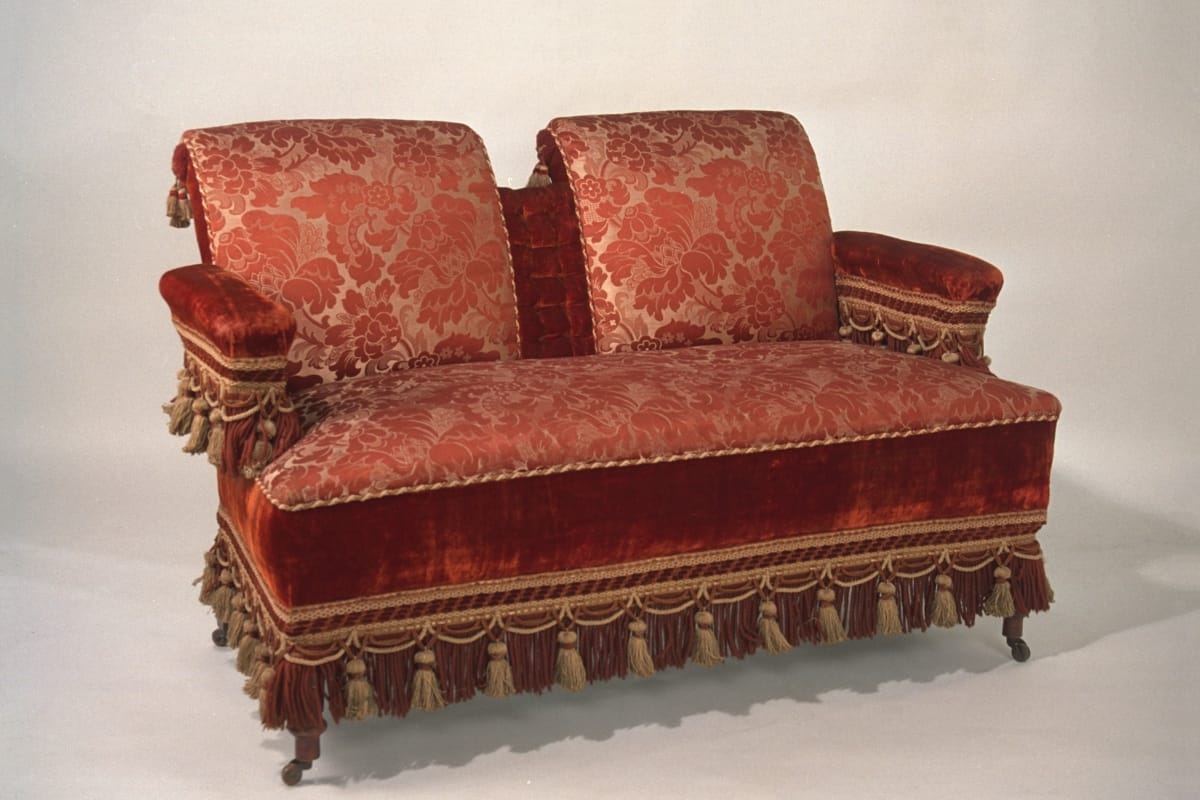
- Settee from "Turkish" Parlor Set, 1885-1895 - By the late 19th century, people could afford to buy a roomful of factory-made, designed-to-match furniture. This was reassuring for those uncertain of their decorating skills. Owning such pieces helped confirm one's social standing. This settee, part of a "Turkish" parlor set, reflects Americans' fascination with the exotic, especially the near and far east, although sets of this type were never made there.
- 1885-1895
- Collections - Artifact
Settee from "Turkish" Parlor Set, 1885-1895
By the late 19th century, people could afford to buy a roomful of factory-made, designed-to-match furniture. This was reassuring for those uncertain of their decorating skills. Owning such pieces helped confirm one's social standing. This settee, part of a "Turkish" parlor set, reflects Americans' fascination with the exotic, especially the near and far east, although sets of this type were never made there.
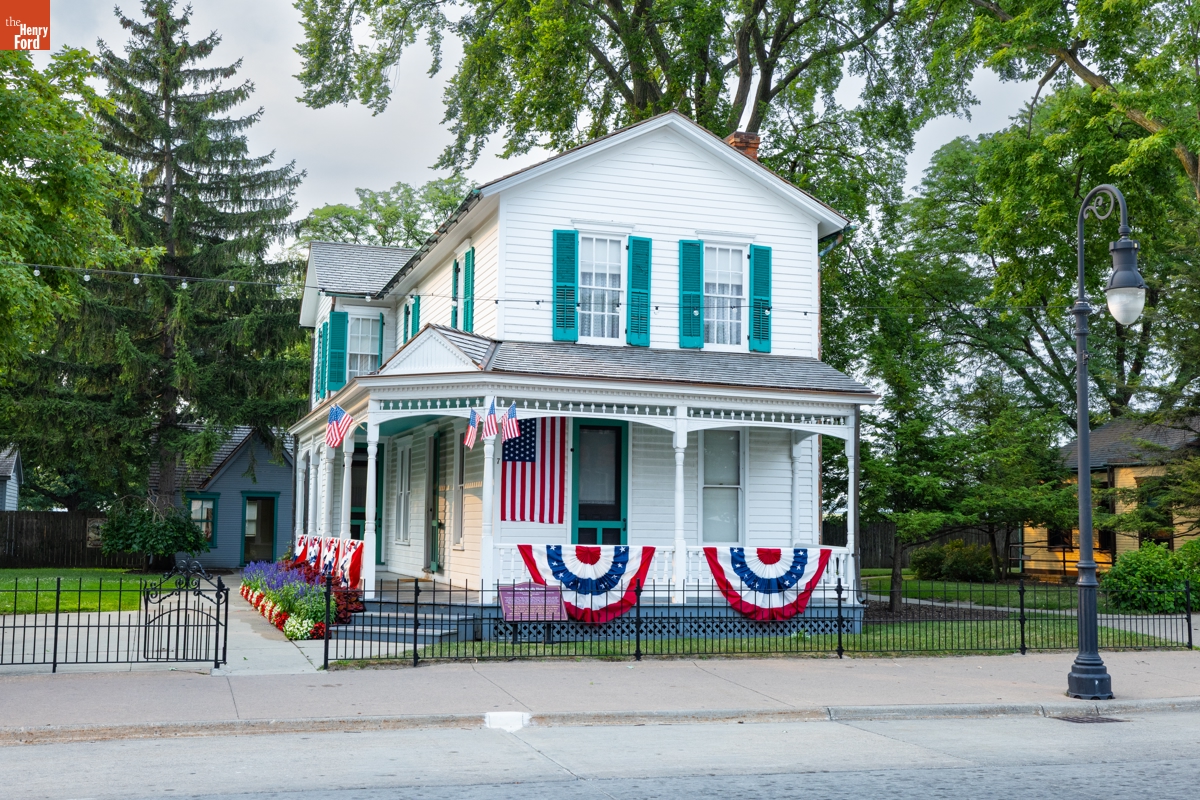
- Wright Home - Though the Wright family moved around, brothers Wilbur and Orville always thought of this house, originally located at 7 Hawthorn Street in Dayton, Ohio, as home. Orville was born here in 1871, and Wilbur died here in 1912. It was also here that the brothers began their serious studies in aviation -- work that led to their successful 1903 Wright Flyer.
- 1870-1913
- Collections - Artifact
Wright Home
Though the Wright family moved around, brothers Wilbur and Orville always thought of this house, originally located at 7 Hawthorn Street in Dayton, Ohio, as home. Orville was born here in 1871, and Wilbur died here in 1912. It was also here that the brothers began their serious studies in aviation -- work that led to their successful 1903 Wright Flyer.