
1920 Dayton-Wright RB-1 Monoplane
THF39666 / 1920 Dayton-Wright RB-1 Monoplane
01
Artifact Overview
Designer Milton Baumann and pilot Howard Rinehart hoped to win the 1920 Gordon Bennett Air Race with their Dayton-Wright RB-1. Years ahead of its time, the airplane featured a single cantilevered wing, movable wing flaps for adjustable camber settings, an enclosed cockpit, and retractable landing gear. But a failed control cable knocked Rinehart out of contention. The RB-1 never raced again.
Artifact Details
Artifact
Airplane
Date Made
1920
Place of Creation
Creator Notes
Designed by Milton C. Baumann and made by the Dayton Wright Airplane Company, Ohio
Location
at Henry Ford Museum in Heroes of the Sky
Object ID
40.290.1
Credit
From the Collections of The Henry Ford.
Material
Metal
Wood (Plant material)
Aluminum
Color
White (Color)
Dimensions
Height: 3.167 ft
Width: 23.25 ft
Length: 22.5 ft
Inscriptions
One side of propeller marked: DAYTON WRIGHT/ 250 H.P.
On other side: SERIES 50502 / NO. 1
Keywords |
|---|
02
Related Content
 Set
SetExhibition Flying
- 22 Artifacts
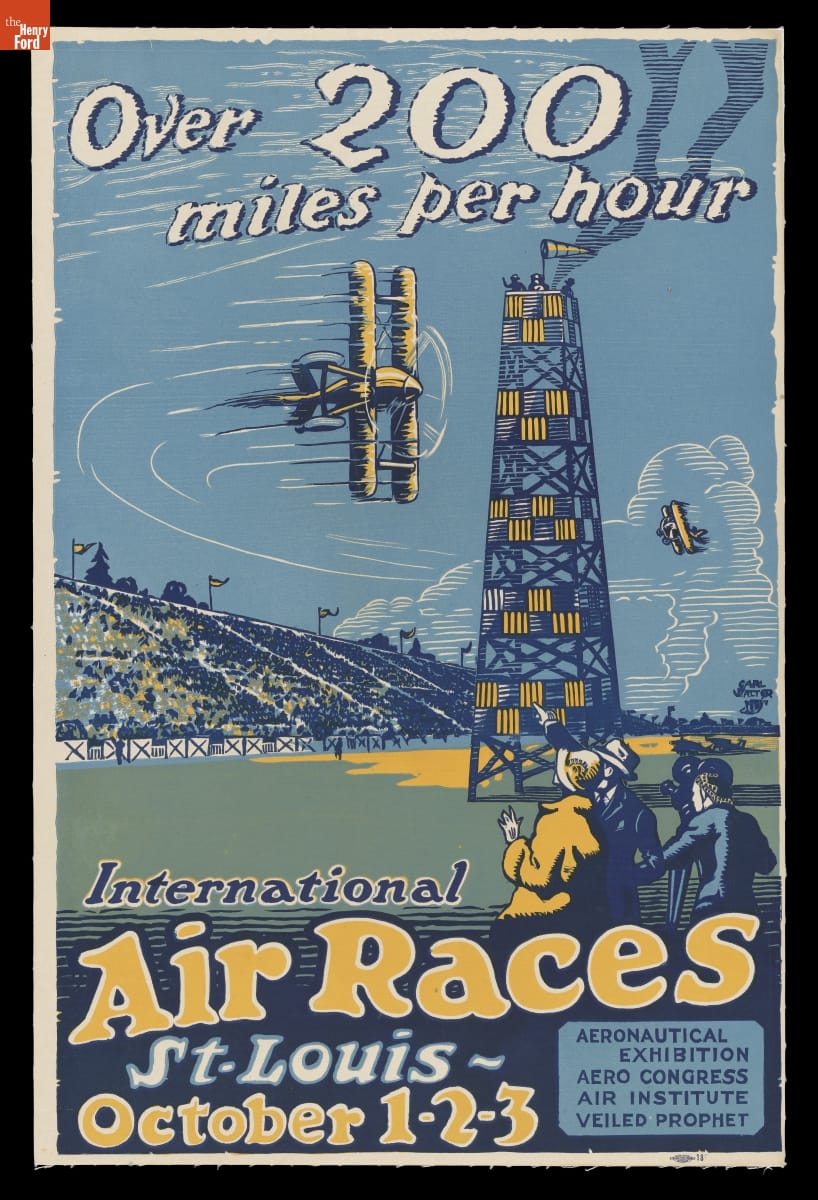
Part showmanship and part salesmanship, early aviation meets and air shows improved airplane technology and promoted the aviation industry. Air races celebrated speed, with pilots competing against the clock or against each other on marked courses. Reliability tours focused on stamina, with prizes awarded for dependable flying on specific schedules. Exhibition flying launched great careers for some -- and cut them short for others.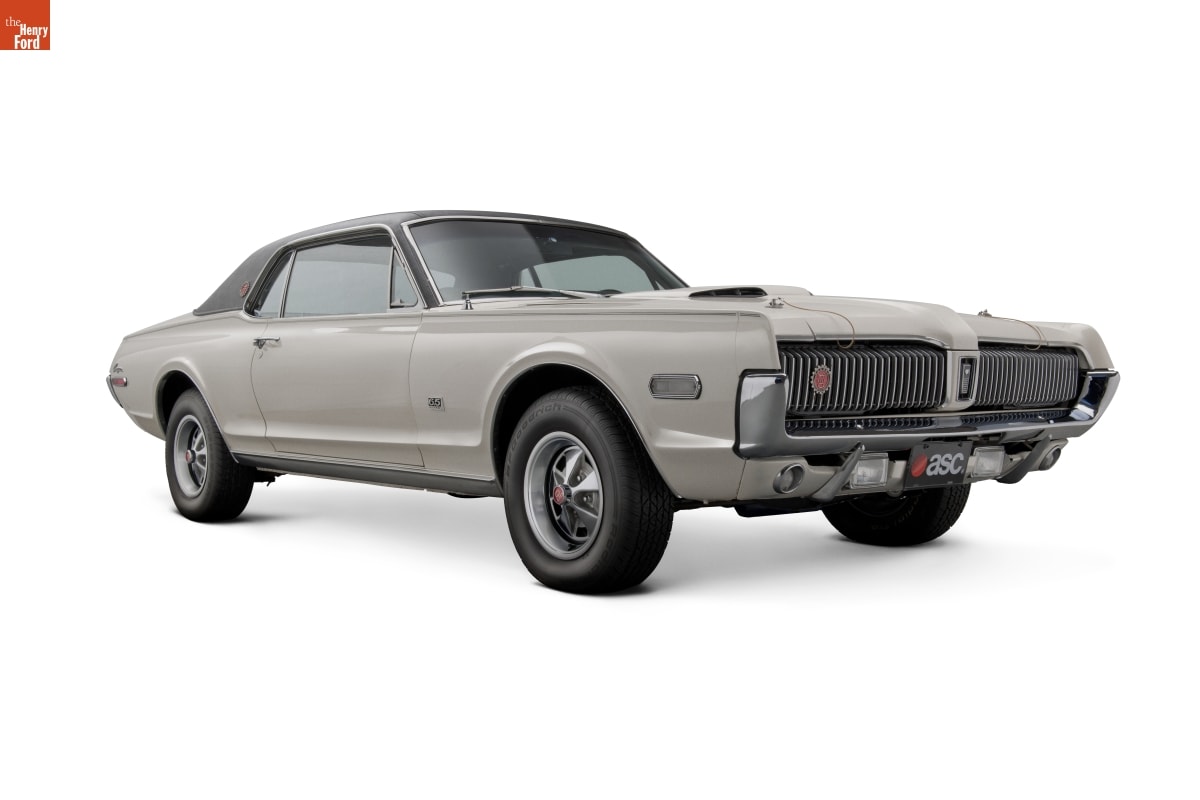 Set
SetFeatured on The Henry Ford's Innovation Nation: Season 4
- 26 Artifacts
Ford Motor Company's Mustang, introduced in 1964, was such a success that other car makers soon copied it, including Ford itself. Mercury's Cougar was based on the Mustang, but with more upscale styling and interior appointments that made it something of a "poor man's Jaguar." This Cougar has the rare XR7-G package with a hood scoop, sun roof, and other special trim features.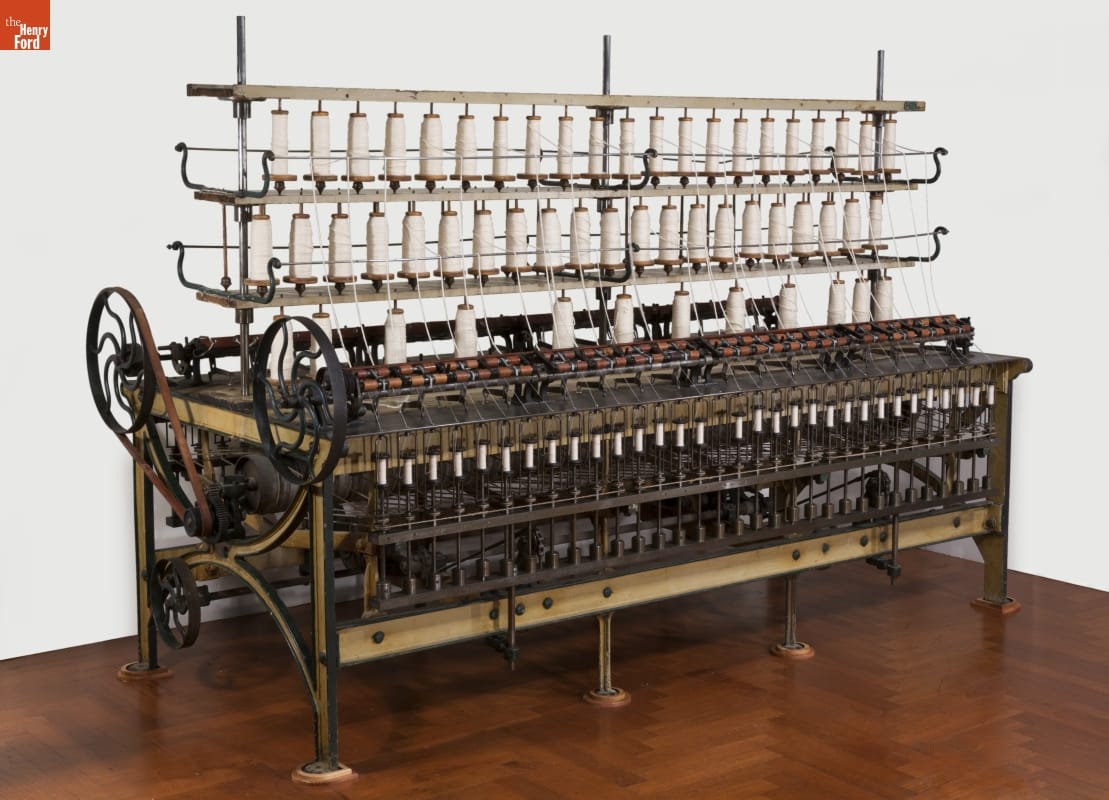 Set
SetFeatured on The Henry Ford's Innovation Nation: Season 8
- 26 Artifacts
Spinning frames spin cotton fiber into yarn and then wind it onto a bobbin. This throstle spinning frame could simultaneously spin 64 strands of yarn. (Throstle -- an old name for a song thrush -- refers to the bird-like sounds the machine made.) Machines like this helped produce the large quantities of yarn that growing industrial weaving operations needed in the early and mid-1800s.