
1972 McLaren M16A Race Car, Driven by David "Salt" Walther
THF137315 / 1972 McLaren M16A Race Car, Driven by David "Salt" Walther
01
Artifact Overview
This hulk is what remains from one of the worst crashes in Indianapolis 500 history. On the first lap of the 1973 race, David "Salt" Walther's car crashed into the outside wall, exploded, and overturned. Though badly burned, Walther survived. After a lengthy rehabilitation, he returned to compete at Indy the following year.
Artifact Details
Artifact
Racing car
Date Made
1972
Subject Date
30 May 1973
Creators
Place of Creation
Location
at Henry Ford Museum in Driven to Win: Racing in America
Object ID
2006.24.1
Credit
From the Collections of The Henry Ford.
Material
Metal
Color
Blue
Inscriptions
Tail fin: 77
Side: DAYTON / WALTHER / SPECIAL
Keywords |
|---|
02
Related Content
 Set
SetRacing
- 50 Artifacts
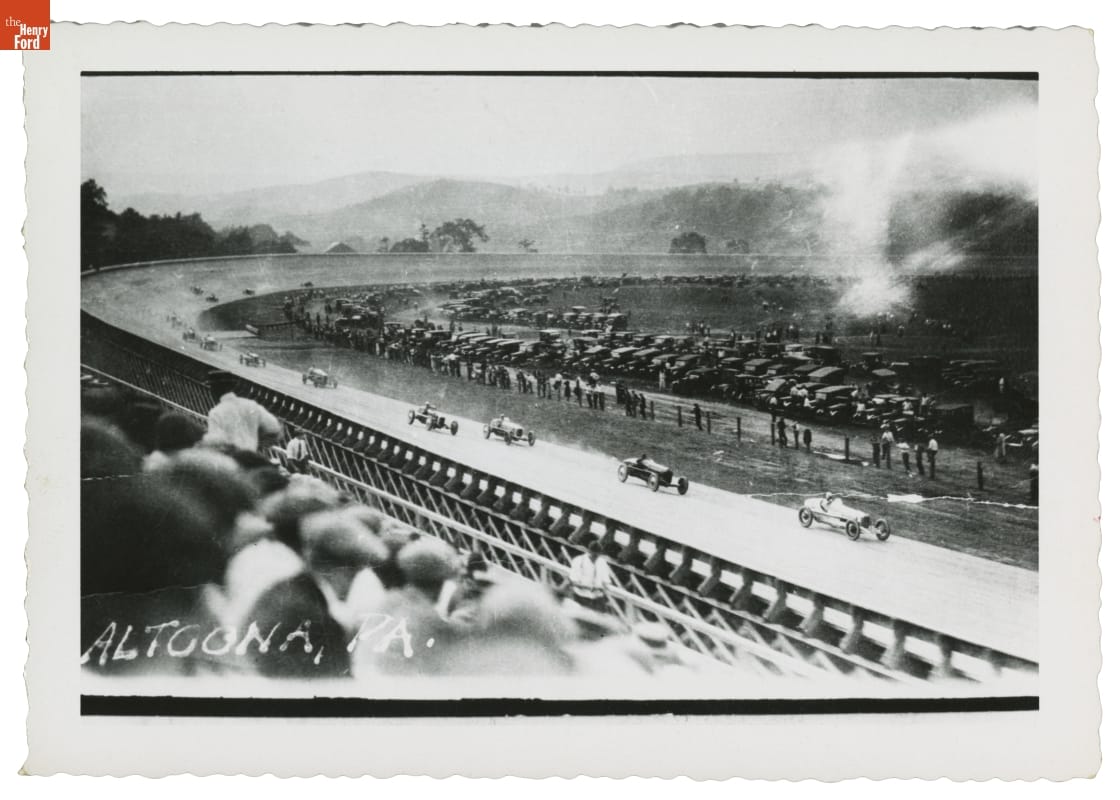
As automobile racing speeds increased, repurposed dirt horse tracks became inadequate. In the 1910s promoters turned to wooden boards, which provided a smooth road surface and were less expensive than bricks or concrete. But rotting wood required frequent replacement. Improvements in concrete and asphalt made board tracks obsolete in the 1930s. The 1.25-mile board track at Altoona, Pennsylvania, operated from 1923-1931.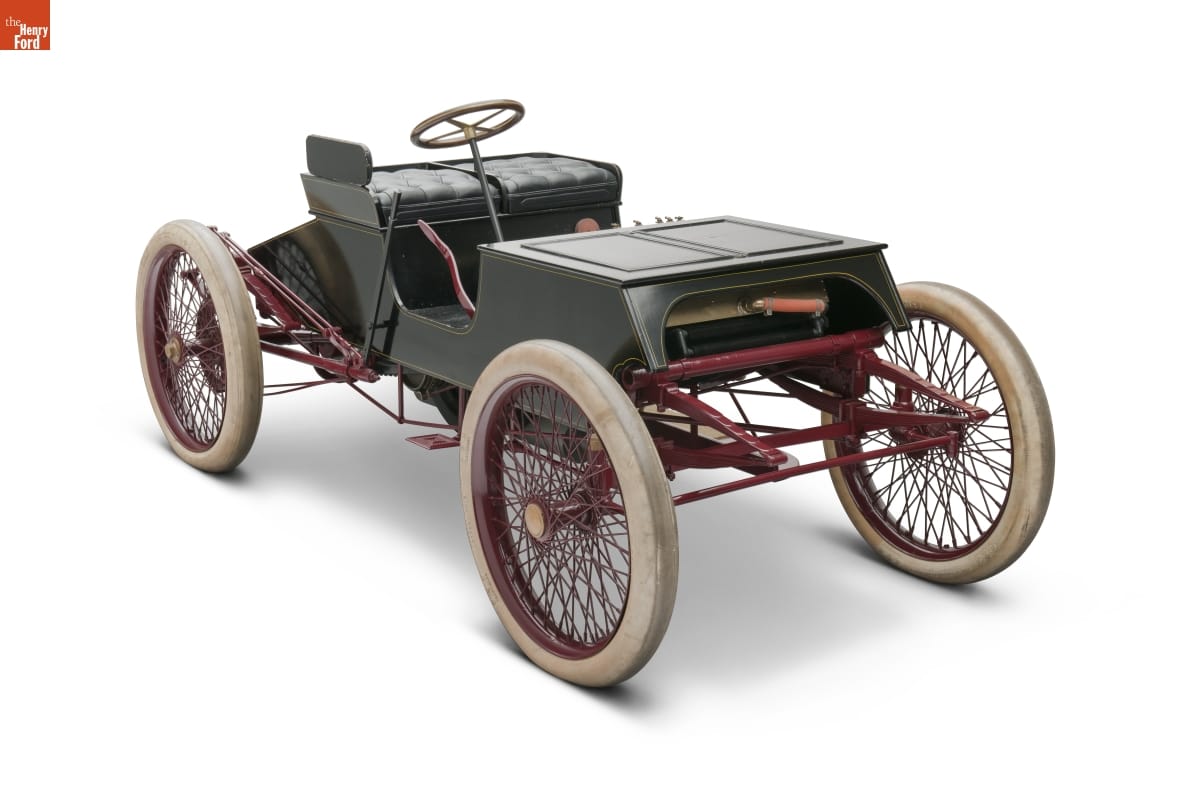 Set
SetOnline Auto Racing Collection
- 14 Artifacts
This is Henry Ford's first race car. After his first auto company failed, Ford turned to racing to restore his reputation. He raced "Sweepstakes" against Alexander Winton on October 10, 1901, and, to everyone's surprise, the novice Ford beat the established Winton. The victory and resulting publicity encouraged financiers to back Ford's second firm.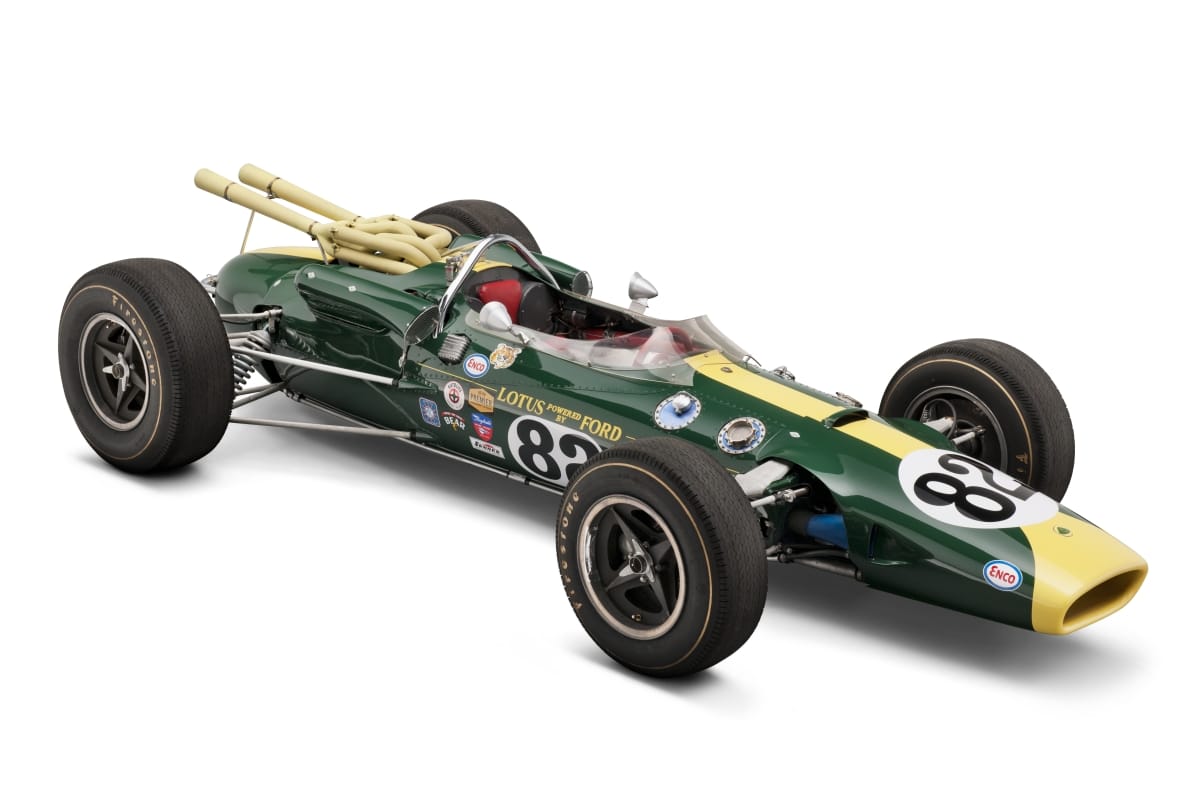 Set
SetRace Cars of Driven to Win
- 23 Artifacts
Scotsman Jim Clark won the Indianapolis 500 with this rear-engine car in 1965. After his victory, a traditional front-engine car never won that race again. The Lotus-Ford combined a European Formula One-inspired lightweight chassis with a big Ford V-8 engine. The Lotus-Ford's success effectively killed the traditional Indy roadster and established a new design for American race cars.