
Mentoring and Inspiring: The Dentists and Educators of 1416 Lapsley
| Written by | |
|---|---|
| Published | 6/2/2026 |
Mentoring and Inspiring: The Dentists and Educators of 1416 Lapsley
| Written by | |
|---|---|
| Published | 6/2/2026 |
A house can tell many stories — through its architecture, its location, and the changes it undergoes over time. A home, however, tells the stories of the people who lived within it: those who sought shelter, faced hardships, sought success, and dreamed of a better future. The "house by the side of the road" that Sullivan and Richie Jean Jackson called home reflects their enduring values — commitment to education, the importance of relationships, and the strength of community. The three families who lived at 1416 Lapsley exemplify these values.
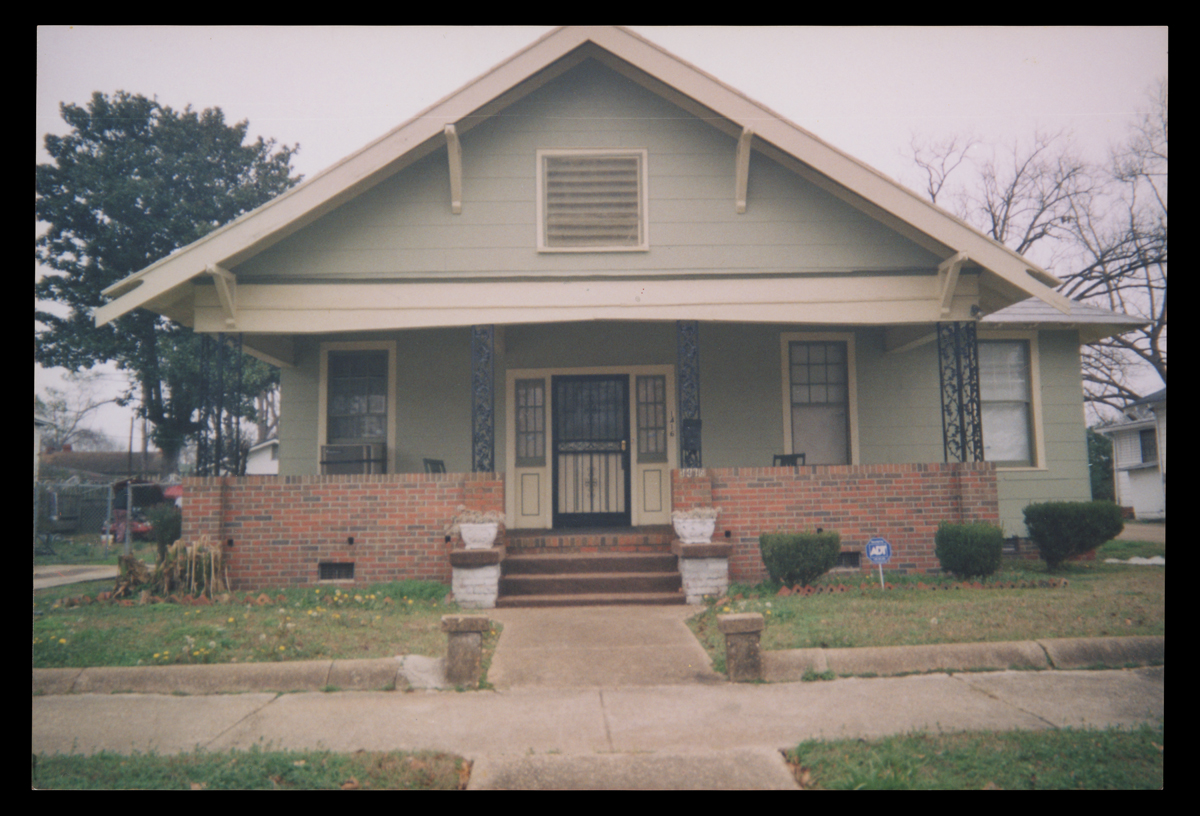 The Jackson home in Selma, Alabama, in 2007. / THF727414
The first family, Dr. William H. Whitted and Leola Hudson Whitted, moved into the house after it was built in 1914 by Leola’s father, Richard Byron Hudson, a lifelong educator and principal of Clark School in Selma. William Whitted, a dentist, relocated his practice from North Carolina to Selma after their marriage. Leola, a 1915 graduate of the prestigious Historically Black College and University (HBCU) Spelman College, briefly taught home economics at Florida A&M University. After William’s passing in the early twentieth century, Leola moved to Montgomery to work at Alabama State University.
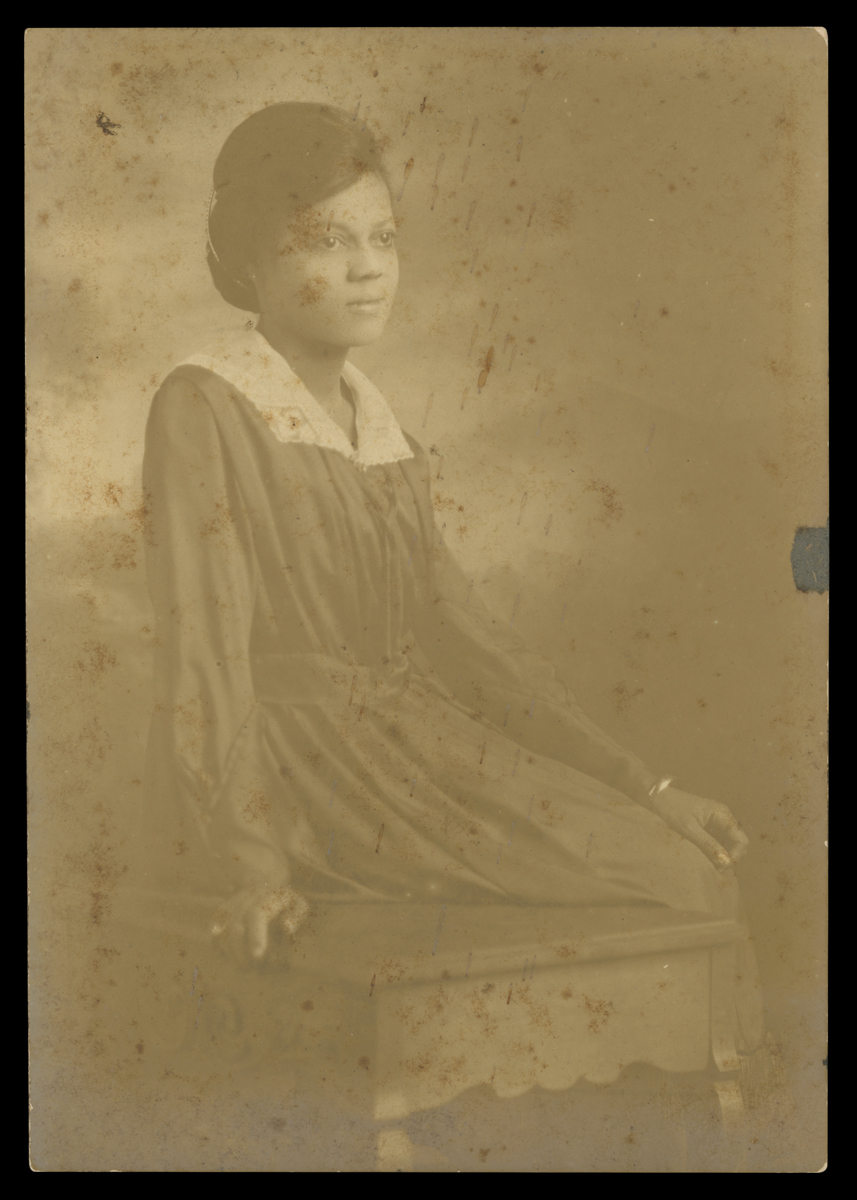 Leola Hudson Whitted. / THF720071
The second family, Dr. Eric Portlock and Bennie Gardner Portlock, rented 1416 Lapsley from Leola after their relocation to Selma in the early 1940s. Dr. Portlock, also a dentist, studied at Meharry Medical College in Nashville and initially established his practice in Birmingham before moving to Selma. Bennie Portlock, like Leola Whitted, was a Spelman College graduate, completing her studies in the late 1910s. She began her career teaching English and physical education at Parker High School in Birmingham. After her husband’s death in 1955, she returned to education, teaching at Tipton High School and later tutoring reading in the Title I program in Dallas County Public Schools until her sudden passing in 1968.
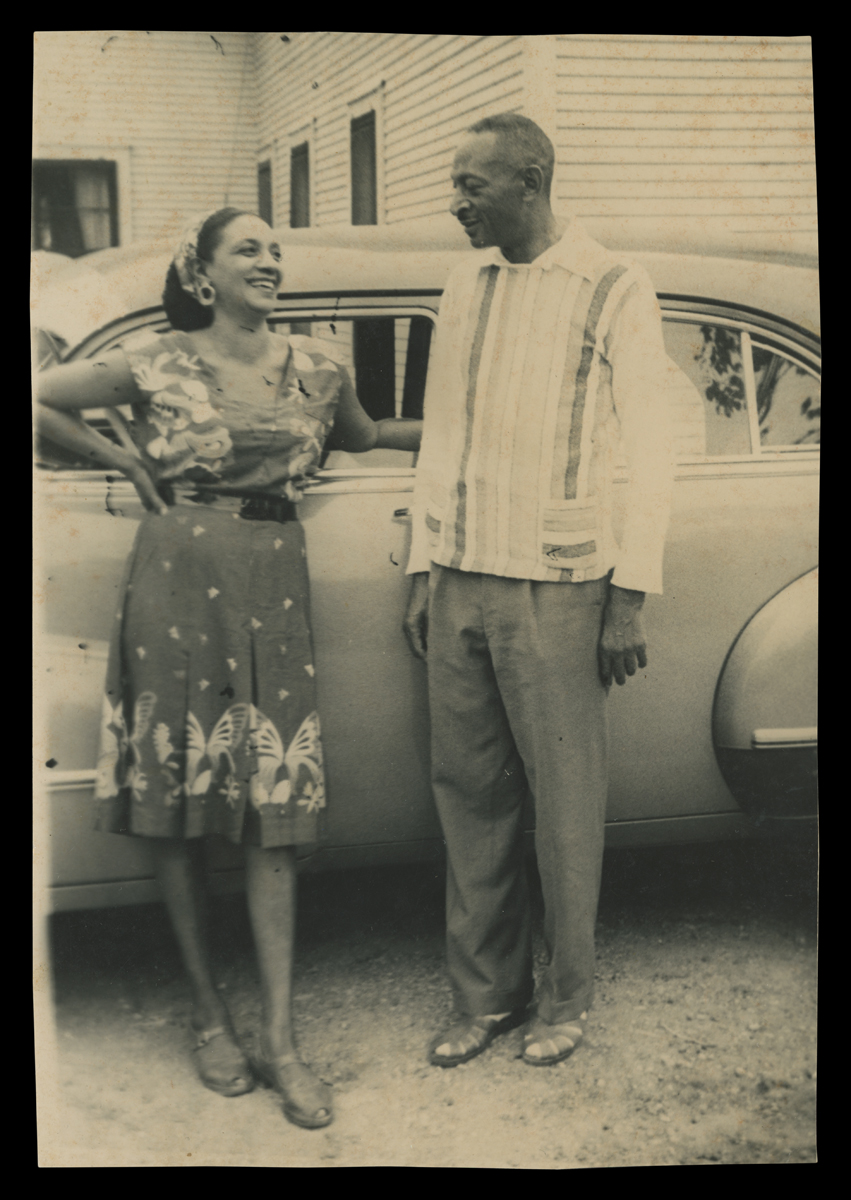 Bennie Gardner Portlock and Dr. Eric F. Portlock, 1940s. / THF720110
The third family, Dr. Sullivan Jackson and Richie Jean Sherrod Jackson, were invited to live at 1416 Lapsley by Bennie Portlock following their marriage in 1958. Sullivan Jackson’s dedication to education began early in life. As a young boy, he moved to Indiana to live with his sister and graduated from high school in 1939. He enrolled at West Virginia State University in 1940 to study chemistry, but his education was interrupted by World War II. In 1943, he was deployed to Europe with the 588th Motor Ambulance Company, working near combat zones.
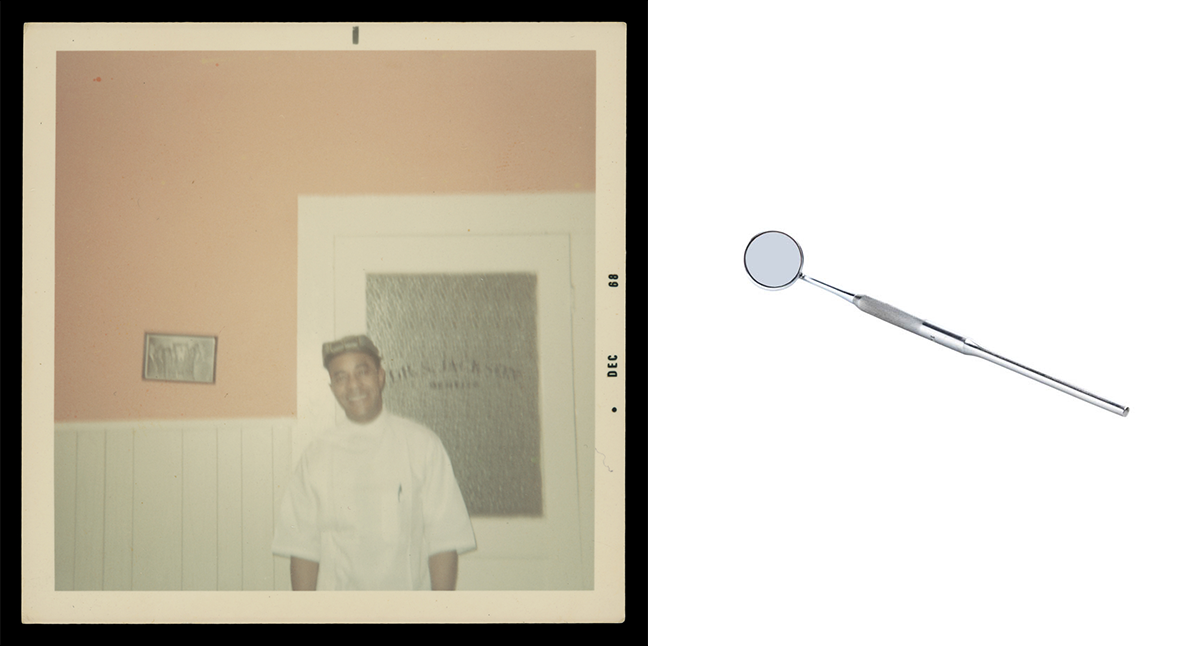 Dr. Sullivan Jackson at the entrance to his dental office, 1968. / THF719985; Dental mirror used at Dr. Jackson’s dental office, manufactured 1955-1965. / THF803230
After the war, Sullivan completed his chemistry degree and in 1947 was accepted into Meharry Medical College. Though he initially planned to establish a practice in Chicago, his sister Marie Foster, a dental hygienist for Dr. Portlock, encouraged him to move to Selma and join the practice there. He did so, dedicating himself to dentistry and serving the community until his retirement in the early 1990s.
Richie Jean Sherrod Jackson’s commitment to education was shaped by her family. Her mother, Juanita Richardson Sherrod, was an educator who studied at Mary Holmes Seminary and Alabama State University before beginning her teaching career in the 1930s. Following her divorce, Juanita moved with her daughter to the Selma area, where she taught in a segregated classroom for much of her time in Dallas County schools. She retired in 1973.
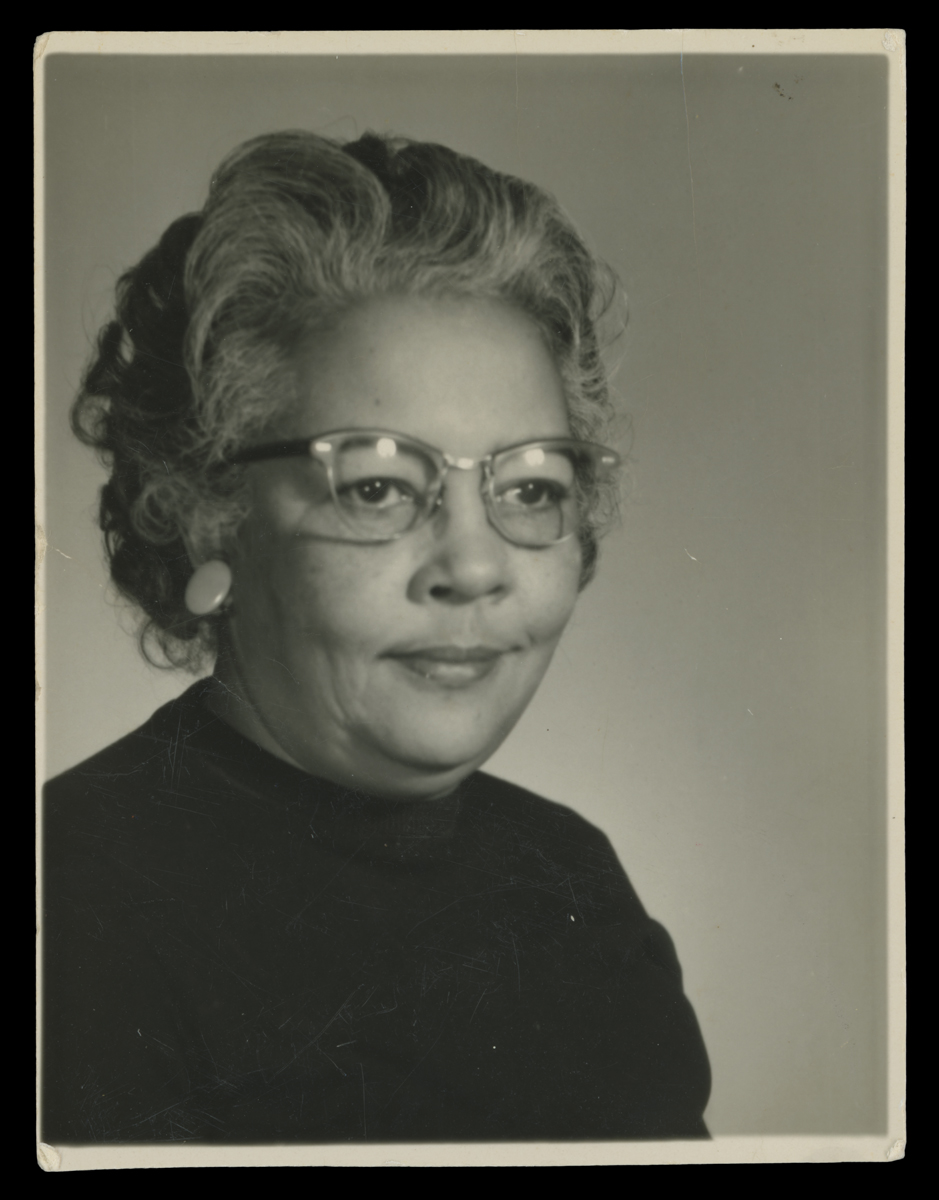 Juanita Richardson Sherrod. / THF727558
Richie Jean’s own educational journey began in Selma, but really accelerated when she was sent to Washington, DC, to live with relatives. There, she attended Banneker Junior High and Cardozo High School before being accepted to Howard University in 1950. Financial constraints led her to enroll instead at Alabama State University, where Leola Whitted, a distant cousin, supported and looked out for her.
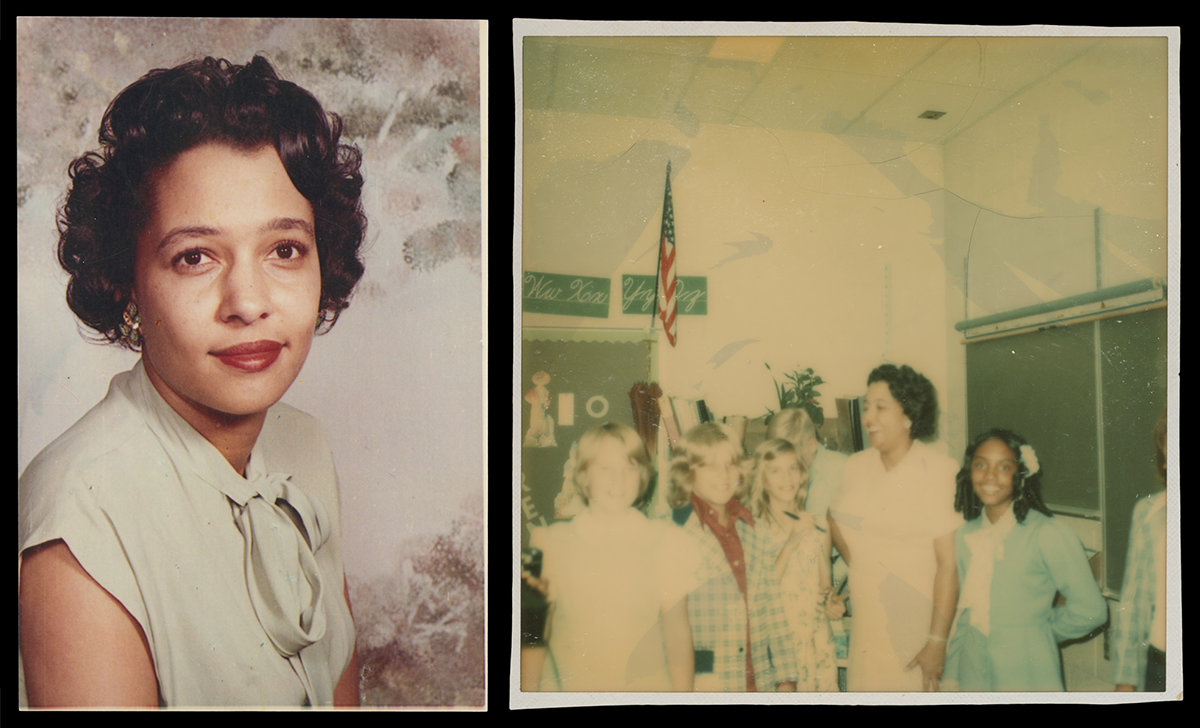 Richie Jean Sherrod Jackson in the late 1960s (left). / THF720043; Richie Jean Sherrod Jackson in the classroom. / THF733627
She began her teaching career after her daughter, Jawana, started school, and became one of the first Black teachers selected to teach in Selma’s newly desegregated schools. Teaching fifth- and sixth-grade social studies, she believed deeply in helping students understand their place in the wider world. While teaching, she also earned a master’s degree in elementary education from the University of Montevallo. She retired in the early 1990s.
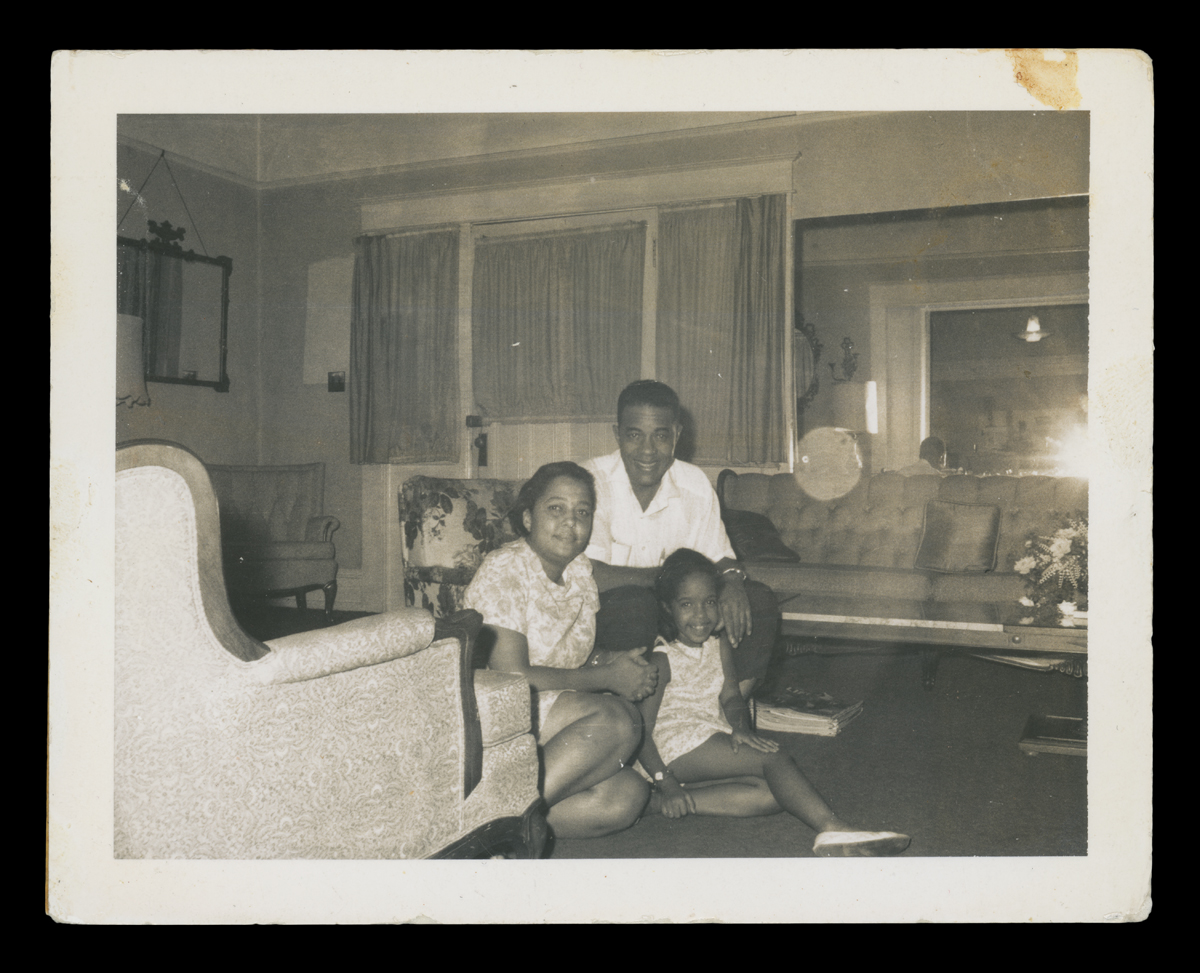 Richie Jean, Dr. Sullivan, and Jawana Jackson in the living room of their home at 1416 Lapsley. / THF708482
The residents of 1416 Lapsley over the years stand as a testament to the fundamental power of education. Education was not only a pathway to professional success and stability but also a calling to teach, mentor, and inspire future generations. The lives shaped within this home reflect a powerful effort: preparing individuals to claim their rights, exercise their voices, and participate in civic life. 1416 Lapsley is not only a place of personal history, but part of a larger story about education, equality, and the continued pursuit of justice.
Aimee Burpee is an associate curator at The Henry Ford.
With gratitude to 2025 Simmons intern Benjamin Joseph for his research on the families of 1416 Lapsley, conversations with Associate Curator Kayla Chenault, and Richie Jean Sherrod Jackson for her book The House by the Side of the Road, all of which helped to inform this article.
Keywords | |
|---|---|
Series | |
Themes |