
Menlo Park Laboratory Complex during the Greenfield Village Restoration Project, April 2003
THF10723 / Menlo Park Laboratory Complex during the Greenfield Village Restoration Project, April 2003
01
Artifact Overview
By 2000, Greenfield Village began showing its age. Buildings and crumbling infrastructure desperately needed repair. Museum planners envisioned a revitalized village. They created themed "Historic Districts" by relocating and refurbishing the historic structures. Workers repaved streets and upgraded water, sewer, electric, and gas lines. In June 2003, nine months after restoration began, visitors passed through a new entrance into a reborn Greenfield Village.
Artifact Details
Artifact
Digital photograph
Date Made
April 2003
Subject Date
April 2003
Collection Title
Location
By Request in the Benson Ford Research Center
Object ID
EI.1929.6446
Credit
From the Collections of The Henry Ford.
Color
Multicolored
Dimensions
Height: undefined in
Width: undefined in
Keywords |
|---|
02
Related Artifacts
 Artifact
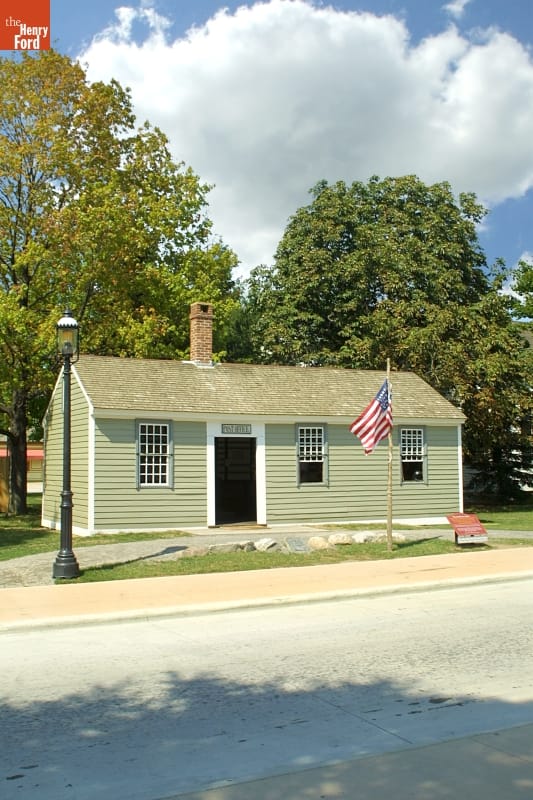
Phoenixville Post Office
The Phoenixville Post Office, built around 1825 in northeastern Connecticut, was always more than a post office. Under Lorenzo Bullard, who probably built the structure, it was a grocer's and apothecary shop. By 1850 it was the post office and community gathering place for this rural town. It sold stamps and stationery--and was the place to go to talk about local happenings. Artifact
Menlo Park Laboratory
When Edison moved to Menlo Park, New Jersey, in spring of 1876 the laboratory building contained his entire operation -- a handful of collaborators, office, library, and machine shop as well as laboratory. As the scale of Edison's investigations grew so did the complex, but this building -- dedicated to experimental activities -- was always understood to be the heart of the enterprise.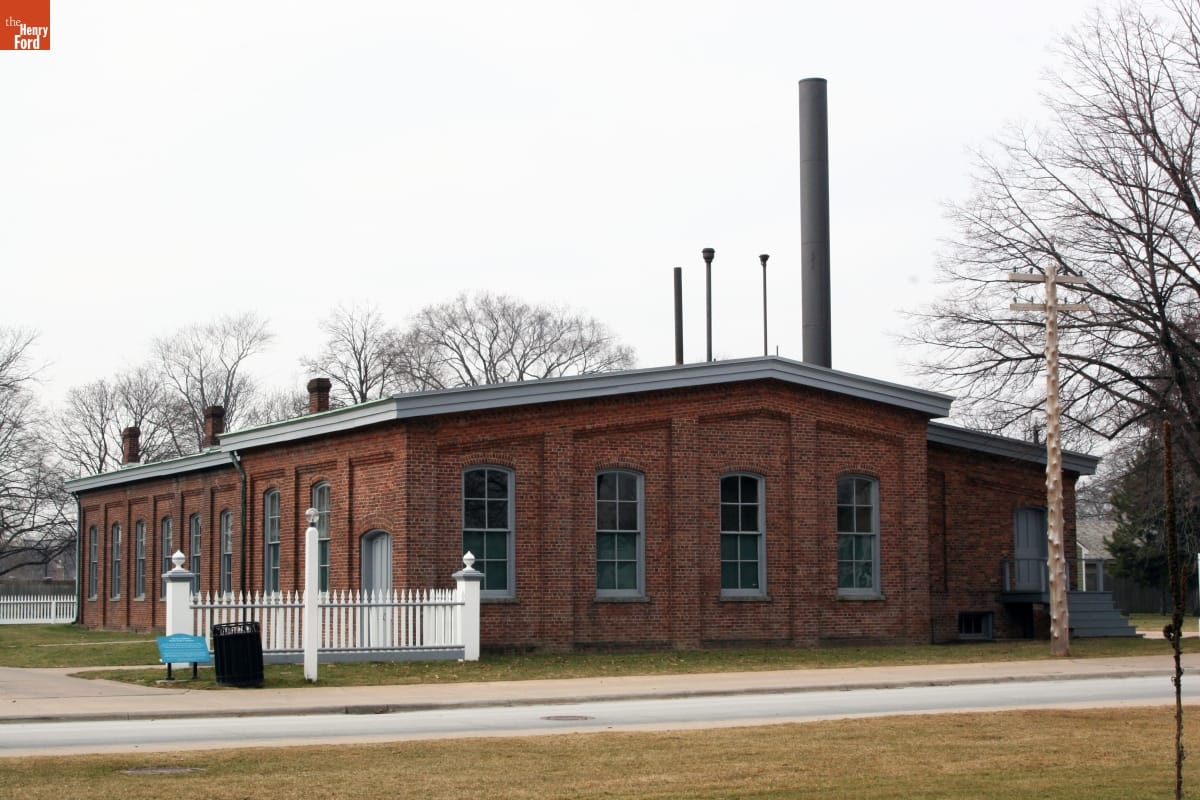 Artifact
Menlo Park Machine Shop
The presence of a machine shop (and of foreman / head machinist John Kruesi) was fundamental to the success of Menlo Park. This well-equipped facility -- built to replace the small machine shop originally installed in the laboratory -- enabled Edison and his associates to not only rapidly prototype iterations of experimental devices but also facilitate their eventual, profitable manufacture.