
Search
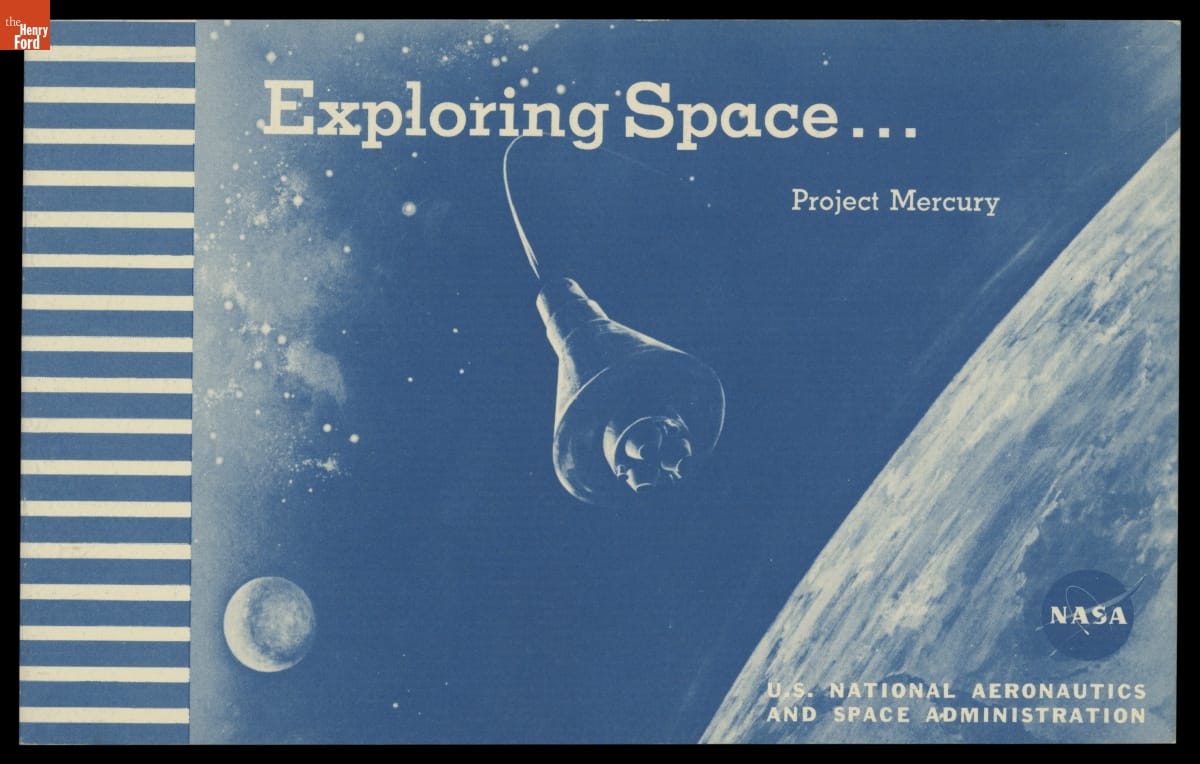
- Brochure, "Exploring Space... Project Mercury," 1961 - The National Aeronautics and Space Administration developed Project Mercury in 1958 to send a manned spacecraft into orbit. This brochure, published in early 1961, explained NASA's progress toward achieving that goal. Later, in May 1961, NASA would launch its first manned capsule. And in 1962, John Glenn orbited the Earth. Project Mercury ended in 1963 after six successful crewed missions.
- 1961
- Collections - Artifact
Brochure, "Exploring Space... Project Mercury," 1961
The National Aeronautics and Space Administration developed Project Mercury in 1958 to send a manned spacecraft into orbit. This brochure, published in early 1961, explained NASA's progress toward achieving that goal. Later, in May 1961, NASA would launch its first manned capsule. And in 1962, John Glenn orbited the Earth. Project Mercury ended in 1963 after six successful crewed missions.
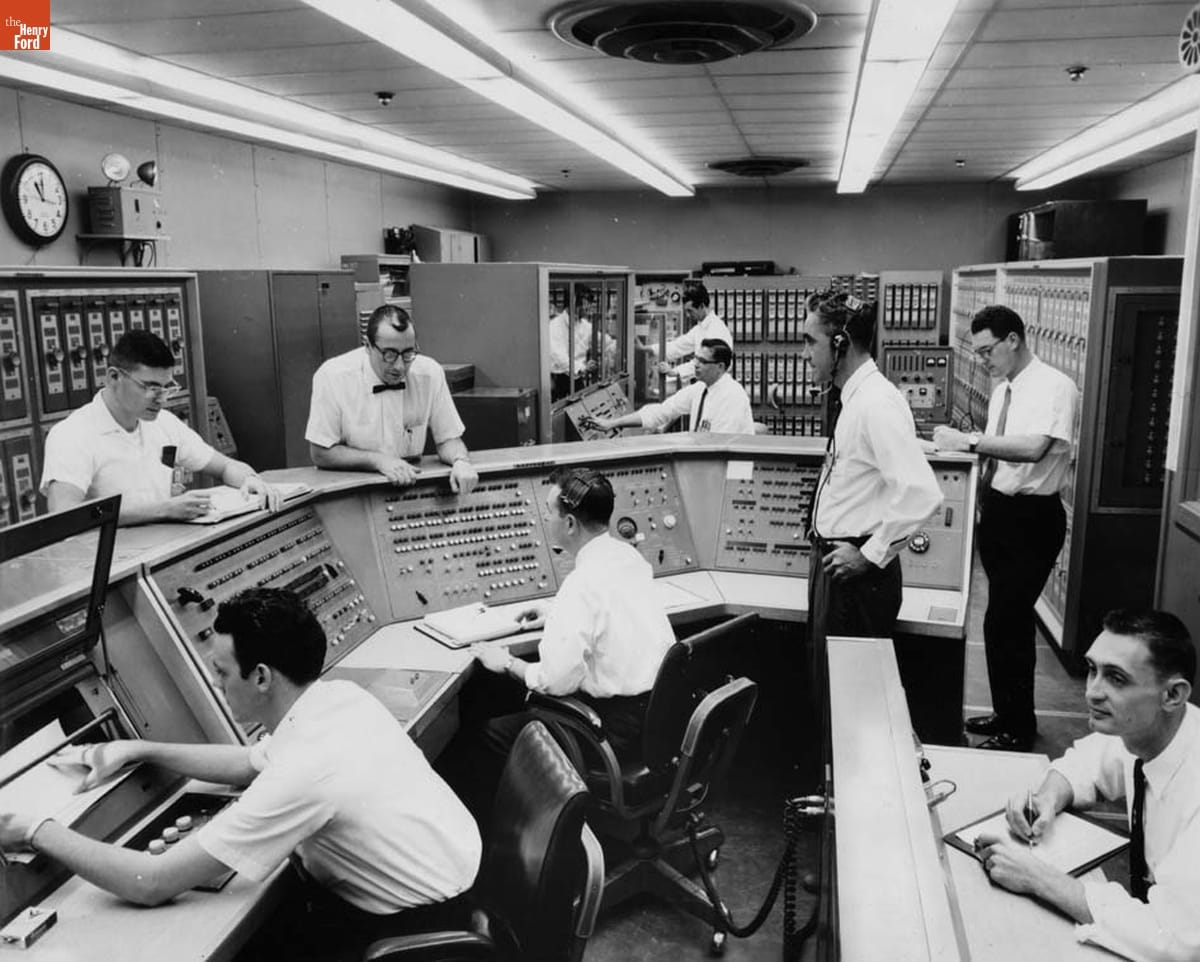
- Project Mercury Guidance Computer, 1959-1963 - In 1955, the United States Air Force contracted with Burroughs Corporation to develop several transistorized guidance computers for missile and rocket launches. The Air Force installed one of the Burroughs computers at its Cape Canaveral Station (Eastern Test Range) in 1958. This computer (MOD III A-1) proved vital to early Mercury and Gemini space missions.
- 1959-1963
- Collections - Artifact
Project Mercury Guidance Computer, 1959-1963
In 1955, the United States Air Force contracted with Burroughs Corporation to develop several transistorized guidance computers for missile and rocket launches. The Air Force installed one of the Burroughs computers at its Cape Canaveral Station (Eastern Test Range) in 1958. This computer (MOD III A-1) proved vital to early Mercury and Gemini space missions.
- Mercury Meter -
- Collections - Artifact
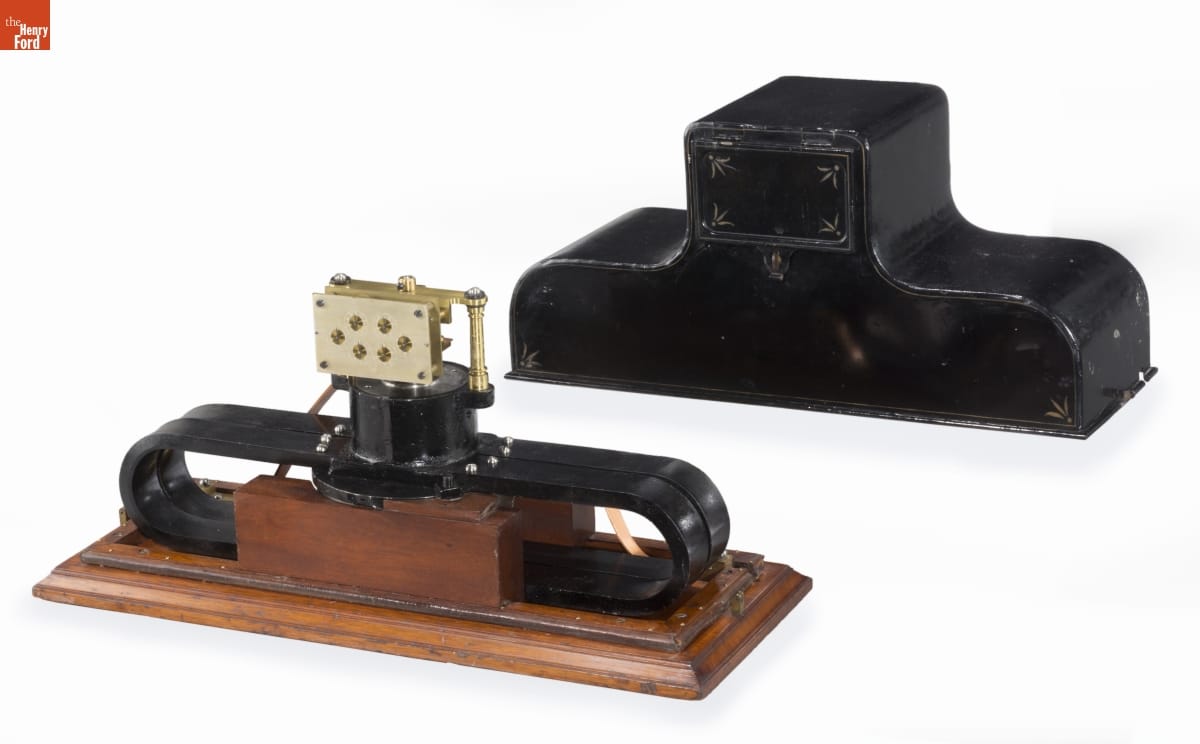
Mercury Meter
- Experimental Mercury Meter -
- Collections - Artifact
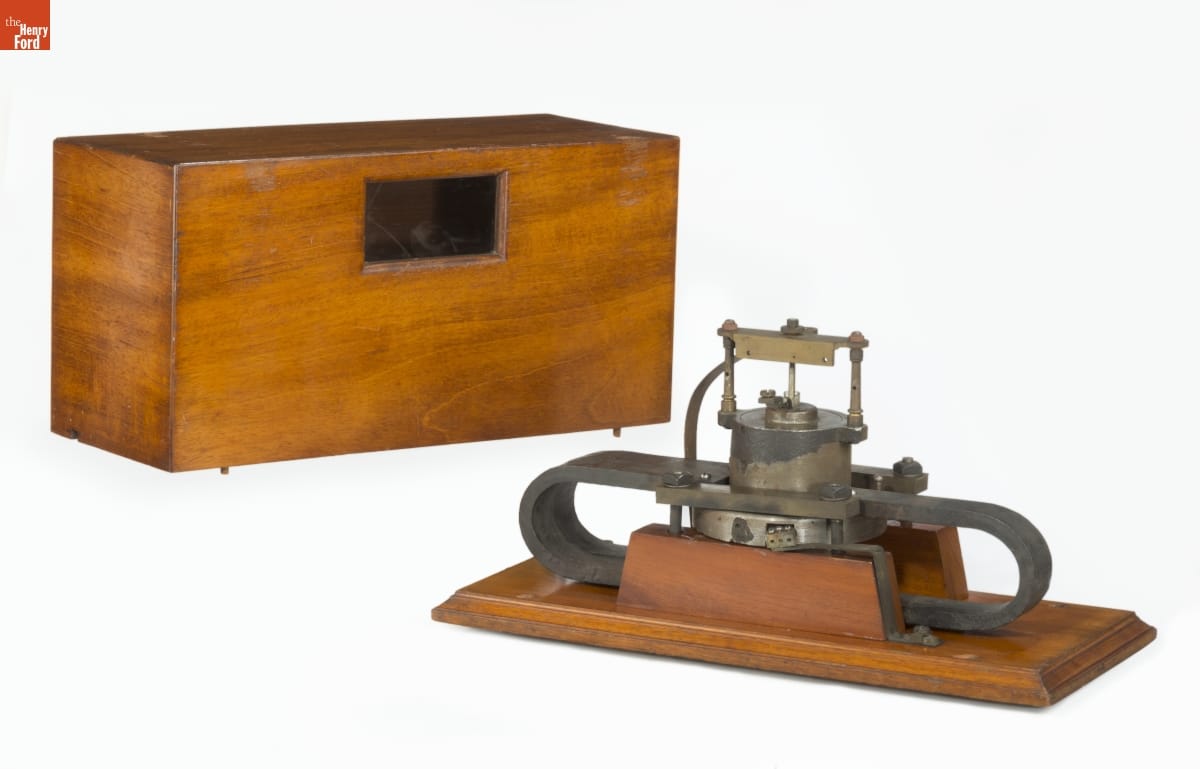
Experimental Mercury Meter
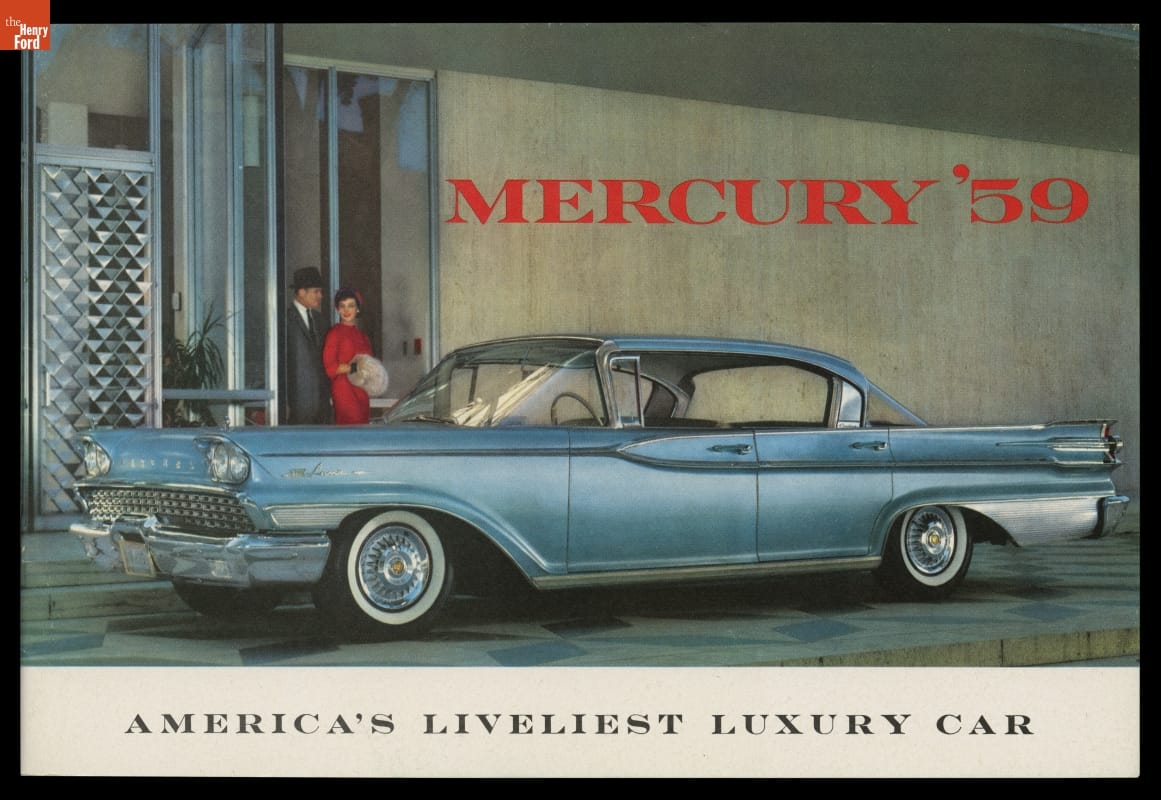
- 1959 Mercury Sales Brochure, "Mercury '59 America's Liveliest Luxury Car" - Mercury's 1959 models had a family resemblance to that year's Ford lineup. Distinctive features included the honeycomb grille and the concave bodyside sculpting that extended from the front door through the length of the rear fender. Mercury offered three sedan series -- Park Lane, Montclair and Monterey -- in addition to the Country Cruiser station wagon.
- 1959
- Collections - Artifact
1959 Mercury Sales Brochure, "Mercury '59 America's Liveliest Luxury Car"
Mercury's 1959 models had a family resemblance to that year's Ford lineup. Distinctive features included the honeycomb grille and the concave bodyside sculpting that extended from the front door through the length of the rear fender. Mercury offered three sedan series -- Park Lane, Montclair and Monterey -- in addition to the Country Cruiser station wagon.
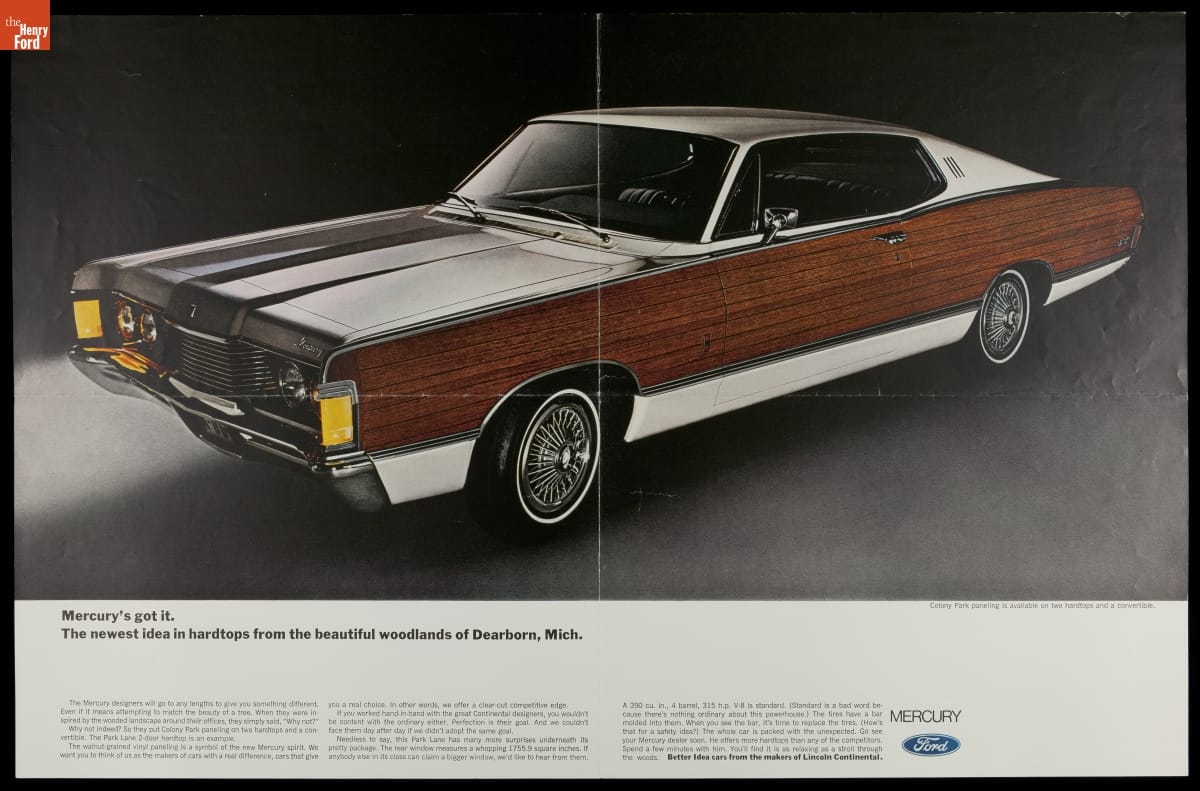
- 1968 Mercury Advertisement, "Mercury's Got It. The Newest Idea in Hardtops from the Beautiful Woodlands of Dearborn, Mich." - For 1968, Mercury's Park Lane series cars featured full-length side moldings stretching from tire to tire, chrome trim on the wheel wells, and three slanted bits of trim on the rear roof quarter panels. This advertisement promoted a seldom-ordered option: faux walnut-grained vinyl paneling along the sides of the car.
- 1968
- Collections - Artifact
1968 Mercury Advertisement, "Mercury's Got It. The Newest Idea in Hardtops from the Beautiful Woodlands of Dearborn, Mich."
For 1968, Mercury's Park Lane series cars featured full-length side moldings stretching from tire to tire, chrome trim on the wheel wells, and three slanted bits of trim on the rear roof quarter panels. This advertisement promoted a seldom-ordered option: faux walnut-grained vinyl paneling along the sides of the car.
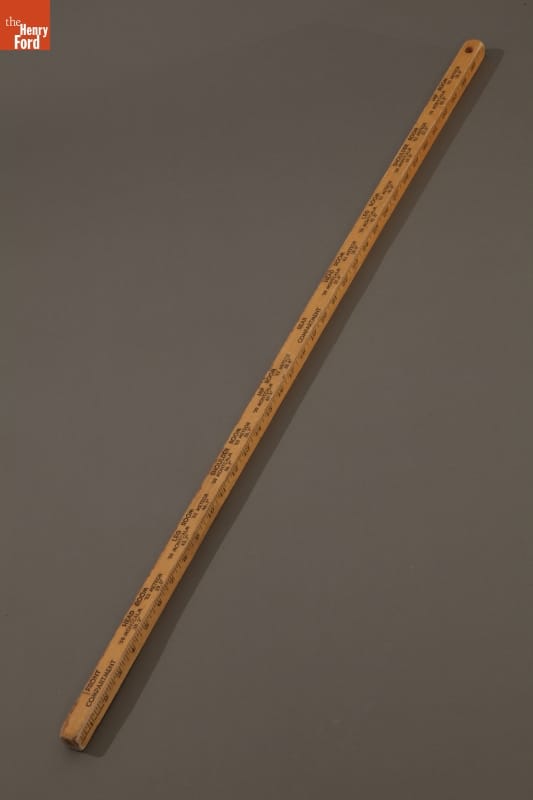
- Mercury Meteor Yardstick, 1962 - Promotional giveaways can place advertising messages deeper into people's lives than billboards or magazine ads. The power of branding -- coupled with consumer brand loyalty -- has also led to the creation of promotional items designed for sale to the public. This common yardstick displays various dimensions of the 1962 Ford (Canada) Meteor on its sides as well as promotes the company.
- 1962
- Collections - Artifact
Mercury Meteor Yardstick, 1962
Promotional giveaways can place advertising messages deeper into people's lives than billboards or magazine ads. The power of branding -- coupled with consumer brand loyalty -- has also led to the creation of promotional items designed for sale to the public. This common yardstick displays various dimensions of the 1962 Ford (Canada) Meteor on its sides as well as promotes the company.
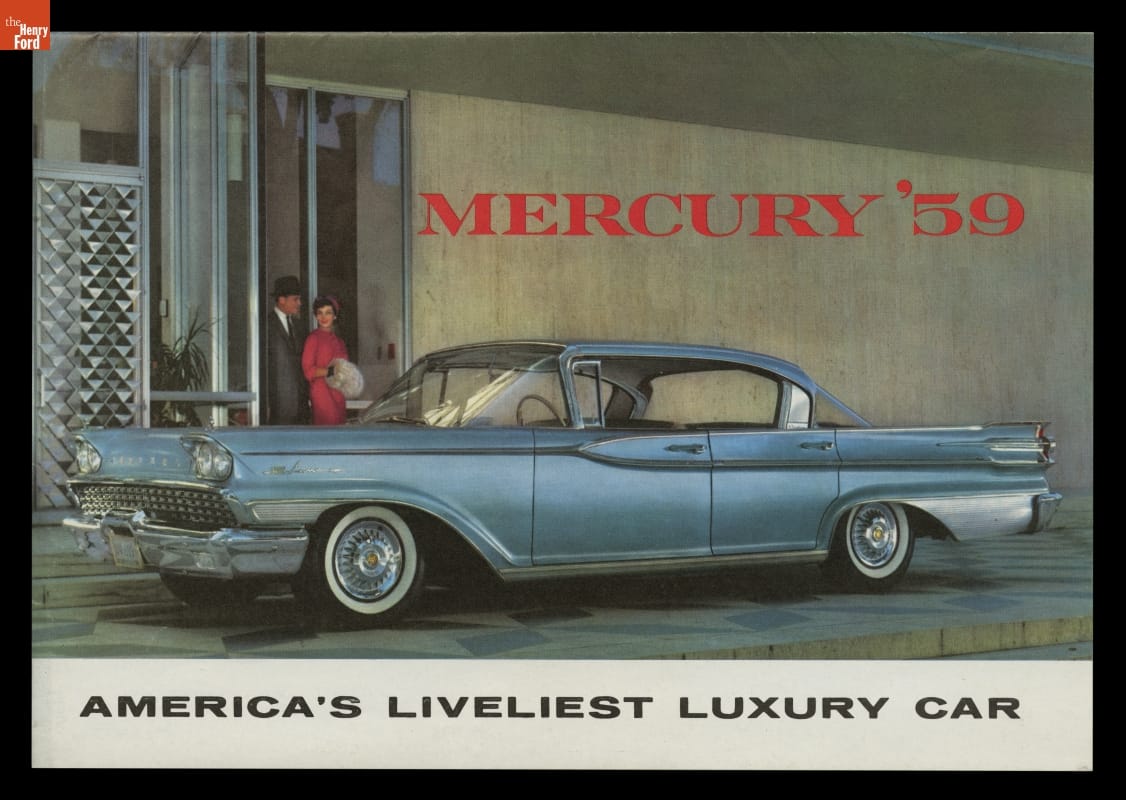
- 1959 Mercury Sales Brochure, "Mercury '59 America's Liveliest Luxury Car" - Mercury's 1959 models had a family resemblance to that year's Ford lineup. Distinctive features included the honeycomb grille and the concave bodyside sculpting that extended from the front door through the length of the rear fender. Mercury offered three sedan series -- Park Lane, Montclair and Monterey -- in addition to the Country Cruiser station wagon.
- 1959
- Collections - Artifact
1959 Mercury Sales Brochure, "Mercury '59 America's Liveliest Luxury Car"
Mercury's 1959 models had a family resemblance to that year's Ford lineup. Distinctive features included the honeycomb grille and the concave bodyside sculpting that extended from the front door through the length of the rear fender. Mercury offered three sedan series -- Park Lane, Montclair and Monterey -- in addition to the Country Cruiser station wagon.
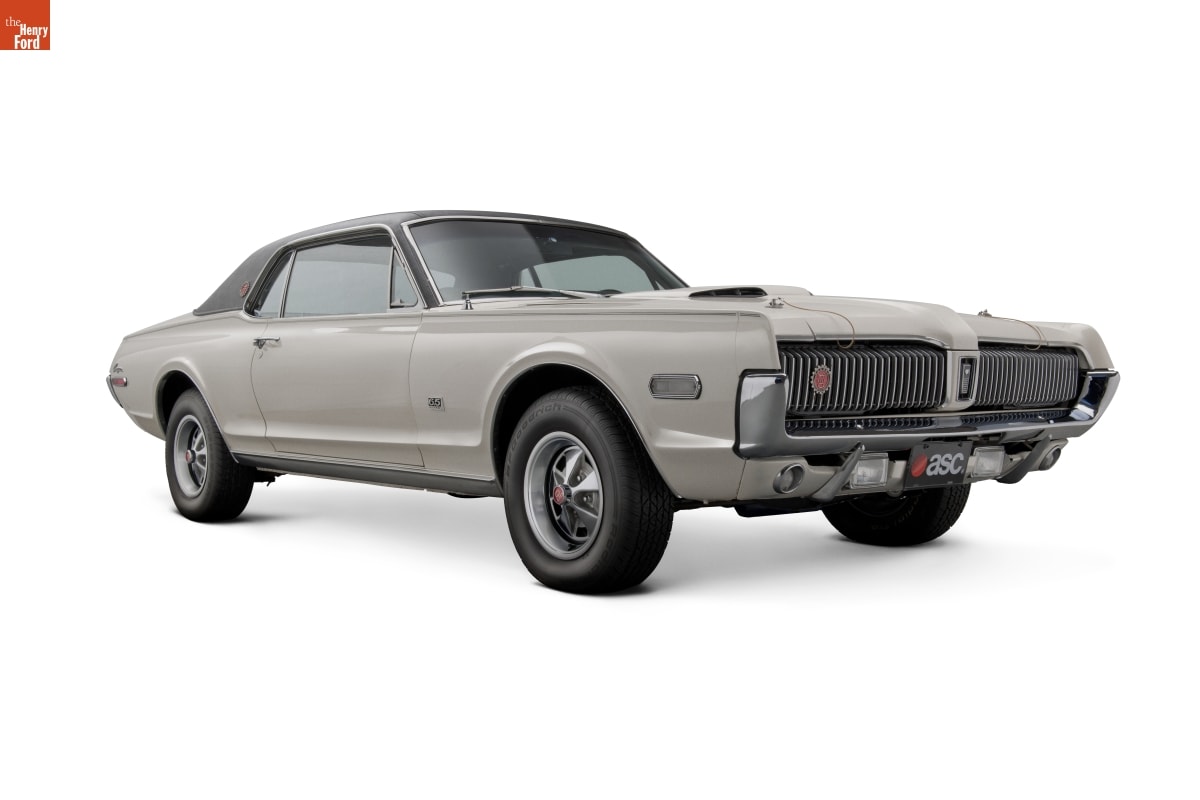
- 1968 Mercury Cougar Coupe - Ford Motor Company's Mustang, introduced in 1964, was such a success that other car makers soon copied it, including Ford itself. Mercury's Cougar was based on the Mustang, but with more upscale styling and interior appointments that made it something of a "poor man's Jaguar." This Cougar has the rare XR7-G package with a hood scoop, sun roof, and other special trim features.
- 1968
- Collections - Artifact
1968 Mercury Cougar Coupe
Ford Motor Company's Mustang, introduced in 1964, was such a success that other car makers soon copied it, including Ford itself. Mercury's Cougar was based on the Mustang, but with more upscale styling and interior appointments that made it something of a "poor man's Jaguar." This Cougar has the rare XR7-G package with a hood scoop, sun roof, and other special trim features.
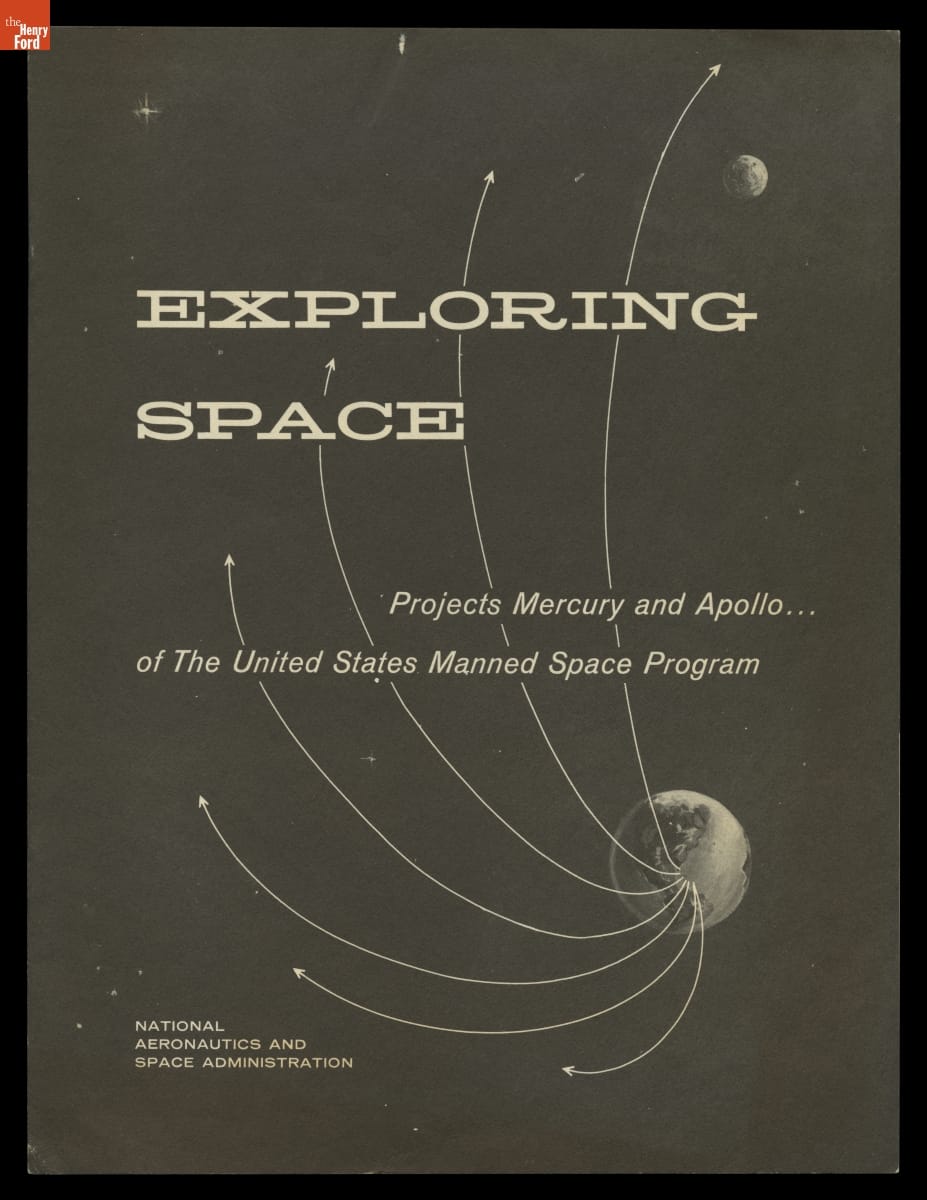
- Brochure, "Exploring Space: Projects Mercury and Apollo of the United States Manned Space Program," 1961 -
- 1961
- Collections - Artifact
Brochure, "Exploring Space: Projects Mercury and Apollo of the United States Manned Space Program," 1961