
Search
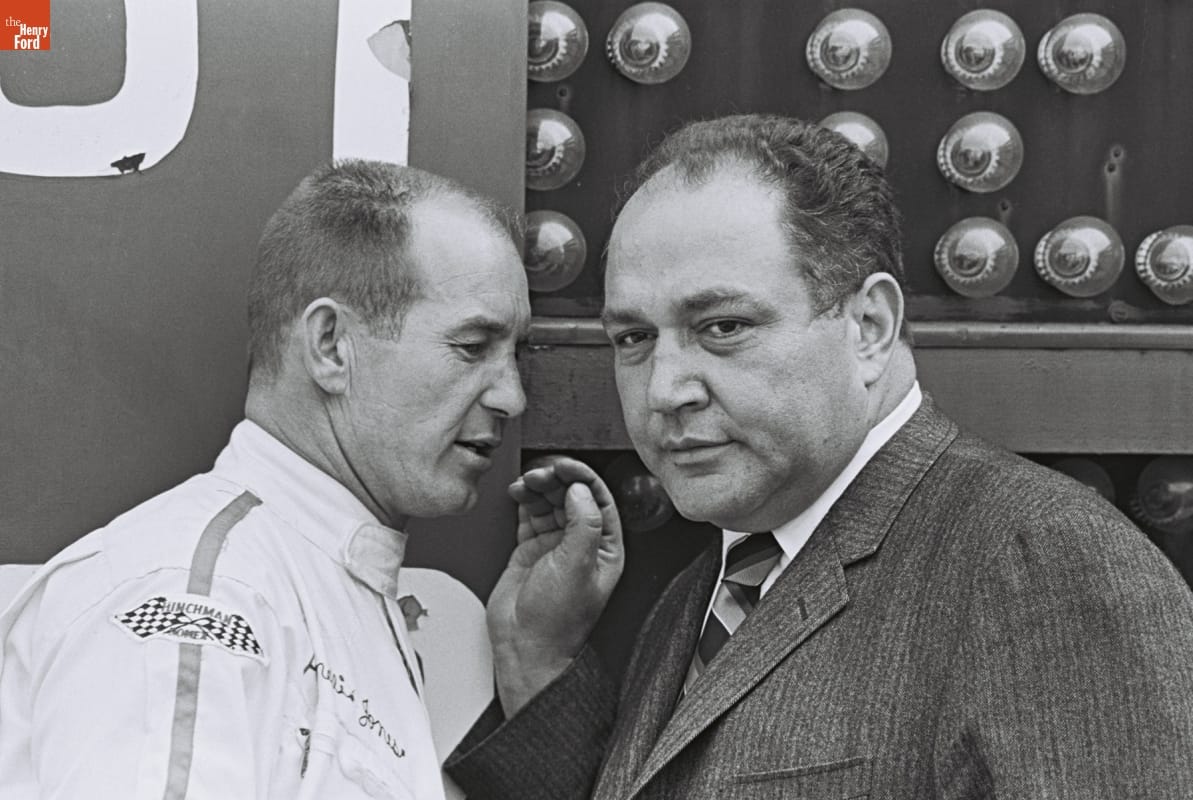
- 1967 Indianapolis 500 -- Item 884 - Parnelli Jones drove the #40 car for Andy Granatelli and his STP team at the 1967 Indianapolis 500. The unusual racer was powered by a turbine engine that was mounted on one side while Jones sat on the other. Jones and the turbine car dominated the race until a gearbox bearing failed only four laps from the finish.
- May 01, 1967
- Collections - Artifact
1967 Indianapolis 500 -- Item 884
Parnelli Jones drove the #40 car for Andy Granatelli and his STP team at the 1967 Indianapolis 500. The unusual racer was powered by a turbine engine that was mounted on one side while Jones sat on the other. Jones and the turbine car dominated the race until a gearbox bearing failed only four laps from the finish.
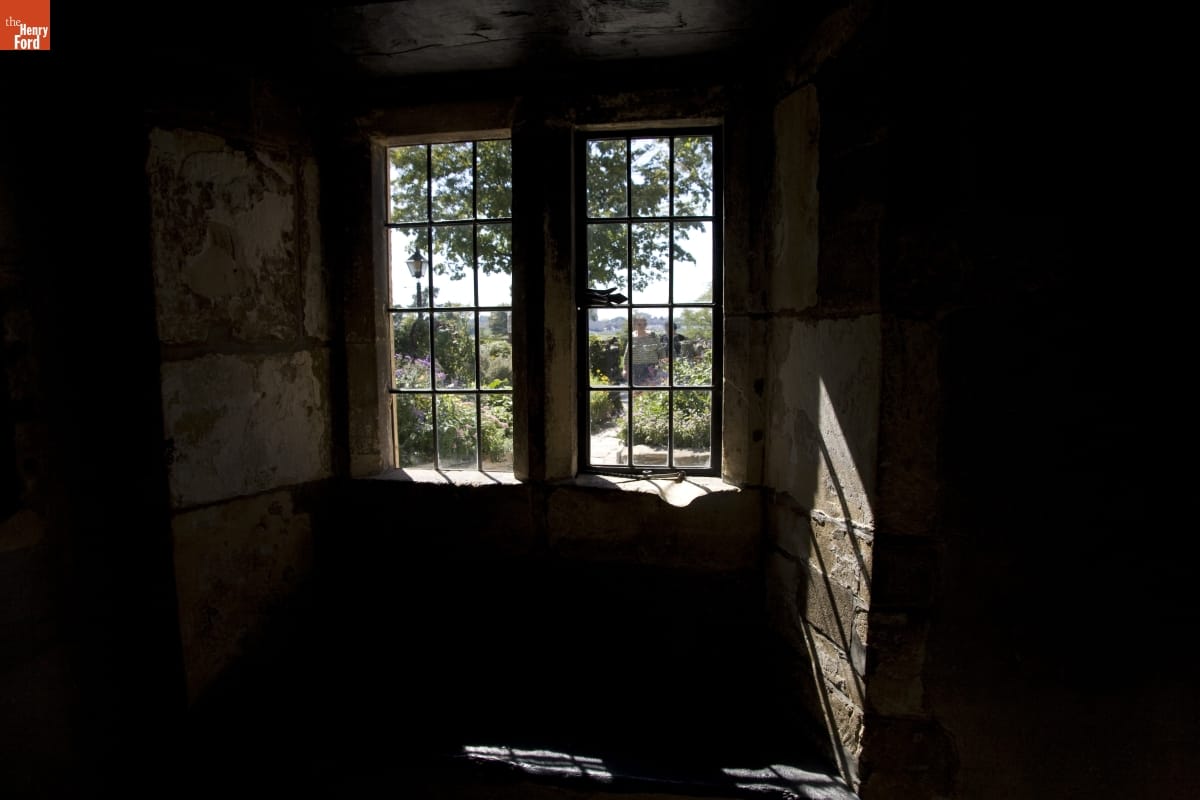
- Cotswold Cottage in Greenfield Village, September 2007 -
- September 01, 2007
- Collections - Artifact
Cotswold Cottage in Greenfield Village, September 2007
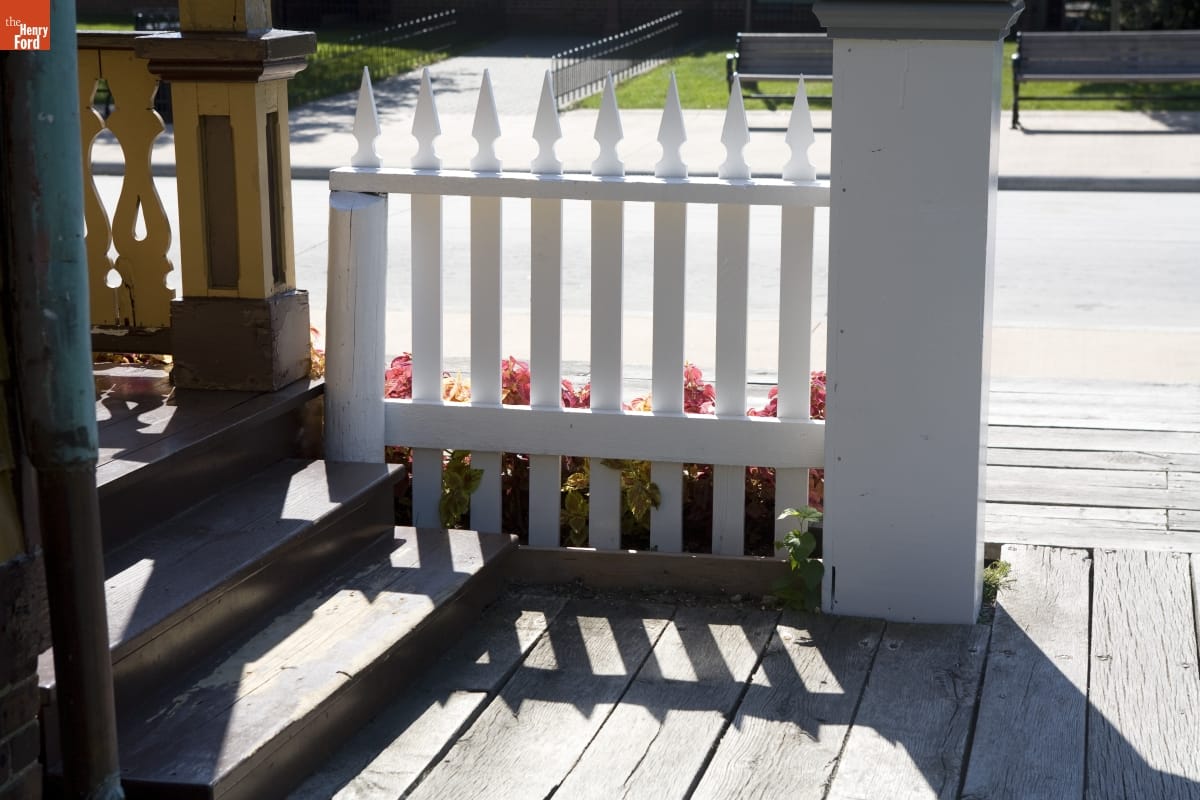
- Sarah Jordan Boarding House in Greenfield Village, September 2007 - In 1879, Sarah Jordan ran a boarding house a short walk from Thomas Edison's Menlo Park Laboratory in New Jersey. Her boarding house was home to more than a dozen unmarried men working at the laboratory. Today, this house and other Menlo Park Complex buildings in Greenfield Village offer visitors a glimpse into the lives of those who developed and witnessed the first successful incandescent lamp.
- September 01, 2007
- Collections - Artifact
Sarah Jordan Boarding House in Greenfield Village, September 2007
In 1879, Sarah Jordan ran a boarding house a short walk from Thomas Edison's Menlo Park Laboratory in New Jersey. Her boarding house was home to more than a dozen unmarried men working at the laboratory. Today, this house and other Menlo Park Complex buildings in Greenfield Village offer visitors a glimpse into the lives of those who developed and witnessed the first successful incandescent lamp.
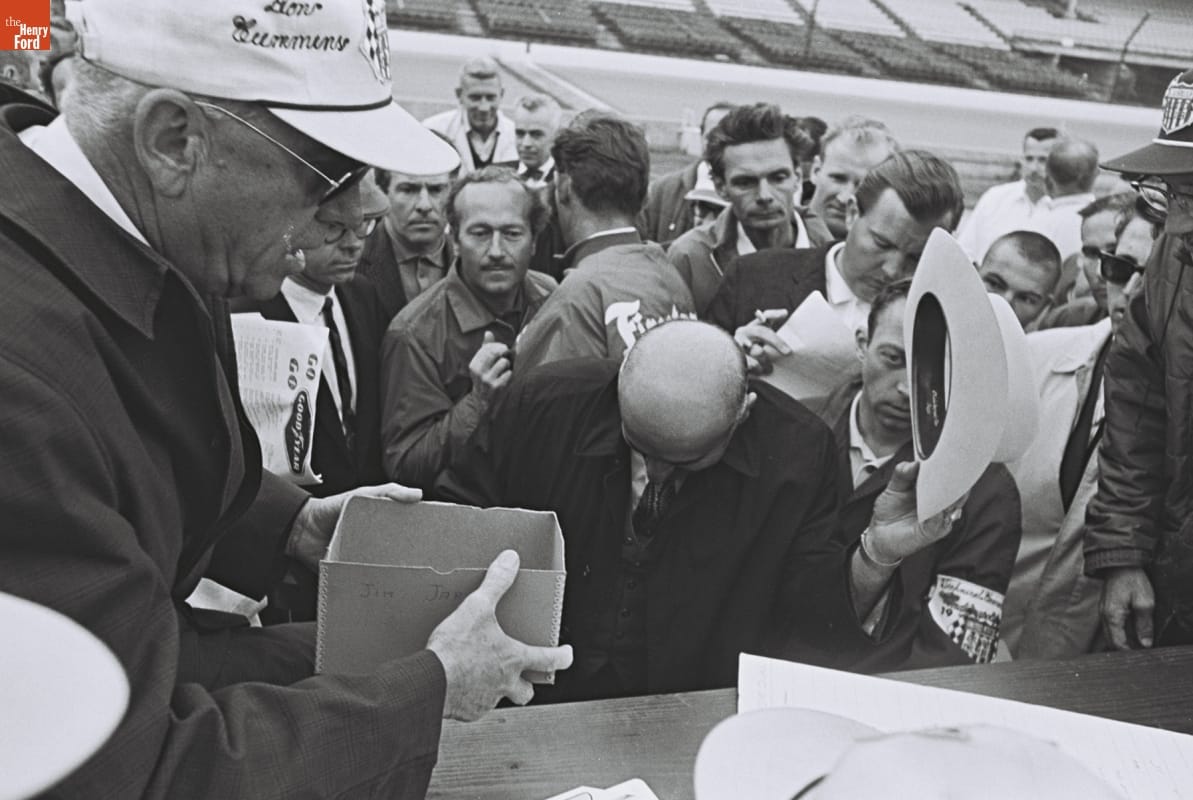
- 1967 Indianapolis 500 -- Item 1494 - When his father wouldn't let him drive race cars, J.C. Agajanian changed his career path from racing driver to promoter. He organized motorcycle and automobile competitions throughout the western United States, and he was a fixture at the Indianapolis 500 from the late 1940s into the 1970s. The much-loved Agajanian was rarely seen without his trademark cowboy hat.
- May 01, 1967
- Collections - Artifact
1967 Indianapolis 500 -- Item 1494
When his father wouldn't let him drive race cars, J.C. Agajanian changed his career path from racing driver to promoter. He organized motorcycle and automobile competitions throughout the western United States, and he was a fixture at the Indianapolis 500 from the late 1940s into the 1970s. The much-loved Agajanian was rarely seen without his trademark cowboy hat.
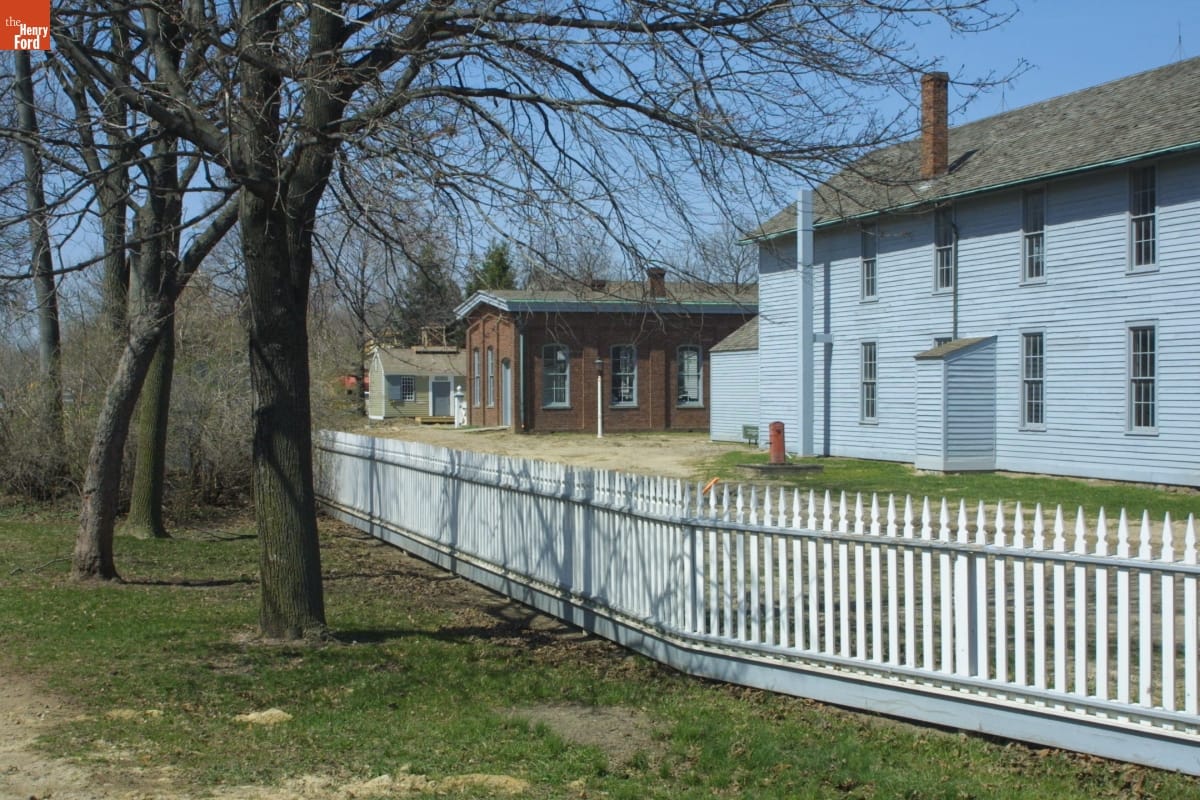
- Menlo Park Laboratory Complex during the Greenfield Village Restoration Project, April 2003 - By 2000, Greenfield Village began showing its age. Buildings and crumbling infrastructure desperately needed repair. Museum planners envisioned a revitalized village. They created themed "Historic Districts" by relocating and refurbishing the historic structures. Workers repaved streets and upgraded water, sewer, electric, and gas lines. In June 2003, nine months after restoration began, visitors passed through a new entrance into a reborn Greenfield Village.
- April 01, 2003
- Collections - Artifact
Menlo Park Laboratory Complex during the Greenfield Village Restoration Project, April 2003
By 2000, Greenfield Village began showing its age. Buildings and crumbling infrastructure desperately needed repair. Museum planners envisioned a revitalized village. They created themed "Historic Districts" by relocating and refurbishing the historic structures. Workers repaved streets and upgraded water, sewer, electric, and gas lines. In June 2003, nine months after restoration began, visitors passed through a new entrance into a reborn Greenfield Village.
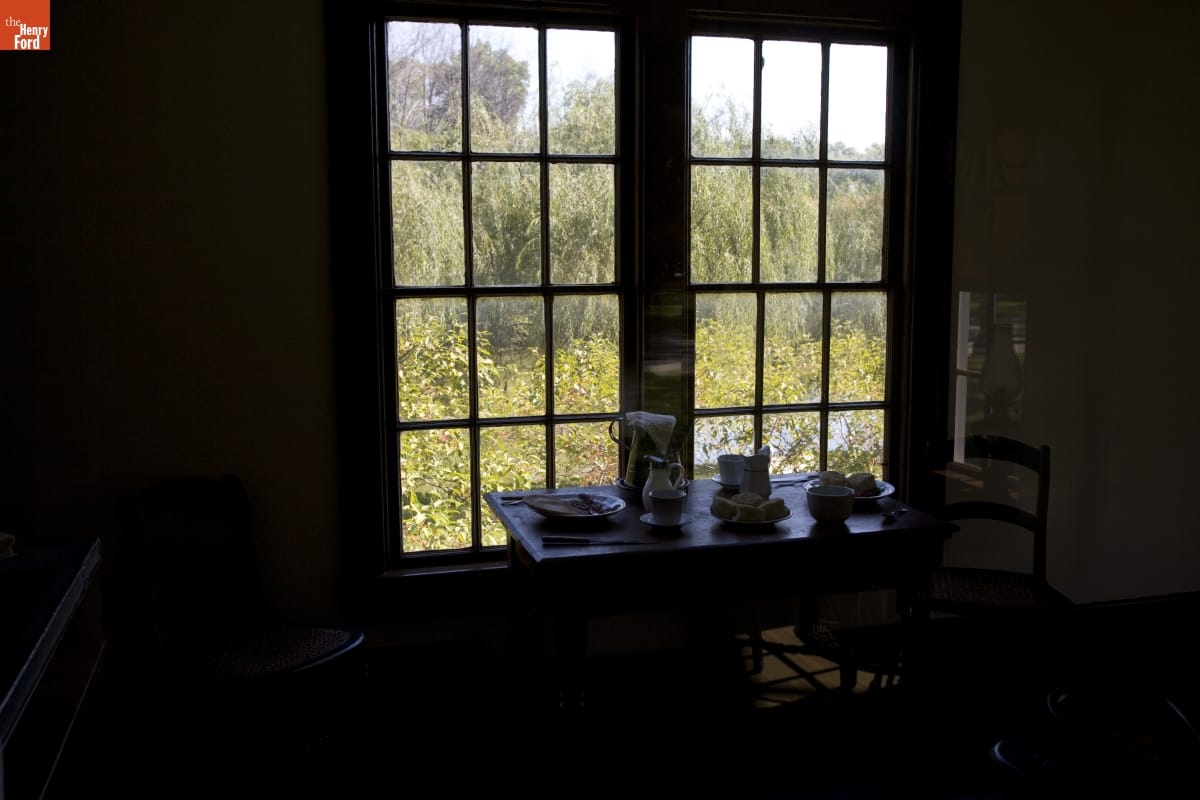
- Chapman Family Home in Greenfield Village, September 2007 - During the 1870s, John B. Chapman and his wife Susie lived in a simple farmhouse. Chapman taught several terms in the one-room schools of his southeast Michigan rural community. Young Henry Ford was one of his pupils. Ford later purchased the home for his outdoor museum in Dearborn, Michigan. This image shows the building's interior as it looked in 2007.
- September 01, 2007
- Collections - Artifact
Chapman Family Home in Greenfield Village, September 2007
During the 1870s, John B. Chapman and his wife Susie lived in a simple farmhouse. Chapman taught several terms in the one-room schools of his southeast Michigan rural community. Young Henry Ford was one of his pupils. Ford later purchased the home for his outdoor museum in Dearborn, Michigan. This image shows the building's interior as it looked in 2007.
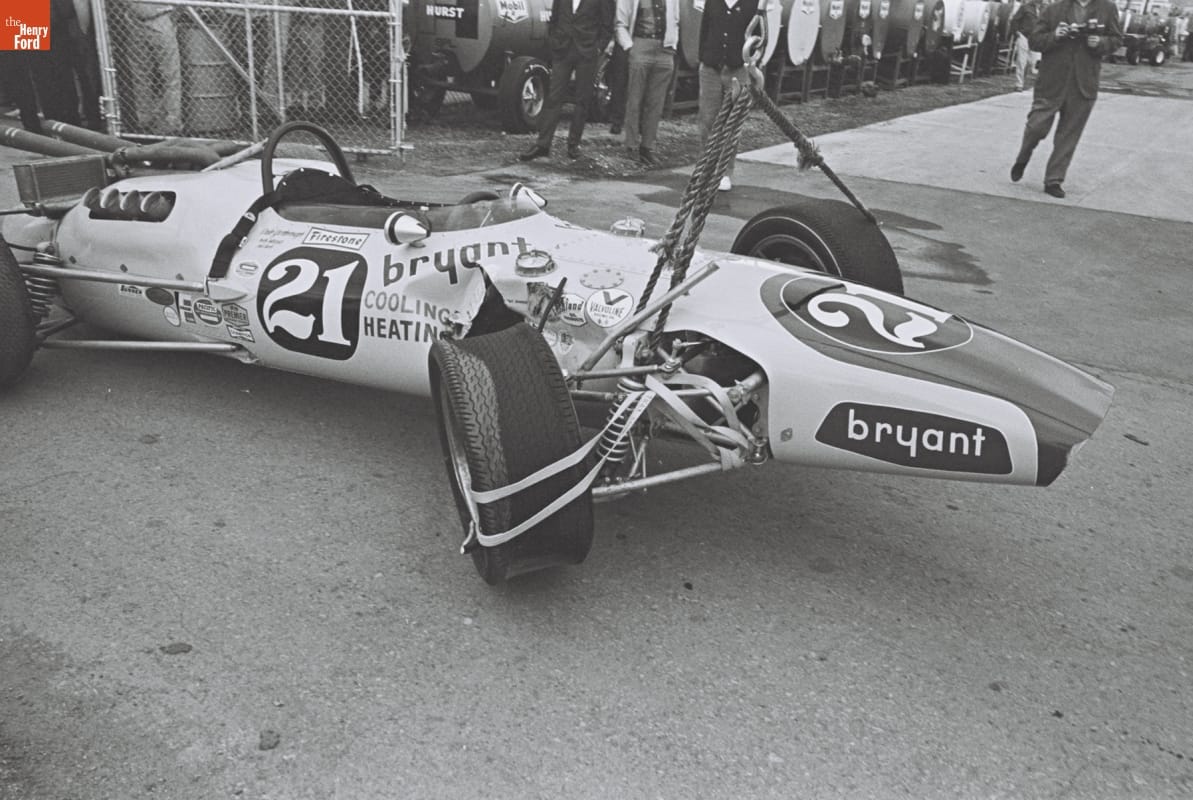
- 1967 Indianapolis 500 -- Item 165 - Dave Friedman captured and preserved auto racing history. His photography -- and his collection of works by other photographers -- documents key races, cars, drivers, and teams. On April 29, 1967, when officials opened Indianapolis Motor Speedway for practice in the lead-up to the Indianapolis 500, Cale Yarborough's #21 car was damaged in the rush to reach the track.
- April 01, 1967
- Collections - Artifact
1967 Indianapolis 500 -- Item 165
Dave Friedman captured and preserved auto racing history. His photography -- and his collection of works by other photographers -- documents key races, cars, drivers, and teams. On April 29, 1967, when officials opened Indianapolis Motor Speedway for practice in the lead-up to the Indianapolis 500, Cale Yarborough's #21 car was damaged in the rush to reach the track.
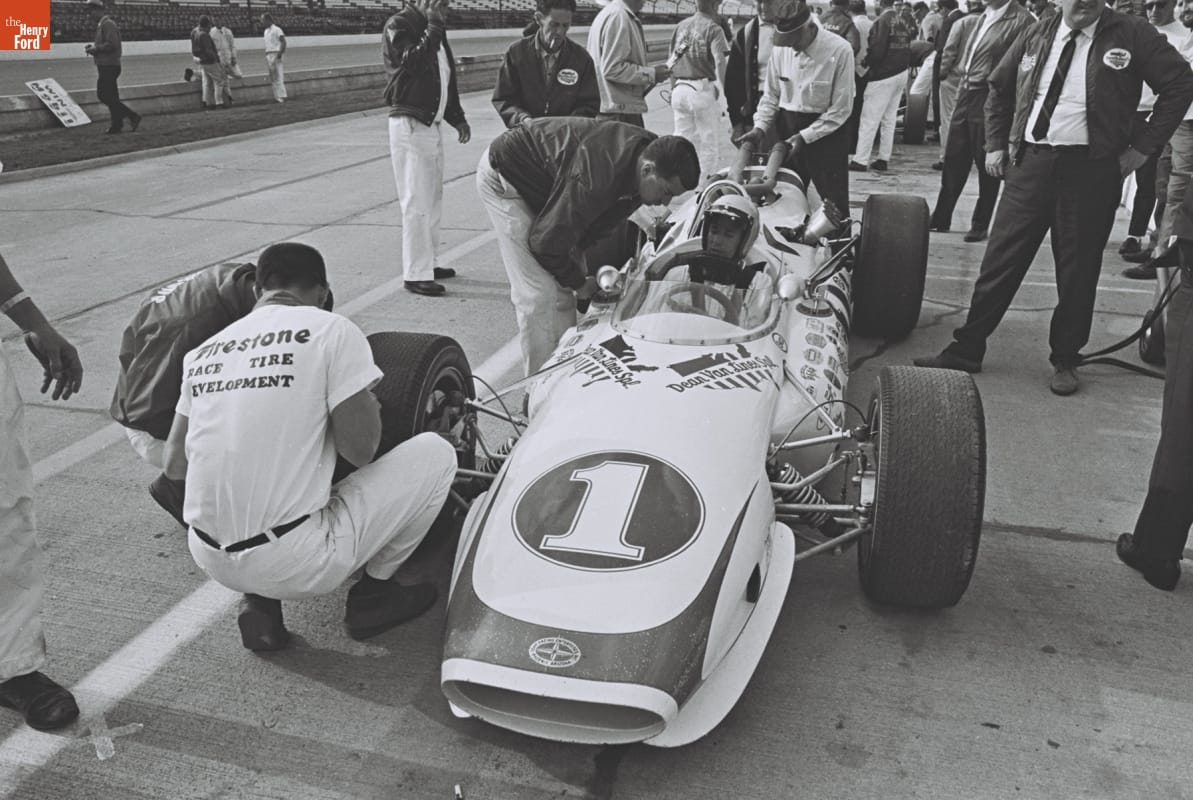
- 1967 Indianapolis 500 -- Item 127 - Driver Mario Andretti was photographed at the 1967 Indianapolis 500. He earned the pole position that year with his top qualifying speed of 168.982 miles per hour. Andretti was forced out of the race -- run over two days because of rain -- when he lost a tire after completing 59 of the race's 200 laps.
- May 01, 1967
- Collections - Artifact
1967 Indianapolis 500 -- Item 127
Driver Mario Andretti was photographed at the 1967 Indianapolis 500. He earned the pole position that year with his top qualifying speed of 168.982 miles per hour. Andretti was forced out of the race -- run over two days because of rain -- when he lost a tire after completing 59 of the race's 200 laps.
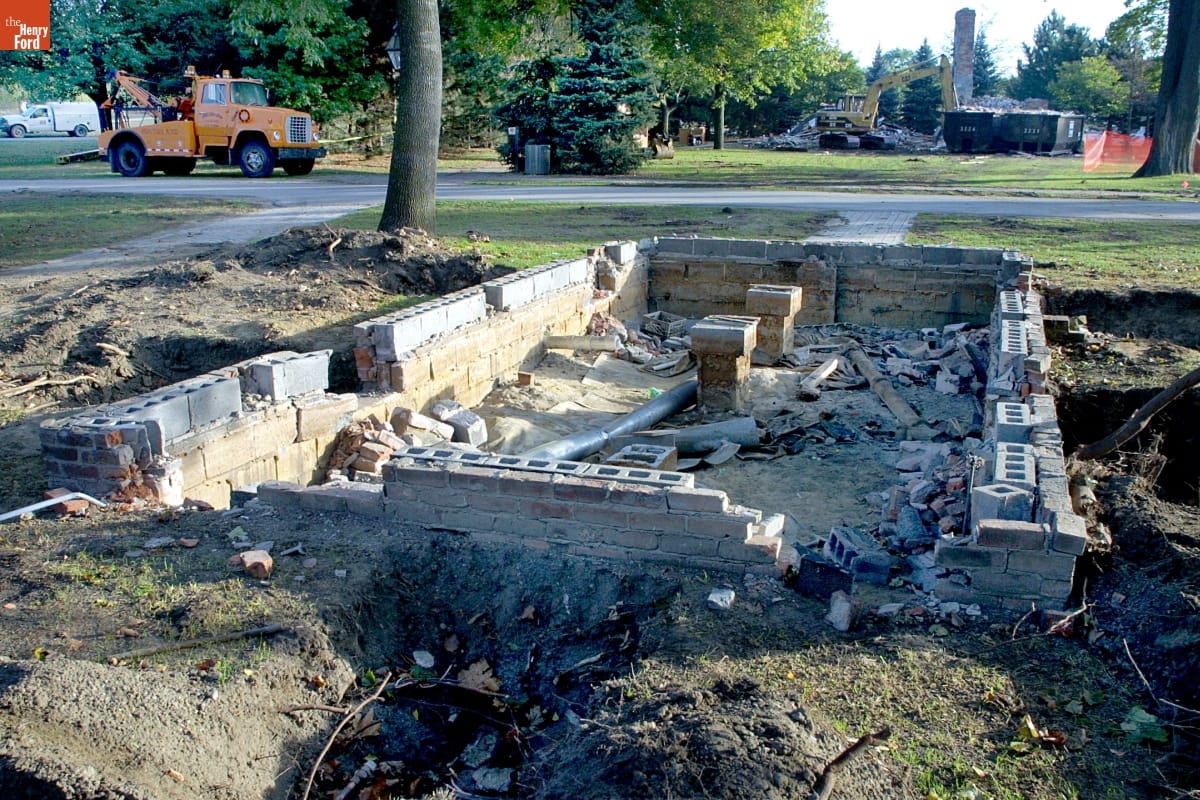
- Tintype Studio Former Site after Relocation during the Greenfield Village Restoration Project, September 2002 - By 2000, Greenfield Village began showing its age. Buildings and crumbling infrastructure desperately needed repair. Museum planners envisioned a revitalized village. They created themed "Historic Districts" by relocating and refurbishing the historic structures. Workers repaved streets and upgraded water, sewer, electric, and gas lines. In June 2003, nine months after restoration began, visitors passed through a new entrance into a reborn Greenfield Village.
- September 01, 2002
- Collections - Artifact
Tintype Studio Former Site after Relocation during the Greenfield Village Restoration Project, September 2002
By 2000, Greenfield Village began showing its age. Buildings and crumbling infrastructure desperately needed repair. Museum planners envisioned a revitalized village. They created themed "Historic Districts" by relocating and refurbishing the historic structures. Workers repaved streets and upgraded water, sewer, electric, and gas lines. In June 2003, nine months after restoration began, visitors passed through a new entrance into a reborn Greenfield Village.
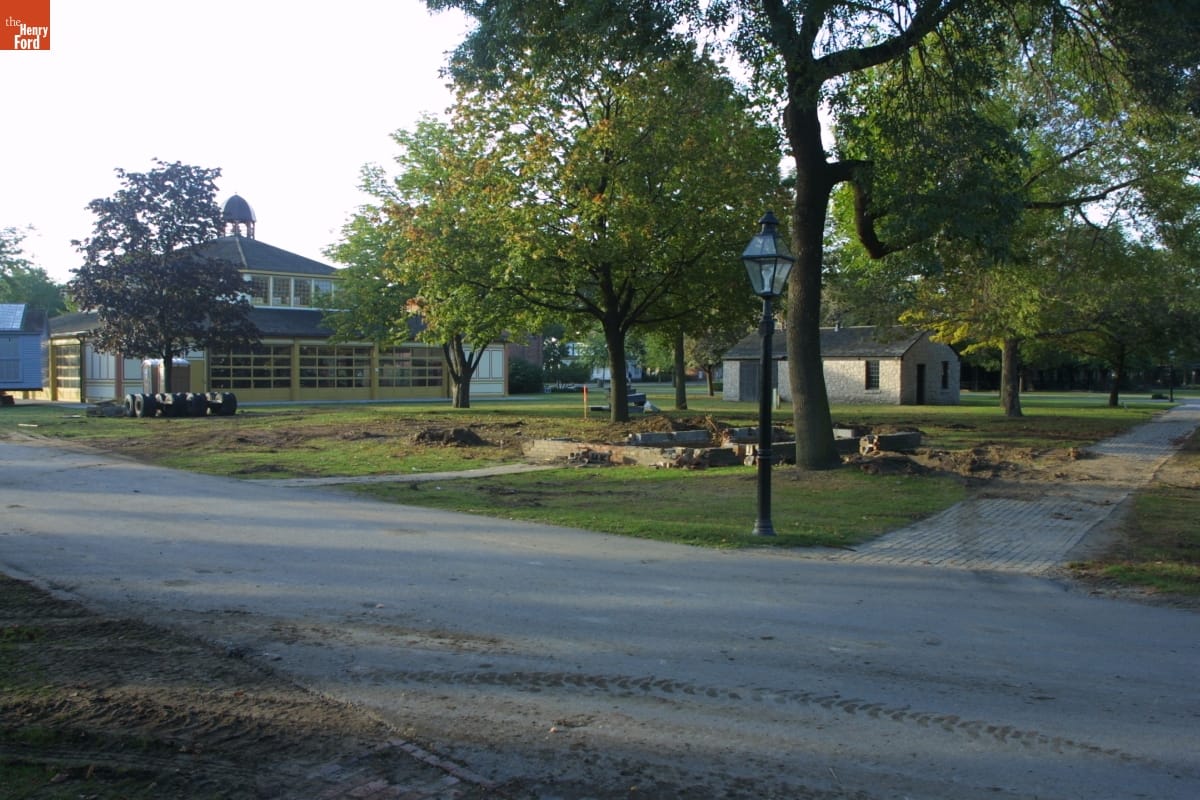
- Tintype Studio Former Site after Relocation during the Greenfield Village Restoration Project, September 2002 - By 2000, Greenfield Village began showing its age. Buildings and crumbling infrastructure desperately needed repair. Museum planners envisioned a revitalized village. They created themed "Historic Districts" by relocating and refurbishing the historic structures. Workers repaved streets and upgraded water, sewer, electric, and gas lines. In June 2003, nine months after restoration began, visitors passed through a new entrance into a reborn Greenfield Village.
- September 01, 2002
- Collections - Artifact
Tintype Studio Former Site after Relocation during the Greenfield Village Restoration Project, September 2002
By 2000, Greenfield Village began showing its age. Buildings and crumbling infrastructure desperately needed repair. Museum planners envisioned a revitalized village. They created themed "Historic Districts" by relocating and refurbishing the historic structures. Workers repaved streets and upgraded water, sewer, electric, and gas lines. In June 2003, nine months after restoration began, visitors passed through a new entrance into a reborn Greenfield Village.