
Search
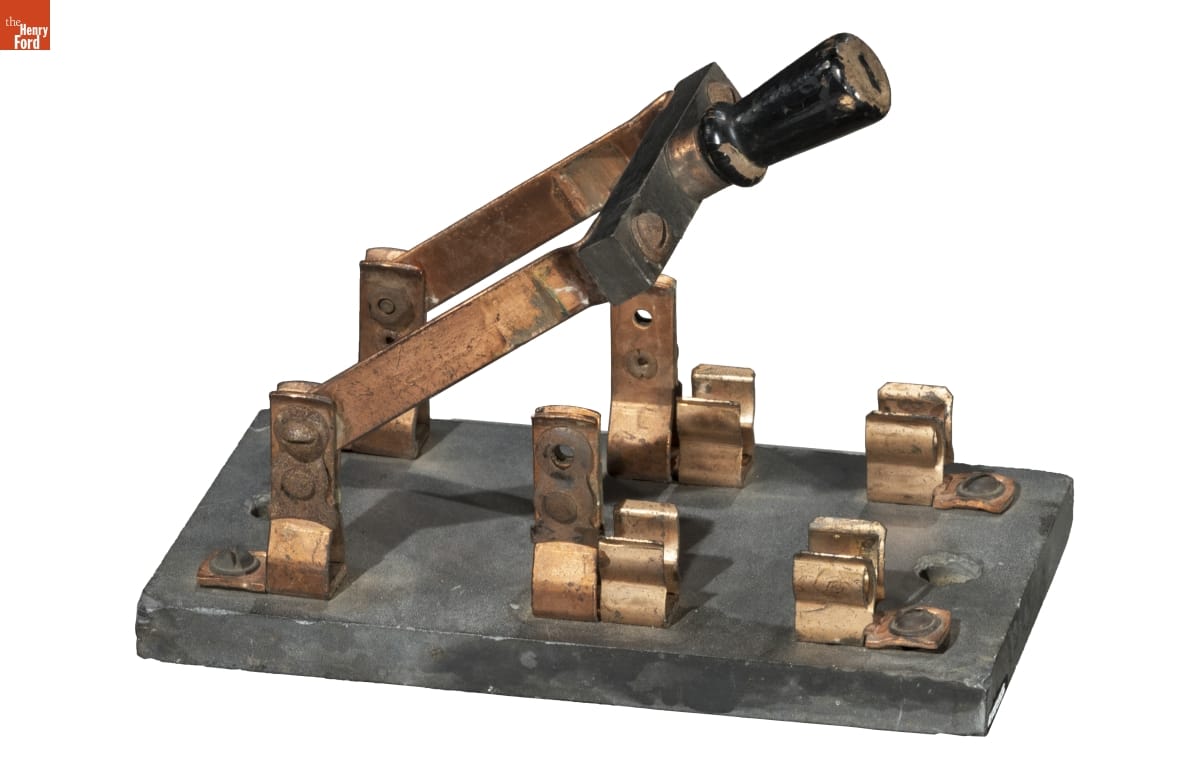
- Mutual Electric & Machine Co. Electric Switch, Used on Sugar Island, Detroit River, Michigan, circa 1910 - Switches open or close an electrical circuit to turn things off or on. Knife switches, such as this one, were commonly used on power and lighting switchboards or connected to a motor or generator. This switch was used on Sugar Island in the Detroit River in the early 1900s. The island's powerhouse provided electricity for a dancehall, amusement rides and other amenities.
- circa 1910
- Collections - Artifact
Mutual Electric & Machine Co. Electric Switch, Used on Sugar Island, Detroit River, Michigan, circa 1910
Switches open or close an electrical circuit to turn things off or on. Knife switches, such as this one, were commonly used on power and lighting switchboards or connected to a motor or generator. This switch was used on Sugar Island in the Detroit River in the early 1900s. The island's powerhouse provided electricity for a dancehall, amusement rides and other amenities.
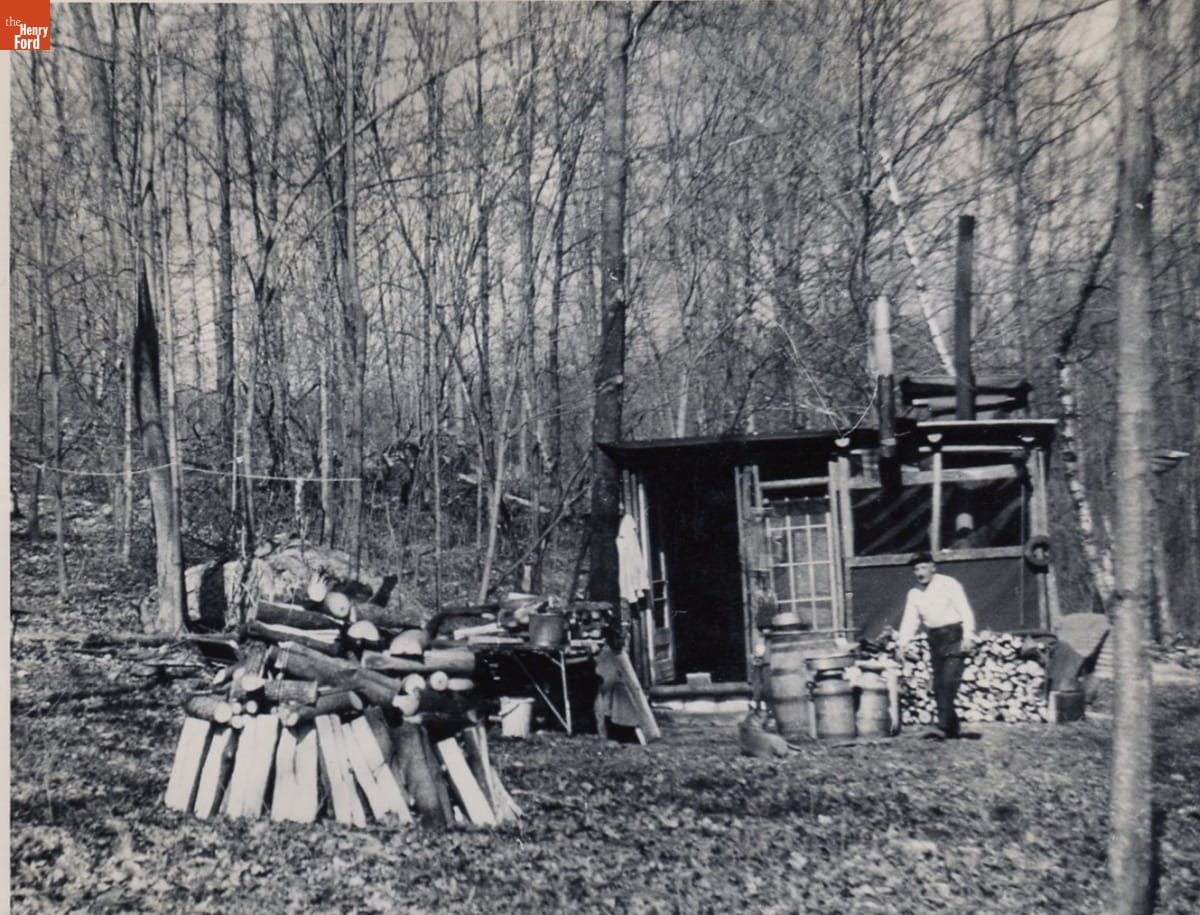
- Benny, the "Job Boss," outside the Sugar House at the Kelley Home, Andover, Connecticut, 1959 -
- 1959
- Collections - Artifact
Benny, the "Job Boss," outside the Sugar House at the Kelley Home, Andover, Connecticut, 1959
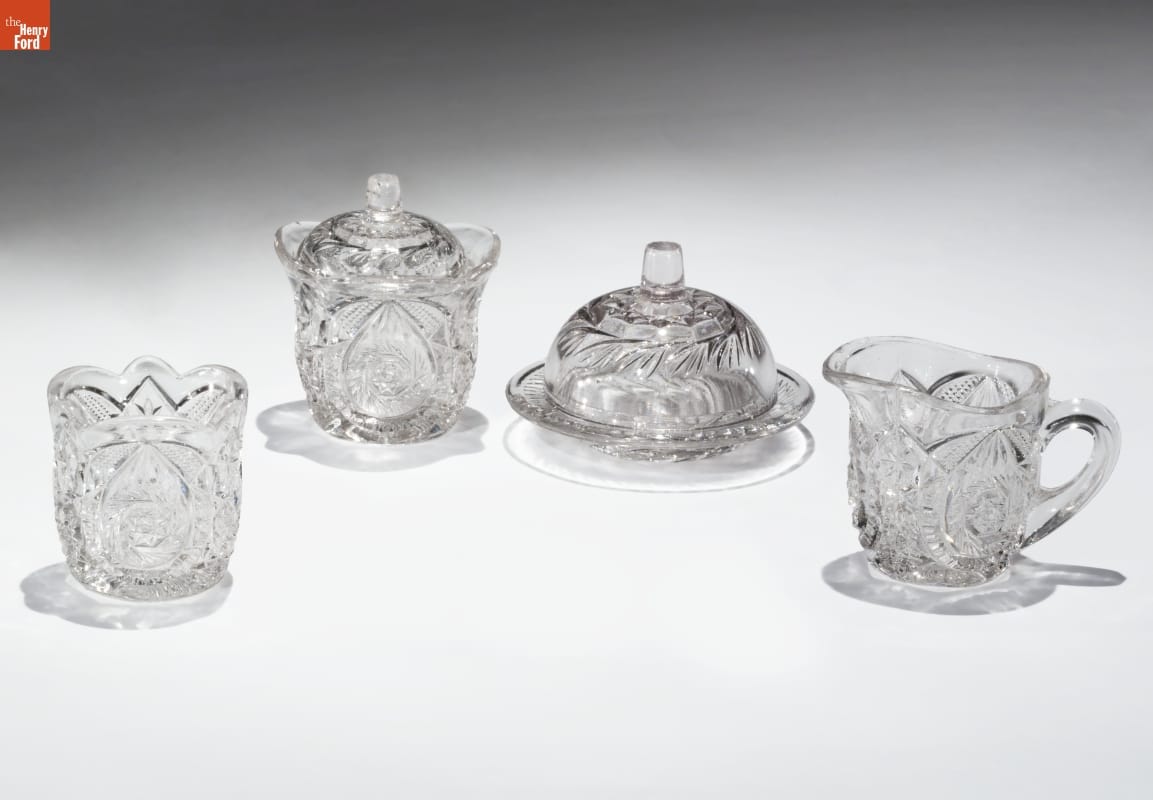
- Bryce Brothers "Buzz Star" Toy Tableware Set, 1907-1930 -
- 1907-1930
- Collections - Artifact
Bryce Brothers "Buzz Star" Toy Tableware Set, 1907-1930
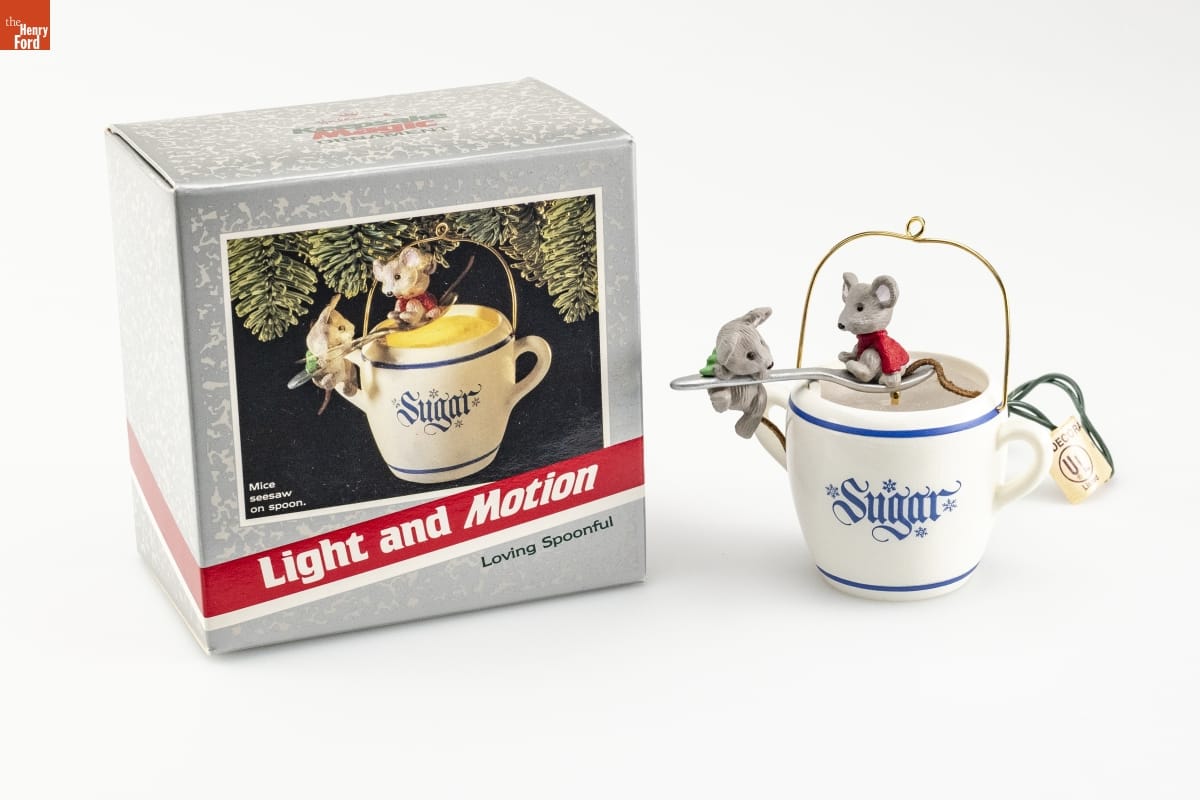
- Hallmark "Loving Spoonful" Christmas Ornament, 1989 - Already known for greeting cards, Hallmark introduced a line of Christmas ornaments in 1973. The company's annual release of an increasing array of ornaments revolutionized Christmas decorating, appealing to customers' interest in marking memories and milestones as well as expressing one's personality and unique tastes.
- 1989
- Collections - Artifact
Hallmark "Loving Spoonful" Christmas Ornament, 1989
Already known for greeting cards, Hallmark introduced a line of Christmas ornaments in 1973. The company's annual release of an increasing array of ornaments revolutionized Christmas decorating, appealing to customers' interest in marking memories and milestones as well as expressing one's personality and unique tastes.
- "Playtown Store" Set, 1940-1950 -
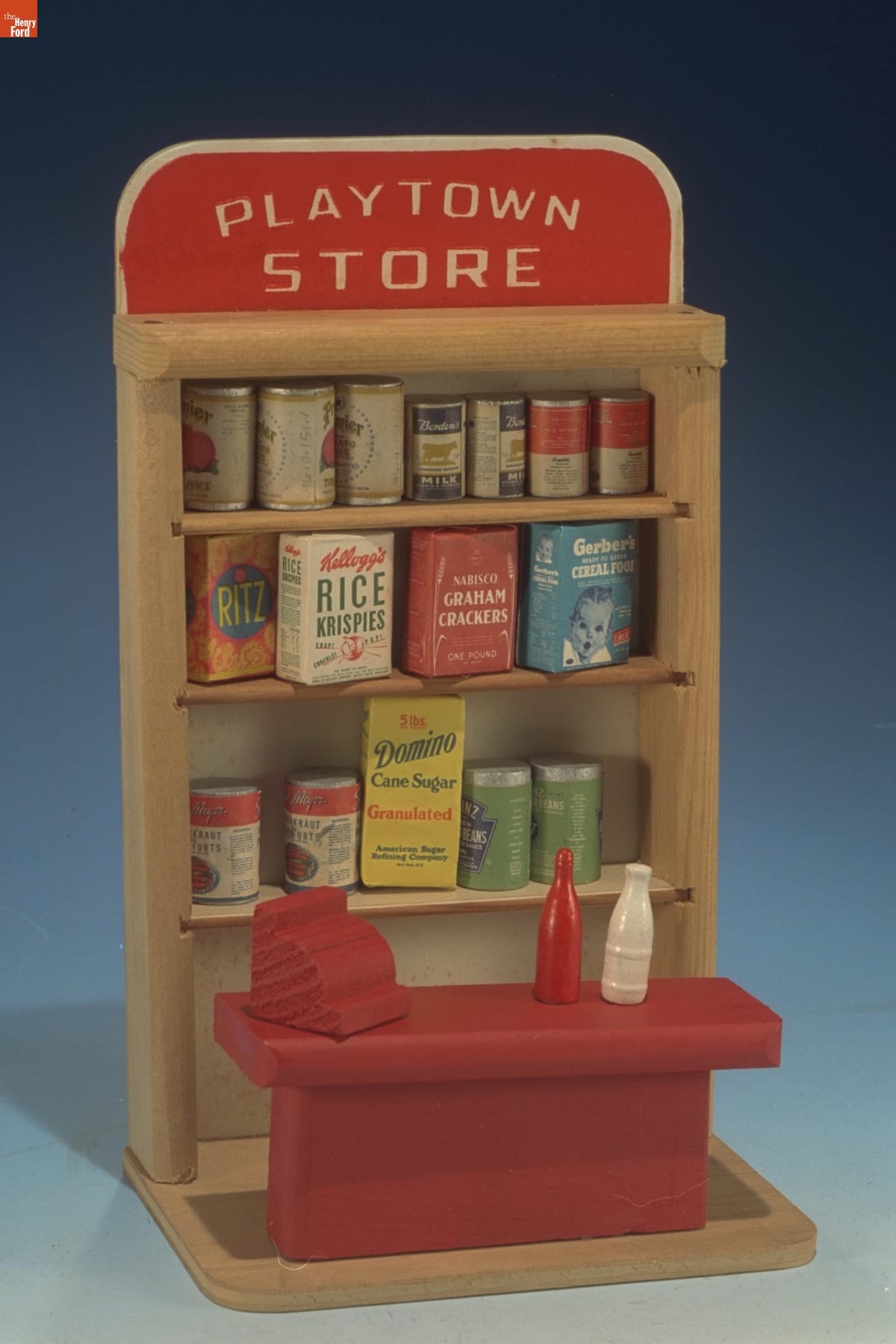
- 1940-1950
- Collections - Artifact
"Playtown Store" Set, 1940-1950
- LIthograph, "American Forest Scene," 1856 -
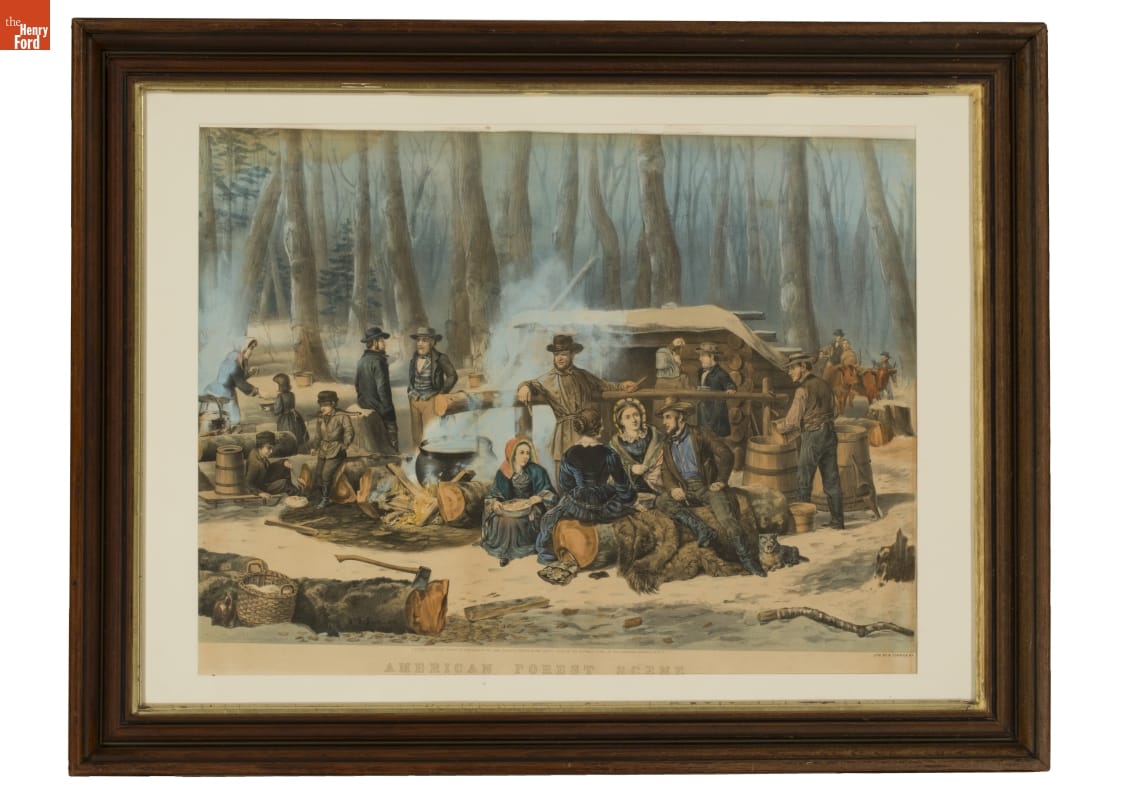
- 1856
- Collections - Artifact
LIthograph, "American Forest Scene," 1856
- Sugar Bowl, 1797-1840 - American glass factories made a variety of glass products for the early-nineteenth-century consumer. Glassblowers turned out bottles, flasks, tableware and other household items. Earlier products were affordable only to the well-to-do. But by the second quarter of the 19th century, a growing number of manufacturers made reasonably priced blown-glass items available to the expanding middle class.
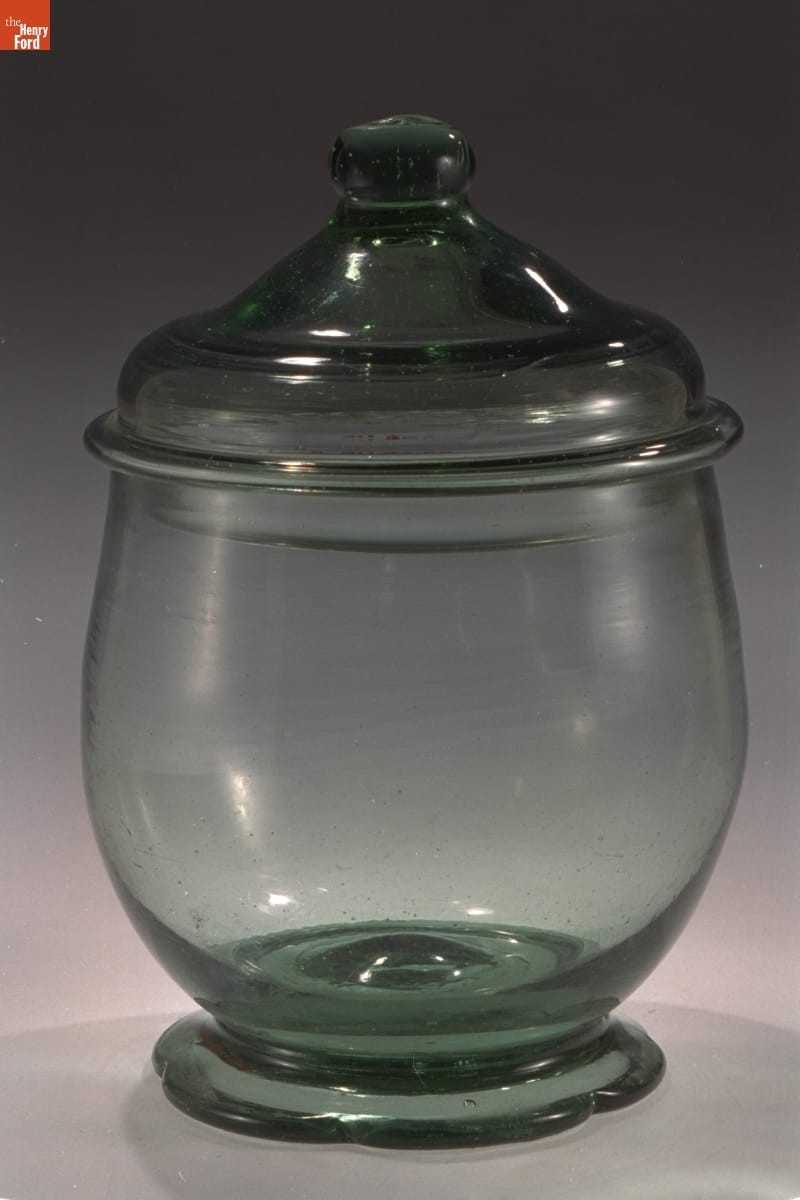
- 1797-1840
- Collections - Artifact
Sugar Bowl, 1797-1840
American glass factories made a variety of glass products for the early-nineteenth-century consumer. Glassblowers turned out bottles, flasks, tableware and other household items. Earlier products were affordable only to the well-to-do. But by the second quarter of the 19th century, a growing number of manufacturers made reasonably priced blown-glass items available to the expanding middle class.
- Ford F-7 Dump Truck and a Tractor-drawn Sugar Beet Harvester in a Field, 1950 -
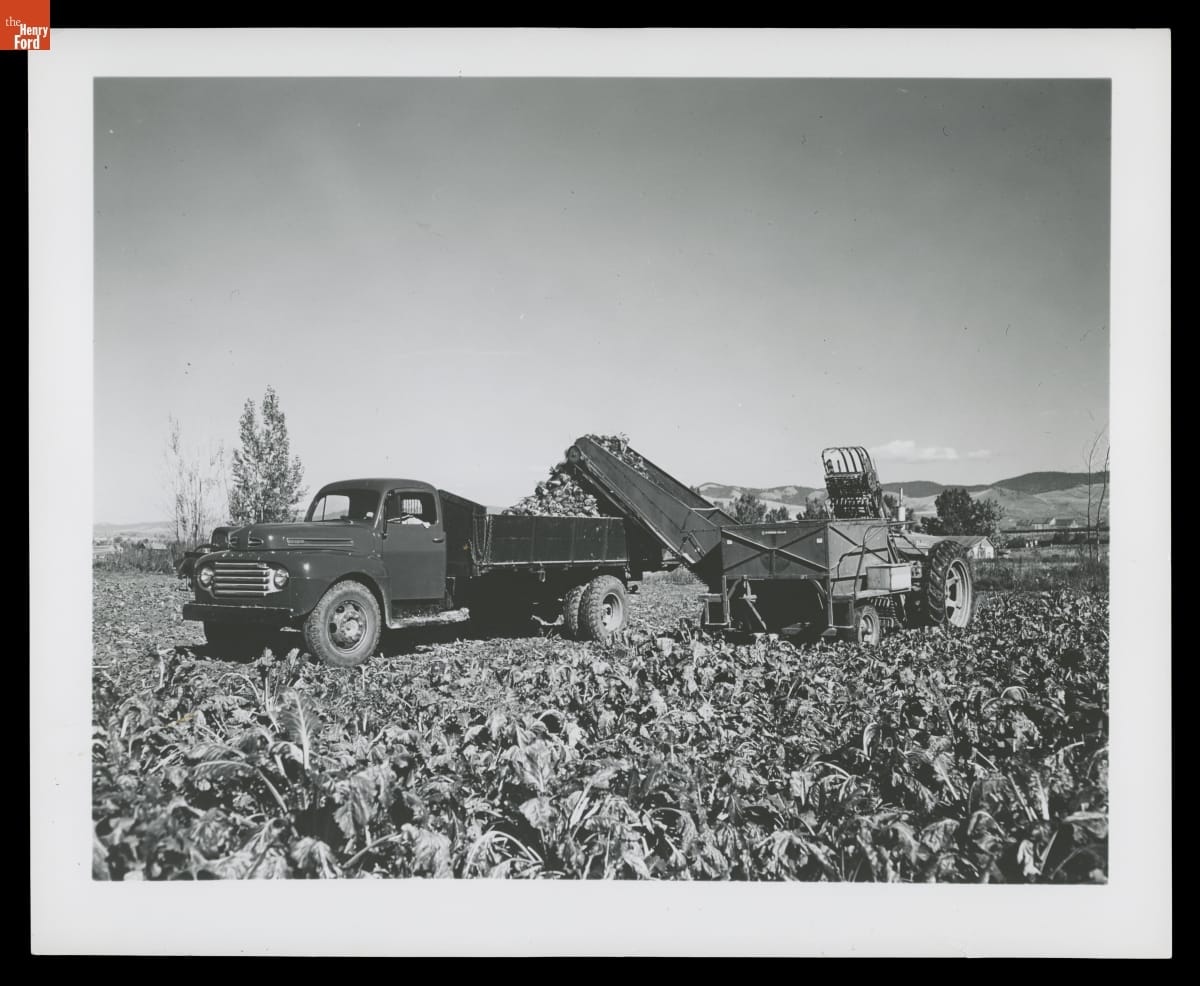
- March 23, 1951
- Collections - Artifact
Ford F-7 Dump Truck and a Tractor-drawn Sugar Beet Harvester in a Field, 1950
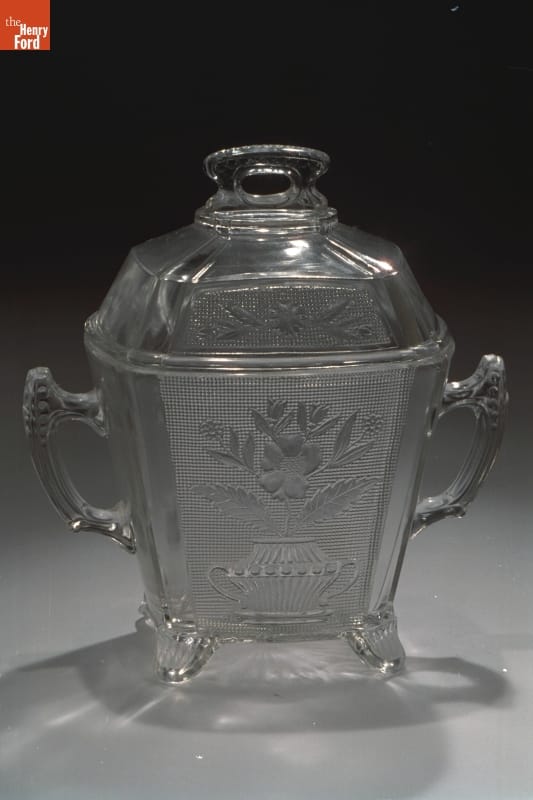
- Covered Sugar Bowl, 1879-1908 - Middle-class Americans in the late 19th century arrayed their dining tables with affordable pressed-glass tableware. These items, usually sold in sets, came in a wide variety of patterns, colors and styles. These decorative pieces -- like this sugar bowl -- communicated a family's status and taste to visitors and guests.
- 1879-1908
- Collections - Artifact
Covered Sugar Bowl, 1879-1908
Middle-class Americans in the late 19th century arrayed their dining tables with affordable pressed-glass tableware. These items, usually sold in sets, came in a wide variety of patterns, colors and styles. These decorative pieces -- like this sugar bowl -- communicated a family's status and taste to visitors and guests.
- Cut Glass Tableware, 1855-1870 -
- 1855-1870
- Collections - Artifact
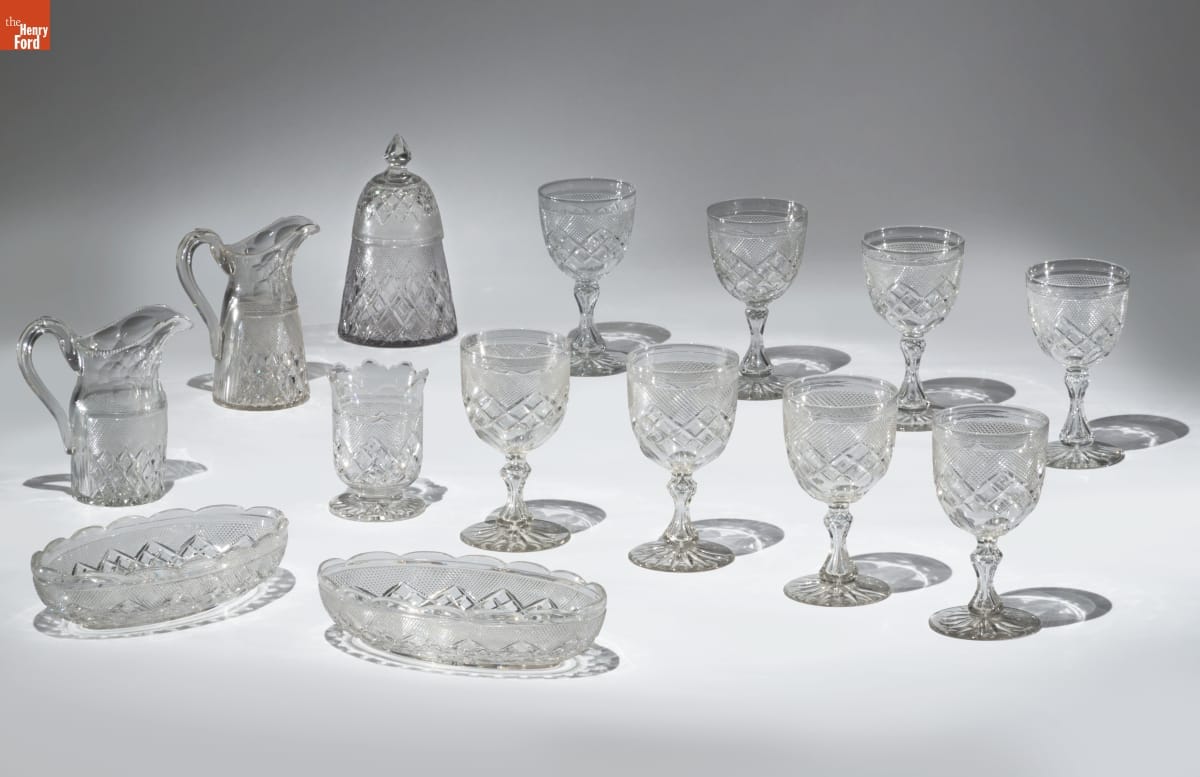
Cut Glass Tableware, 1855-1870