
Search
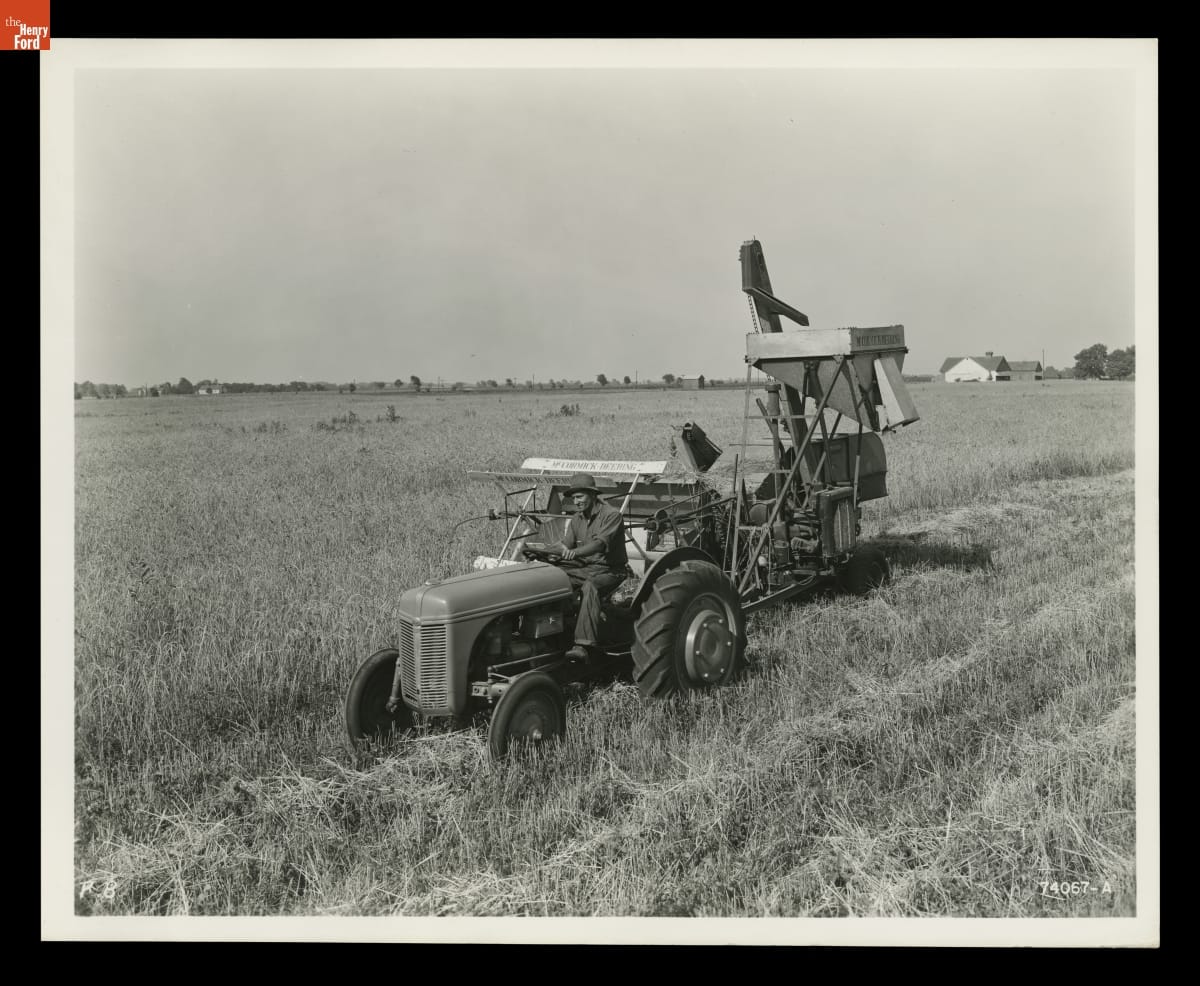
- Man Harvesting Wheat Using a Ford-Ferguson Tractor with Combine Attached, Indiana, August 1940 - Ford Motor Company introduced the 9N tractor in 1939. It featured the "Ferguson System:" a 3-point hydraulic hitch-and-lift system invented by Irishman Harry Ferguson. Ferguson's revolutionary hitch kept agricultural implements, like the combine seen here, in line with the tractor. It also provided stability. By 1940, nearly 8 percent of tractors sold in the U.S. were 9Ns.
- August 05, 1940
- Collections - Artifact
Man Harvesting Wheat Using a Ford-Ferguson Tractor with Combine Attached, Indiana, August 1940
Ford Motor Company introduced the 9N tractor in 1939. It featured the "Ferguson System:" a 3-point hydraulic hitch-and-lift system invented by Irishman Harry Ferguson. Ferguson's revolutionary hitch kept agricultural implements, like the combine seen here, in line with the tractor. It also provided stability. By 1940, nearly 8 percent of tractors sold in the U.S. were 9Ns.
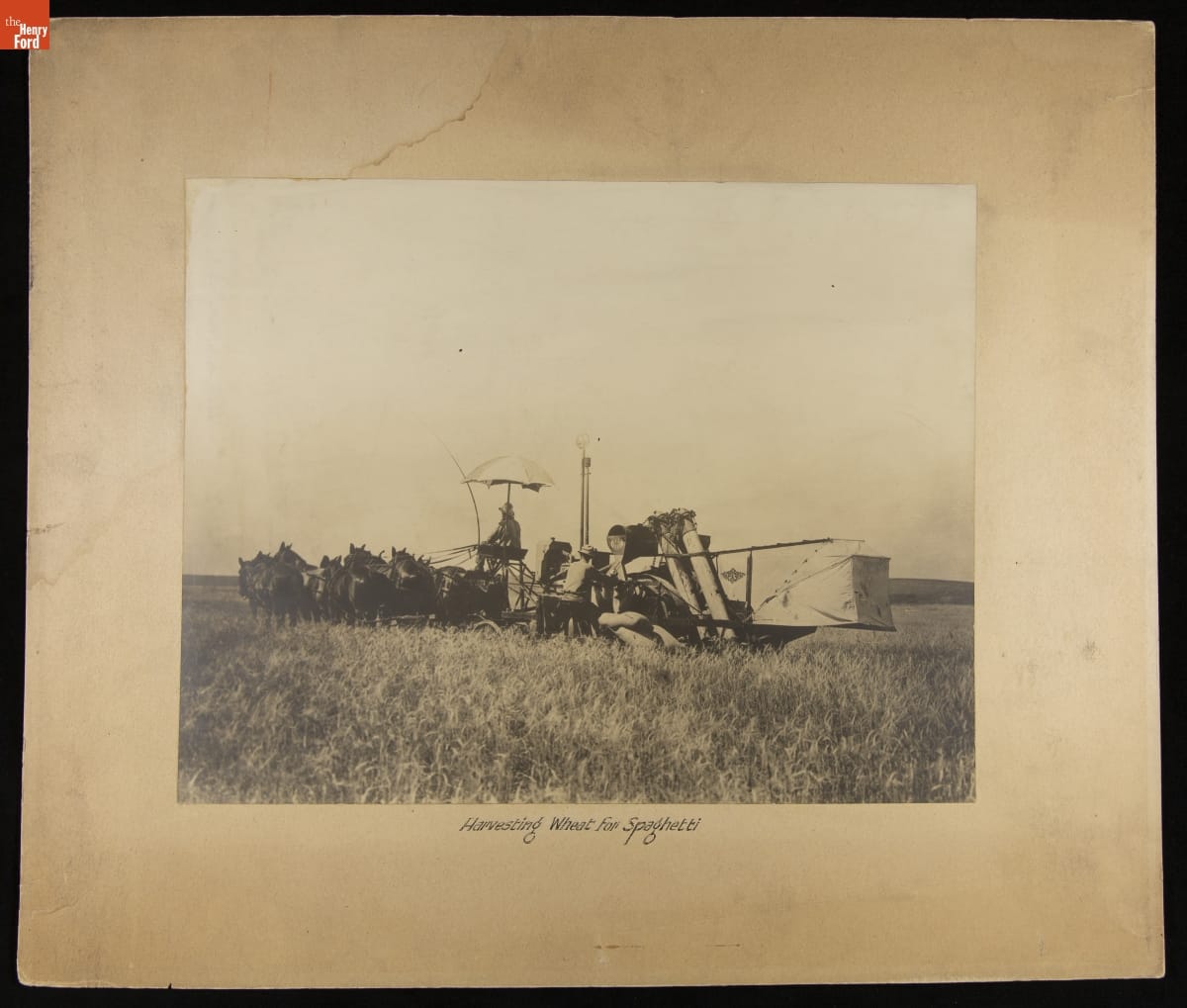
- Harvesting Wheat for Spaghetti, H. J. Heinz Company, 1930-1940 - Entrepreneur H.J. Heinz recognized that producing the highest quality products began with where the ingredients were grown and how they were harvested. The H.J. Heinz Company took great care in managing every aspect of the process to ensure the best ingredients were used in its products. In this photograph, workers are harvesting wheat for the company's heat-and-serve spaghetti products.
- 1930-1940
- Collections - Artifact
Harvesting Wheat for Spaghetti, H. J. Heinz Company, 1930-1940
Entrepreneur H.J. Heinz recognized that producing the highest quality products began with where the ingredients were grown and how they were harvested. The H.J. Heinz Company took great care in managing every aspect of the process to ensure the best ingredients were used in its products. In this photograph, workers are harvesting wheat for the company's heat-and-serve spaghetti products.
- Vase, 1850-1865 -
- 1850-1865
- Collections - Artifact
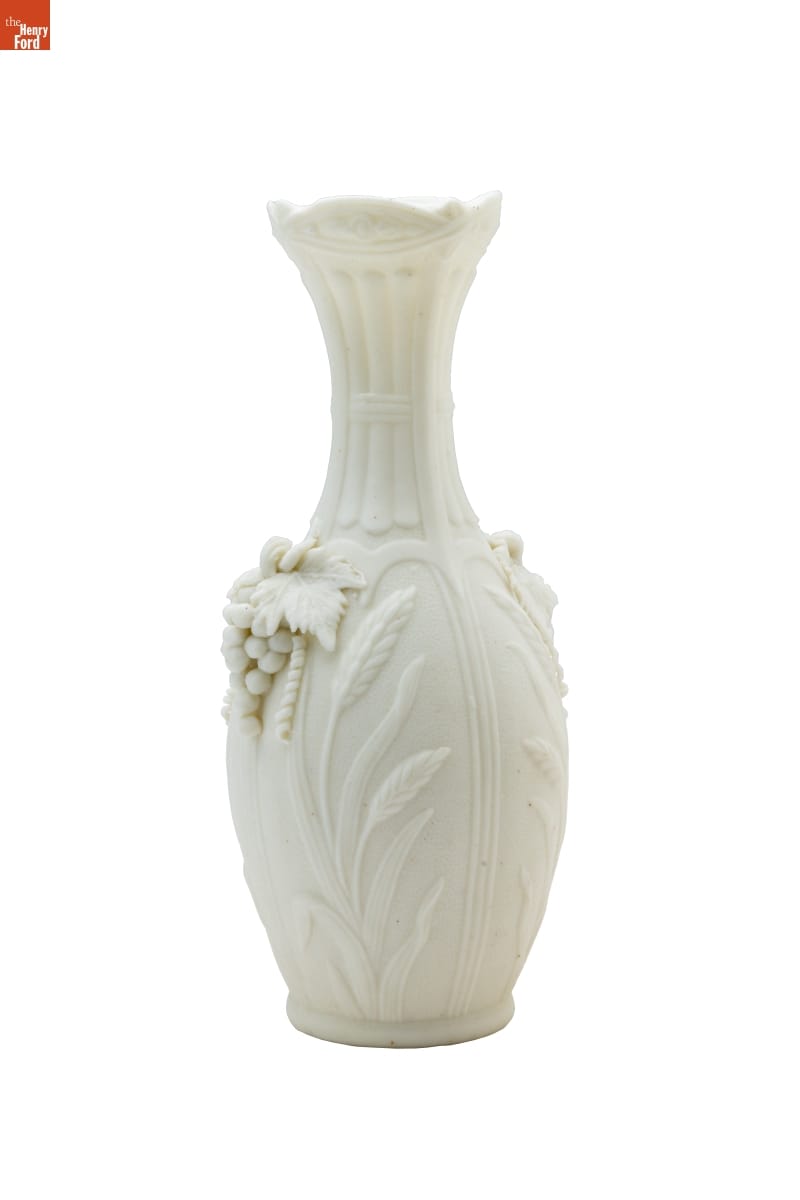
Vase, 1850-1865
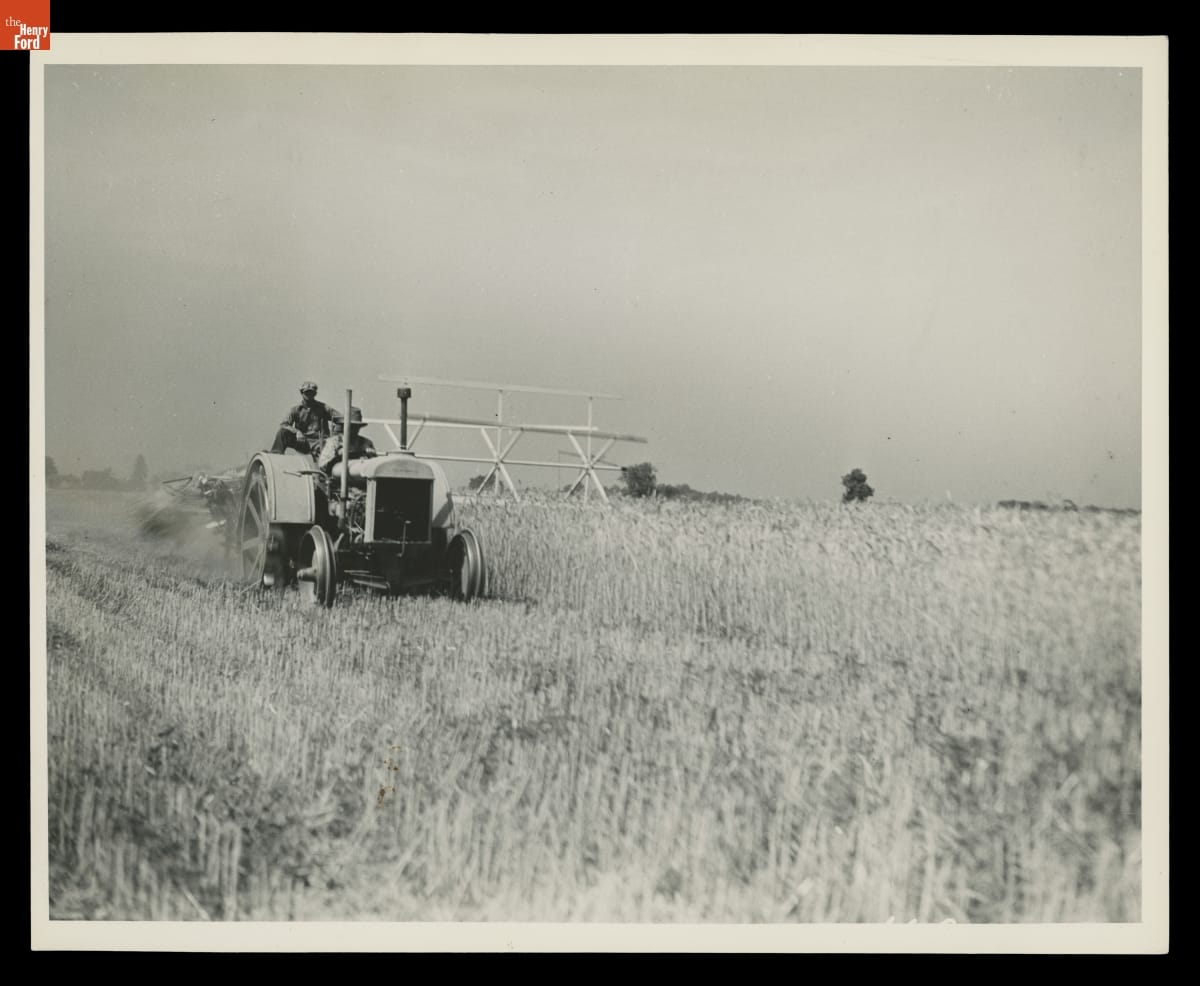
- Harvesting Wheat with Tractor and Combine, Belleville, Michigan, July 1936 - It took hundreds of years to perfect machinery that could combine the three major steps of harvesting grain: reaping, or cutting the crop; threshing to loosen the grain from the chaff; and disposing of the straw while retaining the grain. This image shows a tractor-drawn "combine" harvesting wheat in 1936. Around this time, manufacturers finally introduced labor-saving self-propelled combines.
- July 13, 1936
- Collections - Artifact
Harvesting Wheat with Tractor and Combine, Belleville, Michigan, July 1936
It took hundreds of years to perfect machinery that could combine the three major steps of harvesting grain: reaping, or cutting the crop; threshing to loosen the grain from the chaff; and disposing of the straw while retaining the grain. This image shows a tractor-drawn "combine" harvesting wheat in 1936. Around this time, manufacturers finally introduced labor-saving self-propelled combines.
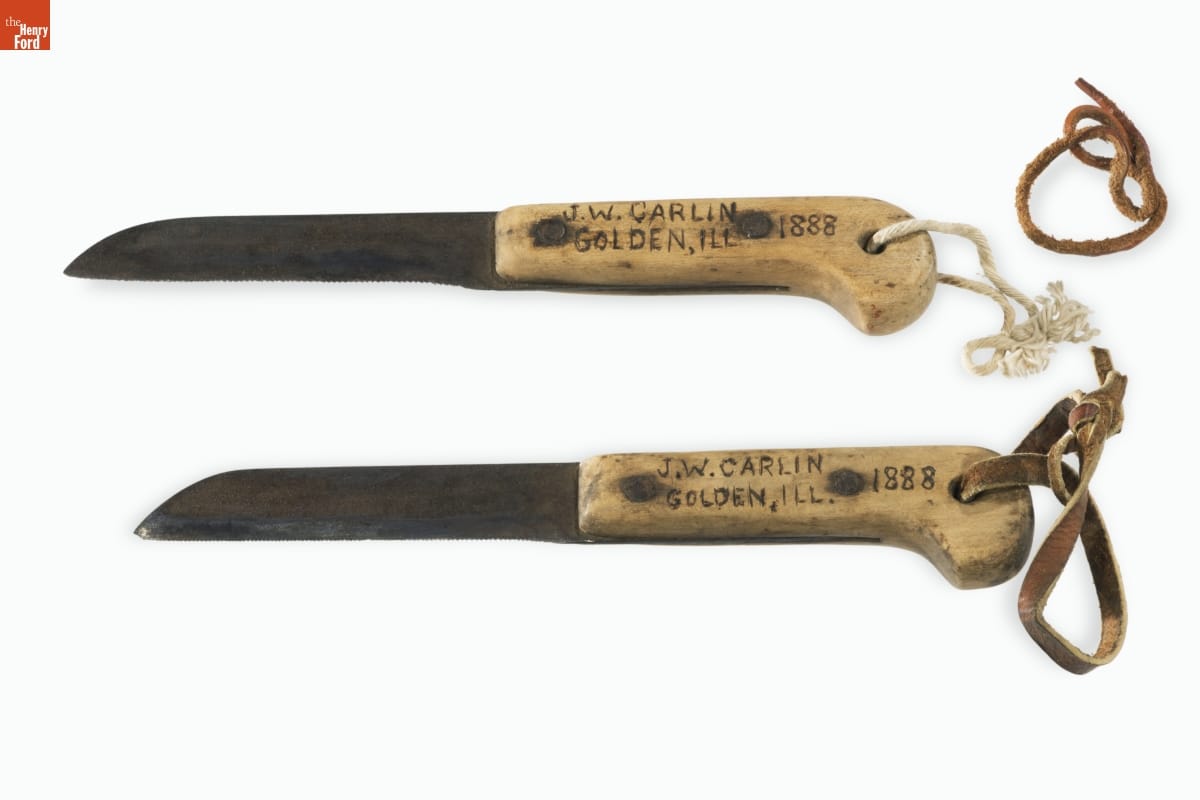
- Harvesting Knives made by John W. Carlin, 1888 -
- 1888
- Collections - Artifact
Harvesting Knives made by John W. Carlin, 1888
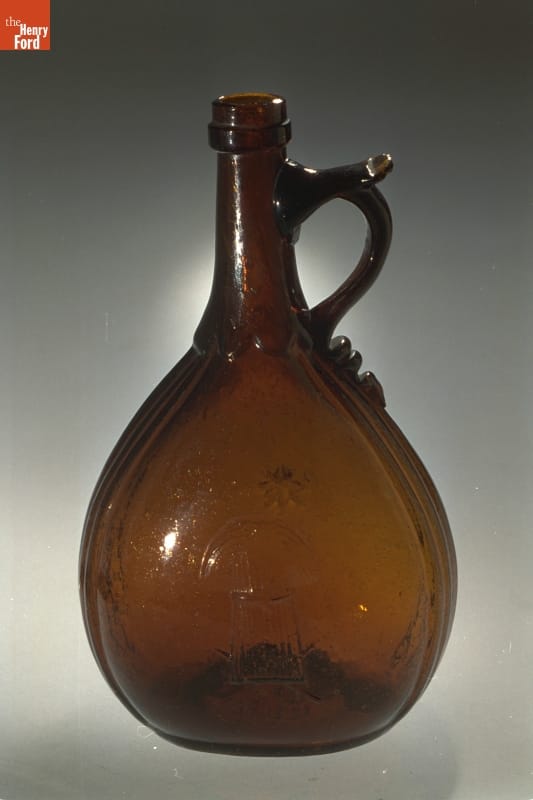
- Calabash Bottle, 1845-1860 - Glass factories in America began producing inexpensive, mold-formed flasks in the early 1800s. These figured flasks, often decorated with symbols of national pride, appealed to America's common man. This calabash -- a gourd-like form popular in the mid-19th century -- contains an image of a sheaf of grain. This symbol of agriculture also may allude to the flask's content of grain-based alcohol.
- 1845-1860
- Collections - Artifact
Calabash Bottle, 1845-1860
Glass factories in America began producing inexpensive, mold-formed flasks in the early 1800s. These figured flasks, often decorated with symbols of national pride, appealed to America's common man. This calabash -- a gourd-like form popular in the mid-19th century -- contains an image of a sheaf of grain. This symbol of agriculture also may allude to the flask's content of grain-based alcohol.
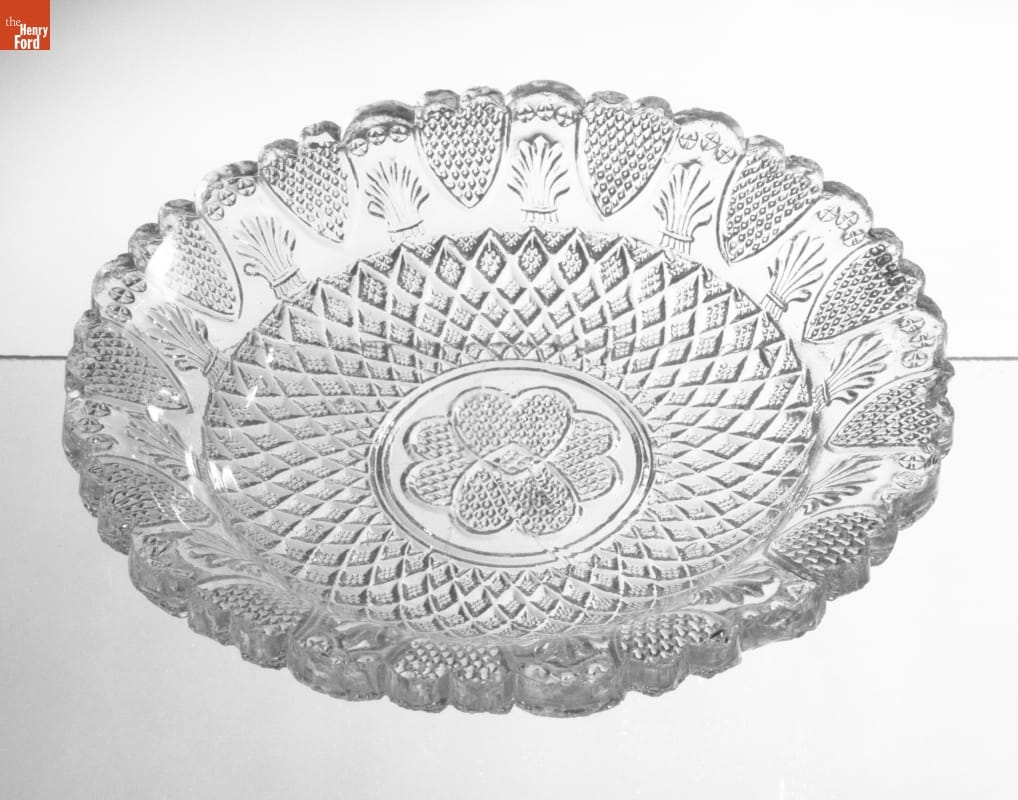
- Dish, 1827-1835 - Mechanically pressed glass was an innovation in glass history, making decorative, "patterned" glass available to a broad audience. One of the earliest types of pressed glass, dating to the 1830s is known as "Lacy Glass". Complex stippled patterns were developed to help hide technical defects caused by early presses, when the glass gather was cut off and dropped into a mold.
- 1827-1835
- Collections - Artifact
Dish, 1827-1835
Mechanically pressed glass was an innovation in glass history, making decorative, "patterned" glass available to a broad audience. One of the earliest types of pressed glass, dating to the 1830s is known as "Lacy Glass". Complex stippled patterns were developed to help hide technical defects caused by early presses, when the glass gather was cut off and dropped into a mold.
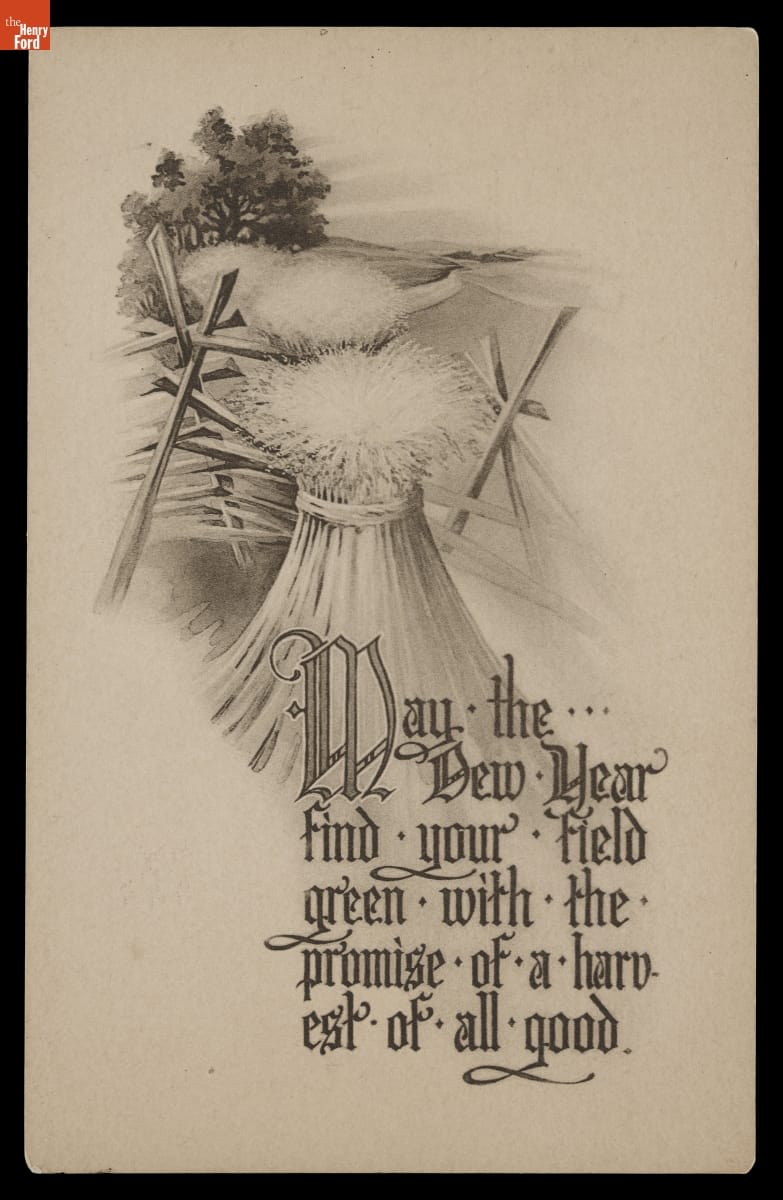
- "May the New Year Find Your Field Green with the Promise of a Harvest of All Good," 1910-1915 -
- 1910-1915
- Collections - Artifact
"May the New Year Find Your Field Green with the Promise of a Harvest of All Good," 1910-1915
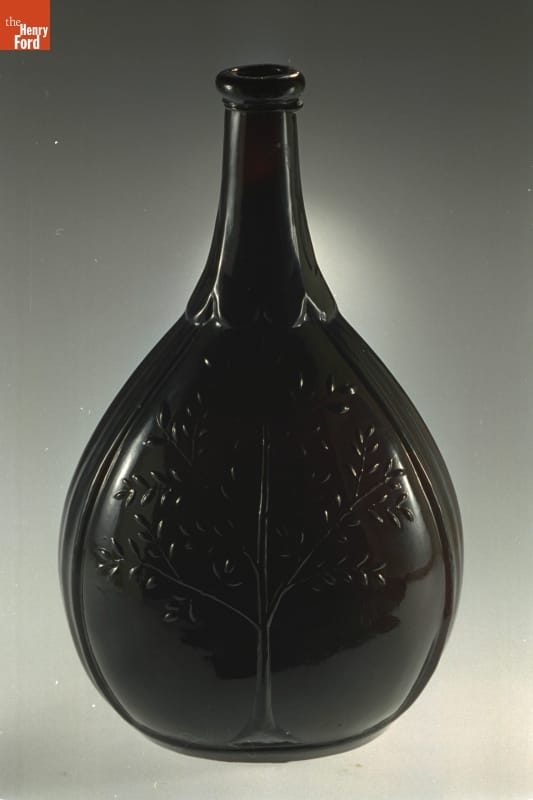
- Calabash Bottle, 1850-1855 - Glass factories in America began producing inexpensive, mold-formed flasks in the early 1800s. These figured flasks, often decorated with symbols of national pride or political or cultural affiliation, appealed to America's common man. The sheaf of grain on one side of the flask represents America's agricultural bounty. The tree found on the back may have been purely decorative.
- 1850-1855
- Collections - Artifact
Calabash Bottle, 1850-1855
Glass factories in America began producing inexpensive, mold-formed flasks in the early 1800s. These figured flasks, often decorated with symbols of national pride or political or cultural affiliation, appealed to America's common man. The sheaf of grain on one side of the flask represents America's agricultural bounty. The tree found on the back may have been purely decorative.
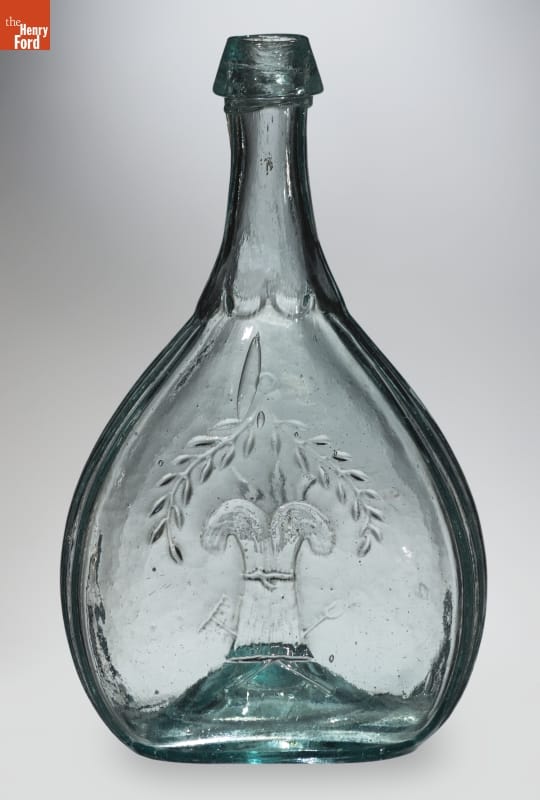
- Calabash Bottle, 1850-1855 - Glass factories in America began producing inexpensive, mold-formed flasks in the early 1800s. These figured flasks, often decorated with symbols of national pride, appealed to America's common man. This calabash -- a gourd-like form popular in the mid-19th century -- contains an image of a sheaf of grain. This symbol of agriculture also may allude to the flask's content of grain-based alcohol.
- 1850-1855
- Collections - Artifact
Calabash Bottle, 1850-1855
Glass factories in America began producing inexpensive, mold-formed flasks in the early 1800s. These figured flasks, often decorated with symbols of national pride, appealed to America's common man. This calabash -- a gourd-like form popular in the mid-19th century -- contains an image of a sheaf of grain. This symbol of agriculture also may allude to the flask's content of grain-based alcohol.