
Noah Webster Home
THF1882 / Noah Webster Home
01
Artifact Overview
Noah Webster and his wife Rebecca had this comfortable New Haven, Connecticut, home built in their later years to be near family and friends, as well as the library at nearby Yale College. While living in this house, Webster published his famous American Dictionary of the English Language in 1828. His dictionary aimed to capture distinctively American words and spellings for the first time.
Artifact Details
Artifact
House
Date Made
1823
Creators
Place of Creation
Creator Notes
Originally built in New Haven, Connecticut; attributed to architect David Hoadley.
Location
at Greenfield Village in Porches and Parlors District
Object ID
36.812.1
Credit
From the Collections of The Henry Ford.
Material
Wood (Plant material)
Plaster
Chestnut (Wood)
Black walnut (Wood)
Glass (Material)
Keywords |
|---|
02
Related Content
Set
The Noah Webster Home
- 7 Artifacts
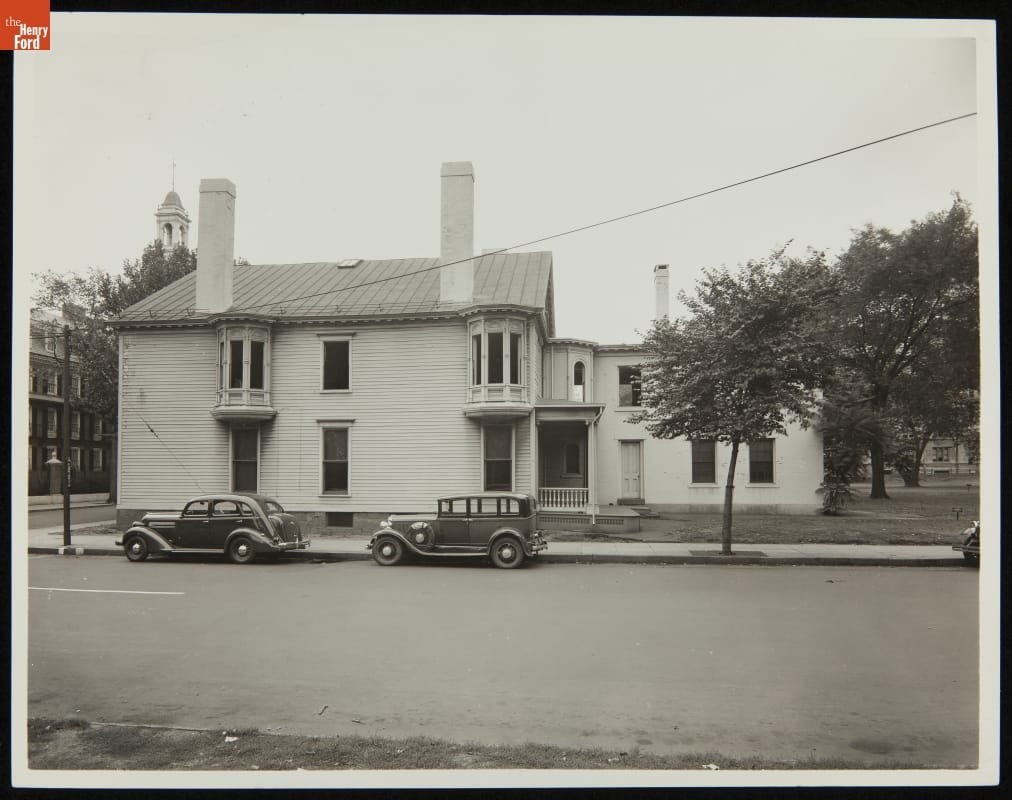
This is textbook pioneer and spelling reformer Noah Webster's home on its original site in New Haven, Connecticut. Henry Ford admired Webster and recognized his house as an important piece of American history. Ford had the building moved to Greenfield Village - his historical outdoor museum in Dearborn, Michigan. This side view documents later additions not moved with the house.
Set
The Most Popular Digital Collection Artifacts of 2017
- 50 Artifacts
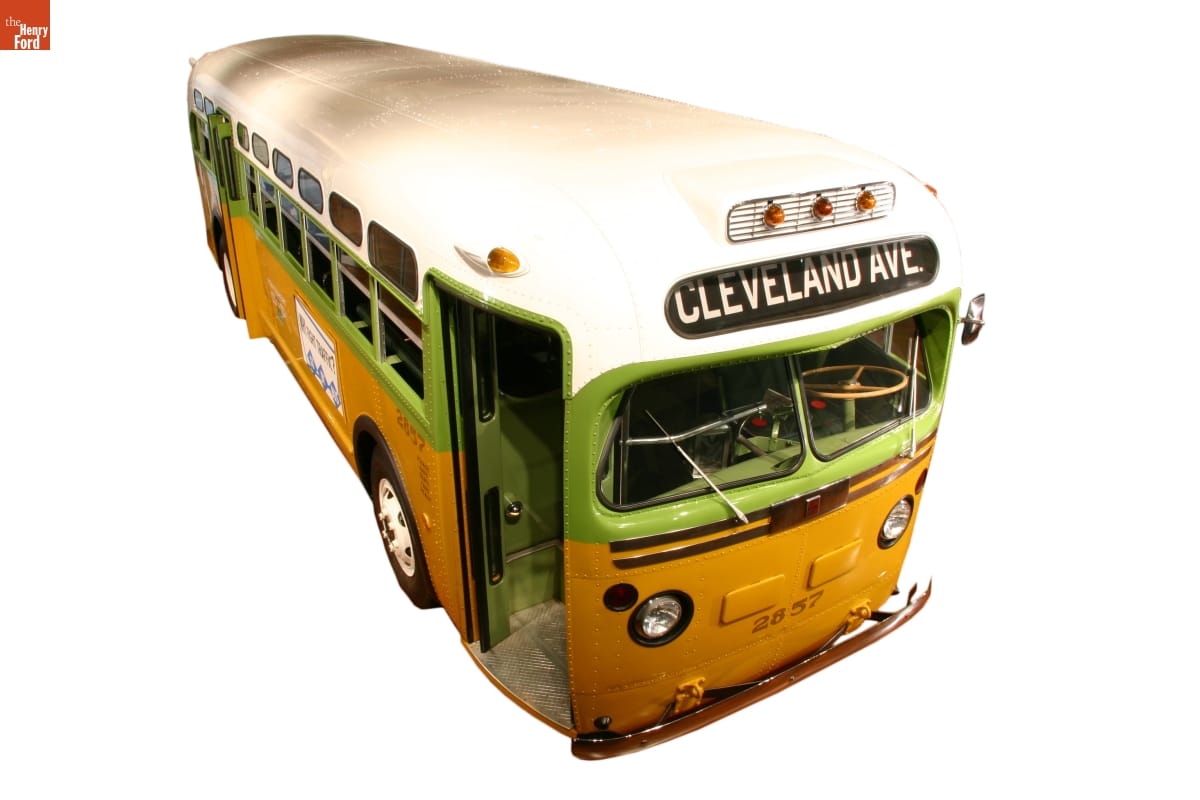
Inside this bus on December 1, 1955, Rosa Parks, a soft-spoken African-American seamstress, refused to give up her seat to a white man, breaking existing segregation laws. The flawless character and quiet strength she exhibited successfully ignited action in others. For this, many believe Rosa Parks's act was the event that sparked the Civil Rights movement.
Set
One-Room Schools
- 42 Artifacts
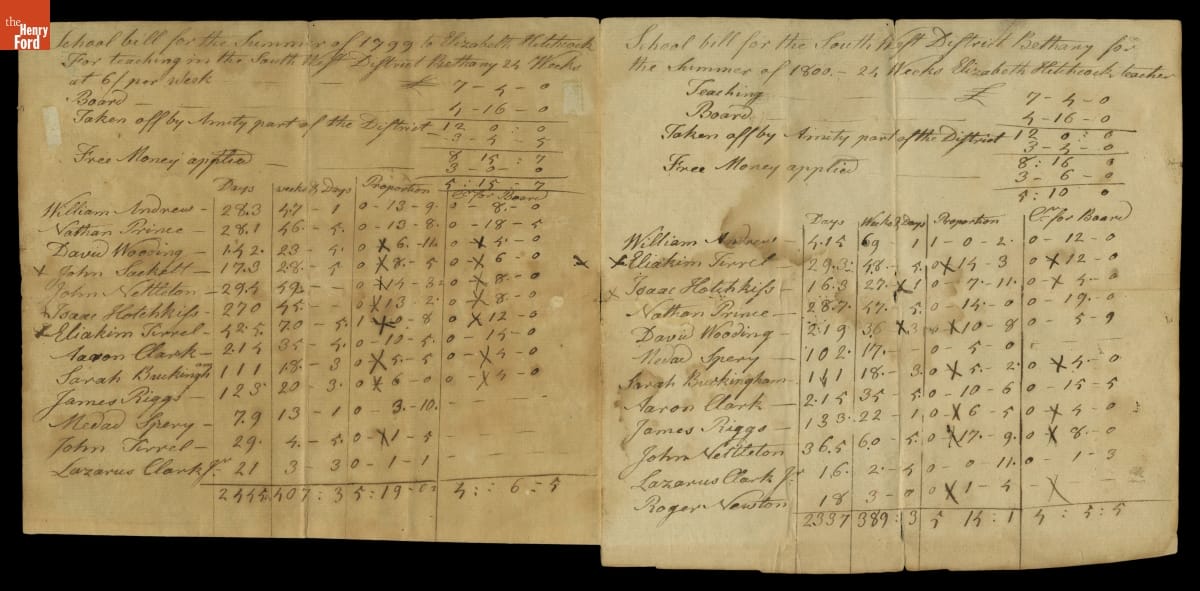
In the early United States, schools were organized if the local community desired them, and generally parents had to pay for their children to attend. This is a hand-written bill from a teacher in Bethany, Connecticut. Parents were billed for their children's education as well as the teacher's board (food and shelter).
Set
Noah Webster and his New Haven, Connecticut Home
- 11 Artifacts
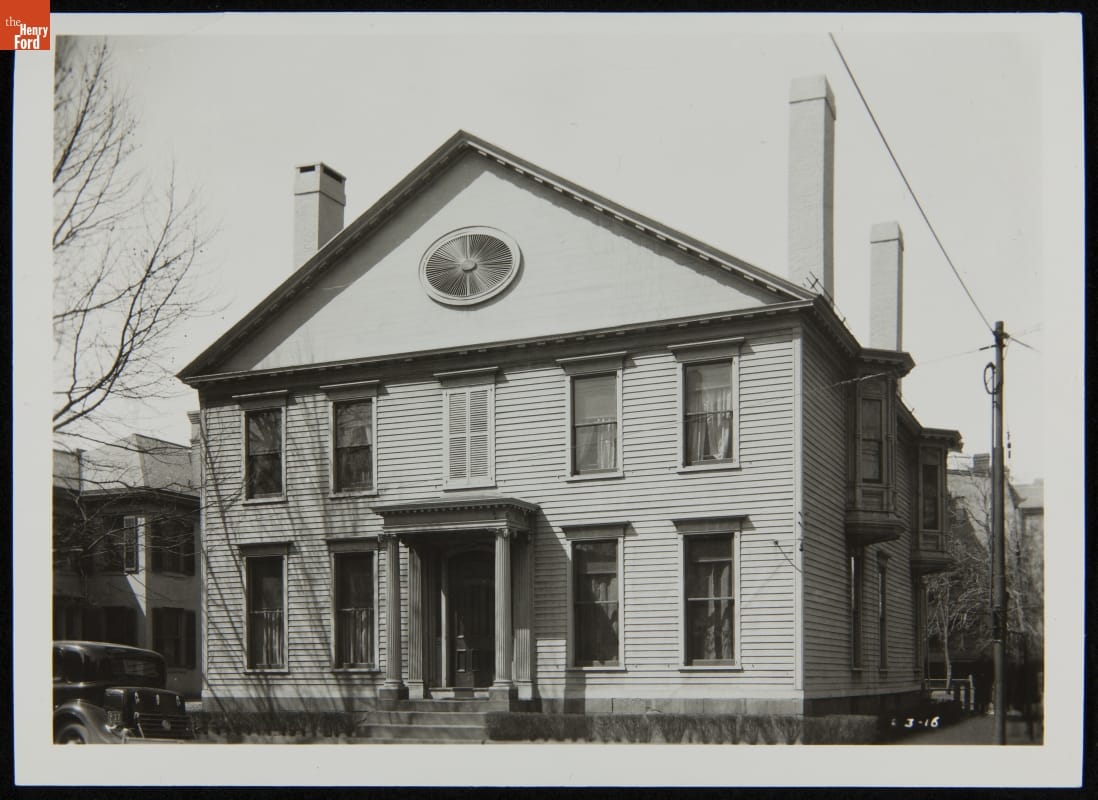
This is textbook pioneer and spelling reformer Noah Webster's home on its original site in New Haven, Connecticut. Henry Ford admired Webster and recognized his house as an important piece of American history. Ford had the building moved to Greenfield Village - his historical outdoor museum in Dearborn, Michigan. This view documents architectural details, including second floor bay windows not moved with the house.
Set
Greenfield Village Buildings
- 84 Artifacts
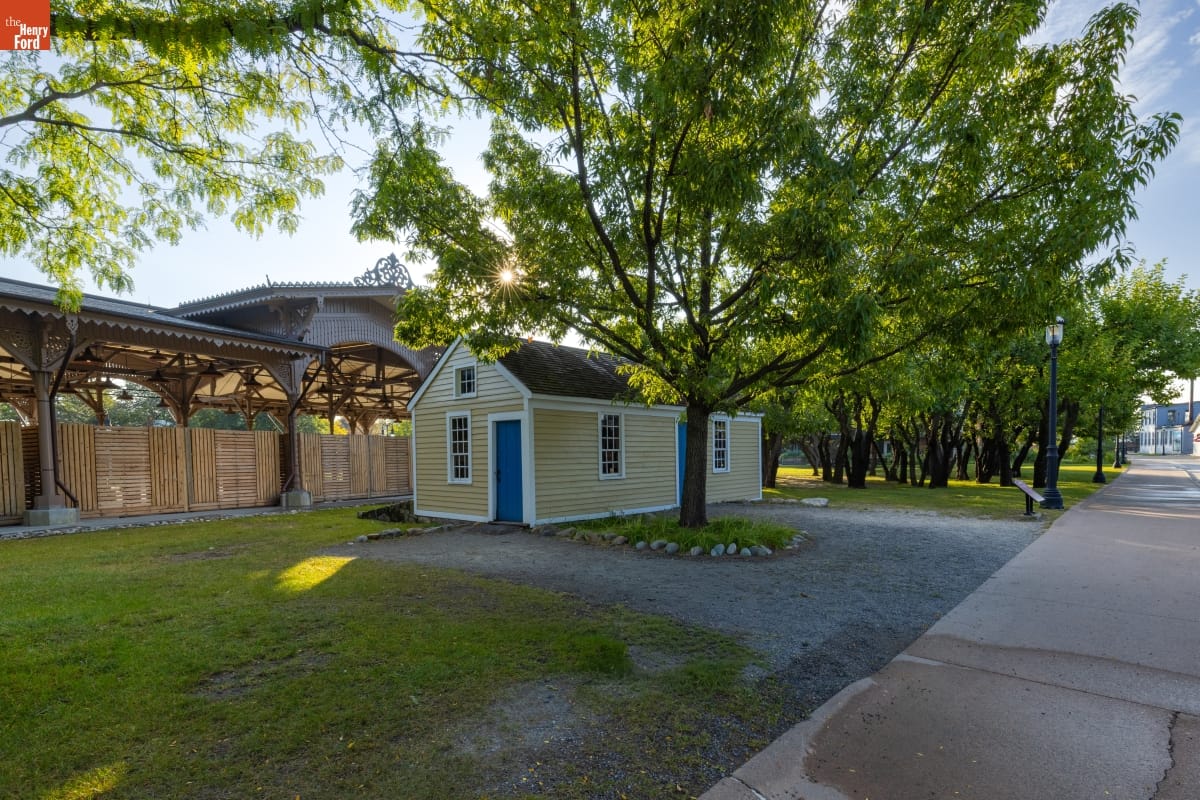
As America was taking its first steps towards industrialization, the Hanks family of Mansfield, Connecticut, made early attempts to mechanize the production of silk thread. Rodney Hanks and his nephew Horatio Hanks built this mill in 1810. It was the first silk mill in America, producing some of the first silk with machines that were powered by a waterwheel.
Set
Featured on The Henry Ford's Innovation Nation: Season 1
- 25 Artifacts
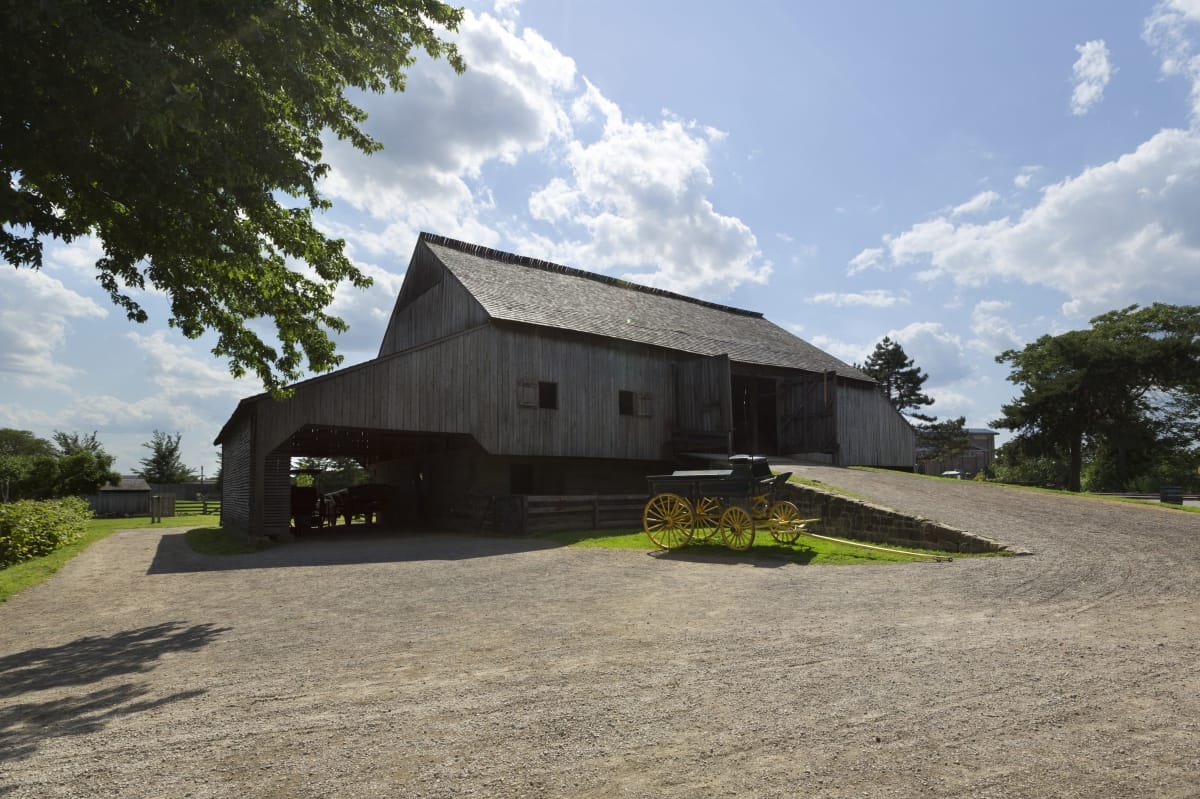
The Firestone barn is a Pennsylvania-German bank barn, an American barn type with Swiss origins. They are called bank barns because the barn is built into a bank, allowing wagons to be driven into the upper floor. Bank barns combined multiple farm functions under a single roof. Livestock were kept in the lower floor, crops on the upper floor.
Set
Robert Frost Home
- 11 Artifacts
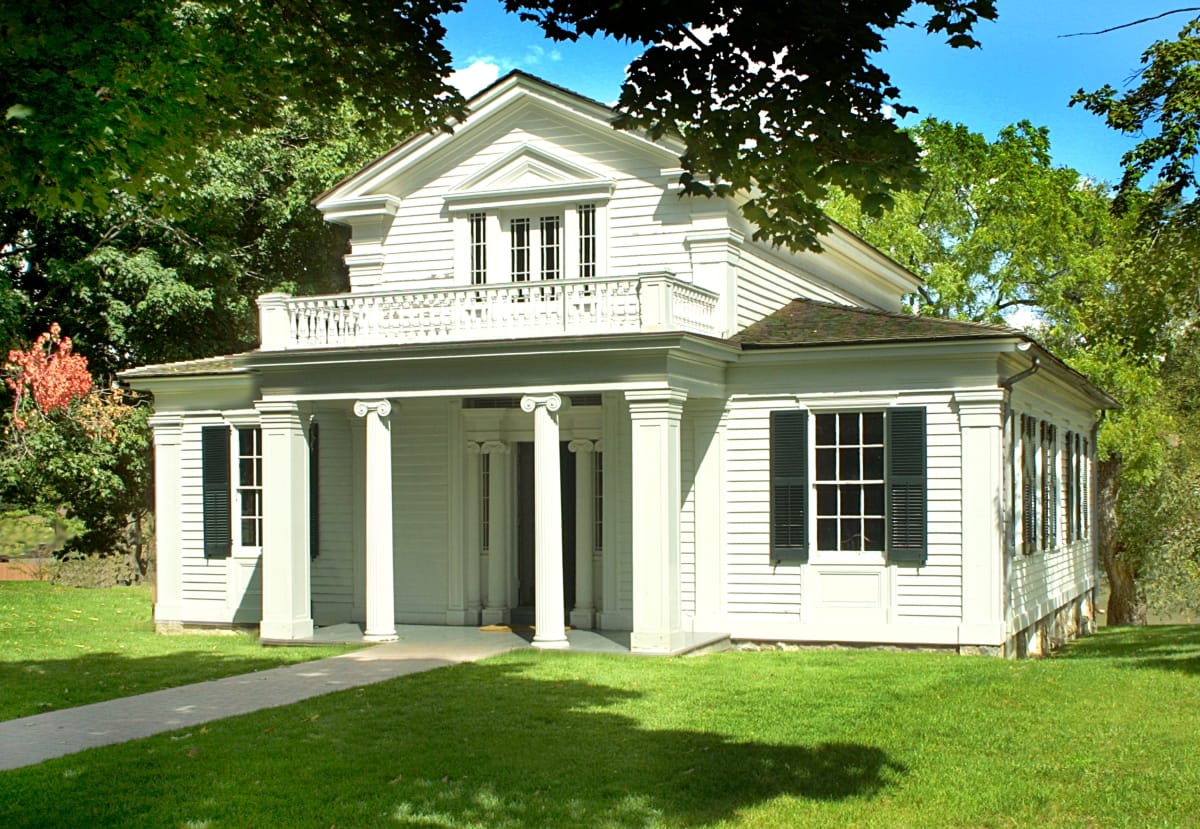
No former residents of this house were as famous or as internationally renowned as American poet Robert Frost (1874-1963). This house, discovered by Henry Ford on a drive through Ann Arbor, Michigan, became a stellar example of Greek Revival architecture in Ford's Greenfield Village, and it still exhibits furnishings from the period. Only within this century has its most celebrated resident reclaimed his rightful place.

Set
Celebrating 90 — Collecting through the Decades: 1930s
- 11 Artifacts
The Henry Ford marks its 90th anniversary in 2019. In celebration, The Henry Ford's curators have taken a decade-by-decade look at how our collections have grown — through significant additions and evolving philosophies. This set looks at some of the objects and archives collected during the 1930s.

article
Celebrating Ninety: Collecting in the 1930s
We're celebrating our 90th birthday by looking, decade by decade, at significant additions to our collection. During the 1930s, we acquired the Wright Cycle Shop, a sweetmeat dish used by Alexander Hamilton, and a jacquard loom.