
Search
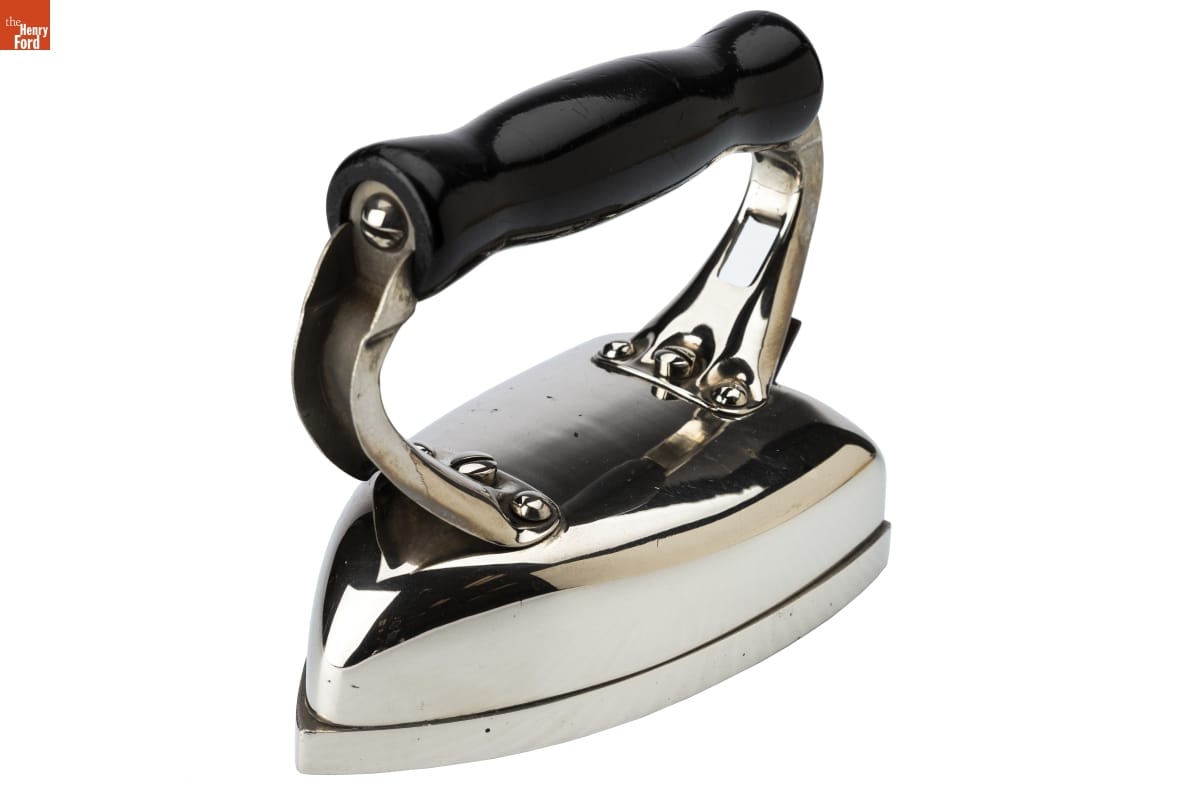
- Westinghouse Electric Iron, 1908-1918 -
- 1908-1918
- Collections - Artifact
Westinghouse Electric Iron, 1908-1918
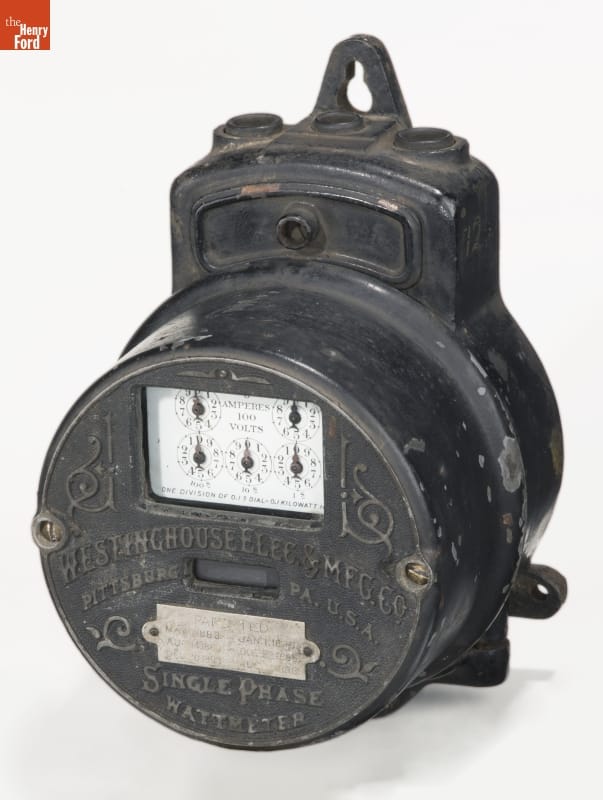
- Westinghouse Type A Wattmeter, circa 1903 - In the late 1800s, companies that supplied electricity to consumers needed a way to measure how much customers used -- and then charge them accordingly. Inventive electrical engineers developed various methods to measure electric power. Induction meters that employed magnetic fields to rotate a disc or cylinder to register energy usage would become the standard. Continued improvements made these wattmeters more compact and reliable.
- circa 1903
- Collections - Artifact
Westinghouse Type A Wattmeter, circa 1903
In the late 1800s, companies that supplied electricity to consumers needed a way to measure how much customers used -- and then charge them accordingly. Inventive electrical engineers developed various methods to measure electric power. Induction meters that employed magnetic fields to rotate a disc or cylinder to register energy usage would become the standard. Continued improvements made these wattmeters more compact and reliable.
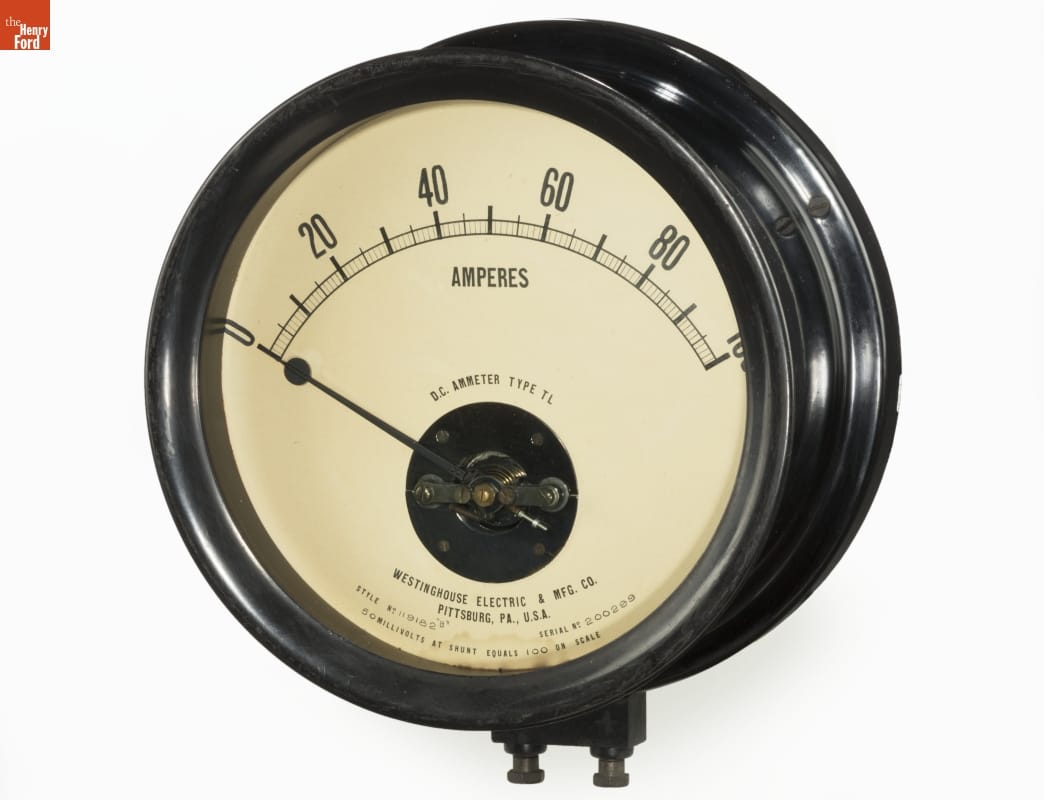
- Westinghouse Type TL Ammeter, circa 1911 - In the late 1800s and early 1900s, companies that supplied electricity to consumers needed a variety of instruments to regulate and monitor electrical output. These instruments were vital to the operation of power stations and needed to be accurate and rugged. Ammeters--used to measure the current in a circuit--could be found on switchboards or connected to motors and generators.
- circa 1911
- Collections - Artifact
Westinghouse Type TL Ammeter, circa 1911
In the late 1800s and early 1900s, companies that supplied electricity to consumers needed a variety of instruments to regulate and monitor electrical output. These instruments were vital to the operation of power stations and needed to be accurate and rugged. Ammeters--used to measure the current in a circuit--could be found on switchboards or connected to motors and generators.
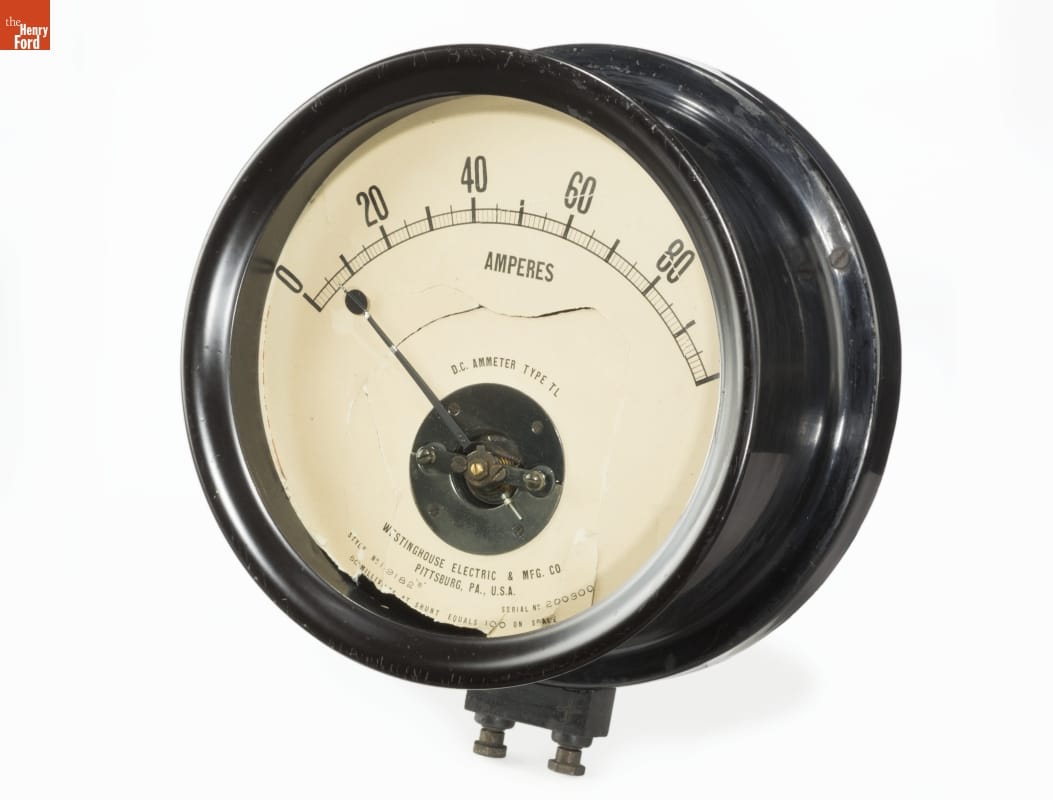
- Westinghouse Type TL Ammeter, circa 1911 - In the late 1800s and early 1900s, companies that supplied electricity to consumers needed a variety of instruments to regulate and monitor electrical output. These instruments were vital to the operation of power stations and needed to be accurate and rugged. Ammeters--used to measure the current in a circuit--could be found on switchboards or connected to motors and generators.
- circa 1911
- Collections - Artifact
Westinghouse Type TL Ammeter, circa 1911
In the late 1800s and early 1900s, companies that supplied electricity to consumers needed a variety of instruments to regulate and monitor electrical output. These instruments were vital to the operation of power stations and needed to be accurate and rugged. Ammeters--used to measure the current in a circuit--could be found on switchboards or connected to motors and generators.
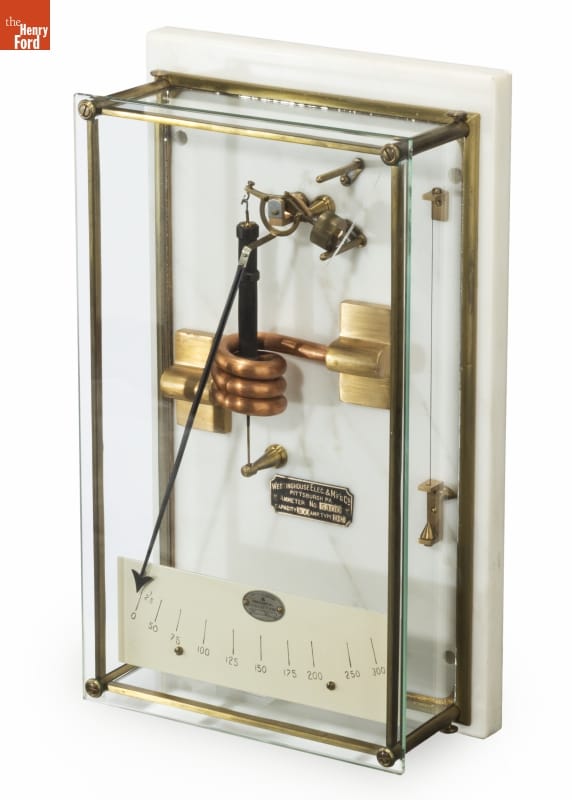
- Westinghouse Ammeter, circa 1895 - In the late 1800s and early 1900s, companies that supplied electricity to consumers needed a variety of instruments to regulate and monitor electrical output. These instruments were vital to the operation of power stations and needed to be accurate and rugged. Ammeters--used to measure the current in a circuit--could be found on switchboards or connected to motors and generators.
- circa 1895
- Collections - Artifact
Westinghouse Ammeter, circa 1895
In the late 1800s and early 1900s, companies that supplied electricity to consumers needed a variety of instruments to regulate and monitor electrical output. These instruments were vital to the operation of power stations and needed to be accurate and rugged. Ammeters--used to measure the current in a circuit--could be found on switchboards or connected to motors and generators.
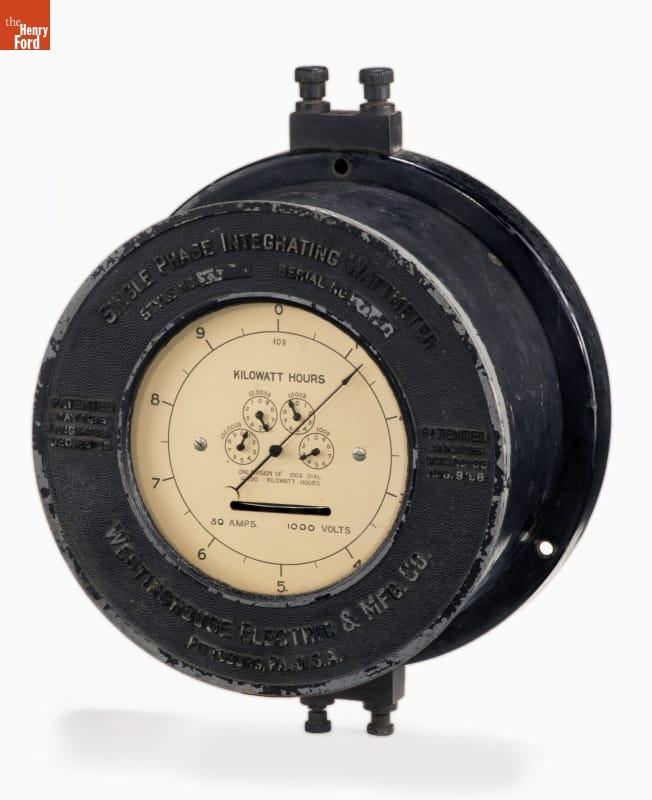
- Westinghouse Type C Switchboard Wattmeter, 1906-1911 - In the late 1800s, companies that supplied electricity to consumers needed a way to measure how much customers used -- and then charge them accordingly. Inventive electrical engineers developed various methods to measure electric power. Induction meters that employed magnetic fields to rotate a disc or cylinder to register energy usage would become the standard. Continued improvements made these wattmeters more compact and reliable.
- 1906-1911
- Collections - Artifact
Westinghouse Type C Switchboard Wattmeter, 1906-1911
In the late 1800s, companies that supplied electricity to consumers needed a way to measure how much customers used -- and then charge them accordingly. Inventive electrical engineers developed various methods to measure electric power. Induction meters that employed magnetic fields to rotate a disc or cylinder to register energy usage would become the standard. Continued improvements made these wattmeters more compact and reliable.
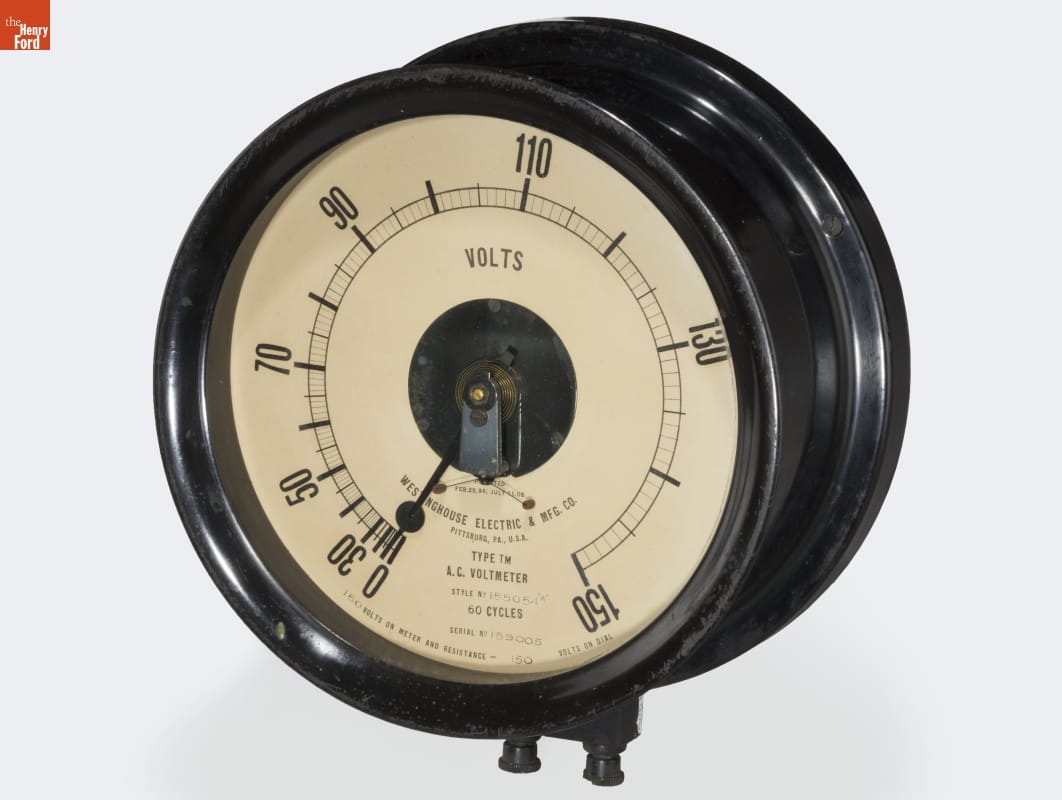
- Westinghouse Type TM Voltmeter, 1911-1925 -
- 1911-1925
- Collections - Artifact
Westinghouse Type TM Voltmeter, 1911-1925
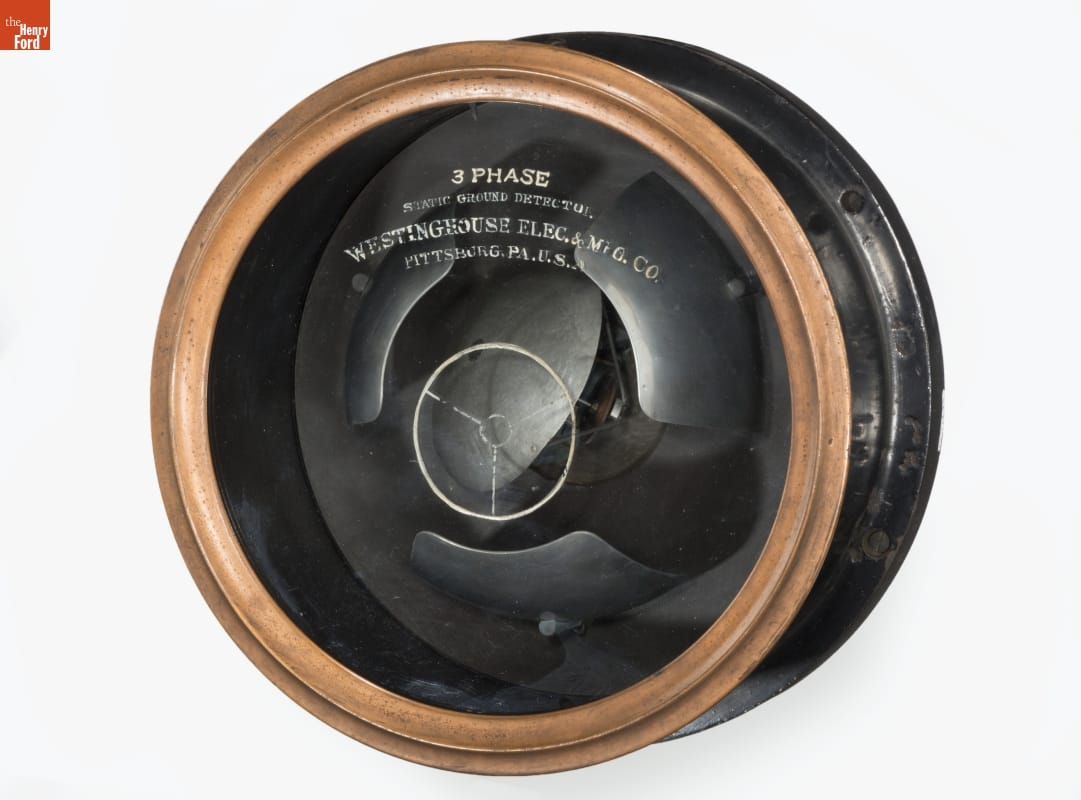
- Westinghouse Ground Detector, circa 1900 -
- circa 1900
- Collections - Artifact
Westinghouse Ground Detector, circa 1900
- Westinghouse Vibrating Rectifier, 1910-1920 -
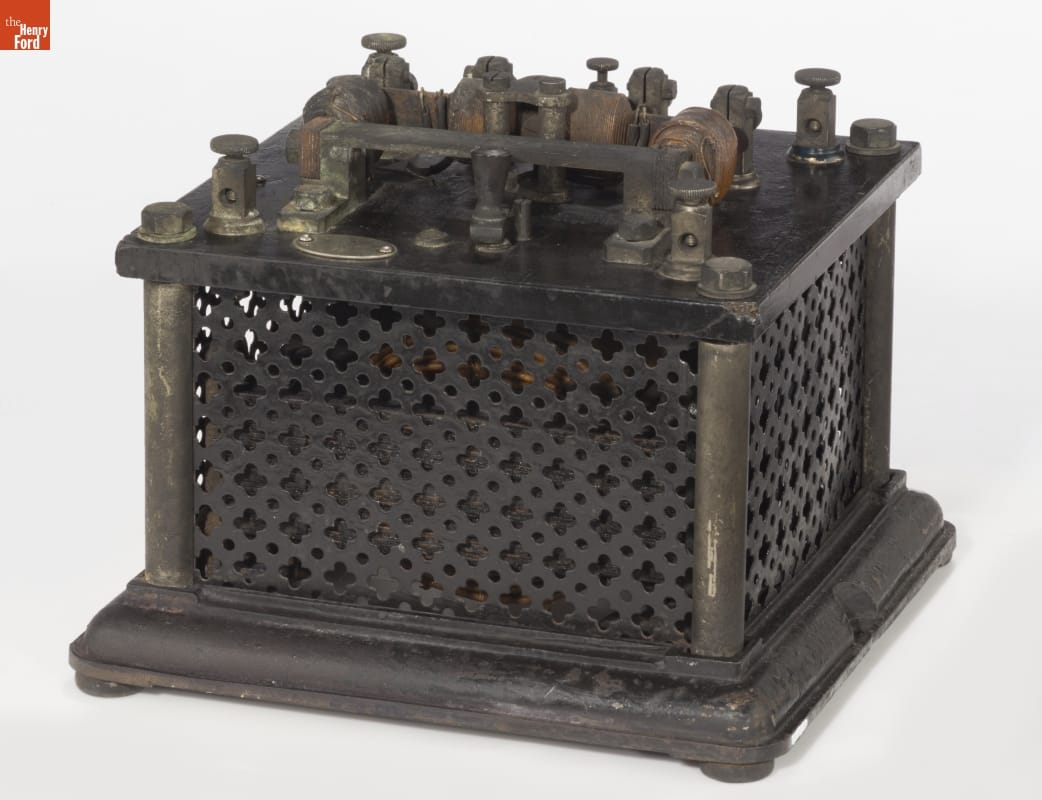
- 1910-1920
- Collections - Artifact
Westinghouse Vibrating Rectifier, 1910-1920
- Westinghouse Type A Circuit Breaker, circa 1904 - In the late 1800s, as companies began producing electricity to light cities, run streetcars, and power factories, homes and offices, new apparatus was needed to safely deliver and use electricity. Excess current in a circuit could damage electric lines and equipment. Circuit breakers protected electrical circuits by automatically interrupting the power flow during an event overload.
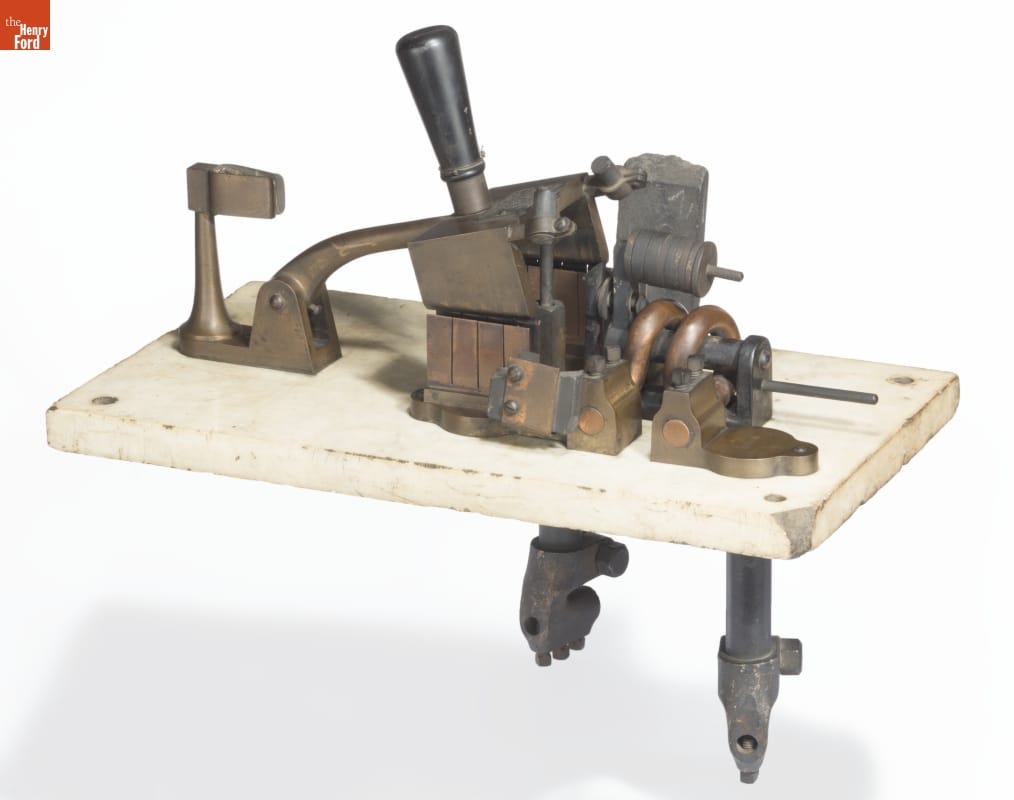
- circa 1904
- Collections - Artifact
Westinghouse Type A Circuit Breaker, circa 1904
In the late 1800s, as companies began producing electricity to light cities, run streetcars, and power factories, homes and offices, new apparatus was needed to safely deliver and use electricity. Excess current in a circuit could damage electric lines and equipment. Circuit breakers protected electrical circuits by automatically interrupting the power flow during an event overload.