
Search
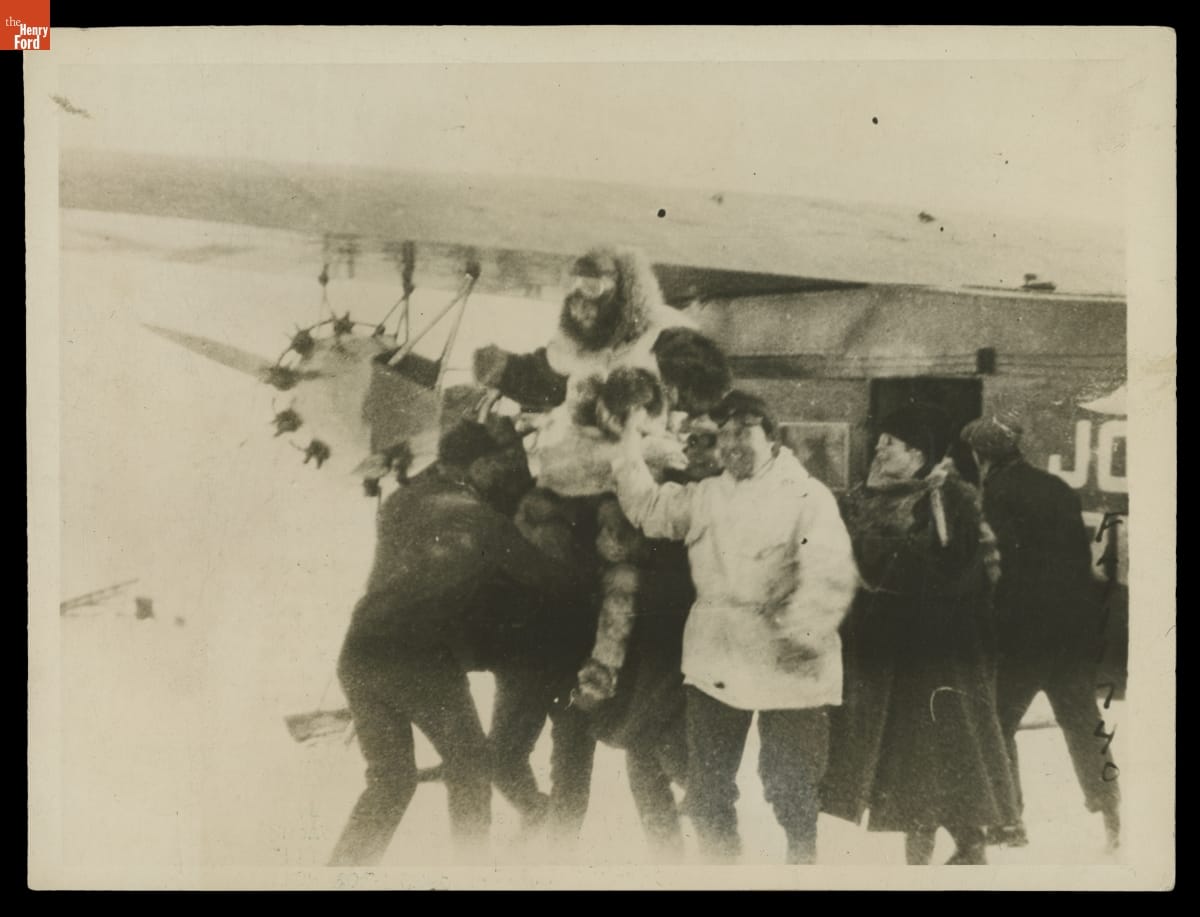
- Richard E. Byrd, Floyd Bennett, and Others Celebrate the Arctic Expedition beside the Fokker Airplane, the "Josephine Ford," June 2, 1926 - On May 9, 1926, explorer Richard Byrd and pilot Floyd Bennett flew toward the North Pole in a Fokker F.VII Tri-Motor airplane. Edsel Ford provided considerable financial support to the expedition, and Byrd named his airplane <em>Josephine Ford</em> to honor Mr. Ford's young daughter. Though Byrd is generally credited with reaching the pole, controversy remains.
- June 02, 1926
- Collections - Artifact
Richard E. Byrd, Floyd Bennett, and Others Celebrate the Arctic Expedition beside the Fokker Airplane, the "Josephine Ford," June 2, 1926
On May 9, 1926, explorer Richard Byrd and pilot Floyd Bennett flew toward the North Pole in a Fokker F.VII Tri-Motor airplane. Edsel Ford provided considerable financial support to the expedition, and Byrd named his airplane Josephine Ford to honor Mr. Ford's young daughter. Though Byrd is generally credited with reaching the pole, controversy remains.
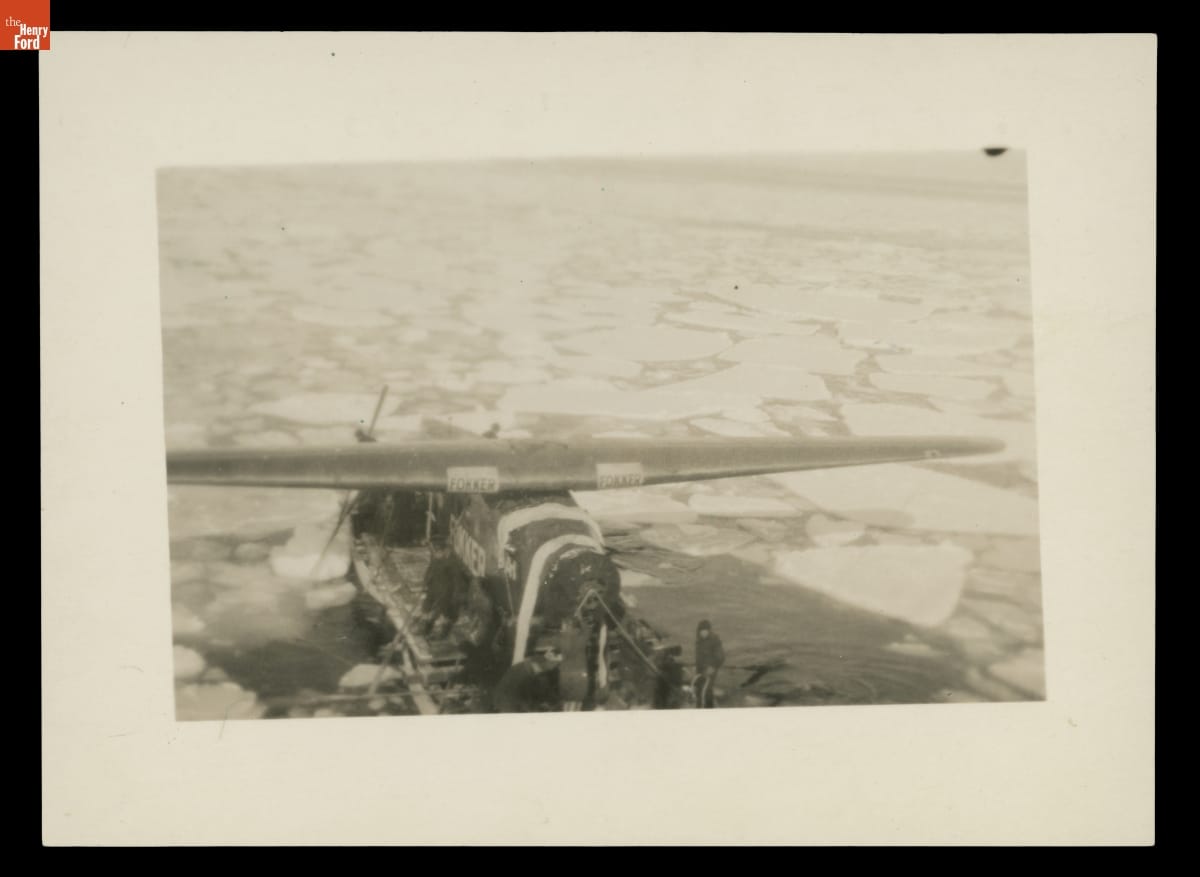
- The Fokker Airplane "Josephine Ford" in the Water during the Byrd Arctic Expedition, 1926 - Richard Byrd led an expedition to the Arctic in 1926, highlighted by a North Pole flight on May 9. When Byrd's ship <em>Chantier</em> arrived at Spitzbergen, Norway -- his base of operations -- a disabled vessel blocked the harbor's single pier. Undiscouraged, Byrd's crew built a raft from several small boats. They moved Byrd's airplane <em>Josephine Ford</em> ashore on their makeshift ferry.
- 1926
- Collections - Artifact
The Fokker Airplane "Josephine Ford" in the Water during the Byrd Arctic Expedition, 1926
Richard Byrd led an expedition to the Arctic in 1926, highlighted by a North Pole flight on May 9. When Byrd's ship Chantier arrived at Spitzbergen, Norway -- his base of operations -- a disabled vessel blocked the harbor's single pier. Undiscouraged, Byrd's crew built a raft from several small boats. They moved Byrd's airplane Josephine Ford ashore on their makeshift ferry.
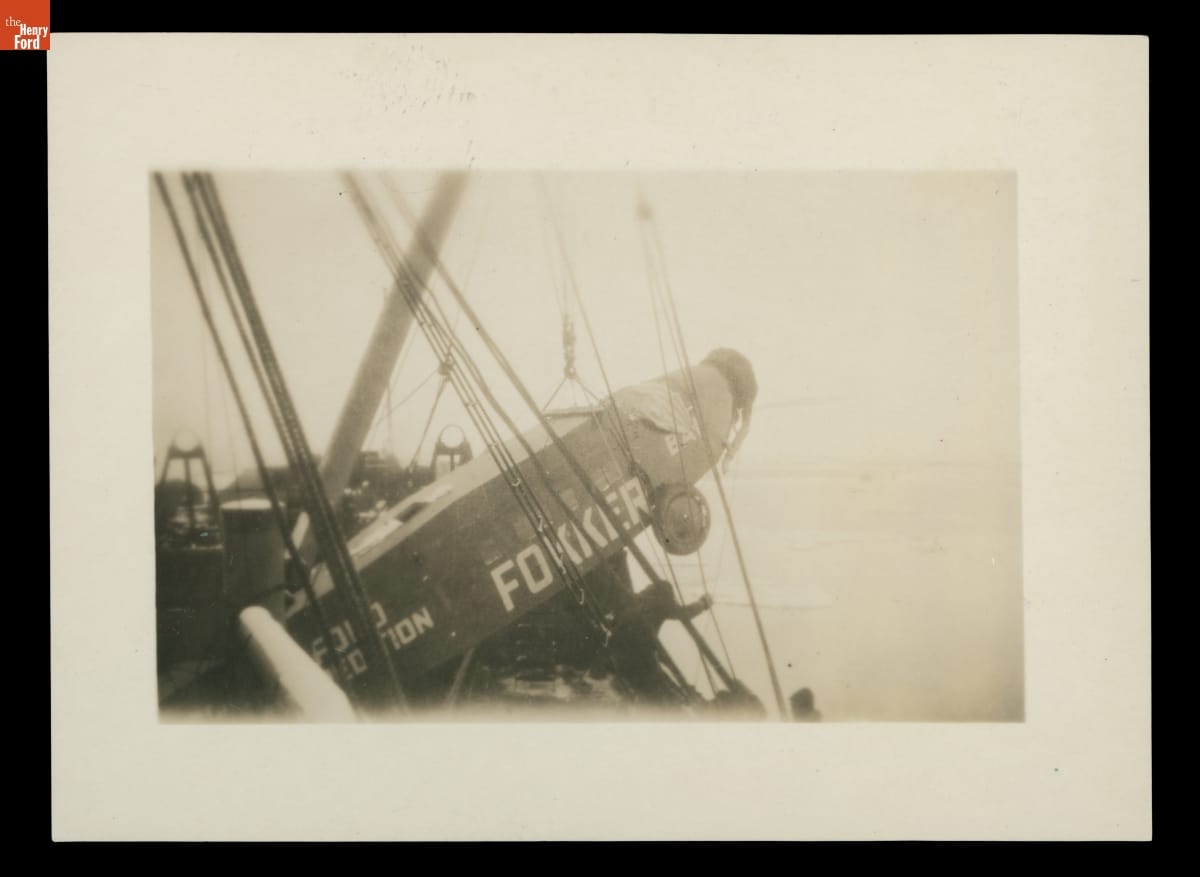
- The Fokker Airplane "Josephine Ford" during the Byrd Arctic Expedition, 1926 - Richard Byrd led an expedition to the Arctic in 1926, highlighted by a North Pole flight on May 9. When Byrd's ship <em>Chantier</em> arrived at Spitzbergen, Norway -- his base of operations -- a disabled vessel blocked the harbor's single pier. Undiscouraged, Byrd's crew built a raft from several small boats. They moved Byrd's airplane <em>Josephine Ford</em> ashore on their makeshift ferry.
- 1926
- Collections - Artifact
The Fokker Airplane "Josephine Ford" during the Byrd Arctic Expedition, 1926
Richard Byrd led an expedition to the Arctic in 1926, highlighted by a North Pole flight on May 9. When Byrd's ship Chantier arrived at Spitzbergen, Norway -- his base of operations -- a disabled vessel blocked the harbor's single pier. Undiscouraged, Byrd's crew built a raft from several small boats. They moved Byrd's airplane Josephine Ford ashore on their makeshift ferry.
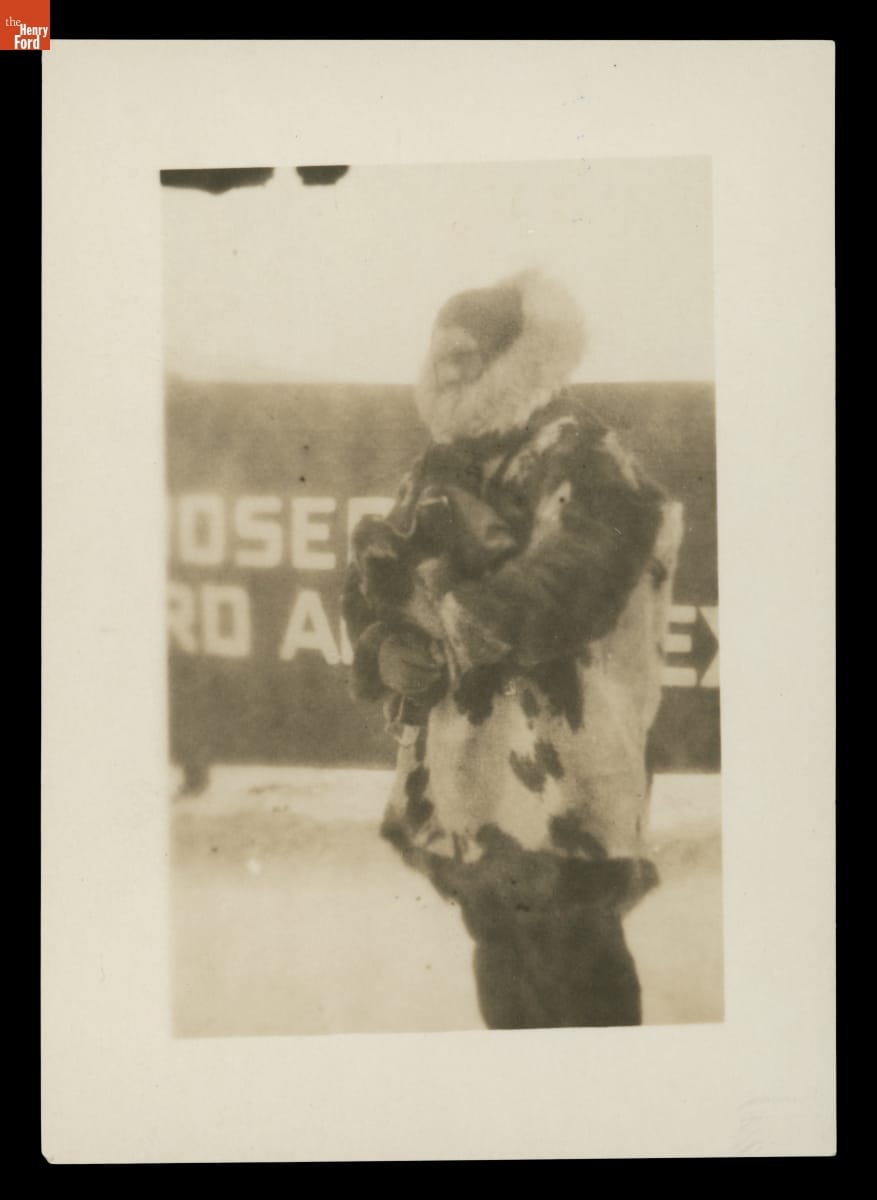
- Floyd Bennett with the Fokker Airplane, "Josephine Ford," during the Arctic Expedition, 1926 - Floyd Bennett enlisted in the U.S. Navy in 1917 and learned to fly. He joined explorer Richard Byrd on a trek to Greenland in 1925, and he piloted the <em>Josephine Ford</em> when it carried Byrd and Bennett toward the North Pole in 1926. Bennett died from pneumonia in 1928 -- his condition worsened by a selfless attempt to rescue stranded flyers.
- 1926
- Collections - Artifact
Floyd Bennett with the Fokker Airplane, "Josephine Ford," during the Arctic Expedition, 1926
Floyd Bennett enlisted in the U.S. Navy in 1917 and learned to fly. He joined explorer Richard Byrd on a trek to Greenland in 1925, and he piloted the Josephine Ford when it carried Byrd and Bennett toward the North Pole in 1926. Bennett died from pneumonia in 1928 -- his condition worsened by a selfless attempt to rescue stranded flyers.
- The "Friendship" in Flight, with Amelia Earhart and Crew, Seen from SS America, June 18, 1928 - In June 1928 Amelia Earhart became the first woman to fly across the Atlantic Ocean, but largely as a passenger. Wilmer Stultz and Louis Gordon did the actual piloting. The trio made their crossing in a Fokker F.VII Tri-Motor named <EM>Friendship</EM>. Their successful flight took them from Trepassey Harbour, Newfoundland, to Burry Port, Wales, in 20 hours and 40 minutes.
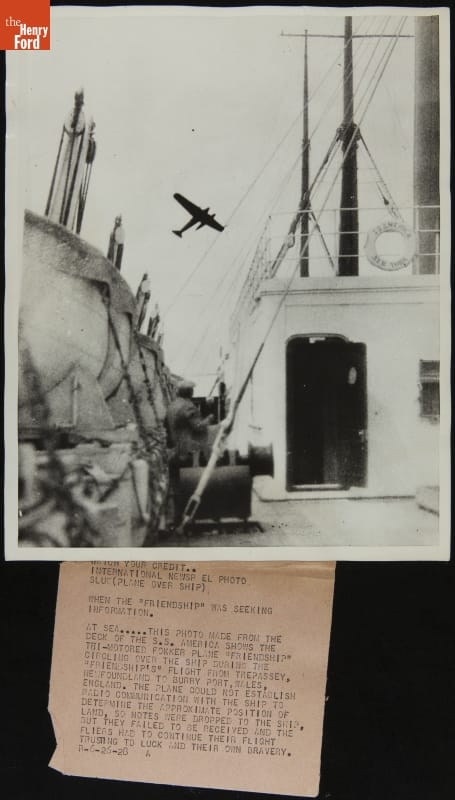
- June 18, 1928
- Collections - Artifact
The "Friendship" in Flight, with Amelia Earhart and Crew, Seen from SS America, June 18, 1928
In June 1928 Amelia Earhart became the first woman to fly across the Atlantic Ocean, but largely as a passenger. Wilmer Stultz and Louis Gordon did the actual piloting. The trio made their crossing in a Fokker F.VII Tri-Motor named Friendship. Their successful flight took them from Trepassey Harbour, Newfoundland, to Burry Port, Wales, in 20 hours and 40 minutes.
- The "Friendship" Anchored at Burry Port after the Transatlantic Flight, June 1928 - In June 1928 Amelia Earhart became the first woman to fly across the Atlantic Ocean, but largely as a passenger. Wilmer Stultz and Louis Gordon did the actual piloting. The trio made their crossing in a Fokker F.VII Tri-Motor named <EM>Friendship</EM>. Their successful flight took them from Trepassey Harbour, Newfoundland, to Burry Port, Wales, in 20 hours and 40 minutes.
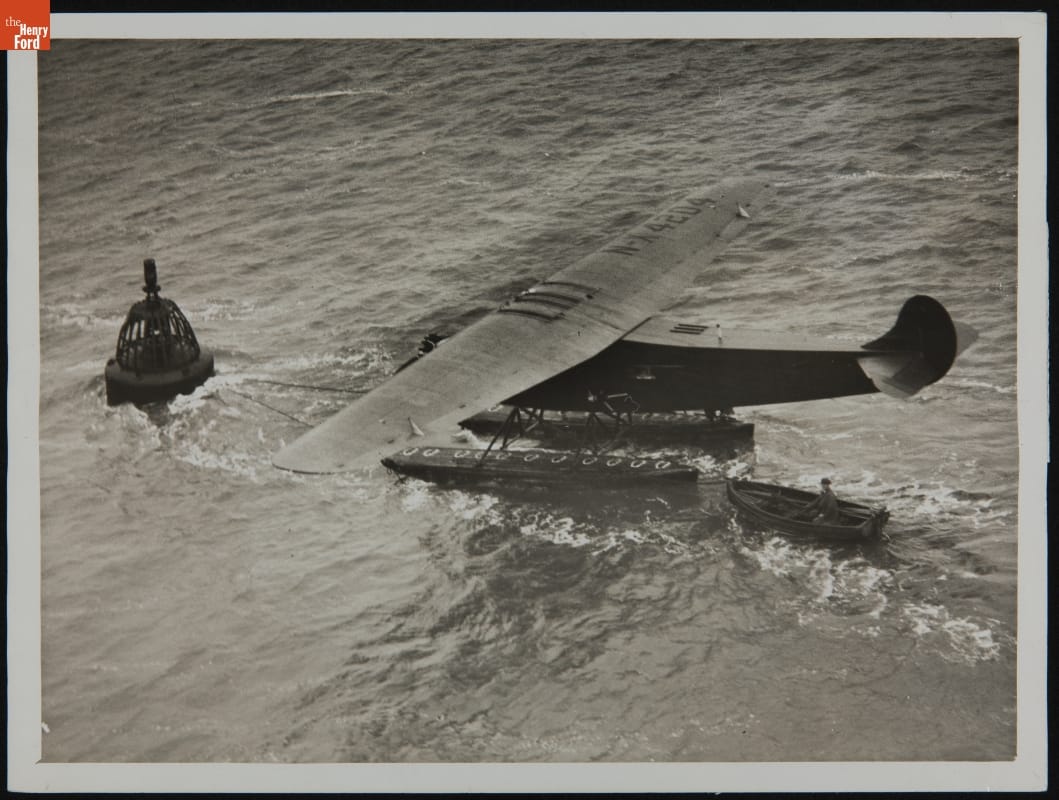
- June 18, 1928
- Collections - Artifact
The "Friendship" Anchored at Burry Port after the Transatlantic Flight, June 1928
In June 1928 Amelia Earhart became the first woman to fly across the Atlantic Ocean, but largely as a passenger. Wilmer Stultz and Louis Gordon did the actual piloting. The trio made their crossing in a Fokker F.VII Tri-Motor named Friendship. Their successful flight took them from Trepassey Harbour, Newfoundland, to Burry Port, Wales, in 20 hours and 40 minutes.
- Crew Member Adding Fuel to the "Josephine Ford," the Fokker Airplane Flown on the Byrd Arctic Expedition, 1926 - On May 9, 1926, explorer Richard Byrd and pilot Floyd Bennett flew toward the North Pole in a Fokker F.VII Tri-Motor airplane. Edsel Ford provided considerable financial support to the expedition, and Byrd named his airplane <em>Josephine Ford</em> to honor Mr. Ford's young daughter. Though Byrd is generally credited with reaching the pole, controversy remains.
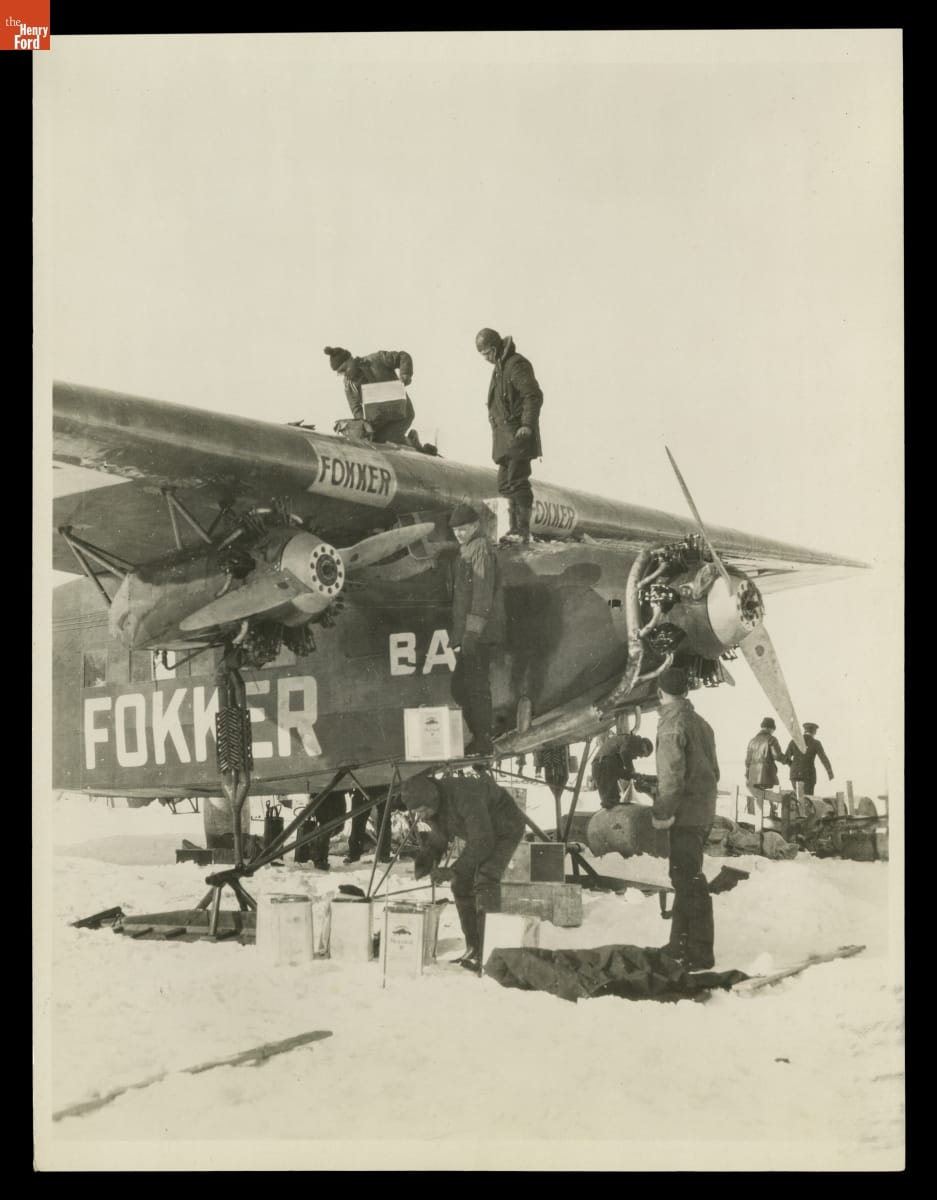
- 1926
- Collections - Artifact
Crew Member Adding Fuel to the "Josephine Ford," the Fokker Airplane Flown on the Byrd Arctic Expedition, 1926
On May 9, 1926, explorer Richard Byrd and pilot Floyd Bennett flew toward the North Pole in a Fokker F.VII Tri-Motor airplane. Edsel Ford provided considerable financial support to the expedition, and Byrd named his airplane Josephine Ford to honor Mr. Ford's young daughter. Though Byrd is generally credited with reaching the pole, controversy remains.
- Four Members of the Byrd Arctic Expedition Crew in Front of the Fokker Airplane, the "Josephine Ford," May 1926 - On May 9, 1926, explorer Richard Byrd and pilot Floyd Bennett flew toward the North Pole in a Fokker F.VII Tri-Motor airplane. Edsel Ford provided considerable financial support to the expedition, and Byrd named his airplane <em>Josephine Ford</em> to honor Mr. Ford's young daughter. Though Byrd is generally credited with reaching the pole, controversy remains.
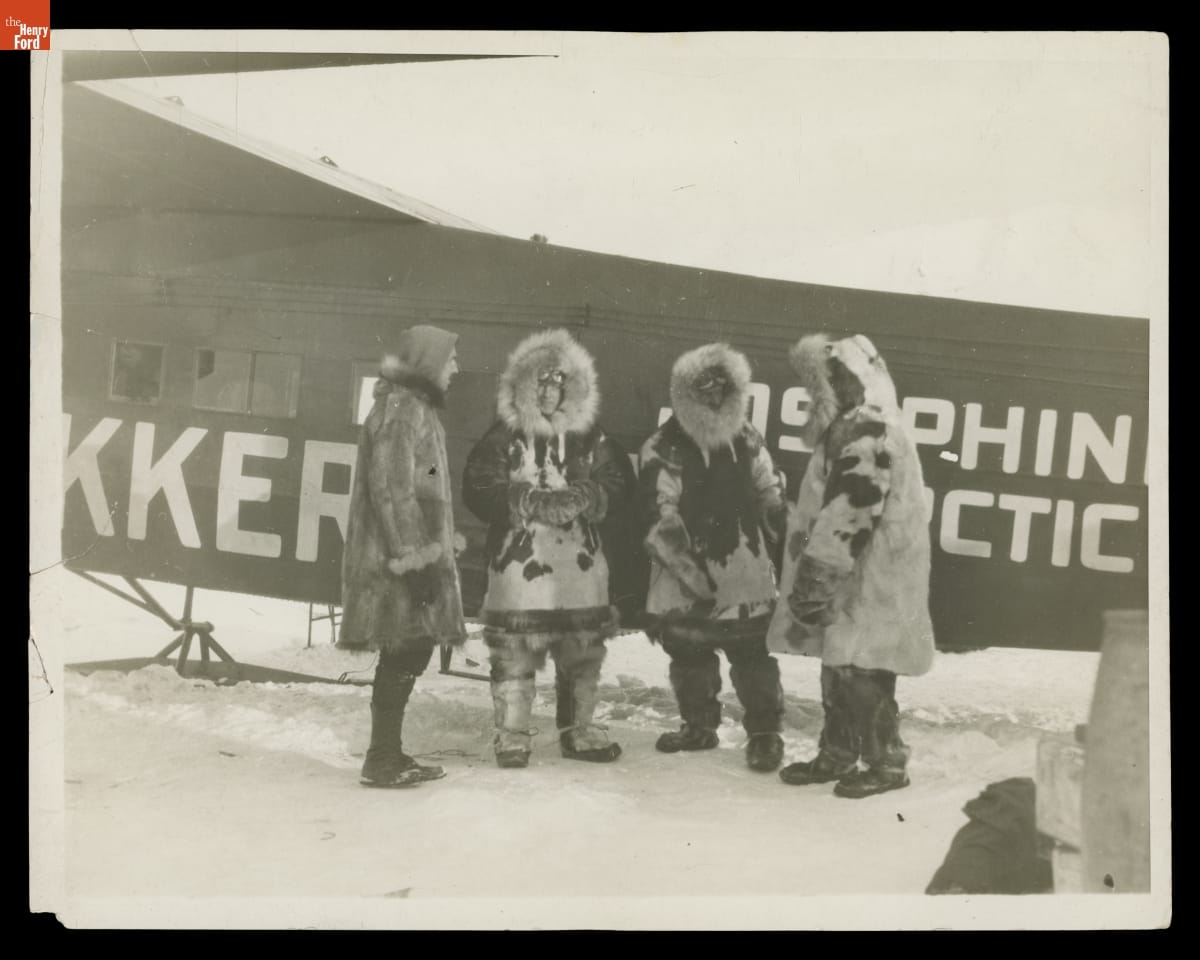
- May 01, 1926
- Collections - Artifact
Four Members of the Byrd Arctic Expedition Crew in Front of the Fokker Airplane, the "Josephine Ford," May 1926
On May 9, 1926, explorer Richard Byrd and pilot Floyd Bennett flew toward the North Pole in a Fokker F.VII Tri-Motor airplane. Edsel Ford provided considerable financial support to the expedition, and Byrd named his airplane Josephine Ford to honor Mr. Ford's young daughter. Though Byrd is generally credited with reaching the pole, controversy remains.
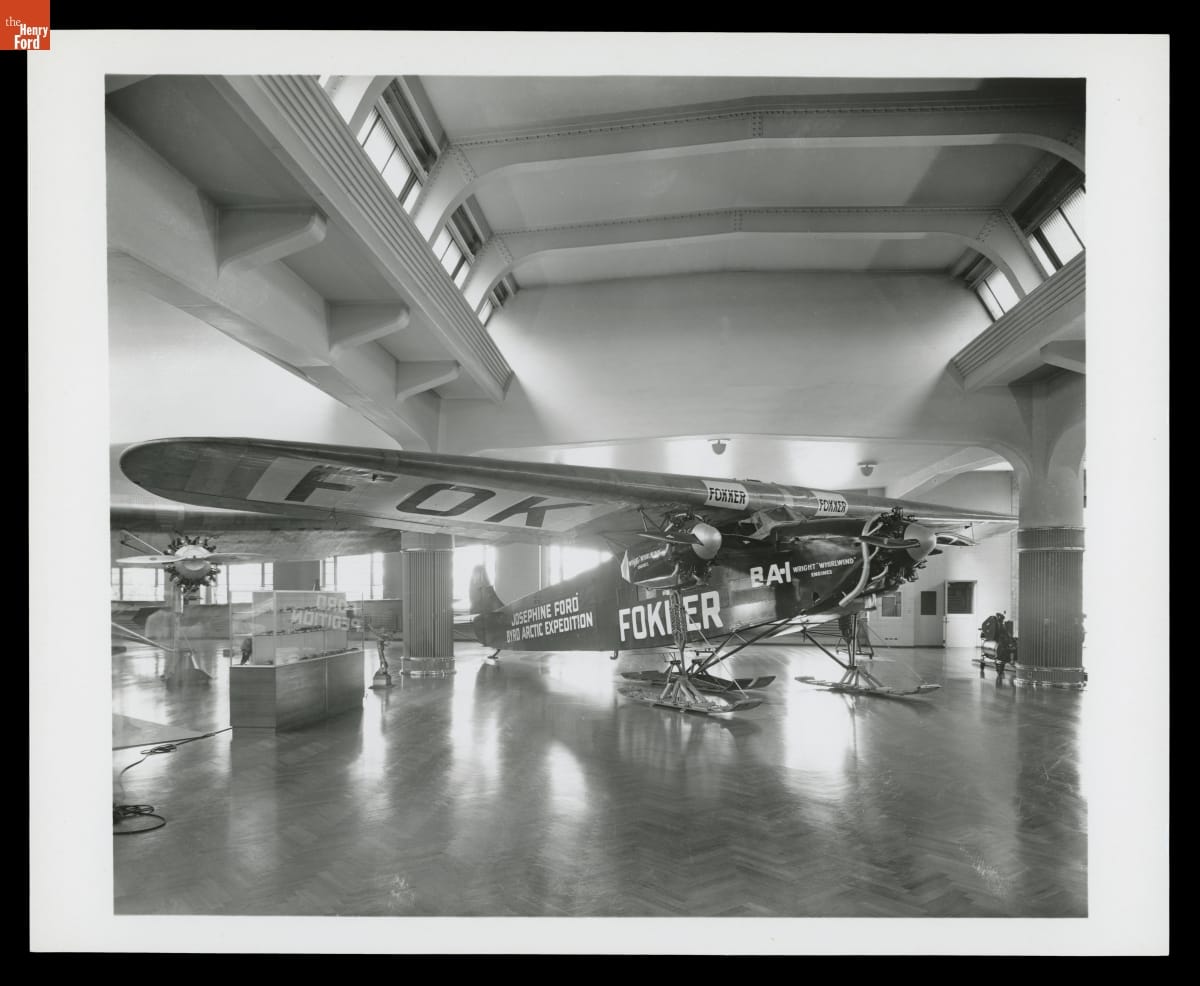
- The "Josephine Ford" 1925 Fokker Tri-Motor Airplane in Henry Ford Museum, 1938 - Explorer Richard Byrd and pilot Floyd Bennett flew this Fokker F.VII Tri-Motor airplane toward the North Pole on May 9, 1926. Though Byrd is generally credited with reaching the pole, controversy remains. Edsel Ford financed the expedition, and Byrd acknowledged his patron by naming the plane <em>Josephine Ford</em>, after Ford's daughter.
- July 28, 1938
- Collections - Artifact
The "Josephine Ford" 1925 Fokker Tri-Motor Airplane in Henry Ford Museum, 1938
Explorer Richard Byrd and pilot Floyd Bennett flew this Fokker F.VII Tri-Motor airplane toward the North Pole on May 9, 1926. Though Byrd is generally credited with reaching the pole, controversy remains. Edsel Ford financed the expedition, and Byrd acknowledged his patron by naming the plane Josephine Ford, after Ford's daughter.
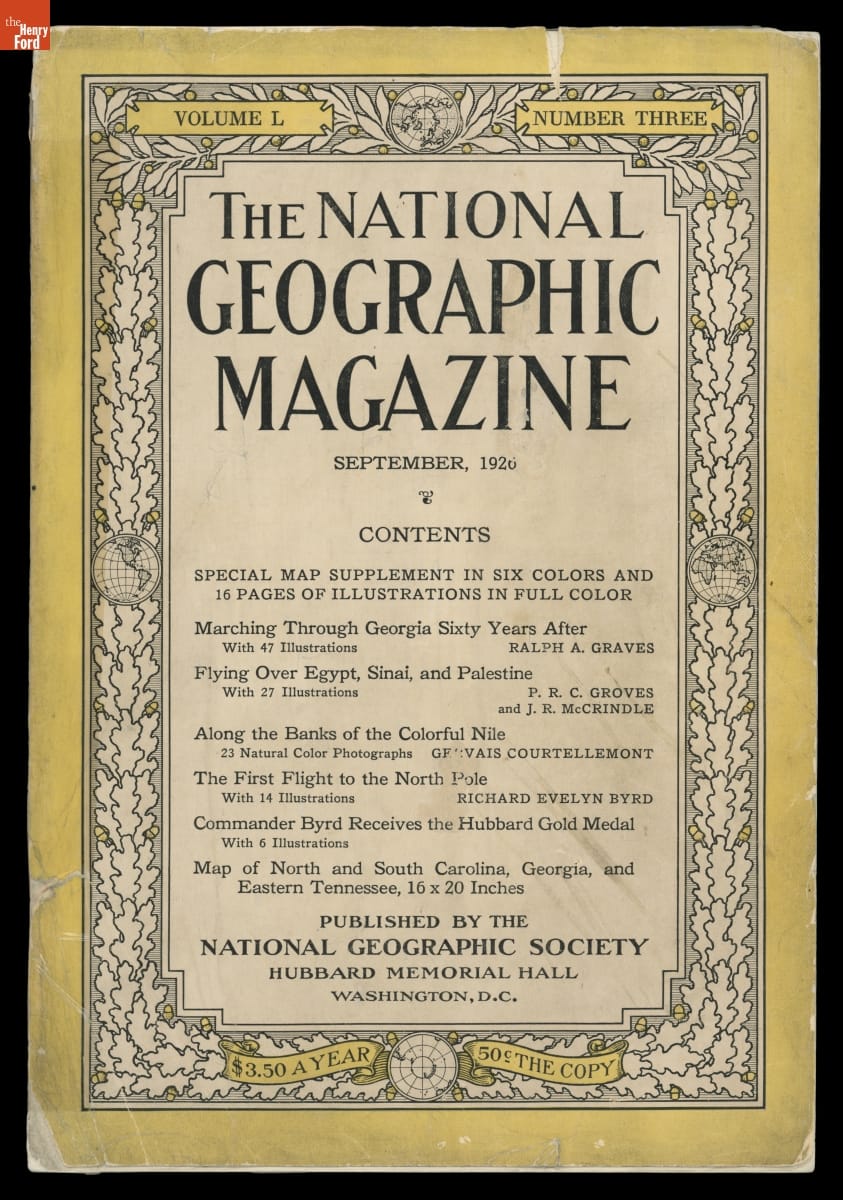
- The National Geographic Magazine, Volume L, Number Three, September 1926 - On May 9, 1926, explorer Richard Byrd and pilot Floyd Bennett took off from Spitzbergen, Norway, on a round-trip flight toward the North Pole in the Fokker Tri-Motor <em>Josephine Ford</em>. Byrd recounted their journey in the September 1926 issue of <em>National Geographic</em>. Though Byrd is generally credited with success, controversy remains over whether he and Bennett reached the actual pole.
- September 01, 1926
- Collections - Artifact
The National Geographic Magazine, Volume L, Number Three, September 1926
On May 9, 1926, explorer Richard Byrd and pilot Floyd Bennett took off from Spitzbergen, Norway, on a round-trip flight toward the North Pole in the Fokker Tri-Motor Josephine Ford. Byrd recounted their journey in the September 1926 issue of National Geographic. Though Byrd is generally credited with success, controversy remains over whether he and Bennett reached the actual pole.