
Newcomen Engine, circa 1750
THF110472 / Newcomen Engine, circa 1750
01
Artifact Overview
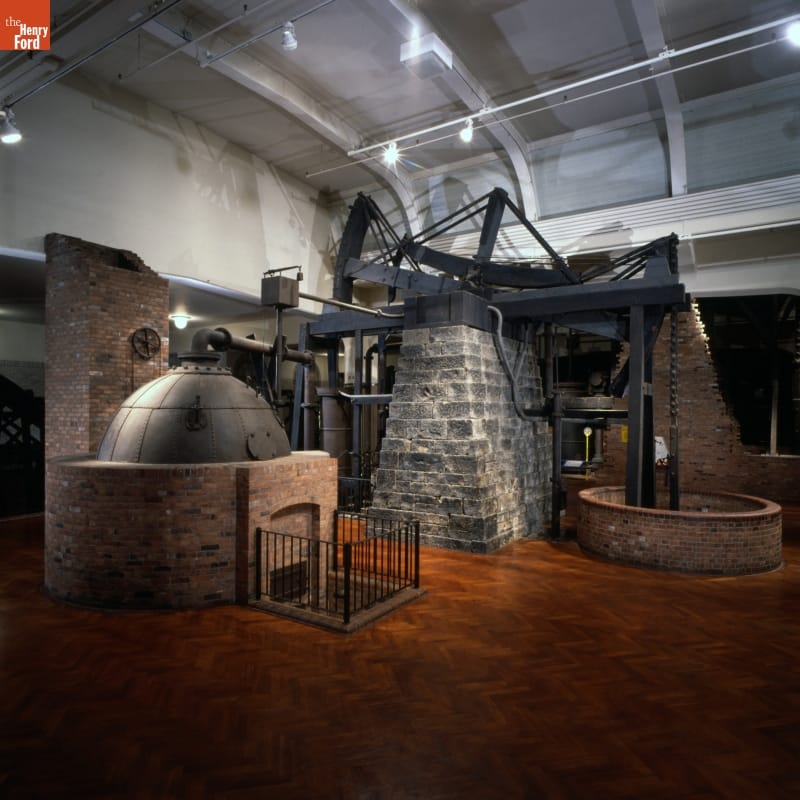
This is the oldest known surviving steam engine in the world. Named for its inventor Thomas Newcomen, the engine converted chemical energy in the fuel into useful mechanical work. Its early history is not known, but it was used to pump water out of the Cannel mine in the Lancashire coalfields of England in about 1765. The engine was presented to Henry Ford in 1929.
Artifact Details
Artifact
Steam engine (Engine)
Date Made
circa 1750
Place of Creation
Location
at Henry Ford Museum in Made in America
Object ID
29.1506.1
Credit
From the Collections of The Henry Ford. Gift of Earl of Stamford Trustees.
Material
Stone (Worked rock)
Iron (Metal)
Wood (Plant material)
Dimensions
Horsepower: 11 hp (8.20 kW)
Speed: 14 rpm (0.23 Hz)
Height: 22.417 ft
Diameter: 28 in (Bore)
Width: 30.417 ft
Length: 32.458 ft
Length: 72 in (Stroke)
Keywords |
|---|
02
Related Artifacts
 Artifact
Dismantling the Newcomen Steam Engine "Fairbottom Bobs" Photograph Album, 1929-1930
Henry Ford acquired the oldest known surviving steam engine in 1929. The engine, known locally as Fairbottom Bobs, lay in ruin near Ashton-under-Lyne, England. Ford charged Herbert Morton to dismantle, crate, and transport what remained of the original engine to Dearborn, Michigan. This album chronicles Morton's experience, which included an archeological dig, building a bridge, and laying a short railroad.
03
Related Content

popular research topic
What If the World Ran on Steam?
In 1849, George H. Corliss’s new steam engine helped steam power surpass waterpower in American industry.

popular research topic
What If a Locomotive Powered by Fire and Water Could Haul More Freight Than Ever Before?
A triumph of human ingenuity, the Allegheny locomotive pushed the limits of what steam power could do just before the Age of Steam ended.
Set
Henry Ford’s Steam Engines
- 9 Artifacts
This is the oldest known surviving steam engine in the world. Named for its inventor Thomas Newcomen, the engine converted chemical energy in the fuel into useful mechanical work. Its early history is not known, but it was used to pump water out of the Cannel mine in the Lancashire coalfields of England in about 1765. The engine was presented to Henry Ford in 1929.
Set
Featured on The Henry Ford's Innovation Nation: Season 1
- 25 Artifacts
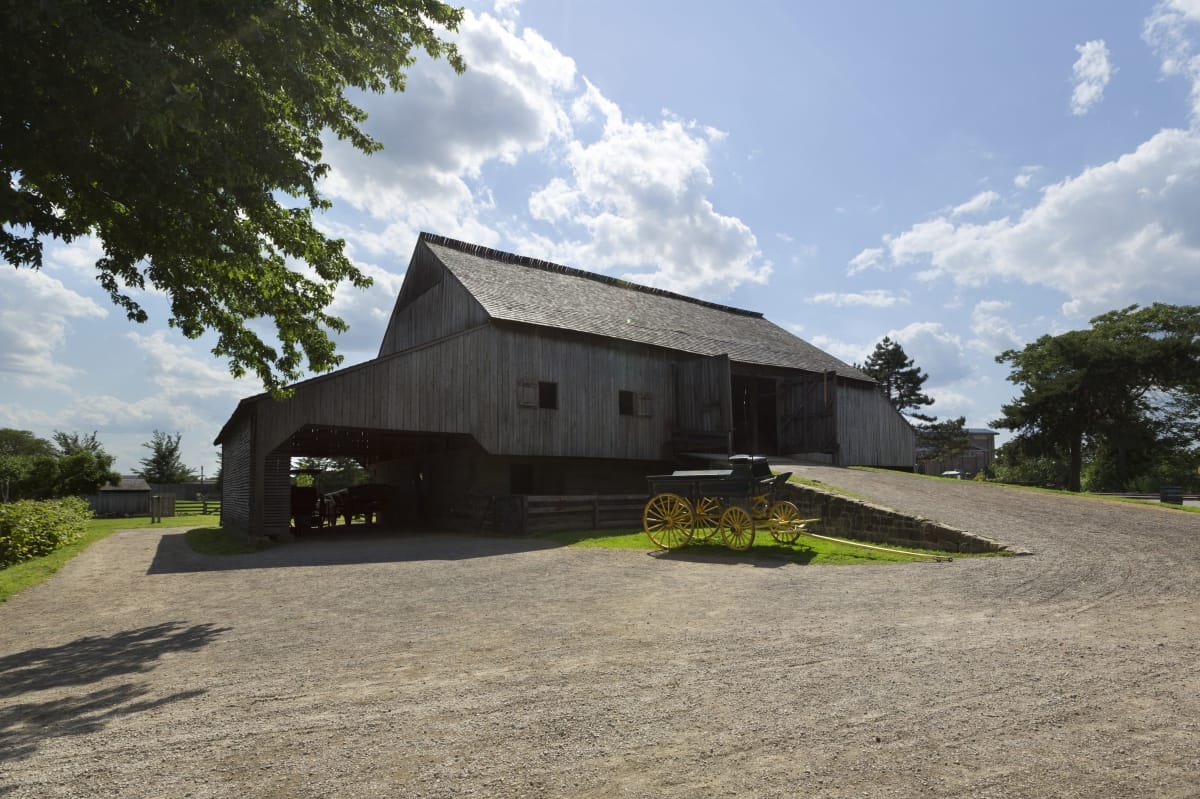
The Firestone barn is a Pennsylvania-German bank barn, an American barn type with Swiss origins. They are called bank barns because the barn is built into a bank, allowing wagons to be driven into the upper floor. Bank barns combined multiple farm functions under a single roof. Livestock were kept in the lower floor, crops on the upper floor.
Set
Social Transformation
- 50 Artifacts
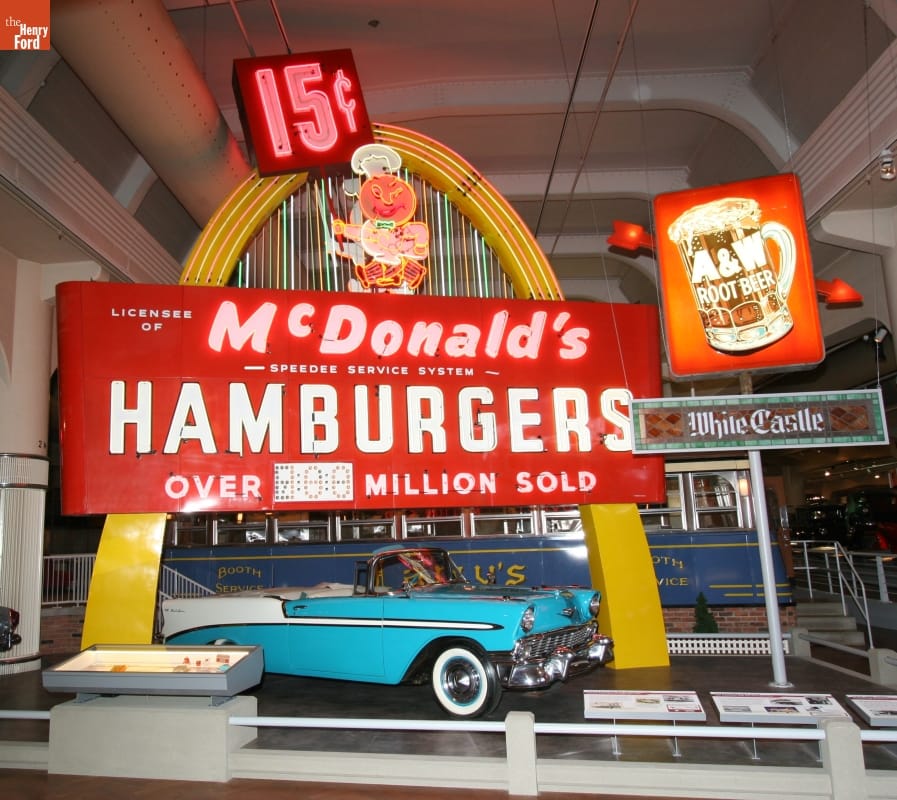
In 1948, the McDonald brothers transformed their Southern California drive-in restaurant with their radical new "Speedee Service System"--assembly-line production of a limited menu at drastically reduced prices. Richard McDonald created this sign design in 1952. In 1955, milkshake machine salesman Ray Kroc franchised the McDonald's concept--prompting numerous imitators and ultimately turning America into a "fast food nation."

Set
Our Most-Viewed Digitized Artifacts of All Time
- 100 Artifacts
British-born Ken Miles was a gifted race car engineer and driver. Through his work for Carroll Shelby, Miles got involved in Ford's GT racing program. Miles won the 24 Hours of Daytona and the 12 Hours of Sebring in 1966, and he placed second at Le Mans. Miles died in a crash while testing Ford's J-Car later that year.

Set
Collecting Fairbottom Bobs
- 6 Artifacts
This is the oldest known surviving steam engine in the world. Named for its inventor Thomas Newcomen, the engine converted chemical energy in the fuel into useful mechanical work. Its early history is not known, but it was used to pump water out of the Cannel mine in the Lancashire coalfields of England in about 1765. The engine was presented to Henry Ford in 1929.

Set
America's Industrial Revolution
- 24 Artifacts
Steam power initially spread in the United States via its adoption and adaptation in ships and boats. This early mill engine's layout and dimensions are firmly rooted in Mississippi riverboat practice, while its applied decorative detail and vibrant color scheme speak to the increasingly elevated status of steam technology as it found a firm footing in mills and factories.

article
Top Picks for Innovative Artifacts
We celebrate a name change--from Henry Ford Museum to Henry Ford Museum of American Innovation--with selections from our curators on the most innovative artifacts the museum contains.