
Dr. Howard's Office
THF1696 / Dr. Howard's Office
01
Artifact Overview
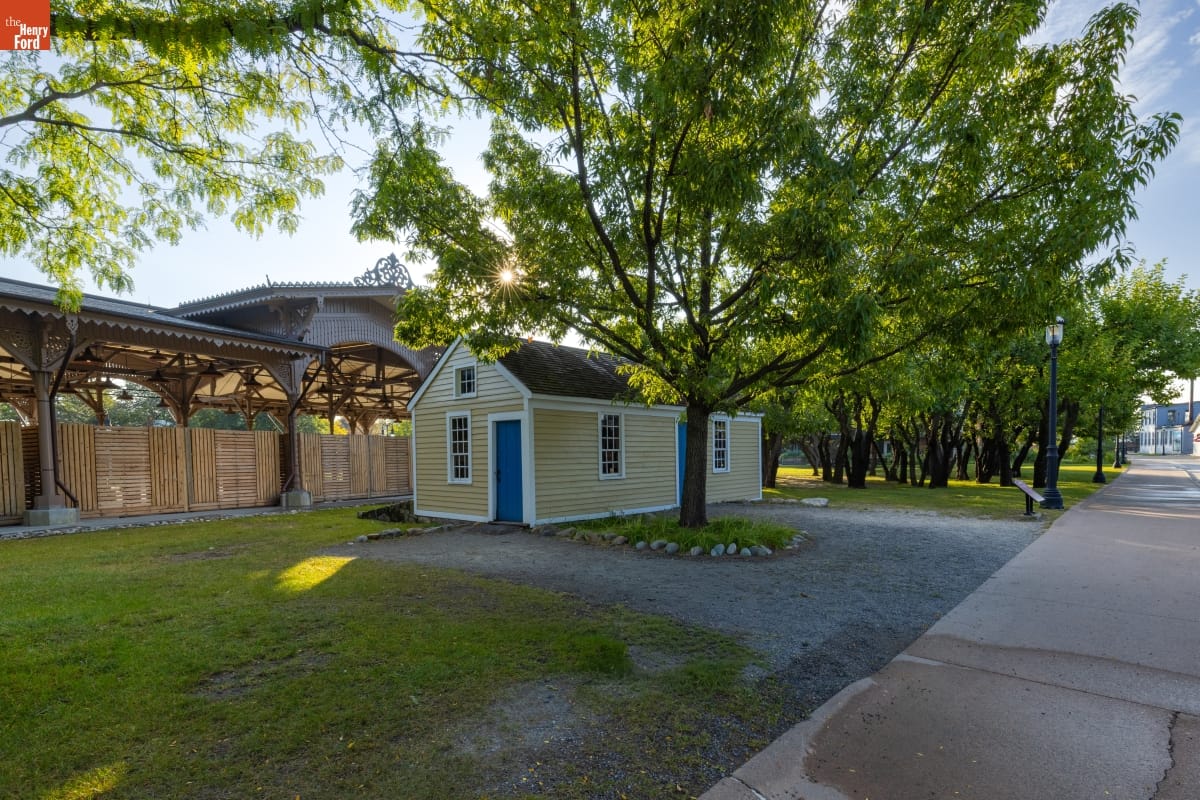
Alonson Howard practiced medicine in rural Tekonsha, Michigan, starting around the time of the Civil War. He was an "eclectic" physician, combining Western medicine and surgery with the herbal and homeopathic methods popular in the 19th century. This building was the waiting room, office and laboratory for Doc Howard and his patients. He also made herbal medicines here.
Artifact Details
Artifact
Building (Structure)
Date Made
circa 1839
Place of Creation
Creator Notes
Built, circa 1839, as a schoolhouse in Tekonsha, Michigan. Converted into a doctor's office by Alonson Howard about 1855.
Location
at Greenfield Village in Main Street District
Object ID
56.117.1
Credit
From the Collections of The Henry Ford. Gift of Howard D. and Ida B. Washburn
Material
Wood (Plant material)
Brick (Clay material)
Keywords |
|---|
02
Related Content
 Set
SetGreenfield Village Buildings
- 84 Artifacts
As America was taking its first steps towards industrialization, the Hanks family of Mansfield, Connecticut, made early attempts to mechanize the production of silk thread. Rodney Hanks and his nephew Horatio Hanks built this mill in 1810. It was the first silk mill in America, producing some of the first silk with machines that were powered by a waterwheel.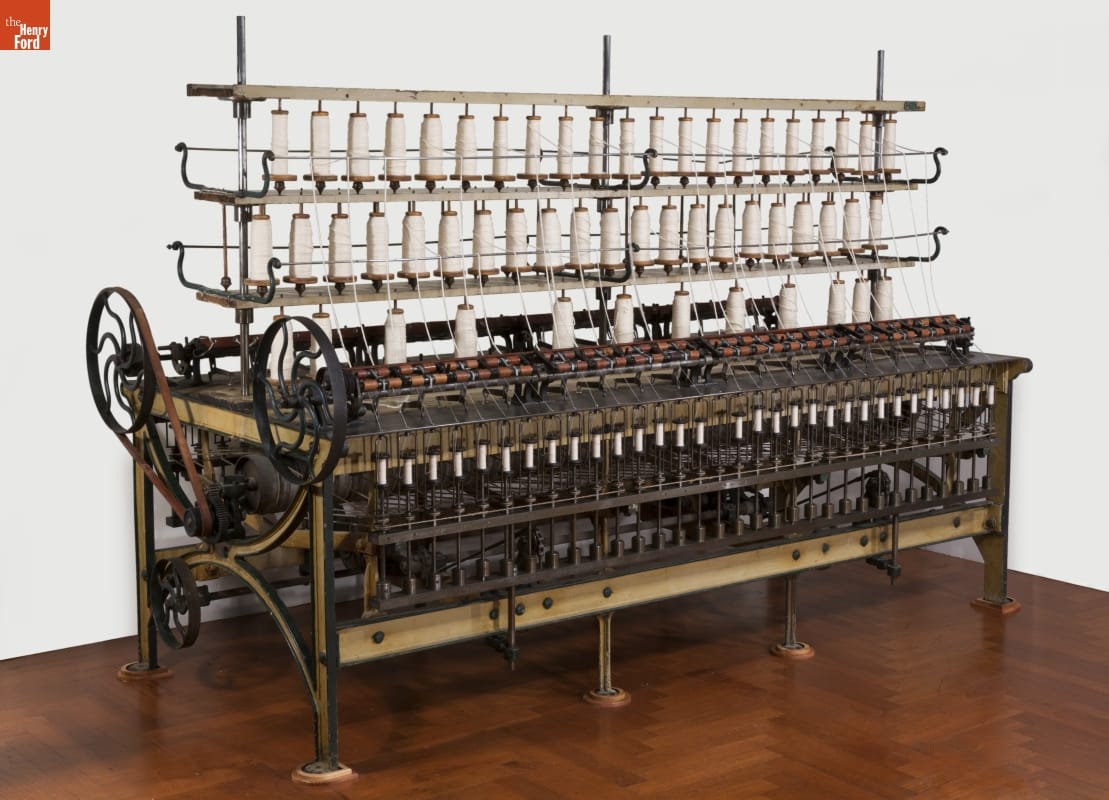 Set
SetFeatured on The Henry Ford's Innovation Nation: Season 8
- 26 Artifacts
Spinning frames spin cotton fiber into yarn and then wind it onto a bobbin. This throstle spinning frame could simultaneously spin 64 strands of yarn. (Throstle -- an old name for a song thrush -- refers to the bird-like sounds the machine made.) Machines like this helped produce the large quantities of yarn that growing industrial weaving operations needed in the early and mid-1800s.